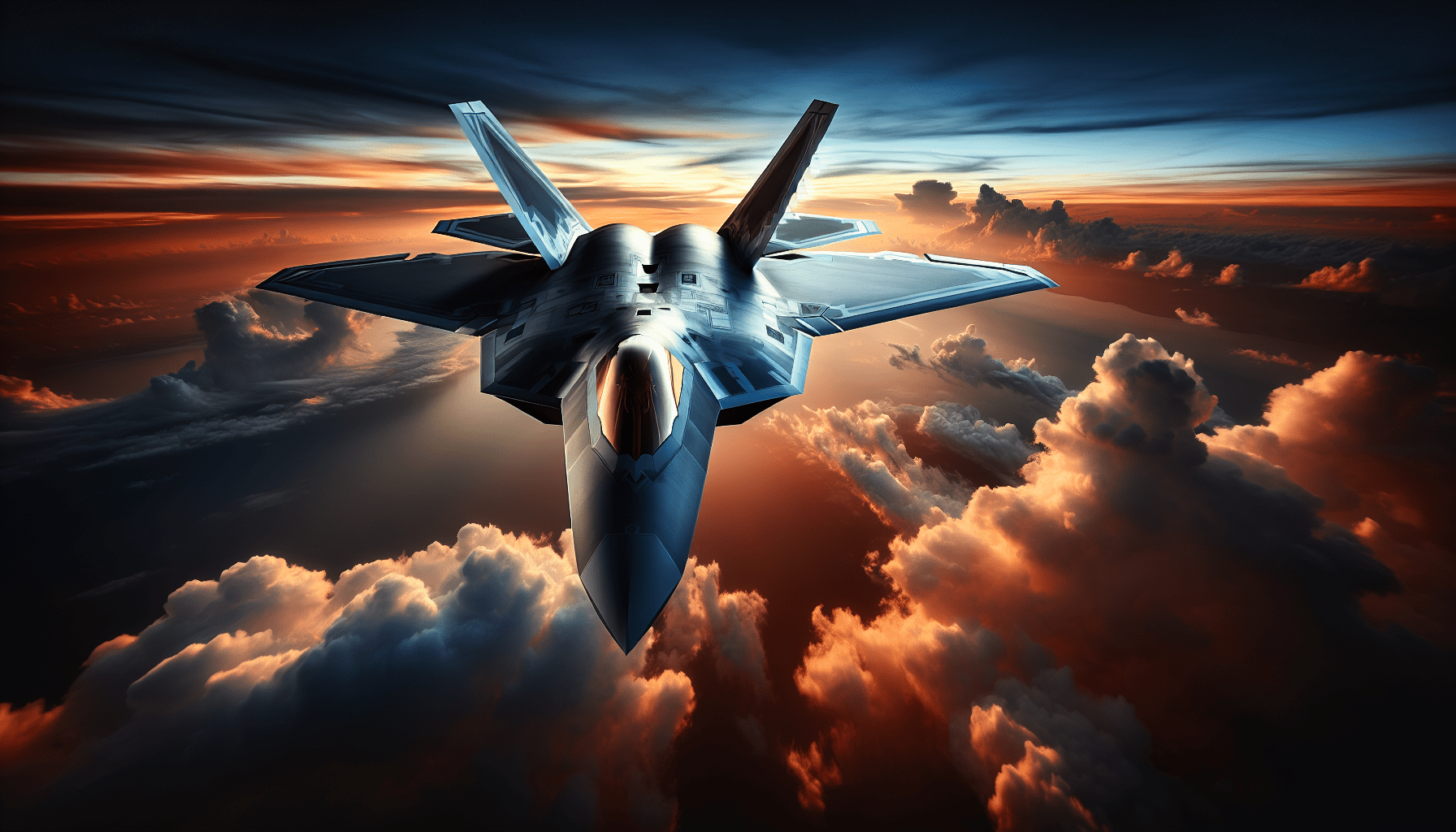
The Lockheed Martin F-22 Raptor is currently undergoing an extensive transformation aimed at bolstering its operational capabilities in the face of contemporary threats, particularly from near-peer adversaries like China. Announced in late 2021, the ambitious $11 billion upgrade plan is set to enhance the aircraft’s range and target detection, enabling it to better engage with advanced 4.5 and fifth-generation fighters. Key enhancements include the introduction of new stealth drop tanks and external pylons, which are designed to address previous limitations in fuel range and combat effectiveness, thereby ensuring that the Raptor remains a pivotal asset in future conflicts.
This article examines the specifics of the F-22 upgrade, highlighting significant technological advancements such as improved avionics and missile systems, which are crucial for maintaining U.S. air superiority. Additionally, it explores the ongoing debate within the U.S. Air Force regarding the aircraft’s future—whether to continue investing in its modernization or to shift focus towards the development of next-generation fighters. With emerging challenges and evolving operational requirements, the F-22’s upgrades reflect a strategic effort to adapt and ensure continued dominance in the skies.
Overview of the F-22 Raptor
Introduction to the F-22 Raptor
The Lockheed Martin F-22 Raptor, a marvel of engineering and technology, represents a significant advancement in the realm of modern aerial combat. Designed primarily as an air superiority fighter, the F-22 integrates stealth, agility, and advanced avionics to outperform its counterparts in various combat scenarios. From its inception in the 1980s, the development of the F-22 was driven by the need to maintain U.S. air dominance amid evolving global threats. As the first fifth-generation fighter aircraft, it set a precedent for the integration of cutting-edge technologies in aviation.
Significance of the F-22 in Modern Air Combat
The F-22 Raptor’s role in contemporary air combat cannot be overstated. Its unique combination of super-cruise capabilities, advanced stealth features, and multi-role operations allows it to engage both air-to-air and air-to-ground threats effectively. This combination enhances the U.S. Air Force’s strategic posture by ensuring rapid response to potential threats, particularly those posed by near-peer adversaries such as China and Russia. The F-22 continues to serve as a formidable force, providing a critical edge in maintaining air superiority and further influencing the tactics and strategies employed in aerial warfare.
Current Fleet Status and Capabilities
As of now, the F-22 fleet comprises 195 operational aircraft, each equipped with state-of-the-art systems designed to maximize combat effectiveness. Despite its proven capabilities, issues such as operational costs, maintenance demands, and limited availability have prompted discussions surrounding the F-22’s future. The aircraft’s performance, however, remains unmatched, and it continues to be an essential asset for U.S. air power, even as the military contemplates the introduction of sixth-generation fighters.
Details of the Upgrade Program
Announcement and Funding Details of the Upgrade
In late 2021, the U.S. Air Force announced a substantial upgrade program for the F-22 Raptor estimated to cost around $11 billion. This initiative aims to enhance the aircraft’s combat capabilities to better counter contemporary threats, particularly in the context of escalating competition with China. The upgrade reflects the urgency of maintaining air superiority amid advancements in adversary technologies, signaling a commitment to ensuring that the F-22 remains a pivotal component of U.S. air operations.
Timeline and Phases of the Upgrade Process
The upgrade program is set to unfold over the next decade, involving multiple phases that will address various aspects of the F-22’s performance. The process intends to incorporate advancements in stealth, avionics, and weapon systems, thereby reoptimizing the aircraft for future combat scenarios. Each phase of the upgrade will build upon prior improvements, ensuring that the aircraft remains competitive amidst the shifting landscape of aerial threats.
Scope of the Improvements Planned
The planned enhancements encompass a comprehensive range of upgrades including advanced avionics, improved communication systems, and new weapon capabilities. Additionally, the introduction of new stealth drop tanks and external pylons aims to enhance the F-22’s operational range and payload capacity. These improvements are designed to extend the aircraft’s lifecycle and efficacy, addressing previously identified limitations while ensuring that the Raptor can operate effectively well into the 2040s.
Technological Enhancements

Introduction of New Stealth Drop Tanks
A notable aspect of the F-22 upgrade program includes the development of new stealth drop tanks that are designed to enhance the aircraft’s operational range while preserving its low-observable characteristics. These tanks aim to improve fuel efficiency and reduce drag, thereby enabling longer missions and enhanced combat persistence. The stealth capabilities of these drop tanks play a crucial role in maintaining the F-22’s advantage in denying adversaries the ability to detect its presence during operations.
Implementation of External Pylons for Weaponry
The inclusion of external pylons for weaponry represents a significant evolution in the F-22’s combat capabilities. This enhancement allows for the deployment of more munitions while maintaining a stealth profile. By enabling the aircraft to carry additional weapon systems, the F-22 will be better equipped to engage a broader range of threats in various combat scenarios, thereby increasing its versatility and operational effectiveness.
Advancements in Avionics and Communication Systems
Improvements in avionics and communication systems are crucial components of the F-22 upgrade program. Advancements in these areas will enhance situational awareness, allowing the F-22 to effectively communicate and coordinate with other platforms within the U.S. military’s networked battle space. Upgraded systems will facilitate the sharing of critical data, improving decision-making and reaction times during engagements with adversarial forces.
Range Improvements
Addressing Operational Range Issues
One of the prominent challenges faced by the F-22 Raptor has been its operational range, particularly in the context of missions in the expansive Pacific Theater. Addressing this limitation is central to the upgrade program, as the need for extended operational reach becomes increasingly critical. The upgrades aim to improve the combat radius of the F-22, thereby enhancing its effectiveness in a region characterized by vast distances and complex geopolitical dynamics.
Role of Stealthy External Fuel Tanks
The introduction of stealthy external fuel tanks is expected to substantially improve the F-22’s range. These tanks are designed to provide additional fuel capacity while minimizing the radar cross-section, ensuring that the Raptor retains its stealth profile during operations. Enhancing the aircraft’s range not only allows for longer missions but also enables more versatile engagement strategies against adversaries who may seek to contest U.S. air superiority.
Expected Impact on Pacific Operational Capabilities
The upgraded range and capabilities of the F-22 are anticipated to significantly enhance U.S. operational strategies in the Pacific. With increased endurance and the ability to project power further into contested regions, the aircraft can respond more effectively to potential threats in scenarios involving near-peer competitors. This operational flexibility is essential for maintaining a credible deterrent and reinforcing U.S. commitments to allies in the region.
Detection and Targeting Enhancements
New Capabilities Against Near-Peer Fighters
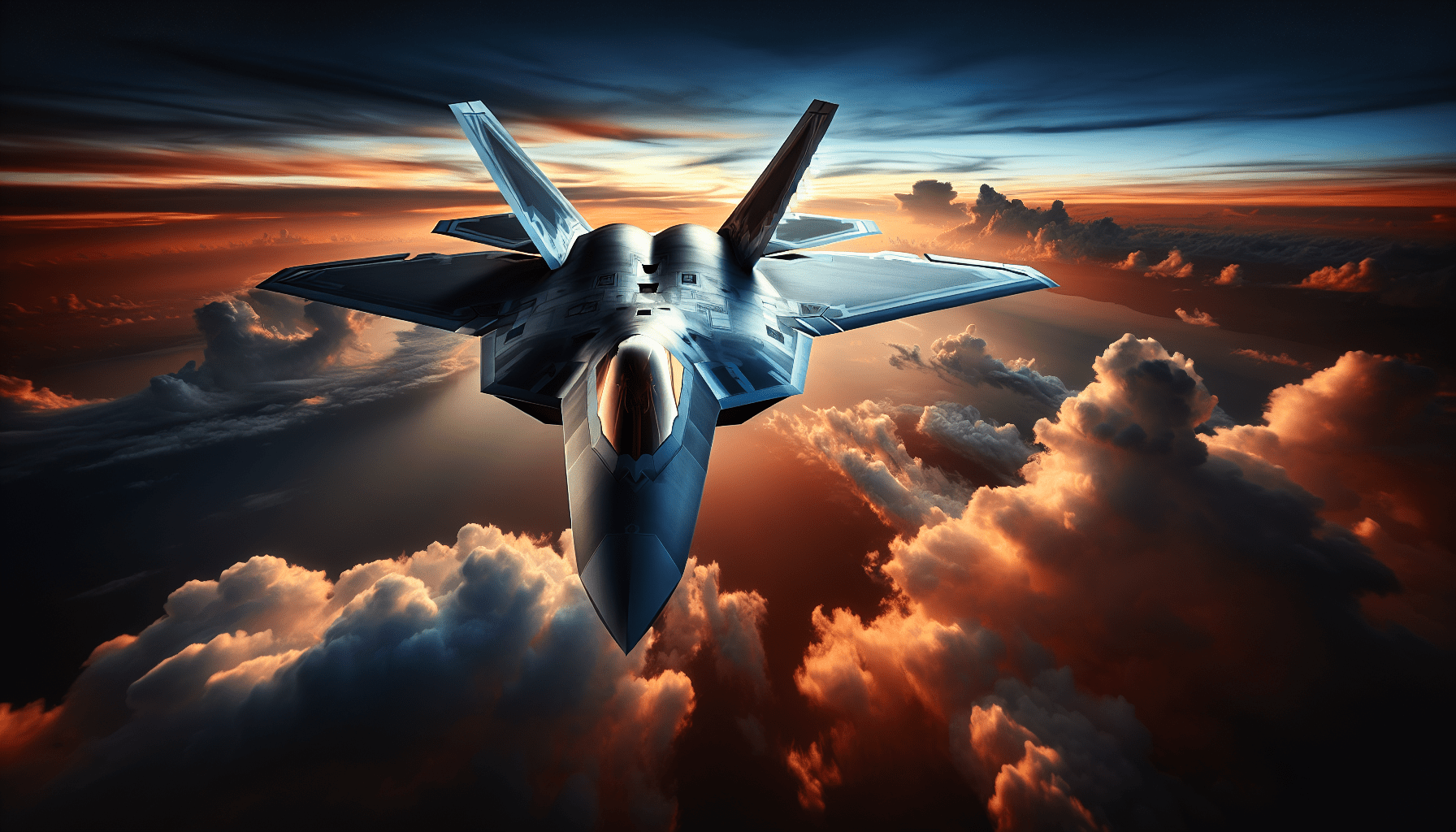
To enhance its effectiveness against near-peer adversaries, the F-22 is set to receive upgrades that improve its detection and targeting capabilities. These enhancements are particularly aimed at enabling the Raptor to engage advanced fighter jets more effectively. As combat scenarios evolve, ensuring that the F-22 can detect and confront contemporary threats is paramount for maintaining air superiority.
Integration of Advanced Missile Systems
The integration of advanced missile systems into the F-22’s arsenal is a key focus of the upgrade program. Improvements in weaponry, particularly with the introduction of next-generation missiles, will enhance the aircraft’s lethality in various combat scenarios. These upgrades will enable the F-22 to engage targets beyond visual range, thereby expanding its operational effectiveness and strategic options during engagements.
Overview of AIM-260 Joint Advanced Tactical Missile
A significant component of the F-22’s upgrade includes the incorporation of the AIM-260 Joint Advanced Tactical Missile. Currently in testing, this advanced missile is designed to provide extended range and improved targeting capabilities against adversarial aircraft. The AIM-260 is expected to enhance the F-22’s effectiveness in air-to-air engagements, strengthening its role as a leading edge in U.S. air power.
Strategic Implications for U.S. Air Power
Positioning the F-22 in Potential Conflicts with China
The strategic importance of the F-22 Raptor becomes even more pronounced in the context of potential conflicts with China. As tensions in the region continue to rise, the F-22 serves as a critical asset to deter aggression and ensure the security of U.S. interests. The enhancements being implemented through the upgrade program are geared toward ensuring that the F-22 can effectively operate in contested environments, thereby reinforcing U.S. military readiness.
Assessing the Impact on U.S. Air Superiority
The upgrades to the F-22 are critical for maintaining U.S. air superiority in light of emerging threats. By enhancing the aircraft’s capabilities, the U.S. Air Force seeks to address the challenges posed by near-peer adversaries and maintain a competitive edge in aerial combat. The continued investment in the F-22 underscores its irreplaceable role within the broader context of U.S. military strategy.
Comparative Analysis with 4.5 and 5th Generation Fighters
In the ever-evolving landscape of aerial warfare, the F-22 must continuously be assessed in relation to both 4.5 and fifth-generation fighters. While newer technologies and platforms may emerge, the F-22’s combination of stealth, speed, and versatility positions it uniquely in the hierarchy of modern combat aircraft. By continuously upgrading its capabilities, the U.S. Air Force aims to ensure that the F-22 remains a formidable adversary in any air combat scenario.
Ongoing Debates within the Air Force
Discussion on Upgrading Versus Retiring the F-22
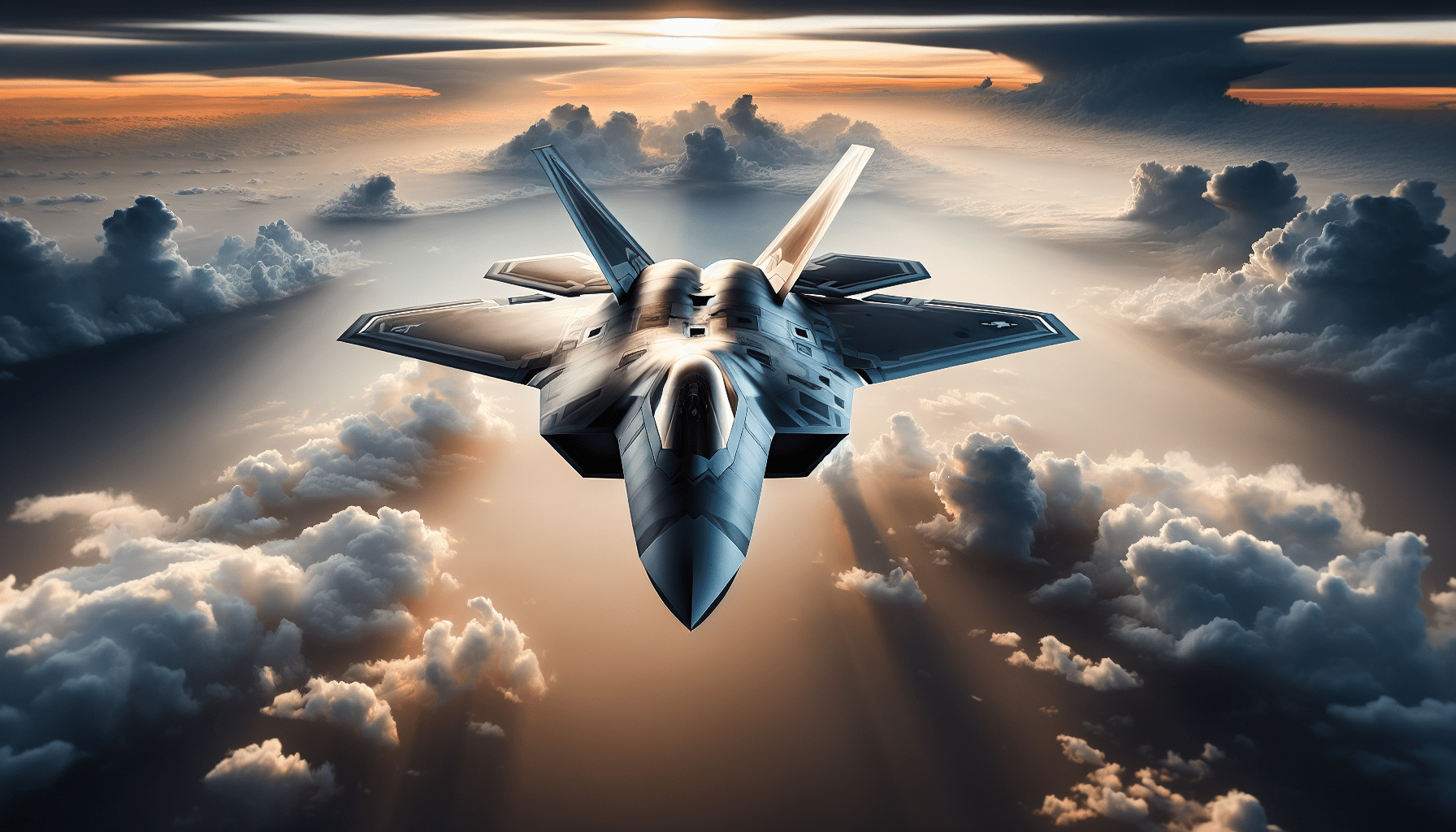
Despite its capabilities, there exists an ongoing debate within the Air Force regarding whether to invest in upgrading the F-22 or to anticipate the development of sixth-generation aircraft. Supporters of the upgrade argue that the Raptor remains a crucial asset that requires enhancements to remain competitive. Critics contend that resources could be more effectively allocated towards the future fighter programs that promise to incorporate next-generation technologies.
Future Perspectives on Sixth-Generation Air Combat
The prospect of sixth-generation air combat technologies is ushering in a new era of military aviation. As research and development continue, the Air Force is challenged to balance the immediate needs of current assets with long-term investments in next-generation capabilities. With the possible introduction of new systems capable of integrating artificial intelligence, hypersonic technologies, and improved stealth, the strategic landscape of aerial warfare is poised for transformation.
Balancing Resources Between F-22 and F-35 Programs
The question of resource allocation between the F-22 and F-35 programs presents a significant challenge for the U.S. Air Force. While both aircraft possess unique capabilities, effective management of budgets, personnel, and materials is vital. As each platform offers distinct advantages, the Air Force must ensure that investments bolster collective defense strategies without undermining operational readiness.
Challenges Facing the F-22 Program
Operational Costs and Budget Concerns
The F-22 program faces significant operational costs that raise questions regarding its long-term sustainability. As the aircraft requires sophisticated maintenance, the financial demands on the defense budget cannot be overlooked. The necessity for ongoing investment in training, parts, and upgrades prompts scrutiny over the practicality of sustaining the F-22 fleet in the face of escalated expenditure.
Maintenance Challenges and Fleet Readiness
Ensuring fleet readiness is a critical issue for the F-22 program. The complexity of the aircraft’s systems and the need for specialized maintenance teams create challenges in terms of availability. Operational commitments often demand a high level of readiness, which can be compromised by maintenance bottlenecks or technical issues.
Limited Availability Issues Impacting Deployment
The limited availability of F-22 aircraft presents a concern for U.S. military operations. Factors such as maintenance backlog and part shortages can inhibit operational deployment, potentially affecting mission success in critical strategic areas. As the Air Force works to enhance capabilities through upgrades, addressing these availability concerns remains a paramount task in maintaining the integrity of U.S. air power.
International Context
Evolving Threats from Russia and China
The landscape of global threats has evolved significantly, with both Russia and China enhancing their military capabilities to challenge U.S. superiority. In response, the F-22 Raptor is positioned as a pivotal element in countering these advances. The ongoing upgrades are designed to ensure that the aircraft remains equipped to contend with increasingly sophisticated adversaries and protect U.S. interests worldwide.
Global Military Trends Influencing U.S. Defense Strategy
Shifts in global military dynamics necessitate ongoing evaluations of U.S. defense strategies. The emergence of new technologies among competitor nations indicates a growing need for the U.S. to adapt and innovate in response to these challenges. The F-22 upgrades highlight the recognition of these trends and the imperative to maintain operational relevance amid global transformations.
Collaboration and Competition with Allied Nations
The role of international collaboration in enhancing military capabilities is crucial. As allies develop their platforms, opportunities for joint operations and interoperability become essential considerations. The F-22 serves not only as a deterrent but also as a platform that can facilitate cooperative engagements and enhance collective defense mechanisms among U.S. partners.
Conclusion
Summary of the F-22 Upgrade Program’s Goals
In summary, the F-22 upgrade program aims to enhance the aircraft’s capabilities to ensure it remains a central asset of U.S. air power. By addressing identified limitations through advanced technology and integration of new systems, the program seeks to optimize the Raptor for current and future combat engagements.
Anticipated Outcomes and Future Outlook
The anticipated outcomes of the F-22 upgrades include improved operational range, enhanced detection and targeting capabilities, and greater interoperability with allied forces. As these improvements come to fruition, the F-22 is expected to solidify its status as a critical component of U.S. air superiority and strategic deterrence.
Final Thoughts on the Importance of Ongoing Enhancements for U.S. Air Power
Ultimately, the F-22 Raptor exemplifies the necessity of continuous enhancement in the face of evolving global threats. The commitment to modernizing this aircraft is a testament to the U.S. Air Force’s dedication to maintaining a decisive edge in the realm of aerial combat. By investing in the Raptor’s capabilities today, the U.S. prepares for the challenges of tomorrow, underscoring the importance of strategic foresight in defense planning.