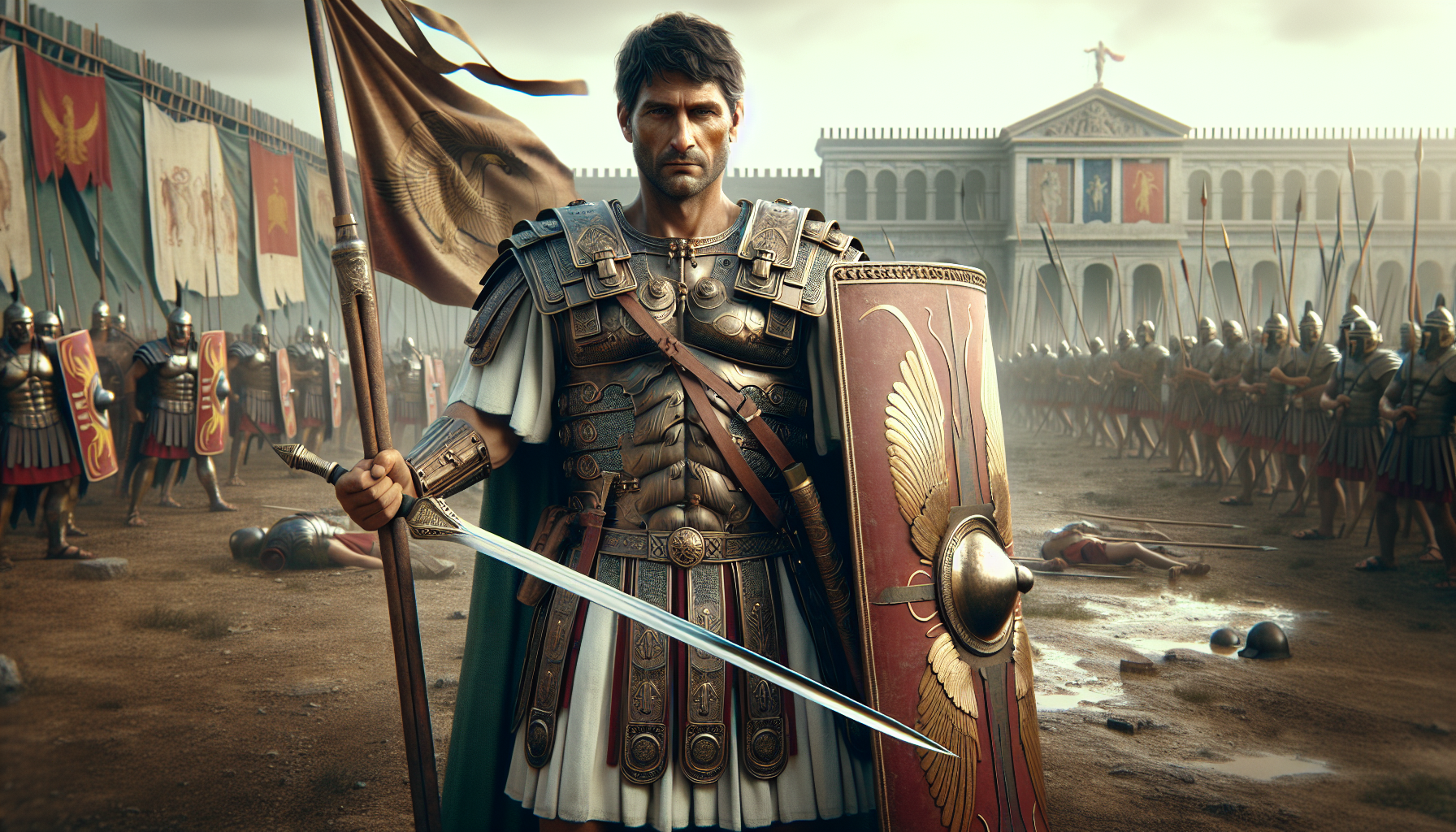
The transformation of the Roman military during the late antique period reflects a strategic evolution aimed at enhancing battlefield effectiveness. As traditional legions transitioned to a hybrid model influenced by the tactics of the Huns and Persians, cavalry forced their re-emergence as a critical component of warfare. This reorganization saw the introduction of heavy armored units, such as the clibanarii and cataphracti, alongside a more mobile infantry structure, fostering a flexible and responsive military force capable of adapting to the demands of conflict.
Central to this military renaissance was the formation of specialized regiments, particularly the bucellarii, who were distinguished by their loyalty, training, and superior resources. The integration of barbarian recruits as mercenaries and the utilization of foederati augmented Roman forces, creating a diverse, multi-ethnic army proficient in rapid maneuvers and sustained engagements. Such reforms not only revolutionized Roman tactics but also laid the groundwork for the military methodologies that would influence Byzantine armies in subsequent centuries.
The New Roman Army of Belisarius

Origins of the New Roman Army
Historical Context Before Belisarius
In the centuries leading up to the reign of Belisarius, the Roman military experienced profound transformations amid a changing geopolitical landscape. The traditional legions, characterized by their densely packed formations and reliance on heavy infantry, began to show signs of obsolescence as external pressures from barbarian tribes and Persian forces surged. The classical military structure, which once epitomized Roman dominance, started to falter under the weight of these multifaceted challenges, prompting a reevaluation of military strategies, structures, and doctrines.
Influence of Barbarian Tactics
The increasing threats posed by various barbarian groups, such as the Huns and Goths, led to a shift in military practices. The Romans observed these enemies employing rapid and mobile warfare, harnessing the effectiveness of cavalry units in ways that traditional legions could not. The Romans began to adapt these tactics, integrating lighter and more mobile units into their strategies. The lessons learned from these confrontations ushered in a necessity for a more versatile and dynamic military force, spurring developments that culminated in the New Roman Army.
Transition from Traditional Legions to a Hybrid Force
The transition from traditional legions to a hybrid military force marked a critical evolution in Roman military history. Roman commanders, recognizing that static formations were no longer adequate against the ever-changing tactics of their adversaries, embraced a combination of infantry and cavalry that allowed for greater flexibility on the battlefield. The emergence of these hybrid forces not only reflected the need for an effective response to external threats but also demonstrated a strategic evolution that laid the groundwork for future military engagements.
Key Innovations in Cavalry Tactics
Re-emergence of Cavalry as a Pivotal Force
As the New Roman Army took shape, cavalry emerged not just as a support unit but as a central component of battlefield strategy. Once marginalized during the height of Roman power, cavalry regained prominence as engagements increasingly shifted towards mobility and rapid advances. This enabled Roman forces to respond dynamically to threats and capitalize on the vulnerabilities of static formations employed by their enemies.
Role of Heavy Armored Units: Clibanarii and Cataphracti
Within the restructured cavalry, heavy armored units such as the clibanarii and cataphracti played a prominent role. These elite shock troops were outfitted with extensive armor, designed to withstand enemy projectiles while delivering devastating charges. Their formidable presence could disrupt enemy lines, creating openings for infantry to exploit. The ability to deploy such heavily armored units not only bolstered the Roman military’s capability for direct engagement but also represented an adaptation inspired by contemporary tactics observed in rival forces.
Function of Light Cavalry and Horse Archers
Complementing heavy cavalry were light cavalry units and horse archers, which introduced an additional layer of tactical flexibility. Light cavalry, agile and strategically maneuverable, excelled in reconnaissance missions and flanking maneuvers that confounded enemy formations. Horse archers, emulating the tactics of barbarian tribes, provided superior ranged capabilities, allowing for strikes against enemy troops from a distance without compromising on mobility. This combination of heavy and light cavalry effectively transformed Roman cavalry into a multifaceted fighting force.
Reorganization of Infantry Units
Shift from Static Lines to Flexible Formations
Concurrently with the evolution of cavalry, infantry units underwent substantial reorganization. The rigid, static lines typical of earlier legions gave way to more fluid and flexible formations. Commanders increasingly recognized the tactical advantages of adaptable units that could maneuver in response to battlefield conditions, effectively integrating with cavalry operations to surprise and outmaneuver enemy forces.
Structure and Size of the Standard Infantry Unit
Standard infantry units, termed arithmos in Greek or numerus in Latin, typically comprised 1,000 to 1,500 soldiers. This size allowed for effective command and control while facilitating strategic flexibility during engagements. Reinforcement by seasoned armored veterans further solidified the infantry’s role; they formed a fulcum or shield wall, providing a sturdy frontline behind which missile troops could operate undisturbed.
Integration of Missile Troops in Coordination with Infantry
As the infantry restructured, missile troops became essential components of the battlefield strategy. These soldiers utilized bows, javelins, and darts to deliver long-range fire in conjunction with infantry advances. The integration of missile troops into infantry operations ensured a continuous pressure on enemy formations, maximizing the overall effectiveness of Roman engagements and enhancing the synergy between different military branches.
The Bucellarii: The Elite Corps
Formation and Purpose of the Bucellarii
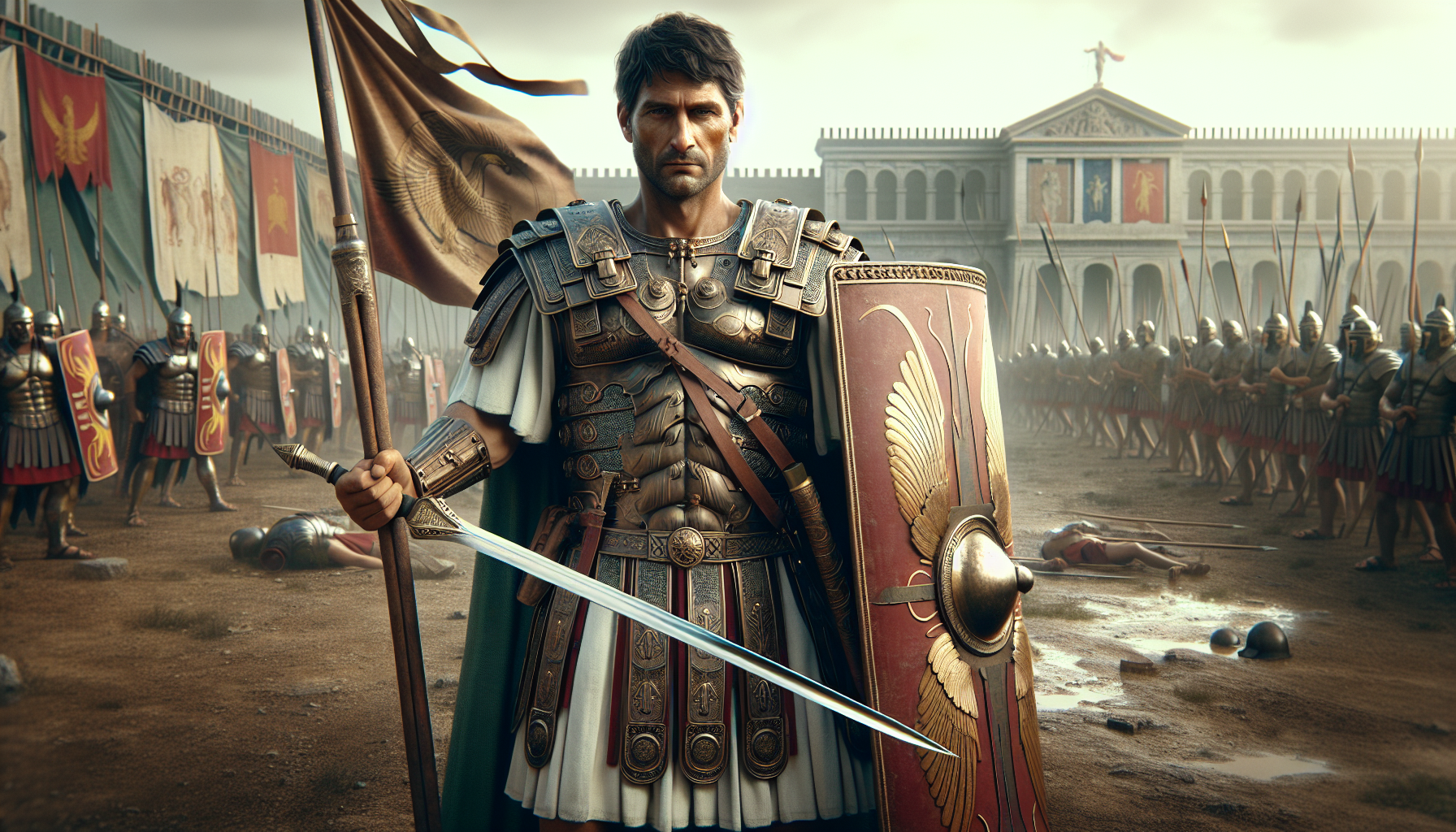
The Bucellarii, an elite corps within the New Roman Army, were established as personal regiments that offered distinct advantages to their soldiers. Named after the army rations known as “biscuit-eaters,” these troops consisted mainly of long-serving veterans, assuring higher morale and loyalty to their commander. Designed to create a cadre of professional soldiers, the Bucellarii embodied the prestige and excellence that the reformed military aimed to cultivate.
Benefits for Long-Serving Soldiers
The formation of the Bucellarii also reflected an understanding of veterans’ needs, offering attractive incentives such as elevated pay, specialized equipment, and a formal oath of loyalty. This focus on rewarding long-serving soldiers created a sense of commitment and elite status within the ranks, fostering not just loyalty but also enhanced combat effectiveness due to seasoned experience.
Significance of Loyalty Oaths in Military Structure
Loyalty oaths played a crucial role in solidifying the military structure. By pledging their allegiance to their commander, the Bucellarii established a personal bond that transcended conventional military hierarchies. This loyalty was pivotal during campaigns, as it bred an atmosphere of trust and cohesion on the battlefield—allowing the regiments to operate with a unified sense of purpose.
Integration of Barbarian Troops
Introduction of Foederati into Roman Ranks
In response to the shifting dynamics of warfare and the need for manpower, Roman forces increasingly integrated barbarian troops, known as foederati, into their military ranks. These auxiliaries offered valuable combat experience and unique skills, bridging the gap between traditional Roman soldiers and non-Roman forces. This integration reshaped the composition of the Army, enhancing its strength and versatility.
Command Structure and Autonomy of Barbarian Recruits
The integration of foederati was not without challenges. The command structure had to accommodate these recruits, allowing them autonomy while ensuring cohesion within the larger Roman military framework. Barbarian leaders often retained command of their units, fostering a dual hierarchy that combined Roman military discipline with the dynamics of various local customs. This careful balancing act allowed the Romans to leverage the advantages offered by their new allies while maintaining essential command authority.
Impact on the Military Composition and Strategy
The influx of foederati had a significant impact on military composition and strategy. This diversification allowed the Romans to adopt new tactics, employing the unique skills of barbarian recruits, such as cavalry maneuvers and irregular warfare. The result was a more dynamic force that was better equipped to adapt to the changing nature of conflict, particularly in the late antique period.
Military Strategies of Belisarius
Campaigns Against the Persians
As one of the most formidable generals of the 6th century, Belisarius adeptly orchestrated campaigns against the Sasanian Persians, particularly noting the significance of cavalry during these encounters. His strategies often incorporated rapid maneuvers coupled with strong cavalry engagements, allowing for surprise attacks and decisive victories over a more traditionally organized enemy.
Engagement with Gothic Forces
Belisarius’s expertise extended to the Gothic Wars, where his innovative tactics once again came to the forefront. Utilizing the lessons gleaned from prior conflicts, he implemented guerrilla-style tactics that capitalized on Roman mobility against Gothic formations. His ability to adapt to diverse enemy strategies underscored the efficacy of the New Roman Army’s hybrid capabilities.
Innovative Tactics in Siege Warfare
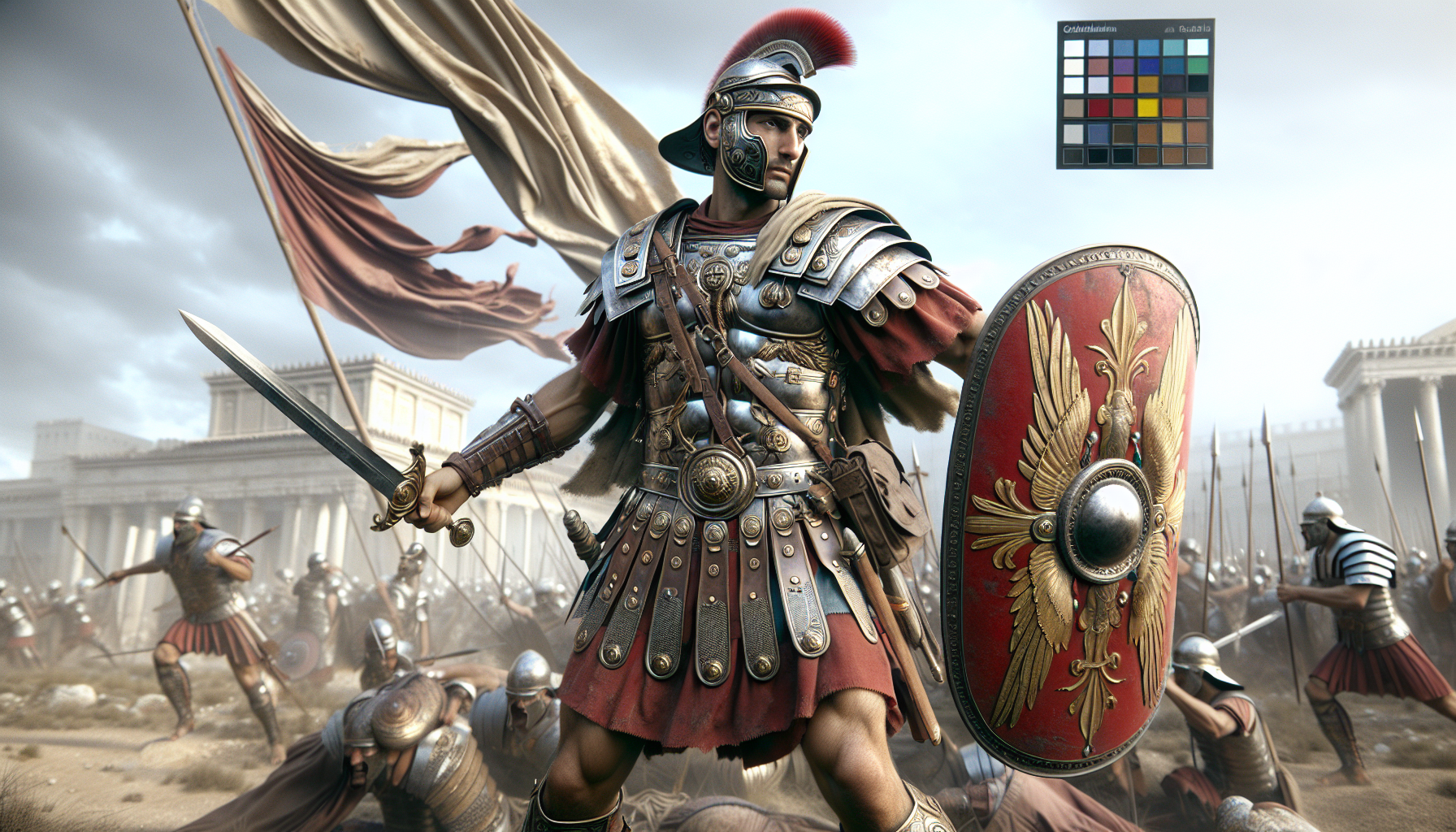
Belisarius also revolutionized Roman approaches to siege warfare. By adopting combined arms strategies that integrated the firepower of missile troops with the maneuverability of cavalry, he could effectively besiege fortified cities while maintaining fluidity and adaptability. His campaigns served as blueprints for future military engagements and underscored the importance of tactical innovation.
Logistics and Supply Chain Management
Importance of Supply Lines in Military Success
The study of Belisarius’s campaigns also reveals a critical dependency on logistics and supply chain management. Successful military operations necessitated robust supply lines to ensure troop readiness and morale. The Romans employed meticulous planning in resource allocation, ensuring that armies remained well-fed and equipped in the face of protracted engagements.
Role of Rations like Biscuits for Troop Morale
Rations such as biscuits, the namesake of the Bucellarii, played an important role in maintaining troop morale. Reliable food supplies not only powered soldiers but also created a sense of trust in their command structures. The efficient management of food and supplies contributed significantly to combat effectiveness, reinforcing the connection between logistical planning and military success.
Coordination of Resources for Sustained Campaigns
To sustain extended campaigns, Belisarius recognized the necessity of resource coordination. Effective logistics included not only the provisioning of food and equipment but also the establishment of forward supply depots. This foresight minimized disruptions and ensured that forces could respond swiftly to enemy actions, embodying the principles of modern military logistics that remain relevant today.
Command Structure and Leadership
Belisarius’s Leadership Style
Belisarius’s leadership style was marked by decisiveness and an uncanny ability to inspire loyalty among his troops. He cultivated a collaborative command approach, engaging subordinate officers in strategic planning while ensuring that they felt valued and respected. This approach fostered unit cohesion and enhanced operational effectiveness, allowing him to achieve remarkable successes with limited resources.
Influence of Command Hierarchy on Operations
The command hierarchy established under Belisarius played a crucial role in facilitating efficient operations. He maintained clear lines of communication between different ranks and encouraged initiative among his officers. This empowered his subordinates to make critical decisions in the heat of battle, promoting a culture of competence and accountability that was essential for success.
Relationships with Subordinate Officers and Troops
Belisarius was renowned for his capacity to build strong relationships with both officers and enlisted soldiers. His empathetic leadership style fostered an environment of mutual respect, where soldiers understood that their well-being was a priority. Such rapport resulted in increased loyalty and commitment to the objectives of the military, critical attributes that drove Roman successes in various campaigns.
Cultural and Ethnic Diversity Within the Army
Integration of Multiple Ethnic Groups
Cultural and ethnic diversity within the New Roman Army marked a significant departure from earlier military practices. The incorporation of soldiers from various backgrounds, including barbarians and local populations, facilitated a blending of combat techniques and traditions. This multi-ethnic force exemplified Rome’s ability to adapt and grow stronger in the face of new challenges.
Cultural Influences on Combat Strategies
Diversity within the ranks enriched Roman tactical strategies. Soldiers brought unique perspectives and experiences from their respective cultures, providing a wellspring of innovative approaches to combat. The assimilation of different martial traditions ultimately refined Roman strategies and enhanced their capability to engage in complex military scenarios.
Effects of Diversity on Unit Cohesion and Morale
While diversity strengthened the army in various capacities, it also posed challenges related to cohesion and morale. Belisarius addressed these potential issues by fostering an inclusive environment and ensuring that shared objectives transcended ethnic differences. By emphasizing common goals and collective identity, he maintained unit cohesion, ultimately leading to a more resilient and effective fighting force.
Conclusion
Summary of the New Roman Army’s Evolution
The evolution of the New Roman Army under Belisarius represents a profound transformation that encapsulated military innovation and strategic adaptability. By integrating cavalry with infantry, reorganizing units, and embracing diverse recruits, Rome became a formidable force that could contend with increasingly complex threats during late antiquity.
Reflecting on Belisarius’s Impact on Military History
Belisarius’s influence on military history extends beyond his immediate successes; he embodies the principles of innovation and adaptability that define effective military leadership. His campaigns serve as vital examples for future military strategists, illustrating the importance of flexibility and incorporation of varied tactics to confront diverse challenges.
The Relevance of These Reforms in Understanding Modern Military Practices
The reforms pioneered during this period resonate with the complexities of modern military practices. As contemporary armed forces navigate an ever-evolving landscape marked by rapid technological advancements and diverse operational theaters, the legacy of Belisarius and the New Roman Army remains a relevant touchstone for understanding the dynamics of effective military organization and strategy.