
The recent proliferation of the Rheinmetall Lynx Infantry Fighting Vehicle (IFV) in various international defense discussions signals a significant shift in military procurement strategies. With nations such as the United States considering it as a viable replacement for the Bradley Fighting Vehicle and numerous European countries investing in its production, the Lynx presents a compelling case for modernization within existing armed forces. Additionally, Germany’s commitment to fund Lynx vehicles for Ukraine underscores its strategic relevance in contemporary conflicts.
This article seeks to analyze the underlying factors contributing to the Lynx’s rising prominence. Key aspects such as its advanced firepower, robust armor, superior mobility, and modular design will be examined, alongside its appeal to a diverse range of potential customers, including Hungary, Italy, and Canada. Ultimately, a comprehensive exploration of the Lynx’s capabilities and the various strategic interests at play will illuminate the reasons behind its increasing visibility and significance in the global defense landscape.
Overview of the Lynx IFV

Definition and Purpose
The Lynx Infantry Fighting Vehicle (IFV), developed by Rheinmetall, represents a significant advancement in modern military technology. Designed to transport troops while providing direct fire support, its primary purpose is to enhance the operational capabilities of ground forces. The Lynx is a versatile platform that can be adapted for various combat roles, thereby providing militaries with a robust solution for contemporary battlefield demands.
Historical Context
The development of the Lynx IFV is rooted in a larger trend towards modernization and increased lethality in military vehicles. As nations reassessed their defense strategies following various conflicts, there emerged a necessity for vehicles that could meet evolving threats, including asymmetric warfare. The Lynx, introduced in the mid-2010s, aims to bridge the capability gap between older models, such as the Bradley IFV, and the demands of modern combat.
Key Features and Specifications
Equipped with state-of-the-art technology, the Lynx IFV boasts modularity, allowing for unique configurations tailored to specific missions. Key specifications include a combat weight of approximately 30 tons, a maximum speed of 70 km/h on paved roads, and a combat range of around 600 kilometers. The vehicle incorporates an advanced suspension system and can navigate various terrains effectively.
Firepower Capabilities
Armament Options
The Lynx IFV is outfitted with a variety of armament systems, including a 30mm or 40mm cannon and an anti-tank missile launcher, depending on the configuration. This versatility allows it to engage both infantry and armored targets effectively. The integration of remotely operated weapon stations enhances survivability, permitting gunners to operate from within the vehicle.
Effective Range and Fire Rate
The effective firing range of the Lynx’s primary armament is approximately 3,000 meters, ensuring that it can engage threats from a safe distance. The fire rate of its cannon can reach up to 200 rounds per minute, ensuring a responsive and sustained fire capability during engagements.
Comparison to Bradley Fighting Vehicle
In contrast to the Bradley Fighting Vehicle, which has been a stalwart in U.S. military operations for decades, the Lynx presents a more modern solution. While the Bradley is effective, its heavier weight and aging technology limit flexibility in rapid deployment scenarios. The Lynx’s advanced firepower options and modular design promise superior operational performance across diverse combat environments.
Armor and Survivability
Armor Composition and Technology
The Lynx IFV utilizes advanced composite armor and modular protection systems. This layered approach not only enhances ballistic protection against small arms fire but also provides countermeasures against improvised explosive devices (IEDs). The design allows for quick upgrades, ensuring that the vehicle can adapt to new threats as they emerge.
Blast and Ballistic Protection
The vehicular structure incorporates enhanced survivability features, such as a V-shaped hull that effectively deflects blasts from mines and IEDs. The overall protection level is further augmented by electronic warfare systems that mitigate the risks of guided missiles and other advanced threats.
Survivability in Combat Scenarios
Field tests indicate that the Lynx performs exceptionally well in combat scenarios, displaying a high degree of survivability. Its advanced armor and active protection systems have garnered positive assessments from military analysts, indicating a reduced casualty risk for crew and dismounted personnel during engagements.
Mobility and Powertrain
Engine Specifications
The Lynx IFV is powered by a powerful diesel engine producing around 600 horsepower. This engine configuration facilitates a favorable power-to-weight ratio, enabling swift maneuverability and acceleration during critical combat situations.
Speed and Terrain Capability
Achieving speeds up to 70 km/h, the Lynx is capable of operating in diverse terrains, including urban environments and rugged landscapes. Its off-road capabilities allow for strategic maneuvers, which are essential during reconnaissance missions or when evolving battlefield dynamics necessitate rapid repositioning.
Comparison to Other IFVs
When compared to other Infantry Fighting Vehicles such as the French VBCI or the South African Ratel, the Lynx offers enhanced agility and a superior operational range. The vehicle’s engine efficiency is also a notable feature, allowing for extended missions without the need for frequent refueling in critical situations.
Sensors and Networking Systems
Advanced Targeting Systems
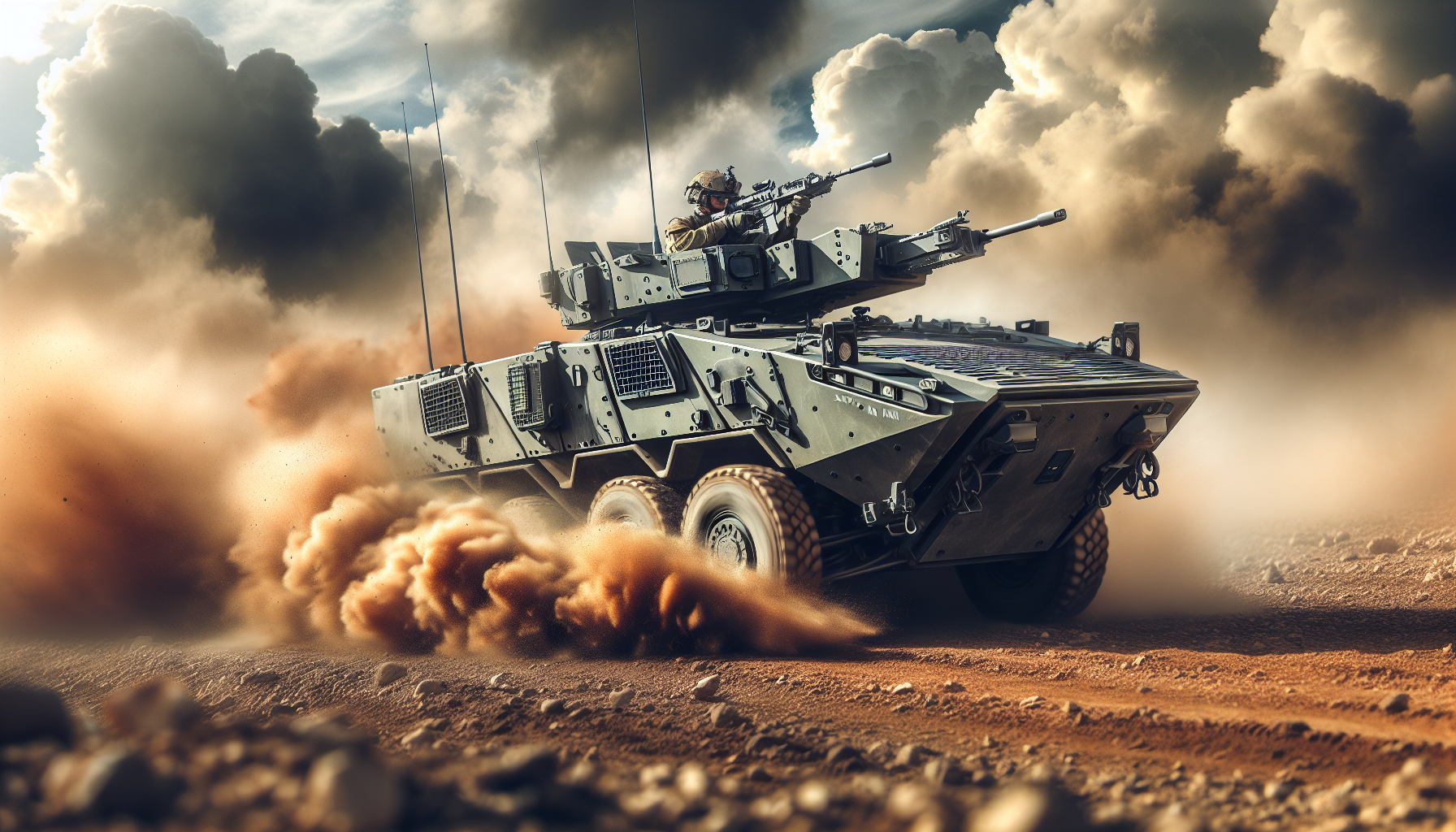
The Lynx IFV is equipped with cutting-edge sensors and targeting systems, incorporating both optical and infrared capabilities. This technology allows for accurate target identification and engagement under various visibility conditions, significantly increasing combat readiness.
Communication and Data Sharing
In an age of information warfare, the Lynx’s advanced communication systems facilitate real-time data sharing among units and command centers. This interconnectedness allows for better situational awareness, enhancing the effectiveness of joint operations.
Impact on Operational Effectiveness
The integration of sophisticated sensors and communication technologies translates into improved operational effectiveness. By facilitating real-time information exchange, the Lynx enables tactical decision-making that can be swiftly adjusted to reflect shifting battlefield dynamics.
Crew and Dismounts
Crew Configuration and Roles
The Lynx IFV typically accommodates a crew of three along with a capacity for up to six dismounted infantry. Crew roles are defined clearly, with members specializing in operations, weapon systems management, and vehicle navigation, ensuring optimal functionality during missions.
Dismount Capability and Transport
In addition to troop transport, the Lynx provides dismounted infantry with a platform for rapid deployment and extraction. The vehicle’s design includes access hatches and ramp systems that facilitate swift disembarkation, essential for maintaining momentum in active combat scenarios.
Training Requirements for Crews
Effective operation of the Lynx requires comprehensive training for the crew, encompassing both vehicle operation and tactical engagement protocols. National militaries investing in the Lynx must prioritize training programs to maximize the effectiveness and safety of their personnel.
Variants of the Lynx
Different Configurations Available
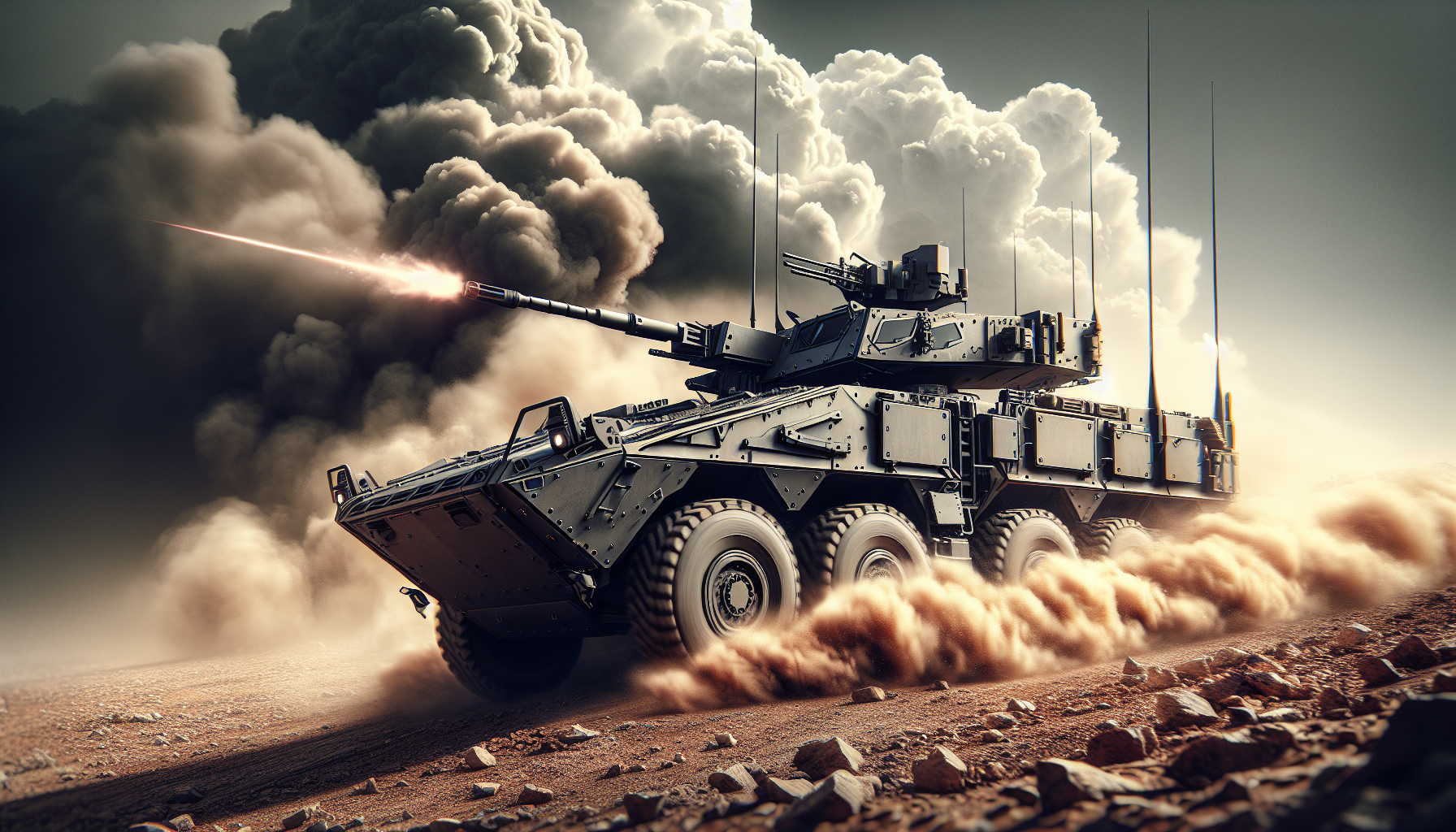
The Lynx IFV is presented in various configurations tailored for specific military needs, including command and control variants, reconnaissance models, and armored ambulances. This flexibility demonstrates Rheinmetall’s commitment to meeting diverse operational requirements.
Specific Roles and Missions
Each variant is designed to fulfill particular roles, such as troop transport, battlefield intelligence gathering, and logistical support. By accommodating different roles within the same platform, the Lynx reduces logistical burdens associated with maintaining multiple vehicle types.
Customization Options for Customers
Rheinmetall offers a high degree of customization for the Lynx, allowing countries to tailor vehicle specifications and configurations to align with specific military doctrines and operational needs. This adaptability enhances the Lynx’s appeal to a broad range of prospective customers.
Global Interest in the Lynx
Countries Pursuing Lynx Purchases
The international response to the Lynx IFV has been overwhelmingly positive, with countries such as Hungary, Italy, Germany, and Canada expressing strong interest. The vehicle’s capabilities align with the defense requirements of these nations, particularly in light of shifting geopolitical landscapes.
Partnerships and Joint Ventures
Rheinmetall has pursued partnerships and joint ventures to facilitate local production and technology transfer. Such collaborations not only support economic growth in partner nations but also enhance operational integration during combined military exercises.
Impact of Geopolitical Climate on Sales
The current geopolitical climate significantly influences military procurement decisions. The Lynx’s emergence as a viable alternative to aging platforms is a direct reaction to expanding defense needs in Europe and beyond, often driven by shifting power dynamics and increased threats from non-state actors.
The Lynx in Military Exercises
Participation in NATO Exercises
The Lynx IFV’s deployment in NATO exercises has highlighted its capabilities alongside other allied forces. These exercises serve as a demonstration of its combat readiness and interoperability, key assets in collective defense scenarios.
Field Performance Analysis
Feedback from military operators participating in these exercises emphasizes the Lynx’s superior mobility, firepower, and protection. Such assessments play a critical role in identifying areas for further enhancement and provide valuable insights into operational implementation.
Feedback from Military Operators
User feedback regarding the Lynx has largely been favorable, focusing on its operational efficiency and adaptability in various scenarios. The combination of solid performance metrics and positive operator experiences indicates a promising outlook for the vehicle’s future integration into modern military forces.
Conclusion
Summary of Key Points
In sum, the Lynx IFV represents a significant advancement in the realm of infantry fighting vehicles. Its modular design, advanced technological capabilities, and robust protection systems make it an attractive option for numerous militaries around the globe. As nations reassess their defense strategies, the Lynx’s versatility and effectiveness position it well within the modern military landscape.
Final Thoughts on the Lynx IFV’s Future
As the global security environment continues to evolve, the Lynx will likely remain a central figure in discussions about future infantry fighting vehicles. The ongoing interest from multiple countries and its positive reception in military exercises suggest that the Lynx will have a lasting impact in both contemporary and future defense contexts.
Implications for the Defense Industry
The Lynx’s emergence as a preferred solution among various militaries may signal a broader shift in procurement strategies within the defense industry. As demands for adaptable, high-performance vehicles rise, manufacturers will need to refine their approaches to meet the needs of modern armed forces. The Lynx IFV exemplifies the cutting-edge trends driving the next generation of military vehicles and the future of defense technology.