
Lockheed Martin has recently unveiled the Lamprey, an innovative multi-mission autonomous undersea vehicle (MMAUV) designed to enhance naval operations. This vehicle is engineered to attach itself to ships and submarines, enabling it to covertly access operational theaters. Once deployed, Lamprey is capable of executing various missions, including undersea surveillance, seabed operations, and electronic disruption, as well as launching unmanned aerial vehicles (UAVs). This article will explore the functionalities of Lamprey, its integration into the Navy’s strategy for unmanned underwater vehicles (UUVs), and its relevance within the evolving framework of undersea warfare.
Furthermore, a comparative analysis will be conducted between Lamprey and other notable U.S. undersea programs, such as DARPA’s Manta Ray and Boeing’s Orca XLUUV. Critical examination of Lamprey’s potential limitations, including endurance and communication capabilities, will be addressed alongside considerations regarding the Navy’s acquisition decisions. Through this discussion, you will gain insight into the implications of this technological advancement on maritime operations and national security.

Overview of the Lamprey Underwater Drone
Introduction to Lockheed Martin’s Innovation
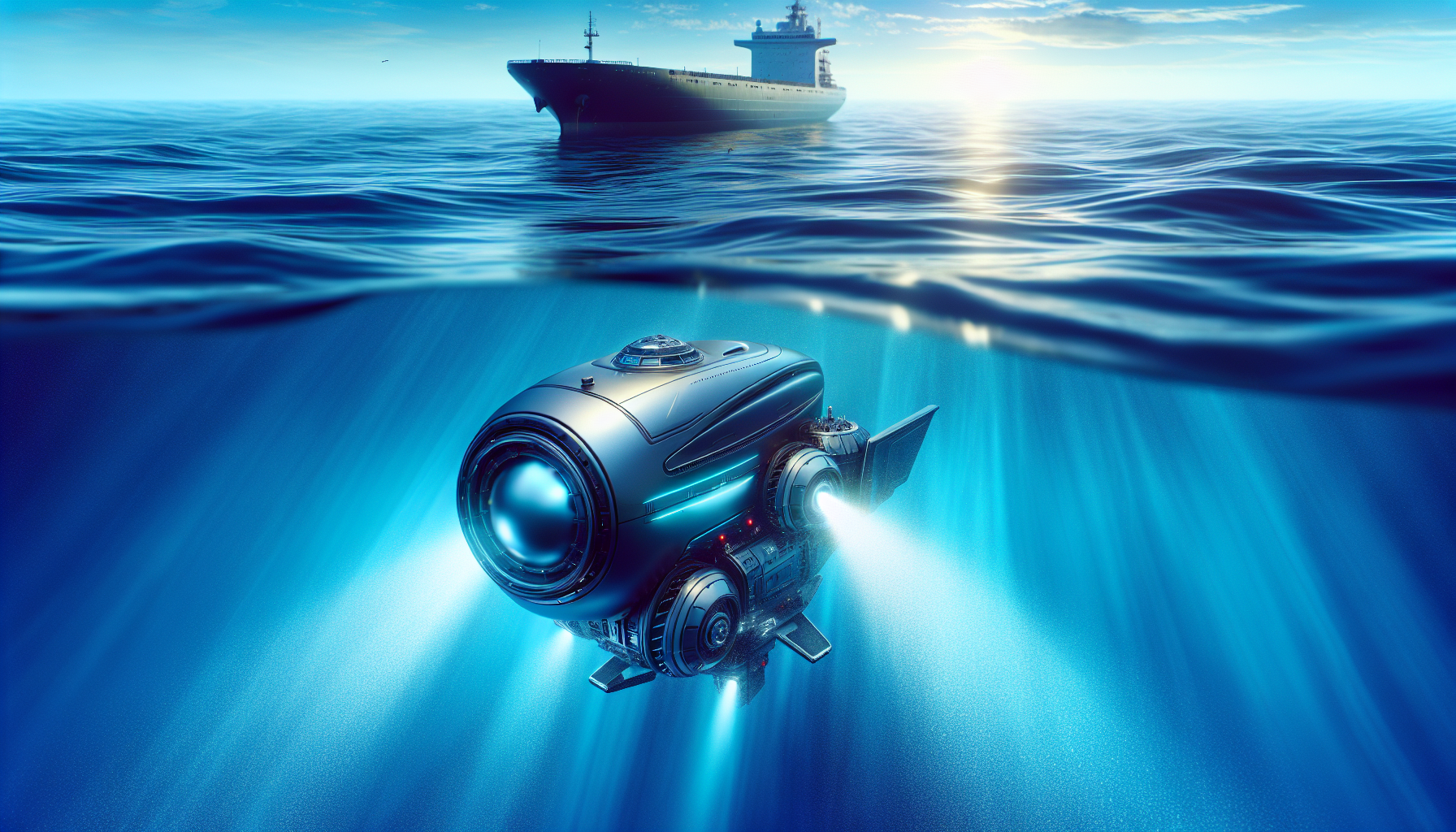
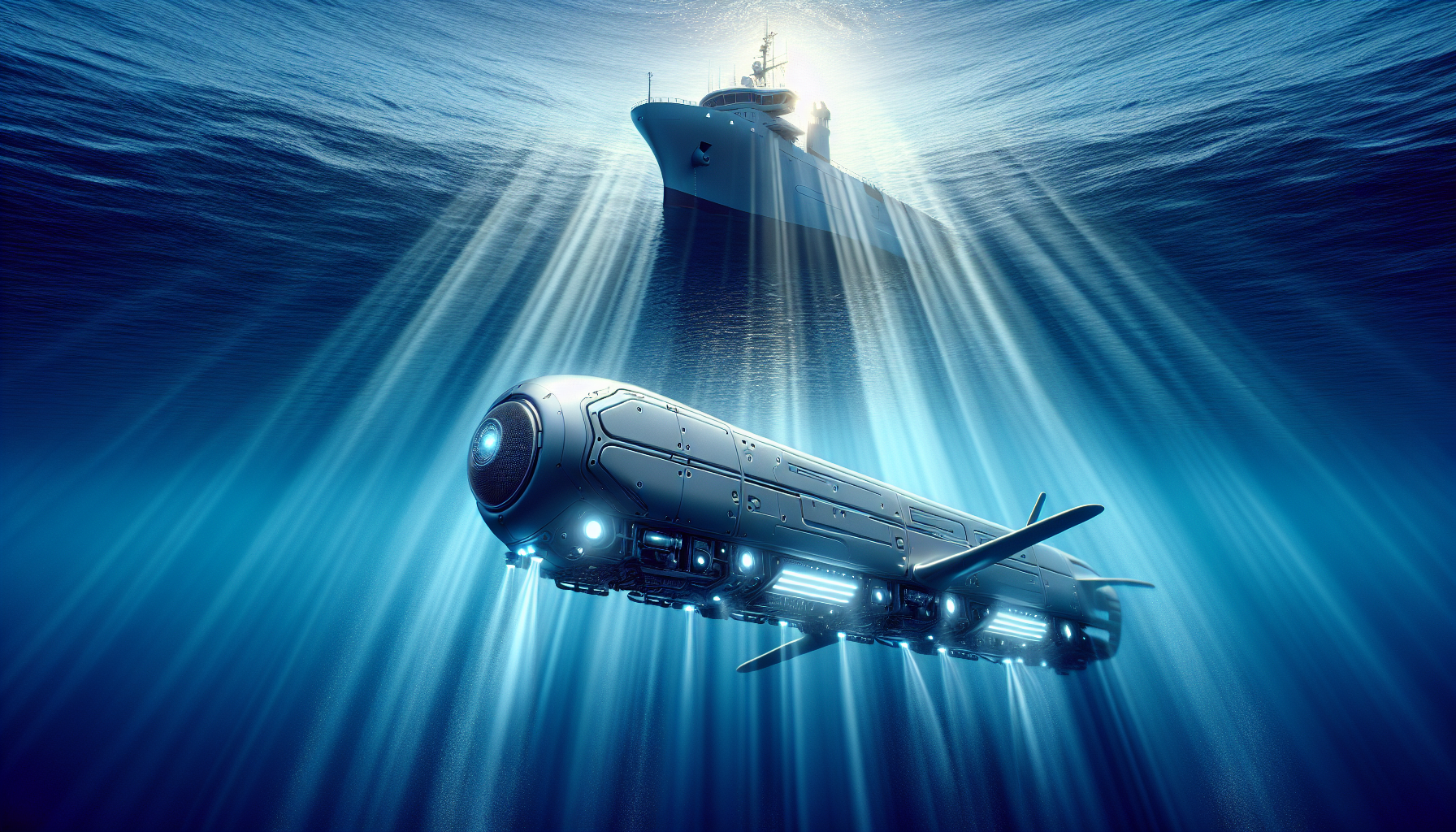
Lockheed Martin’s unveiling of the Lamprey drone marks a significant advancement in the realm of unmanned underwater vehicles (UUVs). This multi-mission autonomous undersea vehicle (MMAUV) is designed with versatility in mind, embodying a new paradigm in underwater warfare and surveillance. The Lamprey can attach itself to ships and submarines, effectively utilizing these platforms for transportation into mission-critical regions before detaching to execute various operations. This innovative approach to mobility and mission execution elevates the operational capabilities of naval forces, allowing for enhanced strategic reach in contested maritime environments.
Design Features of the Lamprey Drone
The design features of the Lamprey drone have been meticulously crafted to fulfill a broad spectrum of mission requirements. Its form factor allows it to seamlessly adhere to larger vessels, reducing its radar profile and enabling covert operations. The aerodynamic contours of the drone minimize drag while its robust hull construction ensures resilience against the demanding conditions of underwater environments. Additionally, advanced materials used in its construction aid in reducing acoustic signatures. Integrated with propulsion systems capable of agile maneuvering, the Lamprey is equipped to navigate through complex underwater terrains while maintaining stability during various operational tasks.
Technical Specifications and Capabilities
The technical specifications of the Lamprey drone showcase a formidable array of capabilities. It operates autonomously with sophisticated sensors that provide real-time data processing and threat detection. The vessel’s autonomy allows it to execute pre-defined missions without direct human intervention, streamlining operations in dynamic maritime settings. Furthermore, the Lamprey possesses the ability to launch small unmanned aerial vehicles (UAVs), significantly expanding its operational flexibility. With enhanced endurance and efficient energy systems, it is capable of extended missions, though these traits are balanced against inherent limitations in endurance and communication systems.
Operational Functionality of the Lamprey
Mission Profiles Supported by Lamprey
The Lamprey drone is designed to support various mission profiles that are critical to modern naval operations. These include undersea surveillance, seabed operations, and the deployment of decoy and electronic disruption systems. The ability to perform reconnaissance and gather intelligence from beneath the surface enhances situational awareness for naval commanders, allowing for informed decision-making. Seabed operations, such as environmental monitoring or search and recovery missions, further extend the operational scope of this UUV, providing vital data to support naval engagements.
Undersea Surveillance Techniques
Undersea surveillance techniques employed by the Lamprey capitalize on its ability to operate covertly. Utilizing advanced sonar and sensor technologies, the drone can detect and identify objects in underwater environments without revealing its own position. These capabilities allow for the monitoring of maritime traffic and the identification of potential threats to naval assets. Additionally, the integration of artificial intelligence-driven analytics further enhances its ability to provide actionable intelligence from complex datasets.
Decoy and Electronic Disruption Capabilities
The Lamprey’s operational versatility is augmented by its capabilities in electronic warfare. The drone can deploy decoys that distract or confuse enemy sensors, thereby protecting naval vessels from detection and targeting. It also possesses electronic disruption technologies that can interfere with adversary communication networks, effectively diminishing their situational awareness during confrontational scenarios. These functions contribute to the strategic depth of naval operations, where deception plays a vital role in ensuring mission success.
UAV Launching Mechanism and Efficiency
The capability to launch UAVs adds a new dimension to the Lamprey’s operational efficiency. The design includes a specialized launching mechanism that enables rapid deployment of aerial assets in response to emerging threats or opportunities. This integration allows for a seamless transition from underwater operations to aerial reconnaissance, making the Lamprey a versatile tool in naval engagements. The efficiency of this launching mechanism is critical for maintaining the operational tempo required in fast-paced military environments.
Integration with Naval Operations
Role of Lamprey in Distributed Maritime Operations
The integration of the Lamprey drone into distributed maritime operations represents a pivotal shift in contemporary naval strategy. By distributing the operational workload among multiple unmanned assets, naval forces can enhance their resilience and adaptability in contested waters. The Lamprey enhances the situational awareness across the force’s operations, ensuring commanders have access to comprehensive data streams that inform tactical decisions in real time.
Alignment with Navy’s Unmanned Underwater Vehicle Strategies
Lockheed Martin’s Lamprey aligns closely with the United States Navy’s objectives in expanding its fleet of unmanned underwater vehicles. The Navy has set a strategic direction towards integrating UUVs into its operations to address evolving threats and challenges in maritime domains. The capabilities offered by the Lamprey complement existing systems within the Navy’s arsenal, enabling a more integrated approach to unmanned warfare.
Impact on Undersea Warfare and Infrastructure Protection
The advent of the Lamprey drone has far-reaching implications for undersea warfare and the protection of critical maritime infrastructure. With increasing threats directed at undersea cables and other vital assets, the Lamprey serves as both a deterrent and a protective measure. Its ability to monitor and respond to threats in real time enhances the security of these infrastructures, ensuring the continuity of operations for both military and commercial entities.
Comparison with Other Undersea Programs
Overview of DARPA’s Manta Ray
DARPA’s Manta Ray is another significant contender in the UUV landscape, designed to focus on long-endurance operations and advanced payload capabilities. While both the Manta Ray and Lamprey aim to provide autonomous undersea capabilities, their design philosophies differ, with Manta Ray concentrating more on persistent surveillance and data collection over prolonged periods.
Analysis of Boeing’s Orca XLUUV
Boeing’s Orca XLUUV stands as a formidable alternative in the realm of unmanned underwater technologies. Designed for longer-range missions and equipped with modular payloads, the Orca emphasizes scalability and adaptability. In comparison, the Lamprey offers unique capabilities, such as the ability to latch onto other vessels for transport, setting a different operational foundation that prioritizes tactical deployment in hostile environments.
Unique Features of Lamprey Compared to other UUVs
The uniqueness of the Lamprey lies in its multi-mission utility and versatility. Unlike many conventional UUVs that specialize in singular tasks, the Lamprey integrates functionalities that allow it to transition between various roles seamlessly. This adaptability positions it as a valuable asset within a broader naval strategy focused on resilience and comprehensive operational capabilities.
Limitations and Challenges
Discussion of Endurance Issues
Despite its myriad capabilities, the Lamprey faces challenges concerning operational endurance. The demands of extended missions often require a balance between energy consumption and operational output. While advancements in energy efficiency may improve this aspect, endurance remains a critical focus area for future enhancements.
Challenges in Communication Systems
Communication systems pose another limitation that impacts the Lamprey’s effectiveness in dynamic operational environments. Underwater communication remains a challenging domain due to the absorption and scatter of signals in marine environments. Ensuring robust and reliable communication with command centers is essential for maintaining operational efficacy and situational awareness.
Autonomy Limitations in Operative Scenarios
The autonomy of the Lamprey, though advanced, is limited by current technological constraints. In complex and rapidly changing underwater environments, the ability to make real-time decisions is compromised. Enhancements in machine learning and AI capabilities will be crucial in overcoming these limitations, allowing the Lamprey to operate alongside human operators more effectively in contested situations.
Future Possibilities for Lamprey
Technological Enhancements Under Consideration
Looking ahead, several technological enhancements are under consideration that could significantly improve the Lamprey’s capabilities. Innovations in battery technology, propulsion systems, and sensor integration are all areas ripe for development. These advancements could enhance the endurance, responsiveness, and situational awareness of the Lamprey, making it an even more formidable asset.
Potential for Expanding Mission Capabilities
As the operational landscape evolves, the potential for expanding the Lamprey’s mission capabilities is considerable. Future iterations of the drone could include enhanced payload options for specific warfare scenarios or advanced countermeasure systems to address emerging threats. This adaptability will be crucial as the U.S. Navy aims to maintain technological superiority in undersea operations.
Prospects for Navy Acquisition and Deployment
The prospects for Navy acquisition and deployment of the Lamprey hinge on successful trial evaluations and integration within existing frameworks. As the military continues to assess unmanned solutions for maritime challenges, the Lamprey’s unique capabilities may lead to a favorable reception in procurement discussions, ultimately shaping the future of naval warfare.
Strategic Importance of Undersea Warfare
Growing Threats to Undersea Infrastructure
In contemporary strategic considerations, the threats to undersea infrastructure have grown exponentially. The increasing reliance on undersea cables for global connectivity and information exchange necessitates robust protective measures. The preparation for potential adversarial actions directed at these assets underscores the pressing need for technologies like the Lamprey to safeguard maritime interests.
Significance of Underwater Surveillance in Modern Conflict
Underwater surveillance has emerged as a critical component of modern conflict. The ability to monitor and respond to challenges beneath the surface is essential for ensuring national security and maintaining global strategic advantage. The Lamprey contributes to this objective, facilitating effective monitoring for deterrence and rapid response in hostile environments.
Navy’s Strategic Response to Emerging Undersea Challenges
In response to the evolving undersea dynamics, the Navy’s strategic posture has increasingly emphasized unmanned systems. The incorporation of assets like the Lamprey into naval operations reflects a tactical acknowledgment of the need for versatile, agile, and responsive platforms capable of meeting contemporary challenges.
Public Perception and Reactions
Military Community Response to Lamprey
The military community’s response to the Lamprey has been largely positive, acknowledging its innovative design and multi-mission capabilities. As discussions about integrating UUVs into operational frameworks continue, the Lamprey is viewed as a forward-looking solution that addresses current and future challenges in naval engagement.
Civilian Interest and Technological Enthusiasm
Civilian interest in the Lamprey has surged, driven by the broader fascination with advancements in military technology. The convergence of defense innovation with civilian applications often captivates public attention, fostering technological enthusiasm and interest in the potential uses of such innovations in non-military settings.
Media Coverage and Its Impact
Media coverage surrounding the Lamprey’s introduction has influenced perceptions significantly. Highlighting its unique capabilities and operational potential has spurred discourse within defense circles and among the general public. As narratives around national security evolve, ongoing coverage will likely keep the Lamprey at the forefront of discussions about future naval strategies.
Design Process and Development Insights
Engineering Challenges in Designing Lamprey
The design of the Lamprey was not without its engineering challenges. Creating a platform capable of multi-role functionality while remaining compact and efficient required innovation and cross-disciplinary expertise. Engineers had to navigate complex design trade-offs to ensure that the Lamprey could perform its diverse mission set effectively.
Collaboration Between Teams at Lockheed Martin
The successful development of the Lamprey relied heavily on collaboration across various teams at Lockheed Martin. Cross-departmental cooperation among engineers, designers, and naval strategists facilitated a holistic approach to the drone’s development. This collaborative environment fostered creative solutions to inherent design challenges.
Innovations Brought Forward by Lamprey’s Development
The development of the Lamprey has led to several innovations that may impact other areas of naval technology. Lessons learned from its design and operational testing could inform future UUV programs, influencing everything from propulsion systems to surveillance technologies, ultimately advancing undersea warfare methodologies.
Conclusion
Summary of Lamprey’s Features and Importance
In summary, the Lamprey drone represents a significant leap forward in the capabilities of unmanned underwater vehicles. Its multi-role functionality, advanced surveillance techniques, and potential for integration into larger naval operations offer a compelling case for its importance in modern naval strategy. As the Navy adapts to an increasingly complex maritime landscape, the Lamprey’s features align closely with strategic imperatives.
Future of Underwater Drones in Military Applications
The future of underwater drones in military applications appears promising, with ongoing innovations and an increasing recognition of their operational value. As technologies advance, capabilities like those exemplified by the Lamprey will likely become standard within maritime forces, shaping naval operations in dynamic and unpredictable environments.
Final Thoughts on Naval Innovation and Technology Advancements
In closing, the development of the Lamprey underscores the critical role of innovation in maintaining military effectiveness. As naval forces confront new challenges, the innovative spirit exemplified by projects such as the Lamprey provides a framework for successional advancements in military technology, ultimately ensuring that forces remain prepared for the evolving complexities of underwater engagement.