
The Rheinmetall Lynx Infantry Fighting Vehicle has gained significant attention in recent times, emerging as a compelling contender in the defense industry. Various nations, including the United States, Hungary, Italy, Germany, and Canada, are either acquiring or contemplating the procurement of this advanced vehicle, prompting an exploration into its multifaceted appeal. This article examines the key features of the Lynx, including its firepower, armor, mobility, and innovative systems, all of which contribute to its growing popularity among diverse military forces.
As this discourse unfolds, the analysis will detail the Lynx’s structural advantages, such as modularity and advanced technology, that enhance its operational effectiveness. An overview of its variants and potential users will further elucidate why this vehicle has become a focal point within contemporary military strategies. The exploration of the Lynx serves to illuminate the broader implications of its adoption on current and future defense endeavors.
Overview of the Lynx IFV

Definition and Purpose of Infantry Fighting Vehicles
Infantry Fighting Vehicles (IFVs) serve as critical components in modern military operations, designed to transport troops into combat while providing them with firepower and protection. These vehicles bridge the gap between traditional armored personnel carriers and main battle tanks, integrating the capabilities required for both infantry support and troop transport. The Lynx IFV exemplifies this role, providing a versatile platform that enhances infantry effectiveness on the battlefield. Its design seeks to address the evolving threats of contemporary warfare, ensuring that troops are not only protected but also equipped to engage with adversaries efficiently.
Features of the Lynx IFV
The Lynx IFV, developed by Rheinmetall, boasts a suite of features that distinguish it from its competitors in the market. It incorporates a modular design that allows for rapid reconfiguration and adaptability to different mission profiles. This capability enables commanders to tailor the vehicle to specific operational requirements, be it urban warfare, reconnaissance, or support roles. Additionally, the Lynx’s low silhouette enhances its stealth characteristics, making it a less conspicuous target for enemy observation and targeting systems. The vehicle’s user-friendly interface and advanced combat systems further augment its operational efficiency and crew effectiveness.
Comparison with Other IFVs in the Market
When considering the Lynx IFV in relation to other vehicles like the Bradley Fighting Vehicle and the APC-155, its modularity and technological advancements stand out. While many IFVs offer armor and firepower, the Lynx’s ability to adapt to various combat scenarios without extensive modifications provides it with a competitive edge. Its integration of modern sensor technologies and network-centric capabilities also places it ahead of some legacy systems, indicating a forward-thinking approach aimed at future conflicts.
Firepower of the Lynx IFV
Main Armament Specifications
Equipped with a versatile main armament system, the Lynx IFV features a 30mm autocannon as its primary weapon. This caliber is well-suited for targeting both infantry and lightly armored vehicles, ensuring a balance between firepower and ammunition capacity. In addition, the vehicle can accommodate various secondary armaments, such as anti-tank guided missiles and machine guns, further enhancing its combat capabilities. Integration of these systems is streamlined, allowing for efficient operation by the crew without excessive logistical challenges.
Variability in Weapons Systems
One of the Lynx’s most significant advantages is its ability to house a variety of armaments based on mission demands. The vehicle can be outfitted with different weapon configurations, allowing operators to choose the optimal setup for their operational environment. This flexibility ensures that the Lynx can effectively counter diverse threats, from hostile infantry to armored vehicles, making it an adaptable asset across various theaters of conflict.
Combat Effectiveness in Various Scenarios
In various combat scenarios, the Lynx IFV demonstrates considerable effectiveness. Its combination of firepower and protection allows it to engage enemy forces while maintaining troop safety. The vehicle’s capabilities can be seen in both urban environments, where decisive fire support is crucial, and in open terrains where mobility and adaptability are key. Its performance metrics reveal a vehicle designed not only to survive but to dominate on the battlefield.
Armor and Survivability
Materials and Engineering Behind the Armor
The armor of the Lynx IFV is engineered using advanced composite materials, which blend lightweight properties with high ballistic resistance. This combination not only enhances protection against small arms fire and shrapnel but also ensures that the vehicle maintains adequate mobility. The engineering behind the Lynx’s armor reflects emerging trends in military vehicle design, where effectiveness is achieved through an amalgamation of materials rather than sheer weight.
Ballistic Protection Ratings and Testing
The Lynx IFV has undergone rigorous testing to evaluate its ballistic protection. It is designed to meet or exceed NATO STANAG standards, offering a comprehensive suite of defense against modern threats. These tests simulate various combat scenarios, ensuring that the vehicle can withstand impacts from common armament found on the battlefield. The results underscore the Lynx’s survivability, offering both crew and troop protection in high-stakes environments.
Survivability Features Against Modern Threats
In addition to its resilient armor, the Lynx incorporates several survivability features designed to counter contemporary threats. These include electronic warfare systems aimed at disrupting enemy targeting technologies, as well as advanced detection and countermeasure systems to mitigate risks from anti-armor weaponry. These attributes collectively enhance the overall survivability of the Lynx on the battlefield, ensuring that it remains a viable option against evolving tactical dilemmas.
Mobility and Power
Engine Specifications and Performance Metrics
The mobility of the Lynx IFV is powered by a robust engine that delivers exceptional performance across diverse terrain. With a powerful diesel engine, the vehicle achieves impressive speed and acceleration, critical for operational versatility. Its engine specifications showcase a design aimed at ensuring reliability and efficiency, making it suitable for prolonged missions without compromising performance.
Terrain Adaptability and Maneuverability
Designed with terrain adaptability in mind, the Lynx IFV excels in various operational environments, from urban landscapes to rugged terrains. Its suspension system and drivetrain are tailored to navigate obstacles and challenging conditions, ensuring both mobility and safety for deployed troops. The vehicle’s agility allows it to reposition quickly in response to changing battlefield dynamics, a crucial capability for modern combat operations.
Impact of Weight Distribution on Mobility
The Lynx’s weight distribution is meticulously engineered to optimize mobility. By balancing the vehicle’s center of gravity, Rheinmetall has ensured that the Lynx remains stable during maneuvers, enhancing off-road capability without sacrificing speed or agility. This engineering consideration significantly contributes to the vehicle’s effectiveness in combat scenarios where rapid repositioning could mean the difference between success and failure.
Advanced Sensors and Networking
Integration of Sensor Technologies
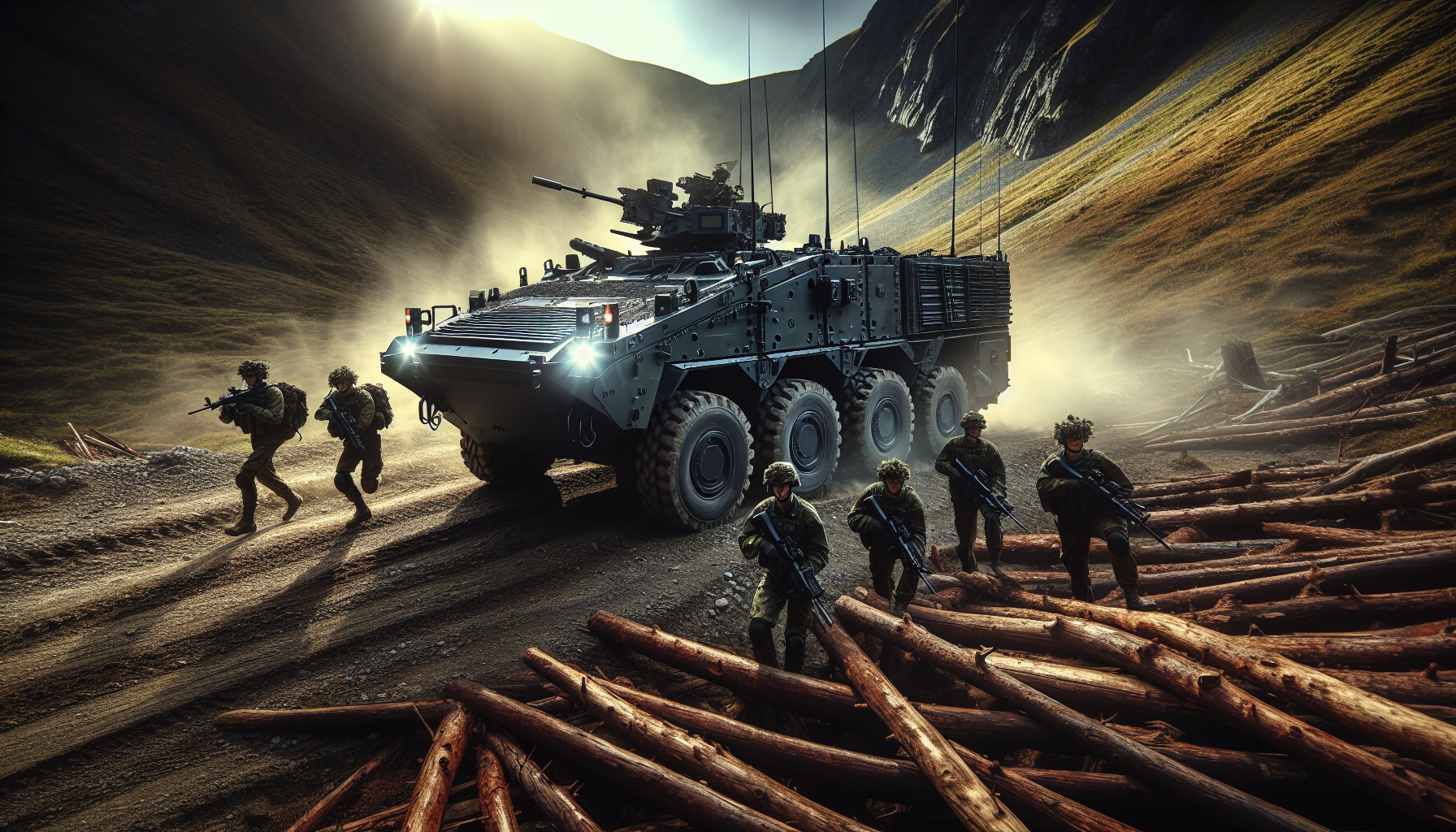
A hallmark of the Lynx IFV is its integration of advanced sensor technologies, which enhance situational awareness and operational effectiveness. The vehicle incorporates various sensors, including thermal imaging and radar, allowing it to detect and engage targets in a wide array of conditions. This integration not only facilitates target acquisition but also enhances overall battlefield intelligence.
Network-Centric Warfare Capabilities
The Lynx is designed for network-centric warfare, allowing it to operate collaboratively with allied forces. Equipped with communication systems that enable real-time data sharing, the Lynx can exchange information on troop movements and enemy positions swiftly. This connectivity enhances command and control capabilities, making it an invaluable asset in joint operations.
Real-Time Data Sharing with Allied Forces
In contemporary warfare, the ability to share information in real time is critical. The Lynx IFV’s networking capabilities ensure that crew members can receive and transmit vital intelligence seamlessly. This functionality not only improves the safety and efficiency of both the Lynx and the troops it transports but also contributes to a more informed and responsive operational strategy when engaging in coalition operations.
Crew and Dismounts
Crew Composition and Ergonomics
The Lynx IFV accommodates a crew of three while providing room for additional dismounted troops. The vehicle’s ergonomics are designed to optimize crew performance, ensuring that personnel can operate effectively under demanding conditions. Comfortable seating and intuitive controls reduce fatigue, allowing the crew to focus on mission objectives rather than basic operational challenges.
Dismount Capabilities and Troop Transport
The Lynx’s troop capacity includes accommodations for up to six passengers, allowing for effective troop transport alongside the crew. This capability is particularly advantageous in rapid deployment scenarios, where the integration of dismounted forces can enhance combat effectiveness during assaults or reconnaissance missions. The configuration enables the Lynx to serve multifaceted roles in operational theaters.
Role of the Lynx in Modern Combat Scenarios
In the context of modern combat scenarios, the Lynx IFV plays a pivotal role in both offensive and defensive operations. Its combination of firepower, protection, and troop-carrying capability allows it to support infantry operations effectively while providing direct engagement with the enemy. Additionally, its modularity and advanced systems ensure that it is adaptable to various battlefield roles, reinforcing its utility across diverse operational demands.
Variants of the Lynx IFV
Different Models and Configurations Available
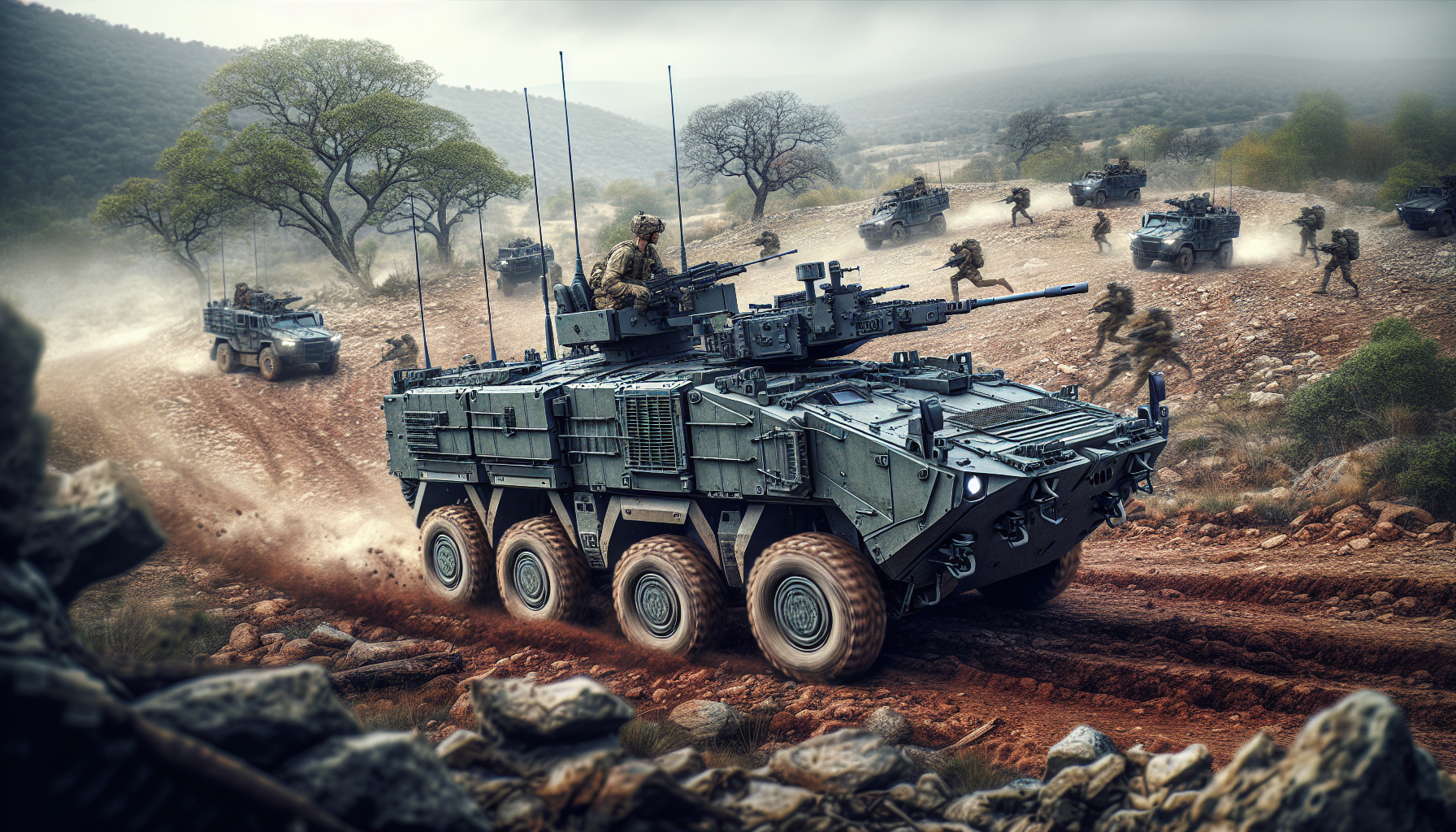
The Lynx IFV’s versatility is further showcased through its range of models and configurations available for purchase. Each variant is designed with specific operational capabilities, enabling customers to select the model that best fits their needs. From command and control configurations to reconnaissance models, the Lynx can be tailored to meet specific mission requirements effectively.
Specialized Variants for Specific Roles
In addition to its standard configurations, the Lynx IFV features specialized variants that cater to specific roles such as ambulance, mortar carrier, or repair vehicle. This specialization ensures that operators have access to a comprehensive suite of capabilities, enhancing tactical flexibility on the battlefield. Operators can thus field a range of Lynx variants within the same operational framework, simplifying logistics and enhancing combat readiness.
Customization Potential Based on Operator Needs
The Lynx’s modular design inherently allows for significant customization potential based on operator needs. Various equipment and systems can be integrated into the base vehicle, enabling military forces to adapt the Lynx to their specific operational context. This customization ensures that the Lynx remains relevant in changing conflict environments and meets the unique requirements of its operators.
Key Customers of the Lynx IFV
Countries Actively Purchasing the Lynx
The Lynx IFV has attracted interest from several nations, leading to active contracts and procurement processes. Countries such as Hungary and Italy have committed to purchasing multiple units, further signifying the vehicle’s viability in meeting modern defense needs. Additionally, the ongoing interest from nations like Canada underscores the Lynx’s growing acceptance on the global stage.
Strategic Partnerships in Manufacturing
Rheinmetall has established strategic partnerships for local manufacturing of the Lynx IFV to bolster its appeal in various markets. These partnerships not only enhance production capabilities but also provide nations the opportunity to build the vehicle domestically, fostering local industry and reducing dependency on foreign supply chains. Such initiatives align with global defense trends toward self-sustainability and national security.
Future Prospects for Lynx in International Markets
Given the Lynx IFV’s advanced features and successful demonstrations, its prospects in international markets remain strong. The global defense landscape continuously evolves, shaping the demand for modern and adaptable military solutions. With the Lynx’s modularity and adaptability, it is poised to capture a significant share of emerging markets seeking advanced IFV capabilities.
The Lynx in the US Army’s XM30 Program
Overview of the XM30 Initiative
The US Army’s XM30 initiative represents a pivotal evolution in its armored vehicle portfolio, aimed at identifying next-generation platforms to succeed legacy vehicles. As part of this effort, the Lynx IFV has emerged as a strong contender, highlighting its advanced features and strategic suitability for future combat operations. The initiative reflects a shift in defense priorities toward more advanced, flexible, and capable platforms.
Role of the Lynx in the Transition from Bradley
As the US Army evaluates options to replace the aging Bradley Fighting Vehicle, the Lynx IFV stands out due to its advanced design and operational capabilities. Incorporating lessons learned from past conflicts, the Lynx offers a modern approach to troop transport and engagement. Its promising entry into the XM30 program indicates a potential shift in US defense strategy, positioning the Army for success in future conflicts.
Potential Implications for US Defense Strategy
The integration of the Lynx IFV into the US Army’s future operational framework could signify broader implications for defense strategy. Adopting a platform that aligns with next-generation warfare paradigms suggests a commitment to enhanced mobility, network-centric operations, and adaptable combat solutions. As threats evolve, the potential acceptance of the Lynx into the Army’s arsenal could reshape how ground forces engage in complex environments.
Conclusion
Summary of the Lynx IFV’s Advantages
In summation, the Lynx IFV stands as a formidable asset in contemporary military operations, offering a blend of firepower, survivability, and advanced technology. Its modular design enhances mission adaptability, while its ballistic protection and mobility capabilities ensure crew and troop safety across various environments. These advantages position the Lynx as a reliable choice for military forces worldwide.
Final Thoughts on Its Global Adoption
The growing interest and procurement of the Lynx IFV reflect a significant trend toward prioritizing modern solutions in defense capabilities. As nations transition to advanced military platforms, the Lynx’s successful entry into various international markets underscores its relevance in contemporary military strategy. Its adaptability to changing battlefield dynamics makes it a strong candidate for future operations.
Future Outlook for the Lynx in the Defense Landscape
Looking forward, the outlook for the Lynx IFV appears promising, particularly with its engaging features that cater to the needs of modern defense forces. As global military challenges evolve, the Lynx is well-positioned to meet those demands, enhancing the effectiveness of ground forces and shaping the next generation of military engagements. Its continued integration into various national arsenals could redefine the standards of infantry fighting vehicles in the years to come.