
The samurai bow, or Yumi, serves not only as a formidable instrument of warfare but also as an exquisite artifact that embodies the rich tapestry of Japan’s cultural history. This article explores the Yumi’s historical significance as the primary weapon of the samurai, its role in crucial battles, and its enduring symbolism in contemporary Japanese society. Additionally, a comparative analysis with the English Longbow highlights the unique engineering and design features that contribute to the Yumi’s effectiveness and artistry.
The exploration extends to the rigorous training techniques employed by samurai archers, whose skills were honed over years of discipline and practice. The craftsmanship behind the Yumi is equally remarkable, showcasing the expertise of master bowmakers who ensure each bow reflects both functionality and aesthetic beauty. Through this examination, the article underscores the Yumi’s lasting legacy as a work of art intertwined with tradition, honor, and martial skill, revealing its relevance in modern ceremonial practices while maintaining its historical roots.
The Yumi: The Quintessential Symbol of Japanese History and Culture

Historical Significance
The Yumi as the Primary Weapon in Samurai Warfare
In the annals of Japanese history, the yumi, or traditional Japanese bow, emerges as a pivotal tool of warfare that shaped the very fabric of samurai culture. Initially, the yumi was revered as the primary weapon, overshadowing the sword for centuries. During the height of samurai dominance, the yumi was not simply a firearm; it represented a masterful amalgamation of skill, discipline, and artistry, manifesting the samurai’s profound understanding of martial engagement. Samurai warriors did not merely wield this powerful weapon for brute force; they honed their abilities to maximize its efficacy and distilled their respects into a way of life deeply entwined with the ethos of bushido—the way of the warrior.
Role of the Yumi in the Mongol Invasion of 1281
The strategic prowess of the yumi came to the fore during the Mongol invasions of 1281. Facing a formidable force of approximately 140,000 invaders armed with advanced weaponry, the Japanese samurai relied heavily on their yumi. Engaging in mounted archery, they manufactured a unique tactical advantage that would ultimately alter the outcome of the conflict. Armed with their bows, the samurai’s skills shone brightly, demonstrating not only their martial competence but also their cultural resilience. The eventual victory is often attributed to the samurai’s valor and the divine winds, or “kamikaze,” that decimated the Mongol fleet. Thus, the yumi cemented its significance in both military and national identity, symbolizing the indomitable spirit of Japan in the face of overwhelming odds.
Transition from Warfare to Cultural Symbol
As the tides of warfare receded, the yumi transitioned from battlefield ornamentation to an emblem of cultural sophistication. It now represents a multifaceted historical narrative, embracing both the artistry of bowmaking and the rigorous discipline associated with its practice. In modern Japan, the yumi symbolizes not just martial prowess, but also a deeply embedded spiritual and cultural ethos. The evolution of the yumi is reflective of Japan’s cultural metamorphosis from a warlike society to one celebrating peace and harmony. Its continued reverence in ceremonial settings underscores its enduring legacy in the Japanese consciousness.
Cultural Importance
Samurai Ethos: Honor and Martial Prowess
The samurai ethos is intrinsically linked to the yumi, embodying the principles of honor, martial prowess, and self-discipline. This code of conduct permeated every aspect of a samurai warrior’s life. The yumi was not merely a weapon; it encapsulated the ideals of courage, loyalty, and integrity. Archery became an art form, emphasizing precision, focus, and spiritual connection. For the samurai, each arrow released from the yumi symbolized intent and purpose, transcending the physical act of shooting into a deeply meditative practice imbued with honor.
Symbol of Spirituality in Japanese Culture
In addition to its martial significance, the yumi holds a potent spiritual resonance within Japanese culture. It is viewed as a conduit through which practitioners connect to history and their cultural heritage. The act of drawing a yumi is often likened to a ritual, focusing the mind and spirit, thus reinforcing the samurai’s connection to Zen Buddhism. Through this lens, the yumi becomes a symbol of tranquility and discipline, transforming the act of archery into spiritual enlightenment rather than mere physical engagement.
Ceremonial Uses of the Yumi in Modern Japan
The yumi has evolved into a ceremonial artifact in modern Japan. Various traditional practices, such as “yabusame,” a form of mounted archery that showcases the skills of archers in festive displays, continue to honor this historical weapon’s legacy. These events highlight the mastery of movement and skill, bringing communities together in a celebration of heritage. Participation in such ceremonies fosters a collective memory that reverberates through generations, ensuring that the spirit of the samurai and their weapon, the yumi, remains alive in contemporary society.
Design and Structure
Unique Features of the Yumi: Asymmetry and Recurve Shape
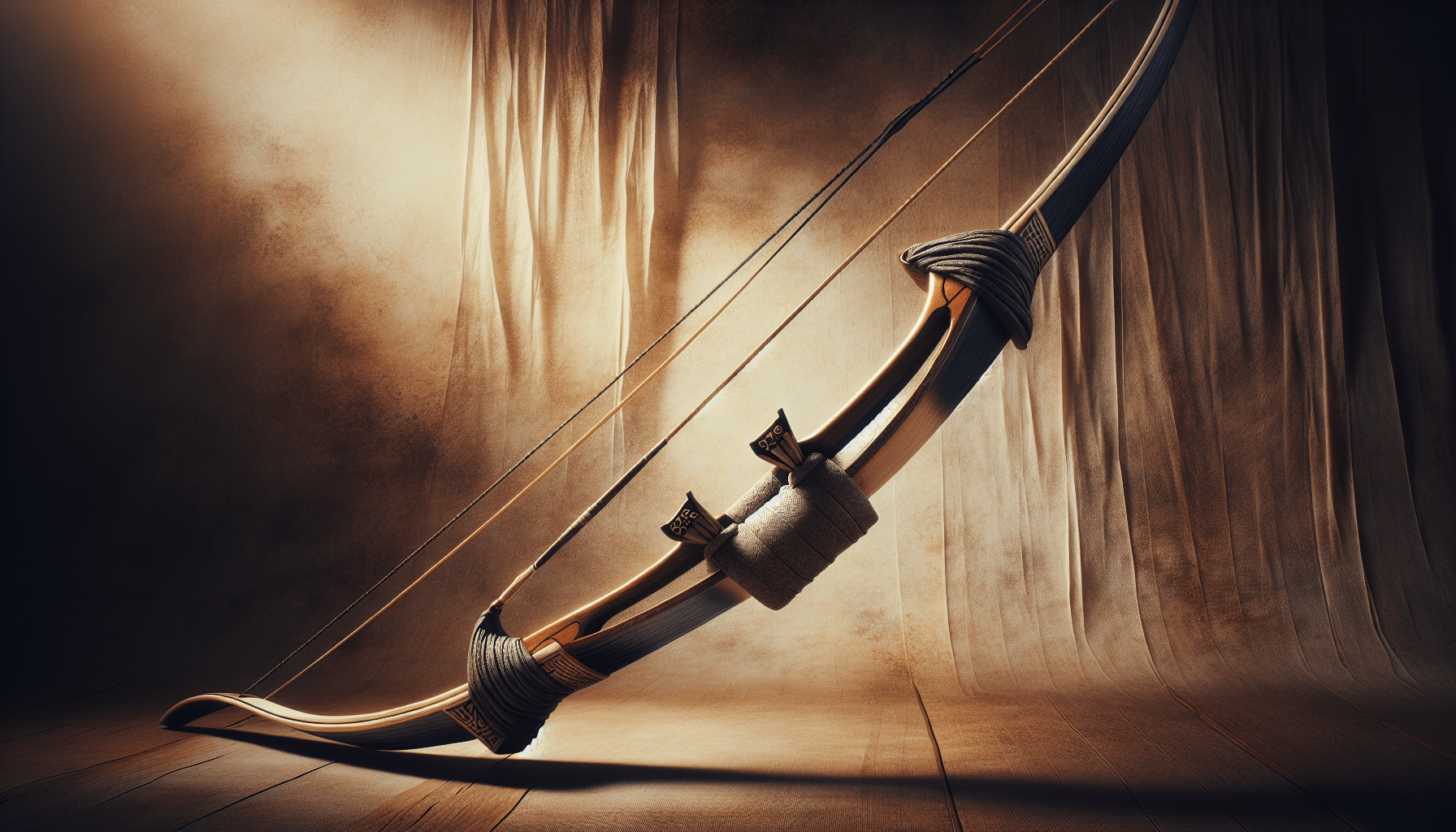
The design elements of the yumi reflect both its functional qualities and its aesthetic beauty. One notable aspect of the yumi is its asymmetrical shape, which contributes to its unique performance characteristics. Unlike conventional bows, the yumi is higher at the top and lower at the bottom, allowing for a natural draw without obstructing the archer’s sightline. This asymmetry, combined with its recurved form, enhances the bow’s efficiency by storing energy and delivering a powerful and swift release of the arrow. Such design attributes reflect a sophisticated understanding of physics and biomechanics, showcasing the ingenuity behind Japanese craftsmanship.
Material Selection: The Role of Bamboo
Bamboo plays a critical role in the construction of the yumi. Its remarkable strength-to-weight ratio allows it to be crafted both for durability and flexibility. The choice of bamboo ensures that the yumi maintains its integrity over prolonged usage while simultaneously providing the necessary elasticity required for optimal performance. Artisans often utilize composite materials in combination with bamboo, lending to the yumi’s distinctive characteristics and demonstrating the advanced techniques of traditional Japanese bowmakers.
Design Comparisons: Yumi vs. Longbow
When comparing the yumi to the traditional longbow, several design disparities emerge, influencing their overall effectiveness in warfare. While both bows may share similar draw weights around 23 kilograms, the yumi’s recurved and asymmetrical design differentiates it significantly. This allows the yumi to deliver arrows with greater speed and stability, enhancing accuracy and range. In contrast, the longbow, primarily constructed from a single piece of wood, exhibits a straight-shooting profile with less energy storage capacity, making the yumi the superior weapon in terms of potential ballistics and accuracy.
Comparison with Other Bows
Draw Weight and Arrow Speed Analysis
The draw weight of a bow is central to understanding its performance characteristics. As previously noted, both the yumi and the longbow can be drawn with similar forces; however, the crucial difference lies in how this power translates into projectile speed and distance. The yumi’s design enables it to launch arrows with increased velocity, often exceeding the performance metrics of contemporaneous bows. On average, arrows shot from the yumi achieve speeds close to 34 meters per second, equating to approximately 122 kilometers per hour. This effect is heightened by the greater energy transfer from thestrung bow to the arrow.
Accuracy and Power: The Yumi’s Advanced Ballistics
Advanced ballistics tests illustrate that the yumi outperforms the longbow in penetration and overall projectile stability. The construction of the yumi allows it to shoot arrows designed for greater weight, meaning they possess higher kinetic energy upon release. In direct comparison tests, arrows fired from the yumi have demonstrated superior accuracy and straight-flight pathways, effectively giving samurai archers a critical edge in both ranged and close-quarters engagements. This accuracy is not merely a function of design; it is intertwined with the samurai’s rigorous training and discipline.
Historical Context of Bow Usage in Warfare
Throughout history, bows have played a significant role in military engagements worldwide. However, the utilization of the yumi in Japan was uniquely intertwined with a cultural identity that emphasized honor, tradition, and craftsmanship. While European longbows became prevalent in the hands of common soldiers, the yumi remained a weapon of nobility and elite warriors. The distinction between these cultural uses elucidates how weaponry can shape and reflect societal values and class divisions, further entrenching the yumi within the historical narrative of Japanese warfare.
Training and Techniques
Mounted Archery: Skills and Challenges
Mastering mounted archery presents a formidable challenge, demanding exceptional coordination and skill. Samurai archers were required to shoot accurately while galloping at high speeds, necessitating a unique combination of horse-riding ability and archery prowess. This duality ensured that samurai archers could effectively engage multiple targets from diverse angles, often executing complex shooting patterns during combat. The integration of mounted archery into samurai training illustrates the sophisticated military tactics employed during Japan’s feudal era.
Traditional Training Practices in Modern Context
Presently, the techniques honed by samurai archers are preserved through traditional training rituals, albeit primarily in ceremonial contexts. Modern practitioners often engage in focused training regimens that emphasize the mental and physical aspects of archery, drawing from the somber discipline rooted in their historical predecessors. Rigorous repetitive practice, accompanied by deep meditation, seeks to ensure that the spirit of bushido pervades contemporary practices. This emphasis on discipline underlines the importance of both physical and spiritual preparedness.
Role of Zen Buddhism in Yumi Archery
Zen Buddhism plays a crucial role in shaping the practice of yumi archery. Samurai practitioners often align their mental attitudes with Zen philosophies, emphasizing mindfulness, concentration, and the impermanence of life. In modern training contexts, archers are encouraged to enter a meditative state while drawing their bows, paralleling the historical connections to spiritual enlightenment. This amalgamation of archery and Zen principles encapsulates the essence of samurai philosophy, contributing to an enriched understanding of the yumi beyond its physical form.
Craftsmanship
Artisanal Bowmaking: Tradition Meets Excellence
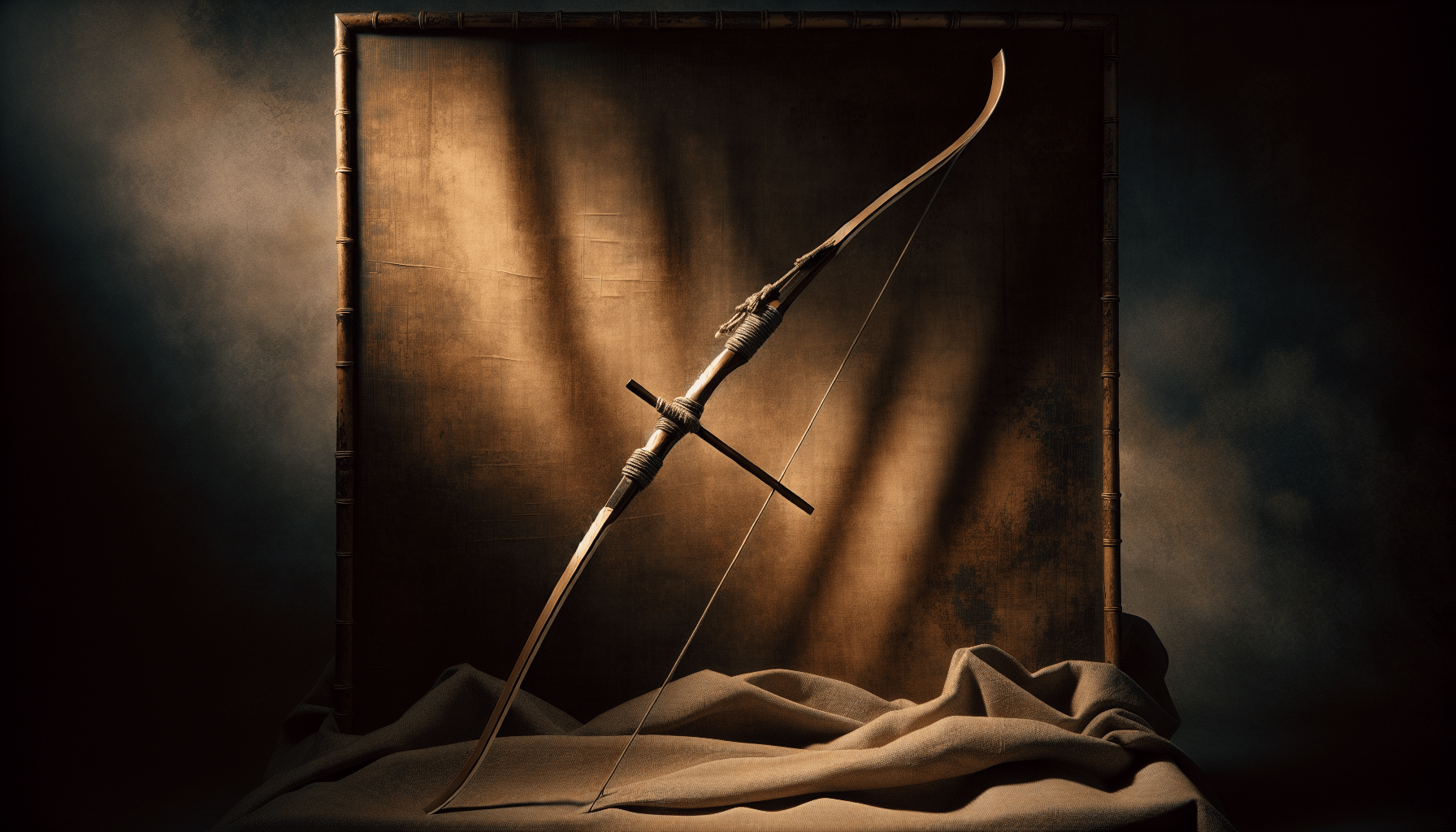
The craftsmanship behind the yumi is an art form that combines centuries of traditional techniques with a reverence for material and design integrity. Artisans skilled in the art of bowmaking employ intricate methods to create bows that reflect not only functionality but also aesthetic beauty. Using natural materials, such as bamboo, wood, and sinew, these craftspeople ensure a harmonious integration of form and function, producing a weapon celebrated for both its lethal capabilities and its artistic value.
Step-by-Step Process of Yumi Construction
Creating a yumi involves a meticulous, step-by-step process that begins with the selection of superior materials. Artisans select the finest bamboo, which undergoes treatment to enhance its strength and flexibility. The limbs are shaped to create the characteristic asymmetry and recurved form essential for optimal performance. After shaping, the bow is layered with additional materials to enhance durability and aesthetics. Finally, a precise string is crafted to complete the bow, culminating in an instrument reflecting both the mastery of the artisan and the spiritual significance of the yumi.
The Importance of Balance and Flexibility in Design
A fundamental aspect of yumi design is striking the right balance between flexibility and rigidity. The bow must possess the capability to endure tension while allowing for sufficient flex during the draw cycle to maximize energy transfer to the arrow. Achieving this balance requires remarkable skill and experience. The artisanal bowmaker’s techniques reflect both the scientific understanding of material mechanics and the spiritual harmony that the yumi represents within Japanese culture.
Ballistics Test Findings
Testing Parameters and Methodology
In examining the performance of the yumi against its counterparts, rigorous ballistics testing has shed light on the significant differences in effectiveness. Parameters for testing included draw weight, speed, accuracy, and penetration upon impact, where both the yumi and longbow were subjected to real-world conditions. Using high-speed cameras and diverse target scenarios, researchers could quantify performance metrics across varied contexts.
Performance Comparison: Yumi vs. Longbow
Test results consistently demonstrated that the yumi surpassed the longbow in crucial performance indicators. The superior aerodynamicity afforded by the yumi’s design translated to more efficient energy transfer, allowing arrows to achieve greater speeds and distances. Notably, the kinetic energy delivered by the yumi’s properly weighted arrows proved more devastating upon impact, emphasizing its status as a formidable weapon on the battlefield.
Implications of Results for Historical Understanding
The outcomes of these tests provide invaluable insights into the historical efficacy of the yumi within the context of samurai warfare. Such findings challenge and enrich historians’ understandings of military strategies implemented during Japan’s feudal era. The superior performance metrics associated with the yumi elucidate its pivotal role, not only as a weapon of choice but as an essential tactical advantage for warriors engaged in life-and-death conflict.
Modern Relevance
The Yumi in Contemporary Archery Practices
While the yumi has transitioned away from the battlefield, it remains a cornerstone of contemporary archery practices in Japan. Schools and martial arts institutions increasingly emphasize the practice of yumi archery, promoting it as a means of physical fitness, mental discipline, and cultural appreciation. The revival of interest in traditional archery ensures that the techniques and philosophies associated with the yumi continue to be taught and cherished among new generations of practitioners.
Cultural Symbolism in Today’s Society
The yumi now exists as a cultural symbol that transcends its martial origins, representing the collective memory and heritage of the Japanese people. In popular culture, the yumi surfaces in various forms of media, including literature, film, and art, functioning as a metaphor for resilience and cultural identity. The ubiquity of the yumi in contemporary symbolism emphasizes its role as a bridge between past and present, connecting Japan’s storied history with its modern ethos.
Educational Institutions and the Yumi Tradition
Educational institutions continue to play a vital role in perpetuating the tradition of yumi archery. Various institutions throughout Japan offer courses that blend martial skill with aspects of cultural history, lineage, and Zen Buddhism. By committing to preserve these time-honored practices, these educational settings foster a deeper understanding of the yumi’s importance in a more interconnected global society, allowing students to explore both the technicalities of archery and the cultural narratives that accompany it.
Artistic Representation
Yumi in Japanese Art and Literature
The yumi’s significance in Japanese culture extends beyond practicality into the realm of art and literature. Artistic depictions of the yumi can be found in various mediums, from traditional woodblock prints to contemporary visual art, capturing its graceful lines and symbolic resonance. In literature, narratives frequently draw upon the yumi as a symbol of the samurai spirit, highlighting its connection to honor, duty, and warrior heart.
Influence of the Samurai Bow on Modern Art Forms
As contemporary artists grapple with their connections to Japanese heritage, the yumi continues to be a point of inspiration and representation. Artists incorporate its form and ethos into modern interpretations, blending traditional values with contemporary sensibilities. The bow’s cultural significance persists in artistic endeavors, revealing a dynamic dialogue between historical reverence and innovative expression.
The Yumi: A Muse for Artists and Craftspersons
The yumi serves as a muse, inspiring artisans and craftspeople to explore its shape and narrative potential. Bowmakers draw upon traditional craftsmanship while infusing modern elements into their designs, resulting in artistic iterations that both honor tradition and resonate with new audiences. The quest for balance between function and elegance that characterizes yumi craftsmanship continues to attract admiration and engagement in the creative community.
Conclusion
The Enduring Legacy of the Yumi
The yumi transcends its roots as a lethal weapon, evolving into a cultural artifact emblematic of Japan’s enduring legacy. Its combination of artistry and functionality encapsulates the ideals of the samurai while simultaneously paving the way for modern interpretations and practices. The yumi’s journey from a tool of war to an object of reverence highlights its evolution in tandem with Japan’s historical narrative, mirroring the development of cultural identity itself.
Interconnection of Art, Culture, and Martial Tradition
The yumi serves as a profound reminder of the interconnectedness of art, culture, and martial tradition. Each arcane craft and ceremony surrounding the yumi contributes to a holistic understanding of Japanese history and spirituality. The balance between martial prowess and artistic expression epitomizes the duality of the human experience, calling for a deeper appreciation of our connections to the past.
Future of the Yumi in a Modern Context
As contemporary society continues to grapple with the legacies of history and the values we hold dear, the yumi’s role remains vital. Its relevance in educational contexts, combined with ongoing interest in traditional archery practices, ensures that this emblematic weapon will not be relegated to museum exhibits. Instead, the yumi will continue to inspire future generations, inviting exploration of the interplay between martial tradition and cultural identity, thus perpetuating its legacy in the ongoing dialogue of what it means to be a custodian of tradition in a rapidly evolving world.