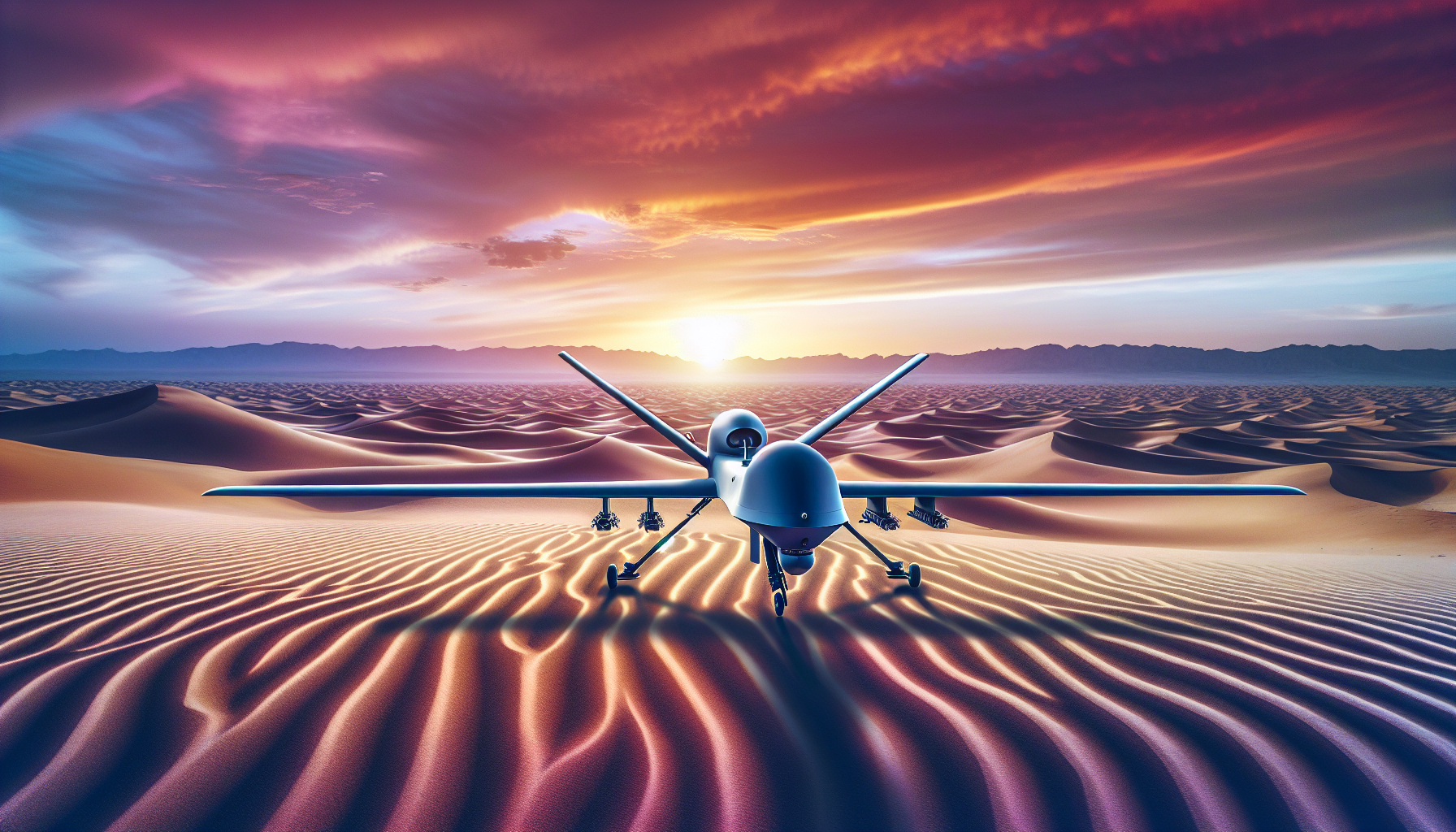
The recent deployment of the Low-cost Unmanned Combat Attack System (LUCAS) drones by the United States in the Middle East signals a significant evolution in military strategy. These drones, designed as one-way attack systems, resemble the widely noted Shahed-136 and are valued at approximately $35,000 each. This move marks a pivotal step in modern warfare, where cost-effective solutions are increasingly prioritized in complex geopolitical landscapes.
This article will examine the implications of utilizing LUCAS drones within the context of broader defense strategies. It will explore the technological advancements enabling such systems and consider their potential impact on international relations and military engagements in the region. The discussion aims to highlight the evolving nature of military operations and the strategic advantages presented by these unmanned combat systems.
Overview of the One-Way Attack Drone Squadron
Introduction to LUCAS Drones
As military technology continues to evolve, you find yourself witnessing the advent of a new generation of weaponry that harbors both promise and peril. The Low-cost Unmanned Combat Attack System (LUCAS) drones, heralded as the next step in aerial warfare, represent a paradigm shift in military strategy. With a design inspired by existing models like the Shahed-136, these drones encapsulate the essence of modern warfare: efficiency coupled with explosive lethality. The decision to deploy LUCAS drones reflects a broader trend of utilizing unmanned systems to enhance operational capabilities while minimizing human risks on the battlefield.
Purpose and Objectives of Deployment
The deployment of LUCAS drones in the Middle East is underpinned by a quite strategic rationale. Primarily intended for use in asymmetric warfare, these drones aim to deliver precision strikes against hardened targets while significantly reducing the logistical burden associated with traditional aerial operations. By placing an emphasis on low-cost, expendable drones, military planners intend to achieve greater flexibility and adaptability in responding to emerging threats. Moreover, LUCAS drones are designed to operate in environments where manned aircraft may face significant risks, thereby allowing for a more assertive and responsive military presence.
Significance in Modern Warfare
The significance of LUCAS drones in contemporary conflict extends beyond mere operational capabilities; it fundamentally alters the geopolitical landscape. In an era where adversaries are increasingly leveraging drone technology, the ability to deploy cost-effective, precision attack drones becomes not only a tactical advantage but a strategic necessity. You stand at the crossroads of technological advancement and ethical consideration, with LUCAS drones personifying the complexities and contradictions inherent in modern military engagements.
Technical Specifications of LUCAS Drones
Design and Engineering
The design principles behind LUCAS drones focus on minimizing production costs while maximizing effectiveness. Equipped with state-of-the-art guidance systems, these drones are capable of executing pre-programmed flight paths that allow for precision targeting. The lightweight construction facilitates ease of deployment and maneuverability, essential in fast-paced combat scenarios. Furthermore, their low radar cross-section makes them less detectable, thus enhancing survivability over hostile territories.
Cost Analysis and Budgeting
One of the most compelling attributes of LUCAS drones is their economical production cost, estimated at around $35,000 per unit. This affordability enables the military to procure them in large numbers, addressing both tactical and strategic needs without incurring exorbitant expenses. You should consider this cost-effective approach as a potential game-changer in resource allocation, allowing for greater operational readiness without the traditional financial constraints of maintaining a fleet of manned aircraft.
Range and Payload Capabilities
The operational range of LUCAS drones allows for effective engagement beyond the frontline, providing a significant depth of strike capability. Coupled with versatile payload options, they can be outfitted for various types of missions, including direct attack, reconnaissance, and electronic warfare roles. Your understanding of these capabilities underscores the strategic flexibility afforded by LUCAS drones; they are designed to adapt to the multifaceted demands of modern warfare.
Comparison with Existing Drone Models

Comparison with Shahed-136
In drawing comparisons with established models like the Shahed-136, you recognize that LUCAS drones embody similar operational philosophies but capitalize on Western technological enhancements. While the Shahed-136 is characterized by its low-cost, high-impact delivery, LUCAS drones integrate sophisticated navigation systems and targeting mechanisms that can improve on the baseline effectiveness of their predecessors.
Advantages Over Traditional Drones
Compared to traditional drone systems, LUCAS drones present several advantages, including lower operational costs, ease of use, and a streamlined logistics chain. Where conventional drones may require extensive support operations involving piloting teams, air traffic control, and extended maintenance cycles, LUCAS drones can be deployed with minimal oversight, facilitating rapid responses to dynamic battlefield conditions. As a result, your analysis indicates a shift towards more autonomous operations that can adapt to real-time intelligence.
Operational Efficiency and Effectiveness
Your examination of the operational efficiency of LUCAS drones reveals a compelling narrative of a military apparatus increasingly reliant on technological integration. The drones’ ability to operate autonomously, coupled with their low acquisition costs, promises to enhance overall effectiveness in a way that traditional, more expensive systems, often cannot match. With LUCAS drones, you observe a trend that favors not just capability but also sustainability in prolonged engagements.
Operational Strategy in the Middle East
Deployment Locations and Tactical Planning
The strategic deployment of LUCAS drones is meticulously planned, with key locations identified based on threat assessments and intelligence gathering. You note that fronts in the Middle East are often fluid, requiring forces to remain vigilant against both state and non-state adversaries. By dynamically adjusting deployment zones and employing tactical positioning, military planners aim to maximize the operational potential of LUCAS drones while mitigating inherent risks of exposure.
Targeting and Intelligence Systems
The efficacy of LUCAS drones is intrinsically linked to advanced targeting and intelligence systems. Integrated with satellite reconnaissance and real-time data analytics, the drones can engage targets with remarkable accuracy. This synergy between intelligence collection and strike capabilities allows you to understand the military’s broader strategy: a future where data-driven decision-making supersedes traditional operations, informed by evolving battlefield dynamics.
Coordination with Ground Forces
A crucial component of the operational strategy involves seamless coordination with ground forces. Effective communication channels are established to ensure that LUCAS drones are deployed in alignment with ground troops’ movements and objectives. You perceive this coordination as critical not only for maximizing technological capabilities but also for minimizing risks to civilian populations and mitigating collateral damage in situations where pinpoint accuracy is paramount.
Political Implications of Drone Use
Impact on US-Middle East Relations
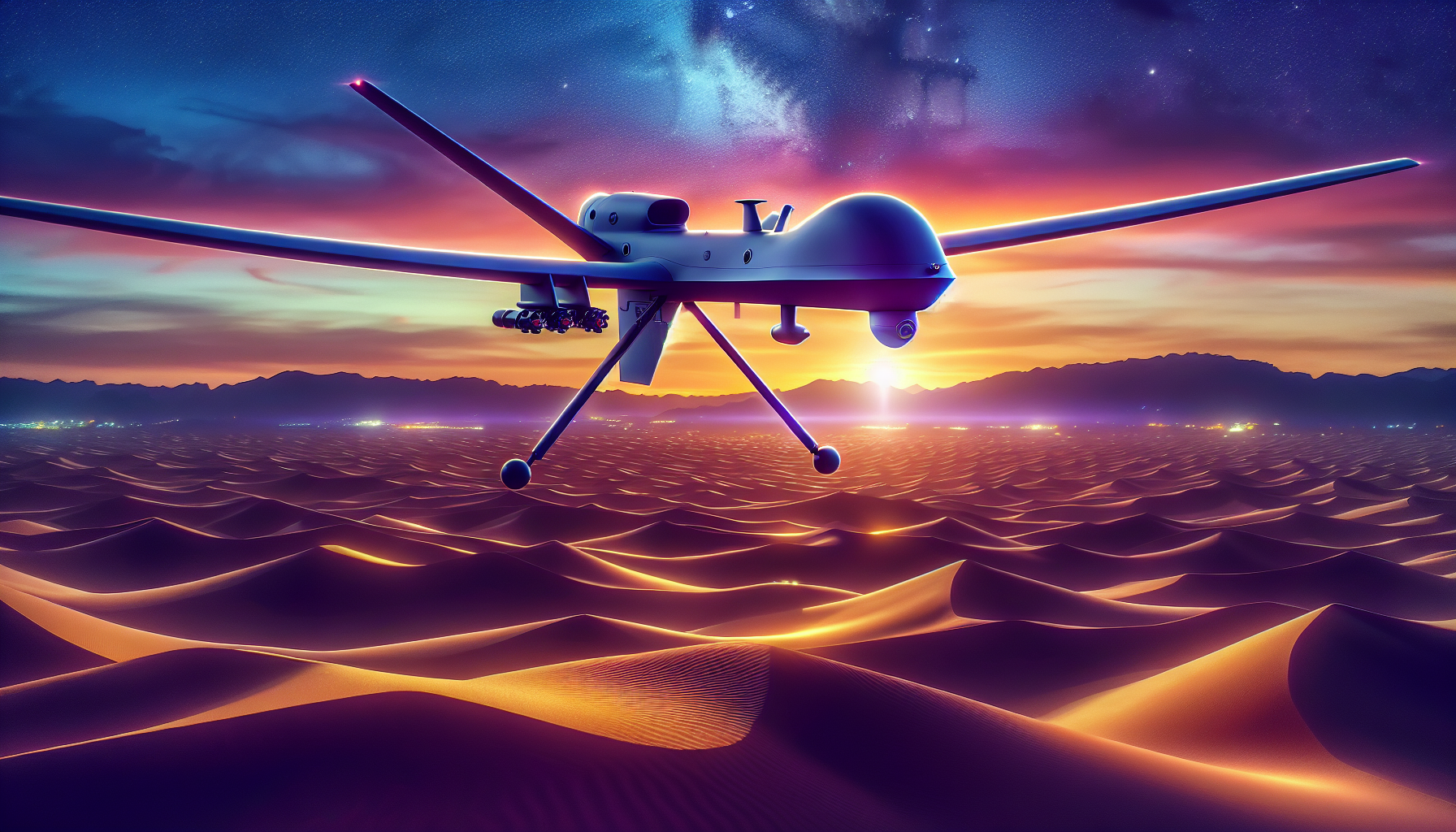
The introduction of LUCAS drones into the Middle Eastern theater undoubtedly carries political ramifications. As you witness the strategic pivot toward drone warfare, you recognize the potential for heightened tensions within the region. The deployment could be perceived as a demonstration of military prowess, potentially escalating retaliatory measures by adversaries. In this context, your understanding of the interplay between military technology and diplomacy becomes invaluable.
Responses from Regional Actors
Responses from regional players are varied and complex. Some may perceive the LUCAS drones as an aggressive maneuver, prompting calls for enhanced militarization or countermeasures. As you navigate the opinions of various stakeholders, you cannot ignore the fact that adversarial nations may accelerate their own drone programs in response, leading to an arms race that reshapes the security landscape of the region.
International Law and Compliance Challenges
Engagement with LUCAS drones brings forth pressing considerations regarding international law. Your examination of the rules of engagement and compliance with established protocols highlights a precarious balance between military objectives and humanitarian responsibilities. The potential for drone-related incidents raises questions about accountability—issues that demand careful navigation within the evolving framework of international law.
Ethical Considerations of Drone Warfare
Debate on Autonomous Warfare
The ethical terrain accompanying the use of LUCAS drones is riddled with complexities. The debate centers on the implications of autonomy in warfare. As you reflect on this discourse, it becomes clear that while such technologies may ostensibly serve to reduce risks to personnel, they can simultaneously lead to dehumanization in military operations. Your analysis reveals the dichotomy of technological advancements that promise efficiency yet challenge ethical boundaries.
Civilian Casualties and Accountability
With the precision targeting capabilities of LUCAS drones, you might assume that collateral damage would reach a minimum. However, the harsh reality often tells a different story. Civilian casualties remain a significant concern in drone strikes. The accountability for these unintended consequences rests heavily on the shoulders of military and political leaders. As such, ethical questions emerge regarding the moral obligations of those who make decisions impacting lives directly and indirectly.
Moral Implications of One-Way Attacks
The notion of a one-way attack drone introduces additional ethical considerations. You find yourself grappling with the implications of deploying weapons that are, by design, intended to be lost. This philosophy raises moral questions about the valuation of human life, both of combatants and civilians. Your critical analysis of these moral implications places you at the heart of a essential debate on the future of warfare and its human consequences.
Challenges and Risks Identified
Countermeasures by Opposing Forces
In the theatre of modern warfare, you must recognize that advancements in technology will inevitably provoke countermeasures from adversaries. The deployment of LUCAS drones will likely trigger defensive strategies aimed at neutralizing their effectiveness. This could include electronic warfare techniques or advancements in anti-drone technology, underscoring the evolving nature of asymmetric conflict.
Technical Vulnerabilities and Malfunctions
While the agile design and low-cost nature of LUCAS drones offer potential advantages, you are acutely aware of their susceptibility to technical vulnerabilities. The potential for system malfunctions or failure in battlefield conditions presents not only operational challenges but also strategic risks. Your understanding of these vulnerabilities is critical; they could significantly undermine the efficacy of drone operations and yield unintended consequences.
Logistical Issues in Deployment and Supply
The success of deploying LUCAS drones hinges on robust logistical support. However, you recognize that logistical challenges can arise, complicating supply chains and operational readiness. Factors such as the availability of spare parts, maintenance requirements, and the need for secure communications can all impact deployment efficiency. You appreciate the importance of addressing these logistical issues to ensure sustained operational effectiveness.
Future of Drone Warfare
Predicted Trends in Drone Technology
Looking ahead, you foresee a landscape of drone warfare characterized by rapid technological advancements. Predictions suggest that artificial intelligence will play an increasingly prominent role in enhancing drone capabilities, making them more autonomous and efficient. As you contemplate this potential future, it becomes evident that drones may evolve from mere tools of warfare to strategic assets that could redefine military engagements.
Evolving Strategies in Combat Scenarios
As drone technology matures, the strategies employed in combat scenarios are set to evolve. You envision a pivot towards integrated systems that combine manned and unmanned platforms, thereby creating comprehensive battlefield architectures. This holistic approach may enhance situational awareness, providing military planners with real-time insights and adaptive strategies that reflect the complexities of modern conflict.
Potential Developments in US Military Doctrine
The incorporation of LUCAS drones into military strategy is likely to prompt significant shifts in US military doctrine. As you analyze these developments, you see a potential transition towards a more drone-centric approach that emphasizes rapid deployment, cost-effectiveness, and technological integration. The implications of this shift may not only redefine warfare as you know it but also alter the dynamics of US engagements on the global stage.
Public and Military Reactions
Public Perception of Drone Warfare
Public sentiment towards drone warfare remains mixed. As you delve into this multifaceted issue, it is evident that while some view it as a necessary tool for ensuring national security, others raise concerns about the ethical implications and potential for civilian casualties. The narrative surrounding LUCAS drones invites you to consider the broader societal attitudes which influence public support and opposition to military interventions.
Military Community Responses
The military community’s responses to LUCAS drones are equally divided. Some within the ranks praise the operational advantages and cost-effectiveness these drones bring, while others express reservations about reliance on unmanned systems in combat. You perceive this internal discourse as indicative of a shifting military culture that seeks to balance tradition with innovation, creating a complex dialogue about future engagements.
Media Coverage and Reporting
Media coverage surrounding the use of drones often shapes public understanding and influences policy discussions. As you analyze reporting on LUCAS drones, you recognize that narratives may range from celebratory depictions of military prowess to critical analyses raising ethical concerns. This media lens becomes a powerful tool in interpreting the implications of drone warfare, affecting both public perception and military strategy.
Conclusion
Summary of Findings
As you reflect on the deployment of LUCAS drones, the findings illustrate a multifaceted reality where technological innovation converges with ethical considerations and political implications. These drones exemplify a military landscape characterized by a shift from conventional operations to more autonomous, efficiency-driven methodologies.
Future Outlook for Drone Usage in Conflict
You envision a future where drone warfare will not only persist but expand, becoming an integral aspect of modern conflict. As technological advancements continue to redefine capabilities, the military’s reliance on drones like LUCAS presents both challenges and opportunities that will merit ongoing analysis and attention.
Final Thoughts on the Role of LUCAS Drones
In summation, you understand that LUCAS drones transcend traditional definitions of warfare. They stand as harbingers of change, fundamentally reshaping military engagements, ethics, and public perception. Your reflections on the role of such drones beckon deeper inquiries into the evolving nature of conflict and the uncharted territories that lie ahead in the realm of military technology.