
The reopening of the Strait of Hormuz represents a complex and multifaceted challenge within the landscape of international maritime security. This strategic waterway, vital for global oil transportation, faces significant operational hurdles, particularly in light of evolving geopolitical dynamics and military capabilities. Understanding the intricacies involved in such an operation is essential for comprehending both the implications for international trade and the broader security framework.
In this article, you will explore the operational difficulties faced by the United States Navy in its efforts to reopen the Strait. The discussion will cover the technological and strategic considerations that complicate such missions, including the threats posed by anti-ship missile systems. By examining these factors, you will gain insight into the critical role this waterway plays in global commerce and the necessary military responses to safeguard its accessibility.
Overview of the Strait of Hormuz
Geographical Importance
The Strait of Hormuz, a narrow passage connecting the Persian Gulf to the Gulf of Oman, holds significant geopolitical and strategic value. Stretching approximately 21 miles (33 kilometers) at its narrowest point, the strait serves as a crucial maritime corridor for global trade. You can think of it as a gateway not only to oil-rich regions but also as a lifeline for international shipping routes. In fact, around 20% of the world’s oil supply transits through this vital artery. Given its strategic dimensions, control over the strait has often dictated regional power dynamics and global energy security.
Economic Significance
The economic implications of the Strait of Hormuz are profound. For many nations, especially those heavily reliant on oil imports, any disruptions in this corridor can trigger severe economic setbacks. Notably, countries like Japan, South Korea, and many European nations depend on the uninterrupted flow of crude oil from the Persian Gulf. Should hostilities arise, leading to blockades or disruptions, not only would oil prices surge, but global markets could experience turmoil. Consequently, the strait stands as a barometer for energy stability, reflecting the intricate connections between geography and international economics.
Historical Context
Historically, the Strait of Hormuz has been a flashpoint for conflicts, dating back to the rise of the Islamic Republic of Iran in the late 20th century. Throughout the Iran-Iraq War (1980-1988), the strait witnessed numerous skirmishes and naval engagements. More recently, geopolitical tensions between the United States and Iran have intensified in the strait, underscoring its role as a theatre of military operations. Your understanding of this context is crucial, for it not only shapes current diplomatic engagements but also influences military strategies employed in the region.
Current Situation in the Strait of Hormuz
Recent Tensions
As you delve deeper into the contemporary landscape of the Strait of Hormuz, it becomes apparent that recent tensions have escalated dramatically. Incidents involving the harassment of commercial shipping vessels, seizures, or attacks on oil tankers have marred the maritime environment. These actions can often be traced back to the Iranian government’s stance on preserving its influence in the region. International responses vary, but the threat to commercial navigation remains omnipresent, affecting the strategic calculus of nations reliant on the strait for energy supplies.
Impact of Geopolitical Factors
The geopolitical landscape surrounding the Strait of Hormuz is fraught with complexities, including U.S.-Iran relations, the presence of regional powers such as Saudi Arabia and the UAE, and the role of external actors like Russia and China. You should recognize that these dynamics significantly affect shipping stability and security strategy formulations. The involvement of these diverse actors creates a multifaceted interplay, complicating efforts to mitigate conflicts and safeguarding the vital maritime trade routes.
Involvement of Military Forces
In anticipation of potential disruptions, military presence in the Strait of Hormuz has intensified. The U.S. Navy, for instance, routinely deploys naval assets to maintain freedom of navigation and protect commercial shipping interests. Task forces, equipped with advanced naval capabilities, operate in concert with regional partners to deter hostile actions. The orchestration of military resources within this confined area reflects a balancing act; you must consider the consequences of an increased military footprint in tensions in the Strait.
Challenges to Reopening the Strait

Risk of Military Escalation
You must acknowledge that the prospect of reopening the Strait of Hormuz is fraught with risks, not least the potential for military escalation. Any operation aimed at safely restoring passage could inadvertently trigger a broader conflict. Stakeholders must navigate these treacherous waters carefully, weighing the necessity of military action against the backdrop of potential retaliation. The fine line between deterrence and escalation often proves challenging to maintain.
Presence of Anti-Ship Missiles
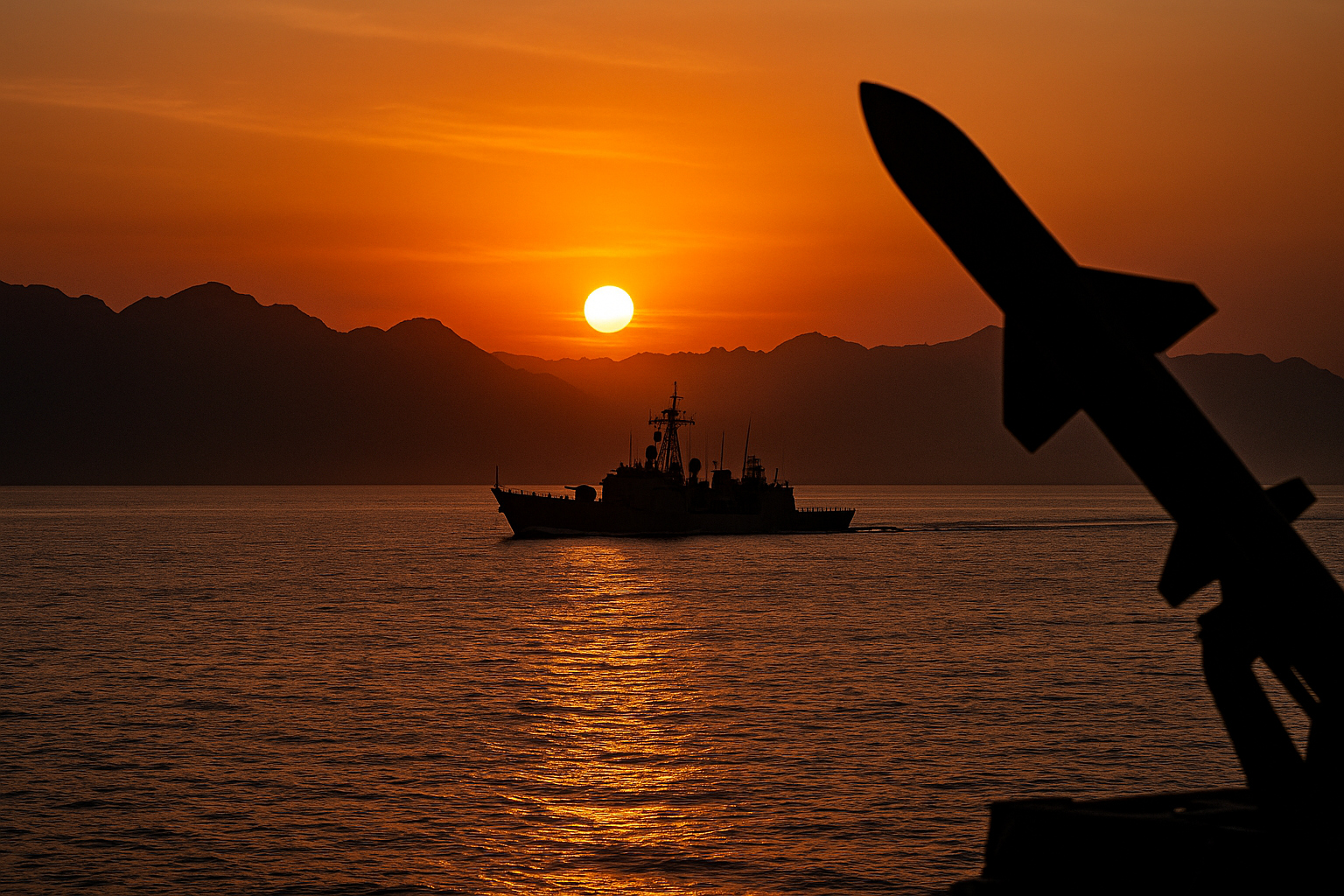
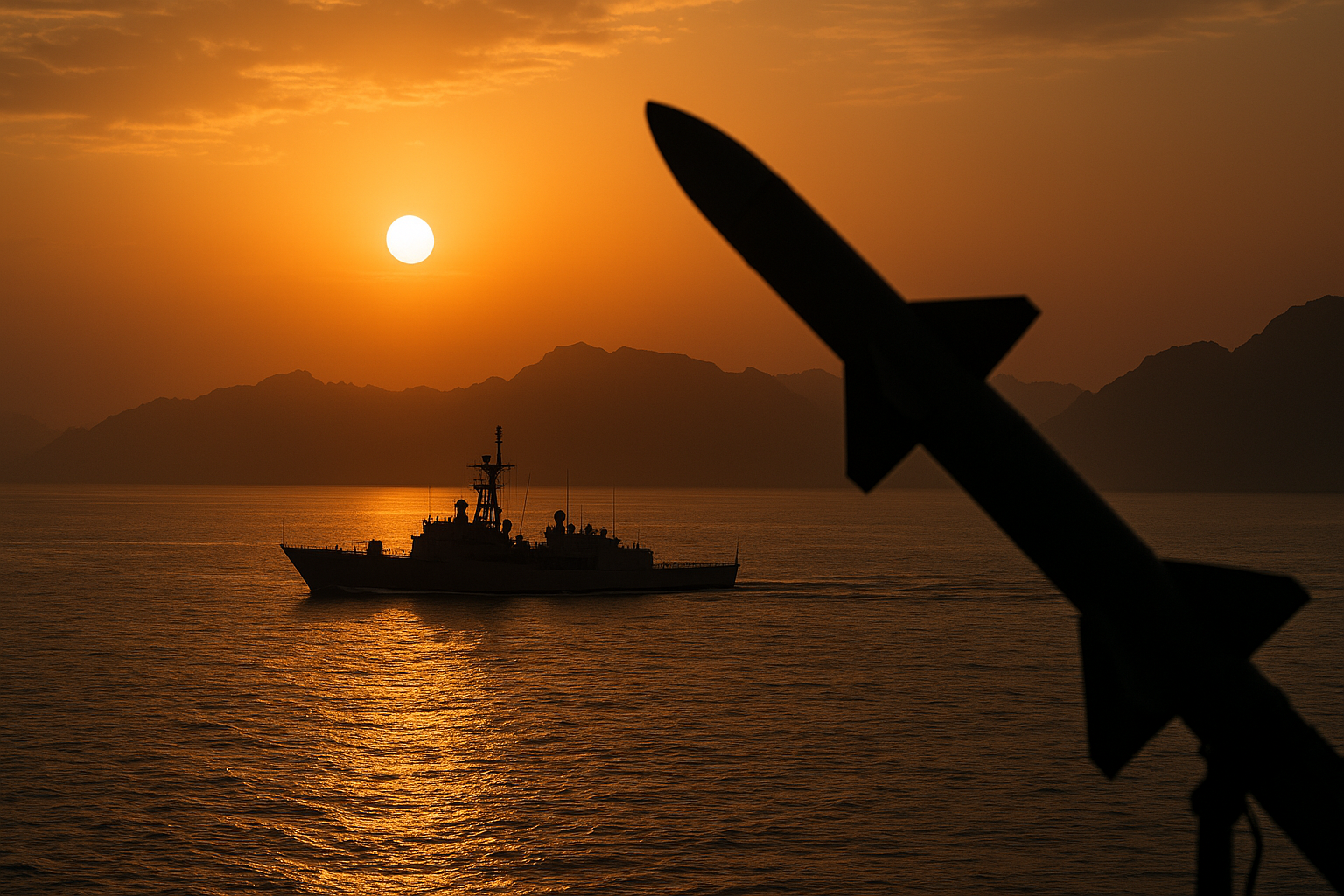
The strategic dimension of the Strait is further complicated by the presence of anti-ship missile systems in the region, particularly those controlled by Iran. These capabilities pose considerable threats to naval vessels operating in the area. Your awareness of the implications of these assets is critical when considering the viability of reopening operations. They reinforce the necessity for advanced security measures to mitigate risks while simultaneously complicating the military landscape.
Environmental Concerns
Beyond the immediate geopolitical and military challenges lies the environmental concern associated with reopening the Strait of Hormuz. Any aggressive military engagement risks catastrophic environmental repercussions, including oil spills and ecosystem damage in one of the world’s most sensitive marine environments. You should be aware that these environmental stakes add an additional layer of complexity to military planning, affecting public opinion and international scrutiny.
US Navy Capabilities in the Region
Naval Assets Deployed
The U.S. Navy possesses a formidable array of naval assets actively deployed in and around the Strait of Hormuz. Aircraft carriers, destroyers, and submarines are among the various platforms that enhance the operational capacity of U.S. forces in this strategic region. You can appreciate how these naval assets serve as deterrents against aggression while providing a rapid response capability should hostilities arise.
Strategic Approaches to Reopening
You are likely aware of the United States’ multifaceted strategy aimed at ensuring navigational safety in the Strait. This includes not only a show of naval force but also coordination with allied nations for joint training exercises and intelligence-sharing initiatives. These strategic approaches are designed to reinforce collective capabilities and provide a unified front in defending international shipping interests, bolstering stability in the region.
Partnerships with Allied Forces
The importance of international partnerships cannot be overstated as you consider the operational strategies employed in the Strait of Hormuz. Steady collaboration with allied forces, including those from the United Kingdom, France, and regional partners, enhances the effectiveness of U.S. naval operations. You should understand that these relationships are not merely transactional; they involve shared intelligence, joint exercises, and coordinated responses to threats, thus embodying a collective commitment to safeguarding maritime security.
Potential Operations for Reopening
Naval Blockade Management
The management of any naval blockade may be necessary in a reopening scenario, requiring careful orchestration. As you reflect on potential operations, consider that the U.S. Navy must focus on maintaining freedom of navigation while simultaneously protecting its assets and international shipping. This management would involve sophisticated planning, intelligence gathering, and logistics support to ensure effectiveness in enforcing policies without escalating tensions further.
Intelligence and Surveillance Strategies
You must also appreciate the critical role of intelligence and surveillance in the broader strategy to reopen the Strait of Hormuz. Rigorous monitoring of maritime activities through advanced technologies, including drone surveillance and satellite imagery, enables the U.S. Navy to preemptively identify threats and understand naval movements in the region. Such capabilities are indispensable for threat assessment and response planning.
Engagement Rules for Conflict Scenarios
Establishing clear engagement rules for conflict scenarios is paramount for the sanctity of operations in the Strait of Hormuz. These rules would dictate how military forces interact with potential adversaries while adhering to international laws and norms. For you, understanding these engagement protocols is crucial, as they dictate the balance between assertiveness and restraint in a high-stakes environment where the risk of conflict looms large.
Role of Diplomacy in Reopening Efforts
Negotiations with Regional Powers
In the context of reopening the Strait, diplomatic engagement with regional powers is paramount. You must consider that long-term stability often hinges on dialogue rather than military confrontation. Negotiations with countries directly involved, such as Iran and the Gulf Cooperation Council (GCC) states, can open pathways to reduce tensions and promote cooperative security frameworks, fostering an environment more conducive to safe maritime operations.
International Collaboration
International collaboration plays a crucial role in diplomatic efforts aimed at reopening the Strait of Hormuz. Engaging multinational forums and organizations can enhance collective security initiatives while providing a platform for negotiating solutions to ongoing disputes. Your awareness of the importance of these collaborative efforts allows you to appreciate how collective diplomacy can exert pressure on potential aggressors and promote dialogue.
Impact of Economic Sanctions
Economic sanctions have often been employed to influence the behavior of regional actors in the Strait of Hormuz. You should analyze how these sanctions create leverage in diplomatic negotiations. However, they can also exacerbate tensions, motivating adversaries to retaliate, complicating the landscape further. Understanding the dual-edged nature of sanctions is vital in recognizing how they can support and undermine reopening efforts.
Historical Precedents of Military Operations
Lessons from Past Conflicts
Drawing from historical precedents, one can identify valuable lessons regarding military operations aimed at reopening strategic trade routes. You should reflect on the lessons learned from interventions in the past, such as the U.S. Navy’s operations during the Iran-Iraq War or the Gulf War. Each instance highlights the complexities of military engagement, the necessity for comprehensive planning, and the importance of ensuring that any operations align with broader diplomatic objectives.
Case Studies of Successful Reopenings
Analyzing successful reopenings of maritime corridors can yield insights into effective operational strategies. For instance, the blockade management efforts during the Gulf War serve as a case study exemplifying how coordinated military response and international support can successfully restore freedom of navigation. You must appreciate these instances as they illuminate effective methodologies that can be adapted in contemporary contexts, driving your understanding of the complexities involved in navigating such engagements.
Analysis of Failed Interventions
Conversely, examining failed military interventions provides critical insights into pitfalls to avoid. Cases such as the U.S. Navy’s involvement in the Persian Gulf in the early 1980s demonstrate how miscalculations in military strategy can lead to unintended consequences, further complicating regional tensions. Your recognition of these failures enhances your understanding of the gravity of decisions involving military engagement in the Strait and the necessity for lessons learned to inform future operations.
Effect on Global Oil Markets
Oil Supply Dynamics
The Strait of Hormuz’s role in global oil supply dynamics is undeniable, as it serves as a primary transit point for crude oil shipments. You must grasp how disruptions in this corridor can lead to significant fluctuations in oil supply, impacting pricing and accessibility in international markets. Any threat to this transit point raises concerns among energy-consuming nations, prompting urgent responses to uphold energy security.
Market Reactions to Military Operations
You should also consider how global oil markets respond to military operations in the Strait of Hormuz. Historical events illustrate that military activities often provoke immediate reactions, causing oil prices to spike as traders react to perceived risks. Understanding these market fluctuations gives you insight into the broader economic implications of conflicts in this region, as even minor disruptions can lead to a ripple effect across the global economy.
Long-Term Price Implications
The long-term implications of sustained tensions in the Strait of Hormuz on oil prices merit consideration. If the risk of military escalation persists, you can expect a new baseline for oil prices, driven by uncertainty and geopolitical risk. This phenomenon underscores the importance of stabilizing the strait, as long-term economic forecasts and energy planning hinge significantly on the resolution of tensions in this vital maritime corridor.
Implications for Global Security
Impact on Regional Stability
The ongoing situation in the Strait of Hormuz significantly affects regional security dynamics. You must recognize that tensions in the strait can have ripple effects throughout the broader Middle East, influencing alliances, fueling rivalries, and contributing to instability. As stakeholders in the region strategically position themselves, the consequences of conflict can lead to broader geopolitical realignments.
Challenges to International Trade
Similarly, the implications of ongoing tensions pose challenges to international trade. You should consider that the shipping routes through and around the Strait of Hormuz constitute a crucial artery for global commerce. Destabilization in this region can lead to elevated shipping costs and longer transit times, thereby affecting global supply chains and commodities markets. Your understanding of these dynamics ensures that you appreciate the interconnectedness of regional security and international trade.
Risks of Broader Conflict
Lastly, the potential for a broader conflict emanating from tensions in the Strait of Hormuz cannot be neglected. You should consider that regional hostilities can quickly escalate, involving multiple state and non-state actors. The potential for miscalculations or inadvertent confrontations necessitates vigilance and strategic foresight as policymakers grapple with the many risks associated with reopening this vital corridor.
Conclusion
Summary of Key Points
In summary, your exploration of the Strait of Hormuz reveals its critical geographical and economic significance, shaped by historical conflict and exacerbated by contemporary geopolitical tensions. You have examined the various challenges associated with reopening the strait, including military risks, environmental concerns, and the strategic role of the U.S. Navy. The importance of diplomacy, historical precedents, and their impact on global oil markets add further depth to this complex landscape.
Final Thoughts on Reopening Efforts
As you reflect on the potential paths forward, it becomes clear that reopening the Strait of Hormuz requires a balanced approach, integrating military readiness with diplomatic engagement. The multifaceted nature of this endeavor emphasizes the need for comprehensive strategies informed by historical lessons and geopolitical realities. The gridlock in this critical corridor not only threatens energy security but also poses broader implications for global stability.
Call to Action for Policy Makers
You must advocate for prudent policymaking rooted in a nuanced understanding of the complexities at play in the Strait of Hormuz. As policymakers consider actions to reopen this vital passage, they must weigh the risks against the imperatives of global trade and regional stability. A concerted effort to pursue diplomatic channels in tandem with careful military strategies is vital. It is incumbent upon you and others engaged in discussions of security and international relations to contribute constructively to the dialogue surrounding effective solutions that enhance global stability within this crucial maritime corridor.