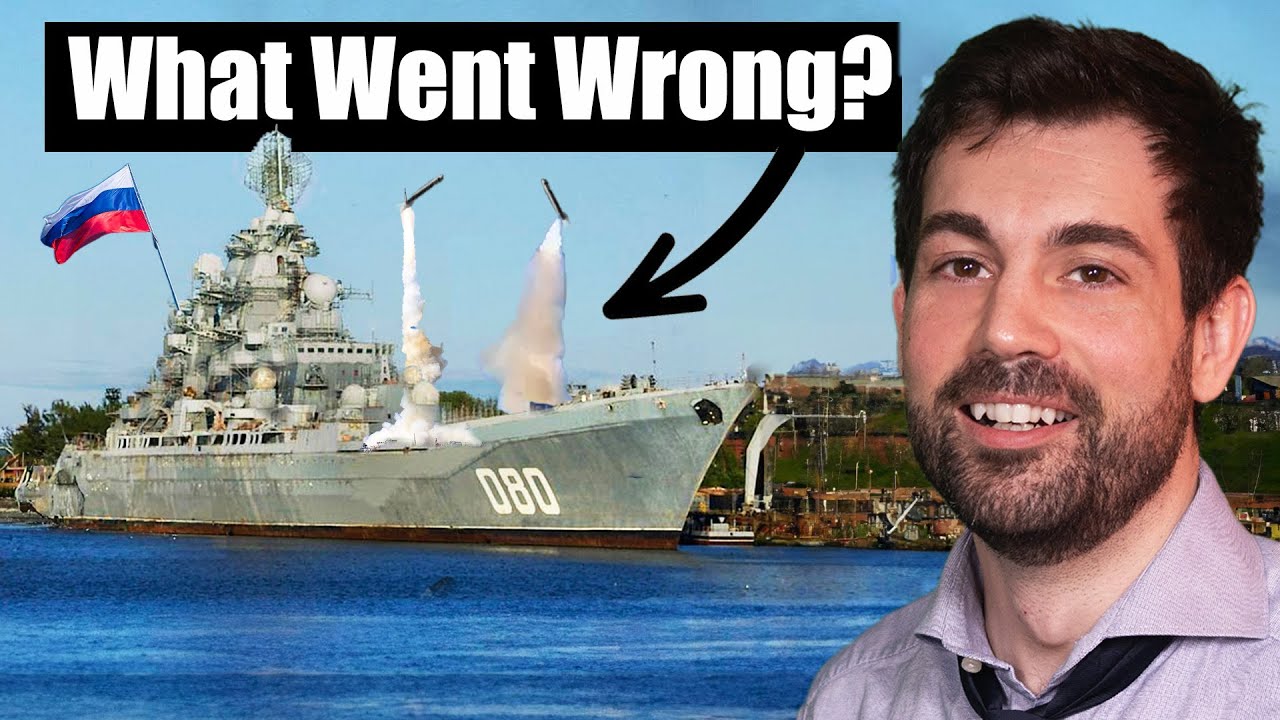
The Kirov Class nuclear-powered battlecruiser, specifically the Admiral Nakhimov, represents a significant case study in modern naval strategy, illustrating the complexities of military procurement and the challenges associated with maintaining aging fleets. Docked since 1997 for extensive renovations, the ship has absorbed over $5 billion in upgrades without yet proving its operational capabilities. This analysis will explore the implications of such financial commitments on national security and naval effectiveness, particularly in light of the operational inefficiencies reflected in the Admiral Nakhimov’s prolonged downtime.
Further comparison to the United States Navy’s Littoral Combat Ship reveals common threads of operational challenges and strategic misalignment in modern naval doctrine. With an emphasis on anti-air and missile defense capabilities, the Admiral Nakhimov is expected to assert Russian naval presence in vital geopolitical regions. However, the high operational costs and extensive refurbishment timeline prompt critical questions regarding its ultimate utility and effectiveness in responding to contemporary naval threats. Through a thorough examination of these factors, the article aims to illuminate the broader challenges facing naval procurement strategies in the current military landscape.
Overview of the Admiral Nakhimov

History and Development of the Kirov Class
The Kirov class, a formidable endeavor in naval architecture during the Cold War era, was designed with the ambition of establishing Soviet maritime dominance. Initiated in the 1970s, this class aimed to create a series of heavy nuclear-powered battlecruisers capable of sustaining extensive offensive and defensive operations. However, as the tides of history shifted, only four ships were ultimately completed, with the Admiral Nakhimov among them. This vessel, commissioned in 1988, epitomizes the struggles of Soviet naval procurement processes and post-Cold War priorities. After the collapse of the Soviet Union, many of these ambitious projects were shelved, with the Nakhimov itself now resting in a prolonged state of renovation since 1997, symbolizing the financial crises and military restructuring that followed the end of an era.
Design Specifications and Armament
At over 28,000 tons and extending 252 meters in length, the Admiral Nakhimov is a colossus designed for multi-dimensional warfare. It was engineered to carry an extensive array of armaments, including anti-ship, anti-air, and land-attack missiles. Specifically, it has been equipped to launch a total of 174 missiles, encompassing a suite of anti-ship missiles, cruise missiles, and air defense systems like the S-300 and S-400. This arsenal was explicitly calibrated to deter and combat U.S. Navy carrier groups. The battlecruiser’s design also incorporates advanced radar systems and electronic warfare capabilities, aiming to provide a robust defensive and offensive maritime posture. Yet, the ongoing upgrades, particularly the integration of hypersonic missile technology, have raised questions regarding the effectiveness of historical designs in contemporary naval warfare.
Current Status and Renovation Timeline
Currently docked at the SevMash shipyard in Russia since the late 1990s, the Admiral Nakhimov has become emblematic of bureaucratic delays and fiscal mismanagement in military procurement. The renovations, initially anticipated to take only a few years, have languished due to financial constraints and shifting military priorities. As of 2023, reports suggest that the ship may be operational by 2025; however, the persistent delays have raised skepticism among military analysts. The projected financial outlay of over $5 billion for upgrades emphasizes the daunting challenge of modernizing a vessel initially designed over four decades ago. The ship’s future is pivotal, not merely for Russia’s navy but as a case study in the complexities of military modernization.
Investment Analysis
Financial Cost of Upgrades
Evaluating the financial aspect of the Admiral Nakhimov’s renovations reveals a striking reality: over $5 billion has been spent thus far. This staggering amount has raised questions regarding the financial prudence of investing such resources into an aging vessel. Each year of further delays adds to the cumulative costs, creating a fiscal trench that may ultimately outweigh the prospective benefits. Moreover, as priorities within the Russian military architecture shift, the rationale behind continued investments in a singular asset becomes ambiguous and contentious. Analysts must consider whether the funding could be better allocated to modernizing other facets of the navy or enhancing complementary platforms.
Assessment of Priorities in Military Spending
Amidst economic constraints and strategic recalibrations, the continued focus on the Admiral Nakhimov reflects broader issues within the Russian military establishment. With naval priorities altering from traditional surface combatants to enhanced missile capabilities and unmanned systems, the investment in the Nakhimov may be indicative of a reluctance to adapt to current security dynamics. The challenge lies in balancing the modernization of legacy systems while transitioning to contemporary warfare requirements. The prioritization of such expensive upgrades amidst budgetary constraints poses critical questions regarding the future trajectory of Russian naval strategy.
Long-term Financial Implications for the Russian Navy
In the broader context of Russian naval strategy, the financial implications of the Admiral Nakhimov’s upgrades are multifaceted. As resources are allocated towards this singular project, the opportunity costs associated with missed investments in other naval assets and technologies can be substantial. Furthermore, the potential for prolonged operational downtime risks diminishing the capability of the Russian navy in the near term, particularly as geopolitical tensions mount. Ultimately, the financial sustainability of maintaining and upgrading aging assets like the Nakhimov could hinder the overall modernization of the fleet, limiting the adaptability of the Russian navy in responding to evolving threats.
Comparative Naval Strategies
Admiral Nakhimov vs. U.S. Navy’s Littoral Combat Ships
When juxtaposed against contemporary vessels such as the U.S. Navy’s Littoral Combat Ships (LCS), the Admiral Nakhimov reveals crucial strategic divergences. The LCS, with its modular design and focused engagement capabilities in near-shore environments, contrasts sharply with the Nakhimov’s role as a multi-missile platform. While the Nakhimov aims to project power across vast expanses, the LCS prioritizes versatility and high-speed maneuverability in littoral engagements. This fundamental difference in operational design underlines the evolving nature of naval warfare, raising questions about whether an investment in distinct capabilities such as those seen in the LCS may be more adaptable to contemporary combat scenarios.
Operational Effectiveness of Sea Denial vs. Power Projection
The Admiral Nakhimov fundamentally symbolizes a doctrine rooted in sea denial, designed to thwart enemy access to crucial maritime zones. In contrast, U.S. naval strategy emphasizes power projection through carrier strike groups capable of projecting force globally. This dichotomy raises critical questions regarding the effectiveness of each approach in modern warfare. In particular, you might consider how the environmental dynamics in regions such as the Arctic and the Mediterranean will challenge the operational effectiveness of Russia’s sea denial strategies. As the global geopolitical landscape continues to evolve, the Nakhimov’s role in Russia’s naval strategy may necessitate a reevaluation of its operational relevance in the face of new maritime threats.
Lessons Learned from NATO Naval Strategies
Analyzing the experiences of NATO naval strategies offers crucial insights that can elucidate potential shortcomings and opportunities for the Russian navy. The NATO focus on integration, interoperability, and technological innovation in naval warfare serves as a potential lesson for enhancing the capabilities of the Admiral Nakhimov and the broader Russian fleet. The lessons drawn from recent global maritime exercises underscore the importance of collaboration among allied forces and the need for adaptability in the face of changing threats. As Russia contemplates its naval future, the examination of NATO strategies could provide constructive pathways to refine operational doctrines and enhance maritime responsiveness.
Operational Challenges
Maintenance and Logistical Issues
The Admiral Nakhimov’s extended period of inactivity underscores significant challenges in maintenance and logistics that have plagued the Russian navy for decades. With the ship undergoing renovations for over a quarter-century, logistical support systems and supply chains must be critically examined. The complexity of restoring a vessel of the Nakhimov’s scale necessitates not only financial resources but also skilled labor and modern technological facilities, both of which have proven inconsistent within Russian naval operations. Such persistent challenges pose serious implications for the operational turnaround expected post-renovation.
Budget Constraints Impacting Readiness
Protracted budgetary constraints are intrinsically linked to the Admiral Nakhimov’s delays, influencing the vessel’s readiness status significantly. With the Russian military navigating financial limitations amidst geopolitical tensions, the impact on naval readiness is profound. The inability to consistently fund upgrades, coupled with shifting military priorities, creates a scenario where readiness is compromised. Furthermore, a lack of fiscal stability may affect the recruitment and retention of skilled personnel, as financial considerations increasingly dictate operational capabilities within the navy.
Prolonged Downtime and its Effect on Fleet Morale
The prolonged downtime of the Admiral Nakhimov has cascading effects beyond mere operational readiness. The uncertainty associated with the ship’s future can contribute to declining morale within the fleet. Sailors and officers alike may question the effectiveness of investing in aging technology, leading to potential disillusionment with the naval mission. Such morale issues can have a pervasive impact on training regimes, operational cohesion, and the overall effectiveness of the Russian navy as it seeks to maintain a credible maritime posture in a rapidly changing security environment.
Missile Capabilities and Limitations
Targeted Upgrades for Missile Systems
As the Admiral Nakhimov undergoes its significant refit, the focus on upgrading its missile systems represents a critical aspect of its modernization. The vessel aims to be equipped with advanced cruise missile systems, including those targeting ground and naval threats. These upgrades not only enhance the ship’s lethality but signify a move to integrate high-precision weaponry into the Russian naval arsenal. However, the successful realization of these upgrades will hinge upon the coherence of the modernization process and the ability to retrofit current systems effectively within the existing framework of the ship.
Effectiveness of Hypersonic Missile Integration
The advent of hypersonic missile technology presents both opportunities and challenges for the Admiral Nakhimov. With plans for their incorporation, such as the 3M22 Tsirkon, these systems promise to enhance the ship’s operational effectiveness dramatically. However, the integration of hypersonic capabilities requires advanced targeting systems and logistical support to ensure effective deployment. As the geopolitical landscape evolves, the reliability and efficacy of these hypersonic missiles will determine whether the Admiral Nakhimov can regain its intended role as a deterrent against adversarial naval forces.
Comparative Analysis Against Modern Naval Threats
When evaluating the Admiral Nakhimov’s missile capabilities in the context of modern naval threats, one must consider technological evolutions in both adversary systems and global naval platforms. New surface combatants and unmanned systems showcase enhanced operational capabilities capable of counteracting traditional firepower. The Nakhimov’s missile systems will need to demonstrate significant adaptability in facing these contemporary threats. Analyzing the potential of its cruise and hypersonic missiles against rival naval platforms will be essential in assessing the ship’s overall relevance in modern maritime warfare.
Geopolitical Implications
Strategic Deployment in the Arctic
The geographic importance of the Arctic region underscores the strategic necessity of the Admiral Nakhimov within Russian naval doctrine. As global interest in the Arctic intensifies due to resource exploration and shifting naval routes, the Nakhimov may serve as a key asset for asserting Russian influence in the area. The ship’s deployment could signal a commitment to maintaining control over maritime spaces, reinforcing a narrative of power in a region that is becoming increasingly contested by multiple states, including the United States and NATO allies.
Impact on Global Naval Power Dynamics
The modernization and potential deployment of the Admiral Nakhimov could shift the balance of naval power in both regional and global contexts. As Russia reinvigorates its naval capabilities, the implications of its updated battlecruiser will inevitably prompt reassessments of existing naval postures by other global powers. The ripple effects of increased Russian naval presence in strategic waters may catalyze race dynamics among nations, emphasizing the need for sustained naval readiness and strategic planning.
Response of Neighboring Naval Forces
As Russia moves closer to revitalizing the Admiral Nakhimov, neighboring naval forces are likely to respond with equal vigor. Nations observing Russia’s naval modernization are expected to enhance their own capabilities in response, fueling a competitive arms race in maritime domains. This dynamic requires Russia to be acutely aware of potential escalations and to devise prioritization in its own naval strategy to maintain a credible deterrent.
The Role of Nuclear Power
Advantages of Nuclear Propulsion
The nuclear propulsion of the Admiral Nakhimov provides significant advantages, including extended operational endurance without the need for refueling. This capability allows the vessel to operate in remote or contested regions where logistical support may be difficult to attain. Additionally, nuclear power enhances the ship’s speed and agility, contributing to its potential effectiveness in high-stakes maritime engagements. The operational autonomy afforded by nuclear propulsion can be a decisive factor as the Russian navy seeks to project power in critical maritime areas.
Operational Cost Considerations
While nuclear propulsion offers substantial advantages, it is accompanied by high operational costs and complex maintenance requirements. The expenses associated with managing nuclear reactors and training crews with specialized technical expertise can detract from the overall cost-effectiveness of the Admiral Nakhimov. As Russia contemplates the long-term implications of its nuclear-powered vessels, the balance between operational capabilities and financial sustainability will play a critical role in shaping the future of their naval fleet.
Strategic Value Compared to Conventional Vessels
In comparing the Admiral Nakhimov to conventionally powered vessels, the strategic value of nuclear power becomes starkly evident. While conventional ships may offer initially lower costs, their limitations in range and operational capability can hinder them in protracted engagements. The Nakhimov’s nuclear propulsion permits sustained presence in contested environments, potentially tipping the scales in maritime conflicts. Nevertheless, the effective integration of such advantages into operational strategies will ultimately determine their impact on the Russian navy’s efficacy.
Insights from Military Experts
Chris Cappy’s Perspective on Military Evolutions
Military expert Chris Cappy’s assertions regarding the evolution of military assets resonate deeply within the context of the Admiral Nakhimov. His insights highlight the tragedy of investing vast resources into a singular maritime asset while the broader strategic landscape evolves. Cappy articulates the necessity of versatility and adaptability in modern military operations, urging a reevaluation of traditional naval hierarchies. The need for dynamic solutions amidst a shifting threat environment is paramount, a point underscored by the stagnation of the Admiral Nakhimov amidst ambitious plans.
Impact of Technology on Naval Doctrine
The interplay of technology and naval doctrine continues to shape the maritime battlefield. As weapons systems evolve, so too must strategies and operational concepts. The potential integration of cutting-edge systems into the Admiral Nakhimov offers a glimpse into a possible synergy between tradition and innovation. However, a failure to embrace necessary shifts may render the vessel obsolete relative to newer combat paradigms. Learning from past evolutions in naval doctrine, the Russian navy must proactively adapt to ensure relevance amidst a landscape of rapid technological change.
Tragedy of Outdated Military Assets
Examining the Admiral Nakhimov illustrates a broader tragedy of outdated military assets within the Russian navy. The prolonged delays and substantial investments signal a troubling commitment to legacy systems, potentially stifling modernization efforts. The juxtaposition of historical ambitions against contemporary realities exposes the critical need for naval reform. The story of the Nakhimov is not merely about a battlecruiser; it encapsulates the challenges faced by any military striving to maintain effectiveness in an era characterized by constant transformation.
Future Prospects for Admiral Nakhimov
Anticipated Operational Date and Readiness
Looking ahead, projections for the operational date of the Admiral Nakhimov suggest a return to active service by 2025. This timeline is contingent upon successful completion of the extensive upgrades that have ensnared the vessel in a state of prolonged renovation. As deadlines approach, military planners must grapple with the implications of delayed readiness on the Russian navy’s operational capabilities. The anticipated return must be coupled with realistic assessments of the ship’s performance in the current geopolitical tableau, potentially recalibrating expectations.
Potential Roles in Future Conflicts
In contemplating the future roles of the Admiral Nakhimov, one must consider its possible deployment in a contemporary conflict landscape characterized by hybrid warfare and complex maritime challenges. The battlecruiser may find its utility in scenarios ranging from deterrent displays to engagement in asymmetrical warfare. Identifying clear and strategic roles will be essential for maximizing the effectiveness of its capabilities, providing the Russian navy with a means to respond to evolving threats in contested environments.
Probable Upgrades and Modifications Ahead
As modernization efforts progress, further upgrades and modifications of the Admiral Nakhimov are likely anticipated post-recommissioning. As strategic evaluations dictate, additional enhancements may focus on improving sensor technologies, cyber warfare capabilities, and integration with unmanned systems. The ongoing evolution of threats demands a forward-looking approach, one that ensures the Admiral Nakhimov retains relevance in an ever-changing maritime landscape.
Conclusion
Summary of Key Points
The Admiral Nakhimov stands as a testament to both the ambitions and challenges inherent in modern naval warfare. From its historical context as a relic of Cold War aspirations to its ongoing renovations, the vessel encapsulates the complexities of military investment amidst shifting geopolitical realities. Evaluating its capabilities, operational challenges, and prospective strategic roles reveals broader implications for the Russian navy.
Final Thoughts on Naval Strategy Impact
As the Admiral Nakhimov moves toward a projected operational date, its influence underscores the need for coherent naval strategy. The decisions made surrounding its deployment, alongside the broader modernization challenges, will shape Russian maritime posture in the foreseeable future. Integrating innovation, optimizing operations, and ensuring effective procurement policies are critical considerations moving forward.
Future of Russian Naval Expansion
In conclusion, the future trajectory of the Admiral Nakhimov and the Russian navy will hinge upon their responsiveness to evolving maritime threats and geopolitical pressures. With shifting dynamics in global naval power, the adaptability and relevance of the Kirov class will play a central role in establishing Russia’s maritime aspirations. Navigating these complexities will determine the effectiveness of the Russian navy as it seeks to define its role in a 21st-century security context.