
The historical narrative surrounding the Persian Empire and the Ionian Revolt reveals a critical moment in the trajectory of ancient Greece and its struggle for autonomy. In 499 BC, the rebellion initiated by the Greek city of Miletus against Persian domination showcased the interconnectedness of Greek cities, with Athens and Eretria extending support to their Ionian counterparts. However, this act of defiance prompted Darius the Great to orchestrate a formidable campaign aimed at punishing the Greeks, leading to a series of events that would heighten tensions and set the stage for a significant confrontation.
This article examines the pivotal developments from the Ionian Revolt to the Battle of Marathon, where strategic military decisions and emerging democratic sentiments played crucial roles in shaping Athenian resistance. The response of Athenian general Miltiades and subsequent military tactics culminated in a remarkable victory against a vastly more powerful Persian force, thus underscoring the resilience of the Greek city-states. By exploring the alliances formed and the socio-political landscape of the period, an understanding of the enduring struggle for Greek identity and freedom emerges against the backdrop of Persian imperial ambitions.
Background of the Persian Empire
Establishment and Expansion
The Persian Empire began its significant rise with the establishment of a centralized authority under Cyrus the Great in the mid-6th century BC. Geographically extensive, it would eventually span three continents, including parts of modern-day Iran, Turkey, Egypt, and the expansive territories of Central Asia. This empire emerged not merely as a political entity, but as a quotation of cultural synergy, gathering diverse peoples and cultures under one administrative framework. Cyrus’s successors, notably Darius the Great, expanded the empire further through a series of military campaigns and conquests, consolidating power and establishing the Persians as a dominant force in the ancient world. During this period, the Persian Empire cultivated a reputation for infrastructural innovation, including the Royal Road, which facilitated trade and communication across vast distances.
Diversity of Kingdoms within the Empire
One of the defining characteristics of the Persian Empire was its remarkable diversity. Comprised of various kingdoms—each with distinct customs, languages, and religions—it operated under a model of governance that allowed for a degree of local autonomy. The satrap system, employed by Darius, created provincial governors who were responsible for collecting taxes and maintaining order, while also adhering to the overarching authority of the Persian king. This approach fostered a degree of flexibility and adaptability, allowing the empire to integrate and assimilate the customs of various conquered peoples, from the Medes and Babylonians to the Egyptians and Lydians.
Persian Cultural and Administrative Influence
The influence of Persian culture and administrative practices spread across the regions within the empire, resulting in a blend of traditions that shaped subsequent civilizations. The Persian system of governance, characterized by clarity of law and relatively benevolent rule, promoted trade, commerce, and the arts. The introduction of a standardized currency facilitated economic transactions, while the promotion of Zoroastrianism introduced a unifying religious framework that influenced various aspects of life. As a result, despite linguistic and cultural diversity, a sense of shared identity began to emerge among the subjects of the empire, forming the basis for future interactions and exchanges between different civilizations.
The Ionian Revolt (499 BC)
Origins of the Revolt in Miletus
The Ionian Revolt, which erupted in 499 BC, can be traced back to the grievances of the Ionian Greeks living under Persian rule, particularly in Miletus. The oppressive policies and heavy taxation imposed by the Persian satraps led to widespread discontent. Miletus, a powerful city-state known for its wealth and cultural achievements, became a focal point for rebellion. Influenced by political exiles and a desire for independence, the citizens of Miletus sought to overturn Persian control and reclaim their autonomy.
The Role of Athens and Eretria
The cry for freedom resonated with neighboring city-states, notably Athens and Eretria. Despite their political differences and internal strife, the shared Greek identity motivated these states to provide support to the Ionian rebels. Athens, driven by a burgeoning desire for influence in the region and a commitment to liberty, dispatched ships and troops to aid the insurgents. Eretria, likewise, contributed forces, marking a turning point in the collective Greek response to Persian domination. The successful capture of Sardis, a major Persian stronghold, galvanized the revolt and demonstrated the potential for unity among the Greek cities against a common oppressor.
Significance of the Capture of Sardis
The significance of the fall of Sardis to the rebels cannot be overstated. Sardis, one of the administrative capitals of the Persian Empire, represented not only a logistical challenge to Persian authority but also a psychological victory for the Greeks. This event sent shockwaves throughout the empire, showcasing the vulnerability of Persian power and inspiring further revolts. The capture highlighted the potential for Greek city-states to collaborate, igniting hopes for liberation across the Ionian coast and fueling resentment toward Persian rule throughout the Greek world.
Darius the Great’s Response
Motivations for Punishment
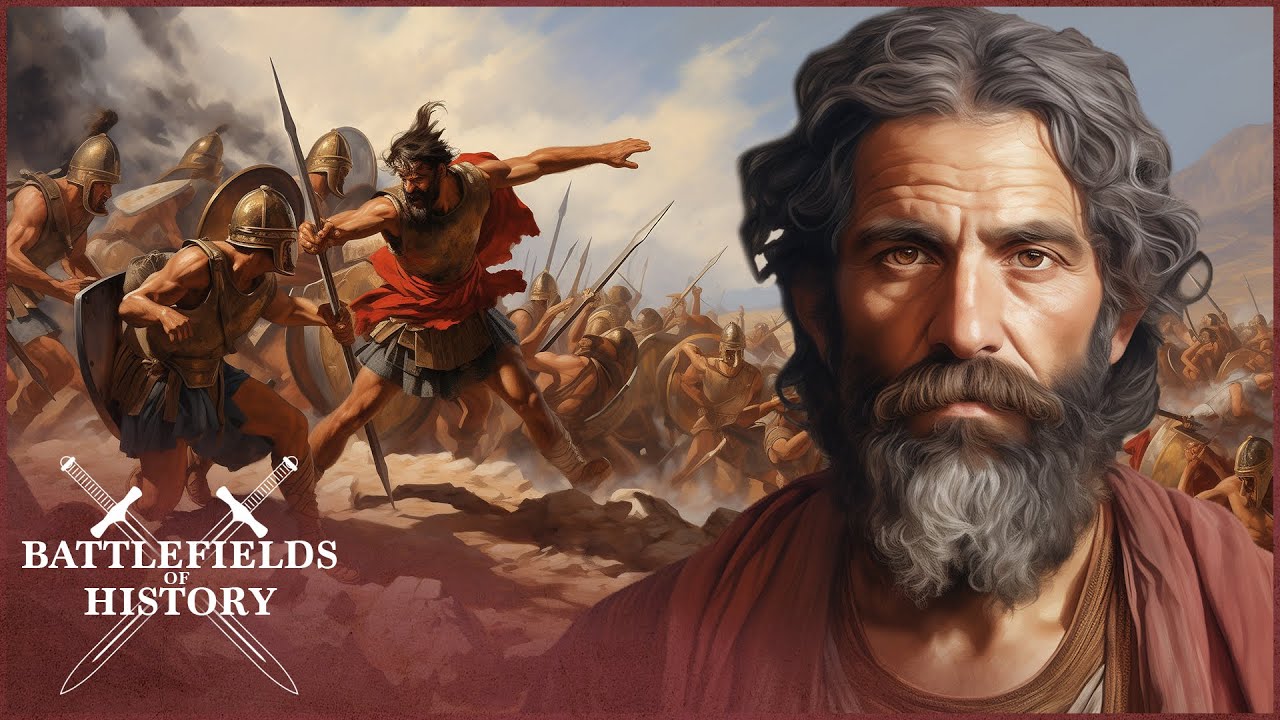
In the aftermath of the Ionian Revolt, Darius the Great was driven by a desire to reassert Persian dominance and punish those city-states that had assisted the revolt. Sardis’s capture represented an affront to Persian authority; thus, it demanded a retaliatory response that would serve as a lesson to others who might contemplate rebellion. Darius’s motivations extended beyond mere retribution; he aimed to solidify his rule over the empire and prevent any further insurrections.
Siege of Miletus
The focus of Darius’s wrath was Miletus, the epicenter of the insurrection. In 494 BC, the Persian forces, utilizing a coordinated campaign involving land and naval strategies, laid siege to the city. The siege was a demonstration of Persian military capability, blending infantry, cavalry, and naval assets in a concerted effort to crush the rebellion. After a prolonged confrontation, Miletus fell, its citizens subjected to punishment and subjugation. This brutal consequence served as a stark warning to the remaining Greek city-states, reaffirming the might of the Persian Empire.
Consequences for the Ionian Cities
The fall of Miletus marked a critical juncture in the relationship between Persia and the Ionian Greeks. The city was reduced to ruins, and its population faced enslavement or forced integration into the Persian state. The punitive measures inflicted upon Miletus and the other Ionian cities created a climate of fear and subservience throughout the region. The repercussions extended to the broader Ionian context, instilling a deep sense of vulnerability among other city-states while simultaneously igniting the embers of a long-term resistance against Persian authority that would eventually culminate in the larger conflict known as the Greco-Persian Wars.
Role of Miltiades
Background and Experience
Miltiades emerged as a prominent Athenian general during a time of great turmoil and uncertainty. Born into a noble family, he garnered a reputation for his military prowess, particularly from his past experiences serving within the Persian military. This unique perspective granted him insights into Persian strategies and operations, positioning him as a valuable asset for Athens in its impending confrontation with the empire. His understanding of Persian tactics and governance endowed him with a distinctive edge among Athenian leaders, who were often ill-prepared for the complexities of warfare against such a formidable adversary.
Leadership in Athens
As tensions mounted, Miltiades rose to a position of significant influence within the Athenian government. His reputation as a skilled strategist and charismatic leader allowed him to voice critical perspectives on military preparedness. Advocating for a robust response to the Persian threat, he sought to unify the citizens of Athens and rally them against a common enemy. Miltiades’s ability to inspire trust and engender a sense of collective responsibility among the citizen-soldiers played a crucial role in Athenian military mobilization, fostering a commitment to protect their newfound democracy.
Strategic Contributions to Defense Preparations
Miltiades’s strategic mindset became instrumental in shaping Athens’ military readiness in the face of impending Persian aggression. He emphasized the importance of training and organization, instilling discipline among the Athenian hoplites who would form the core of the city’s defensive forces. Understanding the limitations of Athenian infantry and the strengths of the Persian forces, Miltiades proposed tactical innovations and employed unorthodox strategies, such as leveraging the advantageous terrain in and around Athens. His insights and experience proved vital in preparing the city for the anticipated conflict, ensuring that the Athenians would not only fight for their freedom but do so with a fighting chance.
Rise of Athenian Democracy
Foundational Changes in Governance
The rise of Athenian democracy in the early 5th century BC represented a seismic shift in governance, fundamentally altering the political landscape of Athens. Following the end of tyranny in 508 BC, significant legislative reforms enacted by Cleisthenes laid the groundwork for a more inclusive political system. These reforms aimed to dismantle aristocratic control and empower the broader citizenry, fostering a sense of collective identity among the Athenian populace. The establishment of institutions such as the Assembly and the Council of Five Hundred ensured that citizens could participate directly in political decision-making, marking a turning point in the history of governance.
Citizen Participation in Political Life
Athenian democracy championed the principle of citizen involvement in public affairs, advocating for an engaged populace that would actively shape the direction of their city-state. Every eligible citizen, regardless of wealth or lineage, was afforded the right to speak and vote in the Assembly. This civic engagement not only fostered a sense of belonging but also encouraged a shared commitment to the common good. The participation of citizens in political discourse precipitated passionate debates over policy and governance, ultimately shaping Athens’ response to the Persian threat.
Impact on Military Mobilization Against Persians
The democratic ethos of Athens played a pivotal role in mobilizing citizens for military action against Persian aggression. With an engaged electorate, the urgency of the Persian threat galvanized support for military campaigns. Citizens felt an intrinsic connection to the defense of their homeland due to the political system’s inclusiveness. As a result, Athenian democracy nurtured a spirit of unity and resilience that motivated citizens to uphold their democratic values through military sacrifice. Collective efforts in the face of adversity transformed the Athenian populace into one of the most formidable military forces in the region.
Persian Military Strategy
Planning the Invasion
In response to the events of the Ionian Revolt, Darius the Great embarked on a comprehensive military campaign aimed at subduing the Greek city-states, a venture that would culminate in the Persian invasion of Greece. Darius meticulously crafted his strategy, recognizing the need for a multifaceted approach that would leverage the empire’s considerable resources and military capabilities. His plan encompassed land and naval forces, utilizing the Persians’ renowned cavalry and archers to overwhelm the opposing Greek forces systematically.
Mobilization of Fleet and Cavalry
The mobilization of the Persian fleet was a cornerstone of Darius’s strategy. By assembling an impressive armada of approximately 600 ships, Darius sought to leverage Persian naval superiority to launch attacks on coastal cities, with a particular focus on key locations along the Aegean Sea. The Persian cavalry, composed of highly trained horsemen, complemented this naval force, intended to strike fear into the hearts of the Greek defenders both on land and at sea. This dual thrust aimed to quash any semblance of unity among the Greeks and reestablish Persian hegemony.
Strategic Advantages of Persian Forces
The Persian military apparatus possessed inherent advantages that were difficult for the Greeks to counter. The combination of superior numbers, diversified tactics, and access to advanced weaponry provided the Persians with a formidable edge. Darius’s forces, trained in both archery and hand-to-hand combat, could exploit their numerical superiority by deploying coordinated assaults against the Greek formations. The disciplined nature of the Persian military allowed for substantial maneuverability, enabling them to adapt and respond to the dynamic battlefield conditions they encountered in their campaign against the fractious Greek city-states.
Athens and Sparta’s Potential Alliance
Pre-Invasion Diplomatic Efforts
Recognizing the looming threat of Persian expansion, the Greek city-states, particularly Athens and Sparta, began to engage in preliminary diplomatic overtures in an effort to forge an alliance. Despite their historical rivalries and ideological differences, both city-states understood that underestimating the Persian menace could lead to catastrophic consequences for the entirety of Greece. Diplomatic efforts to unify their forces reflected a growing awareness of a common enemy, laying the groundwork for collaboration amid the chaos.
National Unity Against a Common Threat
The emergence of a common threat necessitated a reconsideration of previous hostilities between the city-states. As the specter of Persian invasion loomed, discussions regarding a united front against the Persians gained traction. As the elite warriors of Sparta and the determined citizen-soldiers of Athens contemplated their options, a palpable sense of urgency prevailed. This burgeoning sense of national unity aided in fostering mutual respect among former adversaries, highlighting the need to prioritize collective security over individual ambitions.
Historical Context of Athenian-Spartan Relations
The relationship between Athens and Sparta was historically fraught with hostilities, characterized by deep-seated rivalries and contrasting political systems. The Athenian commitment to democracy was at odds with Sparta’s militaristic oligarchy, which emphasized discipline and authoritarian rule. As the Persian threat intensified, the prospects for cooperation required an earnest reassessment of existing prejudices. This historical context provided a backdrop for the eventual unification of their military forces in defense of Hellenic interests, raising the stakes for both city-states to transcend their differences for the sake of survival.
Battle of Marathon
Overview of the Forces Involved
The Battle of Marathon, fought in 490 BC, marked a pivotal clash between the Athenian forces and the Persian invasionary army. The Athenian contingent, consisting of approximately 9,000 citizen-soldiers, faced an estimated 50,000 Persian troops led by General Datis. The stark disparity in numbers highlighted the audacity of the Athenian position, but the battle soon became a testament to the valiant spirit and ingenuity of the outnumbered forces.
Tactical Approaches of the Athenian Army
The Athenian forces, under the command of Miltiades, employed innovative tactics that capitalized on their familiarity with the terrain and strategic positioning. Realizing that a direct confrontation with the more numerous Persian cavalry could spell disaster, Miltiades ordered a deployment that emphasized a concentrated central attack, flanked by the hoplites on the wings. This maneuver allowed the Athenians to envelop the Persian forces during the assault, exploiting their superior agility and discipline to create opportunities for decisive engagements.
Outcome and Immediate Aftermath of the Battle
The Athenian victory at Marathon was a remarkable turning point in the Greco-Persian conflicts. Against overwhelming odds, the Athenian forces secured a stunning victory, inflicting significant casualties on the Persian army while suffering minimal losses themselves. The battle’s aftermath reverberated throughout Greece, instilling a renewed sense of confidence in the abilities of the Greek city-states. Moreover, the victory at Marathon became a symbol of Athenian resilience and a powerful assertion of their commitment to preserving democracy in the face of external threats, setting the stage for future collaborations and conflicts among the Greek states.
Aftermath of the Battle
Short-Term Effects on Athenian Society
In the immediate aftermath of the Battle of Marathon, Athens experienced a surge of national pride and unity. The victory over the formidable Persian forces galvanized the Athenian populace, bolstering their confidence in their democratic institutions and military capacities. Throngs of citizens celebrated the triumph, marking the occasion with festivals and commemorations in honor of the fallen soldiers. This newfound sense of solidarity played a crucial role in fostering an enduring commitment to collective identity and resistance against future threats, reshaping the narrative of Athenian society.
Long-Term Implications for Greek Unity
The success at Marathon had profound long-term implications for Greek unity. It set a precedent for cooperation among the once-fractured city-states, illustrating the potential for collaboration against a common adversary. The victory instilled a sense of purpose among the Greeks, prompting cities to consider alliances and mutual support in the face of shared challenges. Consequently, the reverberations of Marathon would lead to a burgeoning movement of unity that would emerge during subsequent conflicts, further solidifying the foundations of Hellenic identity.
Symbolism of Resistance Against Oppression
The battle and its aftermath became a powerful symbol of resistance against oppression. The Athenian triumph at Marathon served as a tangible embodiment of the commitment to maintaining democratic principles in the face of tyranny. As the narrative of the battle spread, it inspired subsequent generations to view their struggle against the Persians as not merely a military contest but as a fight for personal and collective freedoms. The legacy of this resistance would resonate throughout the centuries, reminding future civilizations of the enduring battle between liberty and oppression.
Conclusion
Summary of Key Events
The interplay between the Persian Empire’s expansion, the Ionian Revolt, and the subsequent Battle of Marathon unveils a complex tapestry of conflict and resistance. The establishment of the Persian Empire and its subsequent challenge by the Ionian Greeks laid the groundwork for an epic confrontation, further complicated by the aspirations of Athenian democracy and the eventual alignment of various Greek city-states. The Athenian victory at Marathon is a landmark in this historical arc, reflecting the confluence of military strategy, citizen engagement, and the relentless pursuit of freedom.
Reflection on the Importance of the Athenian Resistance
The Athenian resistance against the Persians extends beyond mere military victory; it symbolizes the triumph of democratic values over tyrannical oppression. This pivotal moment in history underscores the significance of collective action and courage in the face of overwhelming odds, offering valuable insights into the complexities of political identity and societal engagement. The cultural and political ramifications of this resistance influenced future generations and shaped the trajectory of Western civilization.
Lessons Learned from the Ancient Rebellion
The narrative of resistance against the encroaching Persian Empire offers timeless lessons regarding the nature of power, governance, and the resilience of the human spirit. It reveals the capacity for unity in the face of adversity and underscores the importance of citizen participation in shaping political destiny. Ultimately, the events surrounding the Athenian resurgence spark a contemplation of individual and collective responsibility within the broader context of societal struggles for freedom—a reflection that resonates with contemporary conversations about democracy and governance still relevant today.