
The Thirty Years’ War (1618-1648) stands as a pivotal moment in European history, marked by profound religious and political discord. Initiated by the tensions between Catholic and Protestant factions, this conflict unfolded against the backdrop of significant societal transformations, including the intellectual resurgence of the Renaissance and advancements in navigation. The war not only reshaped the religious landscape but also catalyzed the evolution of secular political power structures, influenced by prominent figures such as Martin Luther and Gustavus Adolphus.
This article will examine the origins and progression of the Thirty Years’ War, exploring how it transitioned from a religious conflict into a broader struggle for power among European states. The devastating human toll, marked by tragic civilian casualties and societal upheaval, will be highlighted alongside the eventual Peace of Westphalia, which sought to establish a framework for coexistence amidst ongoing strife. The legacies of this tumultuous period, including the emergence of modern concepts of state sovereignty and the implications of religious conflict, will also be discussed to elucidate its lasting impact on European history.
The Thirty Years’ War: An In-Depth Examination
Background of the Thirty Years’ War
Religious Tensions in Europe
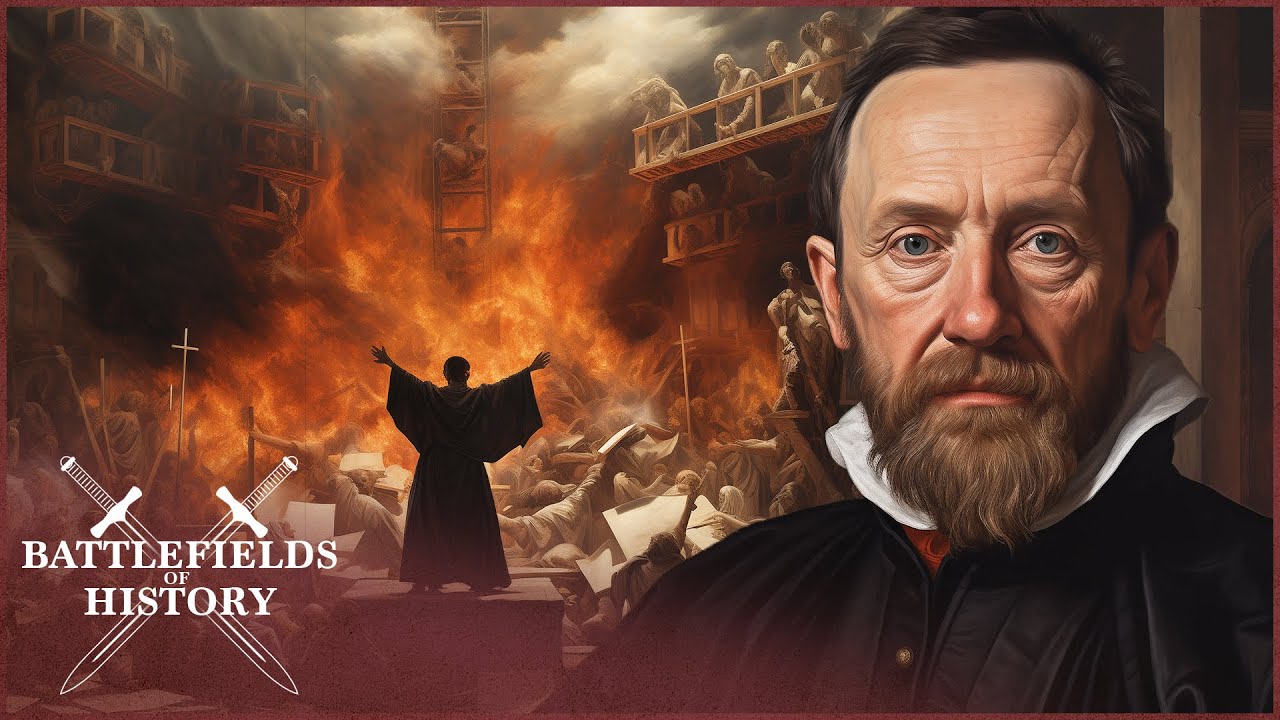
The Thirty Years’ War, occurring between 1618 and 1648, emerged from profound religious tensions that characterized early modern Europe. The conflict primarily involved two denominations of Christianity: Protestantism and Catholicism. This period was marked by a significant fracturing of religious authority, where established Church doctrines faced challenges from reformers. The political landscape of Europe was further complicated by the alignment of various states and principalities along religious lines. The Protestant Reformation, initiated in the early 16th century by figures like Martin Luther, catalyzed a series of movements that led to schisms within the Church, fostering animosity and suspicion between confessional groups. The resultant fragmentation of Christendom was not merely spiritual; it became a breeding ground for political conflict, as various European powers sought to impose their sectarian agendas on their neighbors.
The Impact of the Protestant Reformation
The Protestant Reformation fundamentally redefined the dynamics of power in Europe. With Luther’s 95 Theses, which criticized the Catholic Church’s practices, a wave of reformist fervor swept across the continent. Various regions embraced Protestantism, leading to the establishment of state churches that diverged from the Roman Catholic Church. This shift created a landscape where loyalty to confessional identity often dictated political alliances. The escalating tensions manifested in violent uprisings and wars, with the religious motivations for conflict becoming increasingly entangled with broader struggles for territorial and political dominance. As Protestant cities and principalities sought to assert their independence against Catholic rulers, the potential for widespread conflict became evident.
Political Power Struggles Leading to War
The interplay between religion and politics became increasingly apparent as the early 17th century approached, with the Holy Roman Empire being a central theater for these confrontations. The Empire’s decentralized structure meant that various princes and electors acted according to their interests, often siding with the Catholic Emperor, Ferdinand II, or aligning with various Protestant factions. Expanding ambitions and rivalries among these powers, compounded by the emperor’s efforts to centralize authority, positioned the continent on a collision course leading to war. The eruption of hostilities was, therefore, not merely a function of sectarian disputes but rather an unavoidable outcome of the complex political intrigues and aspirations that had been brewing for decades.
Key Events Leading to the War
The Defenestration of Prague
One of the seminal moments leading to the outbreak of the Thirty Years’ War was the Defenestration of Prague in May 1618. Protestant nobles in Bohemia revolted against the Catholic Habsburg Emperor Ferdinand II, stemming from grievances over religious freedoms. In a dramatic act of defiance, they threw two of Ferdinand’s representatives out of a window at Prague Castle, an act that proved both symbolic and literal, signifying a rejection of Habsburg authority. This incident galvanized Protestant resistance within the Empire and set the stage for the broader conflict that would unfold. The defenestration was not merely an isolated occurrence but represented the culmination of rising discontent among the Protestant aristocracy, serving as a catalyst for the wider war.
Formation of the Protestant Union
In response to the mounting pressures from Catholic forces, several Protestant states in the Holy Roman Empire united to form the Protestant Union in 1608. This coalition aimed to provide collective military support and maintain a semblance of security against perceived Catholic aggression. The establishment of the Union marked a significant moment of Protestant solidarity, bringing together disparate entities that had previously acted independently. However, internal divisions and differing priorities among its members ultimately undermined its effectiveness, especially when faced with coordinated Catholic opposition. The Protestant Union’s formation represented both a strengthening of the Protestant cause and the fractious nature that would characterize religious alliances throughout the war.
The Catholic League’s Counteractions
In direct opposition to the Protestant Union, the Catholic League was established in 1609, uniting Catholic states and principalities under a common cause. Spearheaded by Maximilian of Bavaria, the League sought to counteract Protestant influence and restore Catholic hegemony within the Empire. The Catholic League not only facilitated military collaboration among its members but also aimed to protect the interests of Catholics against the growing assertiveness of Protestant entities. As tensions heightened following the Defenestration of Prague, the efforts of the Catholic League intensified, leading to a violent escalation of conflicts, and the League’s military actions became integral to the Catholic response during the war.
Phases of the Thirty Years’ War
The Bohemian Phase (1618-1625)
The first phase of the Thirty Years’ War, known as the Bohemian Phase, began with the Defenestration of Prague. The Bohemian Protestants, under the leadership of Frederick V, elect a Protestant king in defiance of Ferdinand II, thus triggering a religious and political confrontation. The initial military successes of the Protestant forces, primarily during the Battle of White Mountain in 1620, soon turned disastrous, culminating in a decisive Catholic victory. The brutal repression that followed saw the re-establishment of Catholic dominance in Bohemia, with significant repercussions for the Protestant population, who faced persecution and forced conversions. This phase exemplified the volatile intersection of personal conviction and political strategy, as local grievances erupted into a wider conflict.
The Danish Phase (1625-1630)
Following the defeat of Protestant forces in Bohemia, Denmark entered the conflict, led by King Christian IV, to challenge the Habsburgs’ ambitions. This period, known as the Danish Phase, saw the Protestant cause reignited, albeit with a more defined political strategy, as Denmark aimed to expand its influence in Germany. However, the Catholic League, bolstered by the military prowess of Albrecht von Wallenstein, inflicted severe defeats on the Danes. The pivotal Battle of Lützen, where Wallenstein’s forces clashed with the Swedish-led army, marked the end of Danish hopes for territorial gains. The growing intervention of external powers underscored the war’s transformation from a purely religious conflict into a broader struggle for power, as alliances shifted based on strategic interests.
The Swedish Phase (1630-1635)
The entry of Sweden into the conflict under King Gustavus Adolphus marked the commencement of the Swedish Phase of the Thirty Years’ War. Motivated by both humanitarian concerns for German Protestants and opportunities to expand Swedish territory, Gustavus Adolphus emerged as a formidable military leader. His innovative tactics and battlefield strategies revitalized the Protestant cause, notably at the Battle of Breitenfeld in 1631, which established his reputation. However, the fragility of these gains became apparent as the war dragged on, with Swedish forces increasingly overstretched. The siege of Magdeburg in 1631 illustrated the war’s devastating effects on civilian populations, further complicating the already fractured loyalties and alliances amidst the carnage.
The French Phase (1635-1648)
The final phase of the Thirty Years’ War, often described as the French Phase, witnessed a shift in dynamics as France, a Catholic power, intervened directly against Habsburg interests. Despite being a devoutly Catholic nation, France recognized that a Habsburg victory would threaten its own territorial integrity and regional dominance. This phase was characterized by a series of complex alliances and conflicts involving the Spanish and the Holy Roman Empires. The war reached its apogee with catastrophic battles, involving mercenaries and combined forces, leading to extensive depopulation and societal turmoil. The culmination of these struggles, which extended over several years, eventually prompted negotiations that would lead to the Peace of Westphalia.
Major Battles and Campaigns
The Battle of White Mountain
One of the most significant engagements of the Thirty Years’ War was the Battle of White Mountain, fought on November 8, 1620. This battle represented the culmination of the Bohemian Phase, where Catholic forces decisively defeated the Protestant Union. The victory solidified Habsburg control over Bohemia and marked the decline of Protestant influence in the region. The aftermath saw brutal punitive measures enacted against Protestant nobles, including confiscation of lands and a campaign of religious persecution. The battle’s significance goes beyond the immediate military consequences; it reflected the deep divisions that had opened within the Empire and inherent conflicts over religious identity.
The Battle of Lützen
The Battle of Lützen, fought on November 16, 1632, was a turning point in the Swedish Phase of the war. Although Swedish forces emerged victorious, the death of King Gustavus Adolphus in battle profoundly impacted the Protestant cause. His tactical innovations and leadership had galvanized resistance against Habsburg domination, but with his loss, the momentum shifted erratically. The aftermath of Lützen highlighted the complexities of war, as the internal divisions among Protestant factions resurfaced, undermining their collective strength and resolve.
The Battle of Nördlingen
Fought in 1634, the Battle of Nördlingen was a disastrous defeat for the Swedish forces at the hands of the Catholic League. This battle effectively signaled a turning point in the war, as it curtailed Swedish influence in southern Germany and stabilized Habsburg power. The defeat compelled Sweden to reassess its involvement in the conflict, leading to a more defensive posture. As the war dragged on, the human and material costs escalated, and the once fervent hopes for a Protestant victory increasingly began to dim.
Key Figures in the War
Gustavus Adolphus: The Lion of the North
King Gustavus Adolphus of Sweden, often referred to as the “Lion of the North,” was a central figure in the Thirty Years’ War. His astute military strategies and innovative battlefield tactics earned him a formidable reputation, significantly impacting the trajectory of the Protestant cause. He mobilized Swedish resources effectively, transforming his nation into a leading military power in Europe. However, his untimely death in battle during the Swedish Phase left a void in leadership and altered the course of the war, raising questions about the sustainability of the coalition against the Catholic powers.
Albrecht von Wallenstein: The Controversial Commander
Albrecht von Wallenstein emerged as one of the most controversial figures of the Thirty Years’ War. As a military commander, he played a prominent role in the early successes of the Catholic forces. Utilizing a mercenary army, Wallenstein’s tactics often blurred ethical lines, making him both feared and respected. His eventual dismissal by Ferdinand II reflected the tenuous nature of political alliances within the empire and underscored the multifaceted identity that characterized the war’s power dynamics. Wallenstein’s complexities exemplified both the potential for military prowess and the deep-seated divisions within the Habsburg leadership.
King Christian IV of Denmark
King Christian IV of Denmark was another key player in the Thirty Years’ War, who endeavored to assert Denmark’s influence while supporting the Protestant cause. His intervention, driven by both religious and political ambition, marked Denmark’s notable participation in the war. Despite initial successes, Christian’s military campaign ultimately faltered. His eventual defeat at the Battle of Nördlingen had significant implications, resulting in the loss of Danish territorial ambitions and weakening Protestant unity in the region.
The Human Cost of the War
Civilian Casualties and Devastation
The Thirty Years’ War wrought unprecedented devastation across Europe, with civilian casualties reaching staggering numbers. Estimates suggest that regions heavily affected by the conflict experienced population losses of up to 50-70%. Towns and villages were ravaged, with civilian populations bearing the brunt of military campaigns. The presence of mercenary forces often exacerbated suffering, as troops looted and pillaged in a brutal pursuit of sustenance. The resultant suffering and loss of life underscored the war’s horrific toll on humanity, marking it as one of the most devastating conflicts in European history.
Population Decline in Affected Regions
The wars’ protracted nature inflicted significant demographic shifts across Europe. Alongside immediate casualties, famine and disease compounded population decline, exacerbated by the destruction of agricultural infrastructure. In some regions, entire communities were decimated, leading to long-lasting societal effects and changing the socio-economic landscape. The stark demographic changes not only affected immediate survival but also disrupted social structures, reducing labor forces and altering local economies.
Psychological Impact on Survivors
Beyond the tangible losses, the Thirty Years’ War inflicted profound psychological scars on survivors. Communities that experienced the violence faced lasting trauma and collective despair. The constant threat of violence and devastation shattered communal bonds, fostering an atmosphere of fear and mistrust that persisted long after hostilities ceased. The pernicious legacy of war instilled a sense of disillusionment that could influence social and political attitudes for generations, emphasizing the comprehensive toll of conflict on human dignity.
War and Society
The Role of Mercenaries in Warfare
Mercenaries played a central role in the Thirty Years’ War, reflecting the changing nature of warfare during this period. Lacking a national army, various commanders turned to professional soldiers who fought for pay rather than ideological convictions. This reliance on mercenary forces marked a shift in military paradigms, with battles defined as much by the economic motivations of soldiers as by grand strategic visions. While they provided necessary fighting forces, the mercenaries often contributed to lawlessness, exacerbating civilian suffering and complicating the conduct of war.
Changes in Military Tactics and Technology
The Thirty Years’ War also stimulated changes in military tactics and technology, influencing warfare on a European scale. New formations emerged, emphasizing mobility and coordination, with the deployment of artillery reshaping battlefield dynamics. The conflict saw a shift away from traditional feudal armies to more mobile and effective fighting forces. This evolution laid the groundwork for modern warfare, with strategies that adapted to changing contexts and technologies.
Impact on Local Economies and Agriculture
The pervasive nature of the war had profound implications for local economies and agriculture. As military campaigns ravaged landscapes, rural populations faced displacement and agricultural decline. The destruction of farms and resources led to famine, further exacerbating humanitarian crises. The compounded economic toll strained not only local communities but also the greater political structures, highlighting the interconnectedness of societal health and military conflict.
The Peace of Westphalia
Terms and Provisions of the Peace Treaties
The Peace of Westphalia, culminating in 1648, brought an end to the widespread conflict that had defined the Thirty Years’ War. The treaties established a framework for coexistence between Protestant and Catholic states, acknowledging the rights of rulers to determine their subjects’ religions—a principle encapsulated in the phrase “cuius regio, eius religio”. This principle aimed to stabilize the political landscape, but it also entrenched religious divisions within Europe. The treaties delineated territorial adjustments and political concessions, creating a tenuous balance that sought to prevent further hostilities.
Long-Term Consequences for European Politics
The long-term consequences of the Peace of Westphalia shaped the future of European politics significantly. The agreements effectively decentralized power within the Holy Roman Empire, indicating the decline of monarchical absolutism and the rise of state sovereignty. The treaties fostered a new political order by legitimizing the sovereignty of various states, establishing a system of international law and ambassadorial diplomacy. This marked a departure from dynastic rule to a framework emphasizing territorial integrity and state legitimacy, influencing future geopolitical relationships.
The Concept of National Sovereignty Emerges
Emerging from the ashes of war, the concept of national sovereignty took on renewed significance following the Peace of Westphalia. This notion underscored the idea that states held the ultimate authority within their territories, a departure from the previous transnational allegiances dictated by dynastic claims. This landmark shift paved the way for modern conceptions of nations and states, laying the groundwork for global politics. The recognition of state sovereignty also set a precedent for later discussions surrounding human rights and self-determination, demonstrating the war’s far-reaching implications.
Philosophical Reflections Post-War
Thomas Hobbes and Human Nature
In the wake of the Thirty Years’ War, philosophical reflections emerged regarding human nature and governance. Thomas Hobbes, through his seminal work “Leviathan,” articulated a view that human beings are driven by self-interest and fear, necessitating strong governmental structures to maintain social order. In light of the war’s devastation, Hobbes argued for a powerful sovereign authority as a means to prevent chaos and violence, reflecting a deep-seated concern for the fragility of civil society amidst human conflict. His views prompted discussions on the balance between authority and individual freedoms, influencing political thought long after the war concluded.
Emergence of Enlightenment Thought
The Thirty Years’ War marked a temporal pivot toward Enlightenment thought, emphasizing reason, individual rights, and the questioning of traditional authority. By highlighting the horrors of religious conflict, the war provided a compelling impetus for thinkers to advocate for secular governance and rational discourse. Intellectual movements that championed human rights and democracy began to take shape, sculpting a vision of society that transcended religious dogma. This philosophical evolution underscored the desire for a restructured world, one where reason could guide human affairs rather than sectarian beliefs.
The Shift Towards Secular Governance
Post-war reflections also catalyzed a shift towards secular governance, as the pervasive violence underscored the limitations of religiously motivated political structures. The long-term ramifications of the conflict fostered a climate in which the separation of church and state gained traction, reflecting a growing recognition of the need for political neutrality in matters of faith. Societies began endeavoring to construct governance models that prioritized civil order and individual rights over religious affiliations, leading to a more pluralistic and inclusive approach to governance.
Conclusion
Summarization of the War’s Impact
The Thirty Years’ War was a pivotal event in European history, reshaping the continent’s religious, political, and social landscapes. The cumulative toll of violence, displacement, and hardship wrought by the war fundamentally altered the trajectory of European society. With the emergence of new political entities and the eventual recognition of national sovereignty, the war set precedents that influenced subsequent European conflicts and governance.
Reflection on the Lessons Learned
Reflecting on the Thirty Years’ War serves as a stark reminder of the destructive potential of religious strife exacerbated by political ambition. The conflict demonstrated how deeply held beliefs, when intertwined with state interests, could escalate into widespread violence and suffering. Understanding these dynamics provides valuable lessons regarding the nature of conflict and the importance of dialogue, compromise, and tolerance in a pluralistic society.
The Importance of Understanding Historical Conflicts
Grasping the complexities of the Thirty Years’ War is essential for understanding the foundations of modern Europe. By studying the intricate interplay of religious, political, and societal forces, one gains insight into historical trajectories that continue to resonate in contemporary discourse. The war’s legacy underlines the need for vigilance against sectarianism, illustrating that the path to peace requires an unwavering commitment to understanding and resolving conflicts through cooperation and mutual respect.