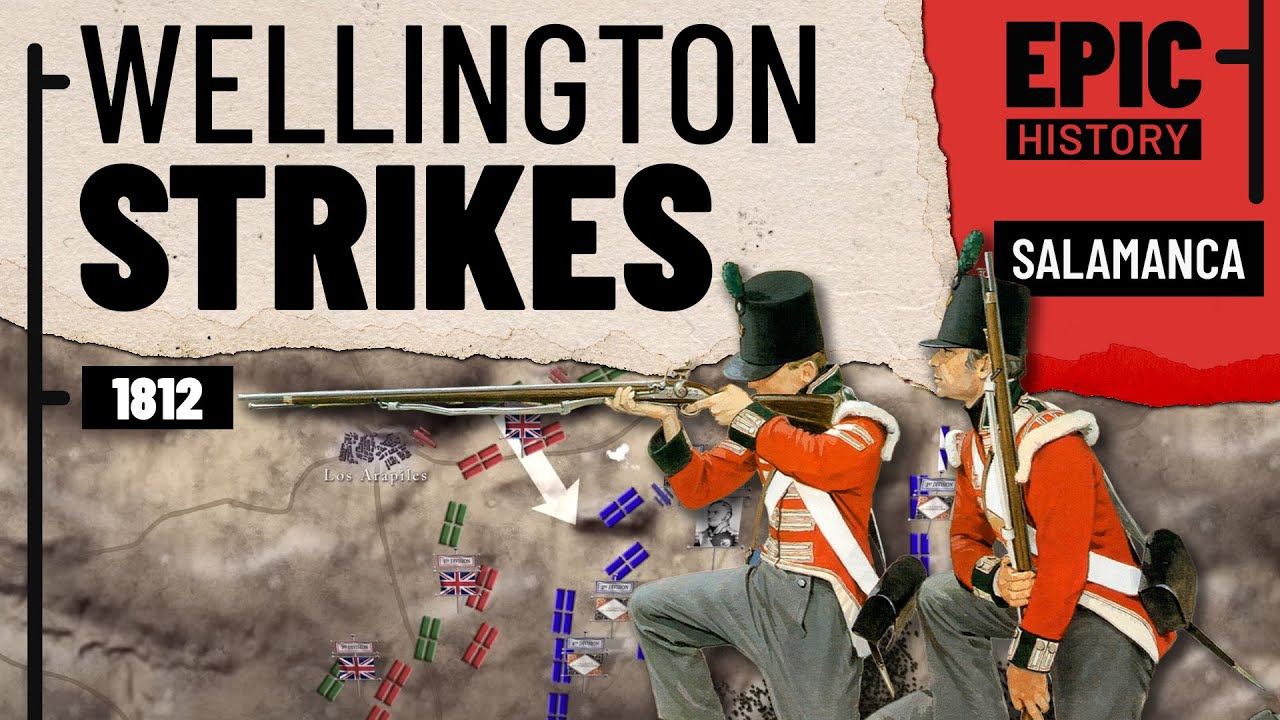
The Napoleonic Wars, a pivotal series of conflicts that shaped the trajectory of European history, witnessed the Battle of Salamanca in 1812 as a significant turning point. During this period, French forces found themselves overstretched in Spain, largely due to Napoleon’s strategic withdrawal of troops for his ill-fated campaign in Russia. In response, the British-led coalition under the command of the Duke of Wellington seized the opportunity to engage the French forces, culminating in a fierce confrontation that would determine the fate of the Iberian Peninsula.
This article will examine the events leading up to the Battle of Salamanca, detailing Wellington’s strategic maneuvers, the engagement of French Marshal Marmont’s forces, and the eventual outcome of the battle. The decisive victory for Wellington not only crippled French military presence in Spain but also set in motion a series of events that would alter the power dynamics in Europe. Furthermore, this analysis will explore the implications of the battle for both armies and its lasting impact on the course of the Napoleonic Wars.
The Battle of Salamanca: A Critical Turning Point in the Napoleonic Wars
Background of the Napoleonic Wars
Overview of the Napoleonic Wars
The Napoleonic Wars, spanning from 1803 to 1815, constituted a period of global conflict shaped largely by the ambitions of Napoleon Bonaparte and the coalition forces opposing him. Triggered by the French Revolution and its reverberations across Europe, these wars marked a transformative era characterized by rapid military innovations, shifts in political landscape, and profound social upheavals. The conflict saw the rise and fall of empires, the reconfiguration of national borders, and the emergence of nations struggling for self-determination.
Main Combatants and Their Objectives
The primary belligerents included the French Empire, led by Napoleon, and various coalitions formed by England, Russia, Prussia, and Austria at different points in the conflict. Each side pursued distinct objectives; Napoleon sought to expand French hegemony and secure control over Europe, while the coalitions aimed to curtail French expansionism, restore monarchies, and uphold the balance of power. In Spain, this contention manifested particularly through the Peninsular War, where Britain, under the Duke of Wellington, aligned with Spanish and Portuguese forces to combat French occupation.
Impact on Europe and Global Affairs
The consequences of the Napoleonic Wars were profound and far-reaching. In Europe, the conflicts led to a re-evaluation of military and diplomatic strategies, the rise of nationalism, and the eventual emergence of the Congress of Vienna, which sought to restore stability. The wars also reverberated globally, influencing colonial policies, economic structures, and inciting independence movements in Latin America. The legacy of this tumultuous period remains a vital chapter in the study of military history and international relations.
Setting the Stage for Salamanca
Overview of France’s Situation in Spain
By 1812, French forces were deeply entrenched in Spain, facing mounting challenges from Spanish guerilla fighters and the Anglo-Portuguese army. The initial French successes in Spain began to recede due to overstretching their resources and the strategic withdrawals to bolster Napoleon’s failed Russian campaign. This created an opportunity for the allies to capitalize on vulnerabilities, leading to heightened hostilities and shifting dynamics on the ground.
Strategic Importance of Salamanca
Salamanca emerged as a pivotal location due to its strategic geography, serving as a crucial junction between major routes connecting Spain and Portugal. Its capture was essential for logistical support, troop movements, and the ability to project power across the region. The city’s fortified structures and supply lines made it a significant military target for both the French and the forces under Wellington.
The Role of Guerrilla Warfare in the Peninsular War
Spanish guerrilla warfare played a critical role in undermining French authority in Spain, disrupting their supply chains, and maintaining a relentless pressure on French troops. Local insurgents adopted innovative tactics, utilizing their intimate knowledge of the terrain to ambush, harass, and deplete enemy resources. This form of irregular warfare complemented the more traditional military engagements, complicating French operations and contributing to their eventual downfall in the Iberian Peninsula.
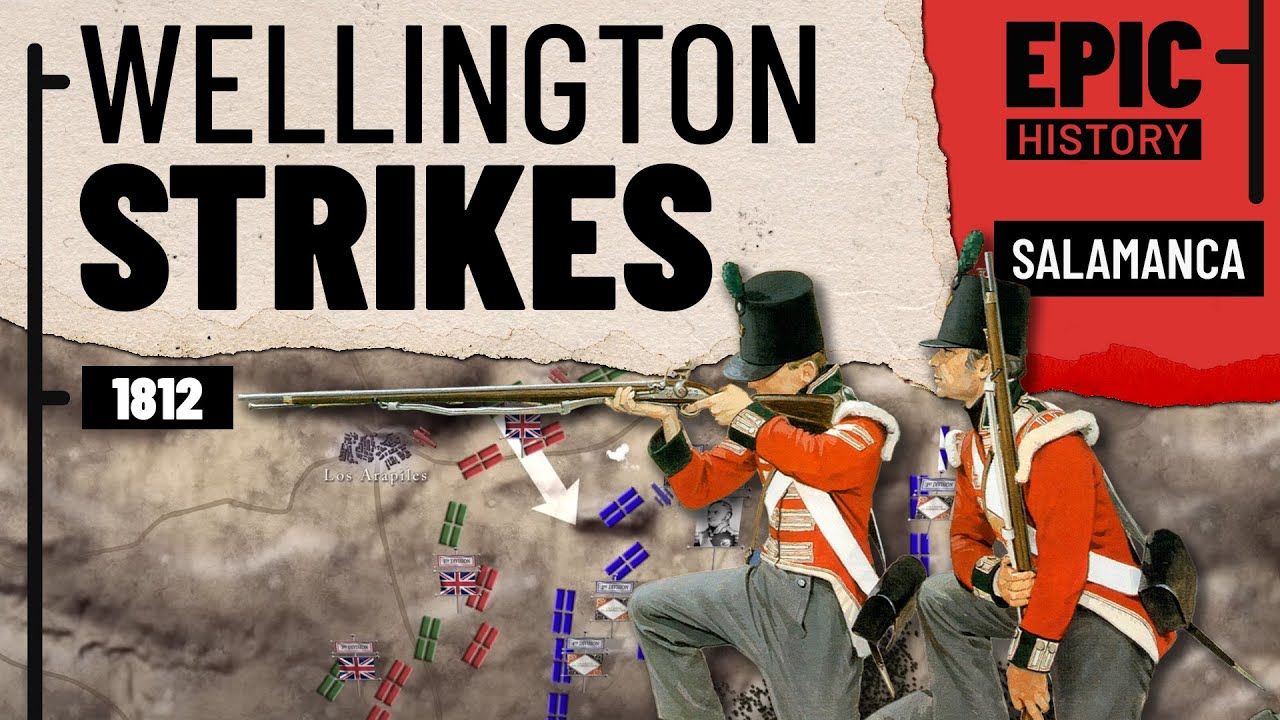
Prelude to the Battle
Wellington’s Military Strategy
Field Marshal Arthur Wellesley, the Duke of Wellington, demonstrated a strategic acumen that bridged adaptability and decisiveness. His comprehensive strategy involved securing key fortified cities, maneuvering his forces strategically and effectively, and leveraging local intelligence from Spanish guerrillas. Wellington’s focus on logistics and battlefield successes reflected a calculated approach aimed at sustaining aggressive actions against a numerically superior force while minimizing losses.
Key French Troops and Their Composition
The French forces at Salamanca were under the command of Marshal Auguste Marmont, who led around 40,000 troops composed of infantry, cavalry, and artillery. Despite the impressive numbers, the morale and unity of the French forces began to wane due to the prolonged conflict and increasing guerrilla attacks. Furthermore, the withdrawal of elite units to support the Russian campaign diluted the effectiveness of Marmont’s army and heightened their vulnerability against a revitalized Wellington.
The Decision Process Leading to the Clash at Salamanca
As French troops faced increasing pressures, Wellington recognized the opportunity for a decisive engagement at Salamanca. His decision to attack was spurred by a keen understanding of Marmont’s weakened state and the strategic imperative to inflict significant blows on French forces before they could regroup or reinforce. This decisive moment revealed Wellington’s ability to exploit enemy disarray and turn the tide in the favor of the allied forces.
Major Players in the Battle
The Duke of Wellington and His Leadership Style
Wellington’s leadership was characterized by a blend of tactical brilliance and a penchant for disciplined engagement. His ability to foster unity among diverse forces—British, Portuguese, and Spanish—was instrumental in crafting a cohesive military strategy. Wellington’s intellect and foresight allowed him to stay several moves ahead of his adversaries, carefully planning his actions while remaining adaptable to the fluid dynamics of battlefield engagements.
Marshal Marmont and His French Command
Marshal Marmont, while an experienced commander, exhibited challenges in coordinating his forces during the engagement at Salamanca. Although initially confident, his choices during the battle demonstrated a lack of foresight regarding the potential for allied maneuvers. The disjointed nature of his command, compounded by attrition from previous skirmishes, revealed the fragility of French dominance in the region and set the stage for a crucial turning point in the conflict.
The Role of Portuguese Forces in Wellington’s Army
The Portuguese forces, though often overshadowed by their British counterparts, played a vital role in Wellington’s army. Their integration into Wellington’s strategies enhanced the combined military effort in the Peninsular War. The local knowledge and resilience of Portuguese troops provided critical support in maintaining supply lines and bolstering Wellington’s flanks, allowing for a more formidable front against the French.
The Strategic Movements
Initial Positioning of the Armies
Leading up to the battle on July 22, 1812, both Wellington and Marmont deployed their forces in anticipation of engagement. Wellington positioned his Anglo-Portuguese forces near beneficial high ground, ready to leverage their advantage. Marmont, however, sought to maneuver his troops with the intent to outflank Wellington, unaware that his critical miscalculations would set the stage for his downfall.
Reconnaissance and Intelligence Operations
Intelligence gathering before the battle played a fundamental role in shaping strategies. Wellington’s reliance on local guerrilla fighters provided vital insights into French movements, contributing to his comprehensive situational awareness. This enabled him to anticipate Marmont’s maneuvers and design counter-strategies that would capitalize on the French’s misjudgments.
Key Maneuvers Leading Up to the Battle
As both armies positioned themselves, Marmont made a strategic error by underestimating Wellington’s resolve. He believed that Wellington would avoid direct confrontation, thus committing a portion of his forces to flank maneuvers while neglecting to safeguard his vulnerable positions. Wellington, conversely, recognized the opportunity presented by Marmont’s overextension, ripe for exploitation as he prepared to launch a decisive counter-attack.
The Battle of Salamanca: Day of Combat
The Unfolding of Events on July 22, 1812
The battle commenced on the morning of July 22, with Wellington’s forces ready to engage and exploit Marmont’s brittle positioning. Early encounters showcased the disciplined approach of the British infantry as they engaged the disorganized French troops across varying terrains. As the day progressed, the dual pressures of weather and fatigue began to wear on both sides, yet Wellington’s tactical execution would soon prove dominant.
Tactical Deployments and Reactions
As the engagement unfolded, Wellington initiated calculated strikes at selected points of French defenses, employing artillery to soften enemy positions before directing infantry and cavalry into assaults. Marmont, attempting to redirect his forces, faced panicked reactions from his troops, resulting in disarray. The adaptability and quick execution of Wellington’s plan began to significantly tilt the conflict in favor of the allies.
Critical Moments During the Battle
Several critical junctures defined the battle’s outcome, including the moment Marmont ordered an advance with piecemeal forces, leading to vulnerability and chaos within his ranks. Wellington seized this opening, executing a decisive counter-attack that shattered the French flank, resulting in widespread disorientation among Marmont’s forces. The loss of key leaders, including Marmont himself, further exacerbated the French collapse.
Outcomes and Casualties
Immediate Military Outcomes of the Battle
The battle culminated in a resounding victory for Wellington, as he decisively destroyed a significant portion of Marmont’s army and captured thousands of soldiers. Within hours, what began as a precarious engagement transformed into a pivotal triumph, bolstering allied morale and exacerbating French vulnerabilities across the Iberian Peninsula.
Casualty Statistics and Impact on Forces
Casualties from the Battle of Salamanca were significant; French losses approached 15,000, including the dead, wounded, and captured, while Wellington’s forces sustained approximately 5,000 casualties. This disparity reflected the effectiveness of Wellington’s tactics and the disorganization within French ranks. The scale of losses inflicted on Marmont’s army severely weakened French operational capabilities in Spain.
Assessment of Losses for Both Sides
While Wellington emerged victorious, the battle revealed the precarious balance of power, as impending French reinforcements and other military operations ensured that the conflict would persist. The psychological toll on French command became evident, as diminished confidence in military leadership would plague subsequent engagements, sowing seeds of doubt within their remaining forces.
Aftermath of the Battle
Consequences for French Forces in Spain
The ramifications of the Battle of Salamanca were profound for the French presence in Spain. Key cities fell under Wellington’s control, radically shifting the balance of power in the region. The increasing strain on troop morale, in conjunction with mounting guerilla activity, led to calls for a strategic reevaluation and withdrawal of forces from Spain, setting the stage for further losses.
Wellington’s Subsequent Military Campaigns
Following Salamanca, Wellington capitalized on momentum and advanced towards Madrid, driven by a desire to liberate the Spanish capital. This decision not only demonstrated his strategic vision but also energizing local support and encouraging further insurrections against French forces. The success at Salamanca became a catalyst for a series of victories that would ultimately contribute to the decline of French influence in the region.
Impact on the Wider Napoleonic Wars
The victory at Salamanca resonated far beyond the Iberian Peninsula, signaling a potential turning point in the Napoleonic Wars. It inspired coalition forces and signaled increased resolve against Napoleon’s ambitions, emphasizing the effectiveness of collaborative resistance. The victories of 1812 in both Spain and Russia hinted at the unraveling of French ascendency and set the stage for the series of events that would ultimately lead to Napoleon’s downfall.
Historical Significance
Influence on Military Tactics and Strategy
The Battle of Salamanca showcased the efficacy of combined arms operations, innovation in leadership, and the importance of local knowledge in warfare. Wellington’s ability to exploit terrain and utilize intelligence gleaned from guerillas heralded a shift in military thought, emphasizing the need for adaptability and coordination in modern conflict—a lesson that influenced not only contemporary military strategies but also future generations.
Legacy of the Battle of Salamanca in Military History
This battle is often lauded as one of the defining moments of the Peninsular War, setting strategic precedents that would inform military operations well into the future. The demonstration of coalition warfare amid diverse units highlighted the potential of unified efforts against a common adversary, establishing the groundwork for cooperative military strategies that became integral in 20th-century conflicts.
Wellington’s Reputation and Its Long-Term Effects
Wellington’s triumph at Salamanca solidified his reputation as a master tactician and strategist, transforming him into a national hero not only in Britain but also among the Spanish populace. The success set the stage for his subsequent roles in the continued efforts against Napoleon, culminating in his leadership at the pivotal Battle of Waterloo and significantly impacting British military history.
Conclusion
Summary of Key Points from the Battle of Salamanca
The Battle of Salamanca illustrated the fragile nature of military supremacy in the context of the Napoleonic Wars. Wellington’s decisive victory over Marmont did not merely reflect the outcome of a single confrontation but marked a pivotal moment in which the tides began to turn against the French forces in Spain. The aftermath, characterized by significant casualties and disruptions to French command structure, reshaped the landscape of the ongoing conflict.
Reflections on the Napoleonic Wars
The multifaceted complexities of the Napoleonic Wars continue to offer valuable insights into warfare, leadership, and the interplay of military strategy and political aspirations. Understanding these dynamics reveals deeper currents of history, emphasizing the importance of adaptability and collaboration in achieving military objectives.
Lessons Learned and Implications for Future Conflicts
The lessons extrapolated from the Battle of Salamanca extend beyond immediate military engagements, offering reflections on strategic decision-making, the importance of reading enemy intentions, and the incorporation of localized knowledge in larger conflicts. Such insights remain relevant not only to military theorists but also to contemporary leaders addressing the complex realities of modern warfare.