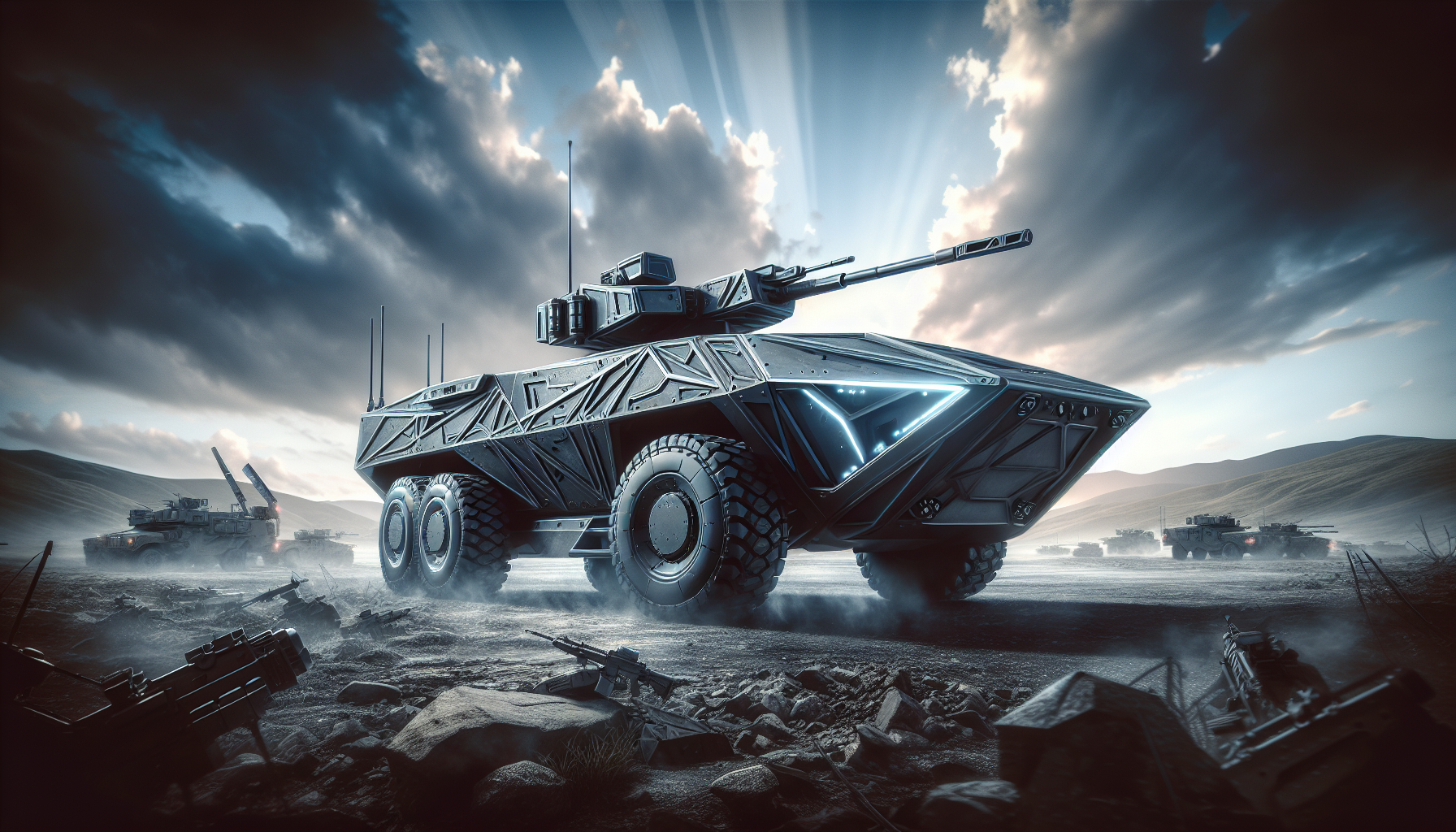
The lengthy endeavor to replace the Bradley Infantry Fighting Vehicle (IFV) has been marked by a challenging and complex history, spanning four decades of attempts and setbacks. Despite these obstacles, the Army is now demonstrating a renewed commitment to this endeavor through the XM30 program, which has gained momentum amidst changing requirements and funding uncertainties. The current discussion will explore the evolution of the Bradley replacement initiatives, elucidating what the Army seeks in a next-generation vehicle and why the current efforts appear more promising than previous attempts.
Attention will also be directed towards the two key contenders vying to succeed the Bradley, offering insights into how these vehicle designs aim to meet the Army’s future operational needs. An analysis of the distinctive features and capabilities of each of these finalists will highlight their potential to fulfill the Army’s vision for a modern IFV, serving as a crucial component of the future combat landscape.

Historical Context
Timeline of the Bradley’s Service
Since its introduction in the late 1970s, the Bradley Fighting Vehicle (BFV) has played a pivotal role in U.S. military operations. Initially deployed during the Gulf War in the early 1990s, the Bradley has seen extensive service in conflicts including Kosovo, Iraq, and Afghanistan. As you examine its four-decade-long history, it becomes clear that the vehicle was not only designed as an infantry fighting vehicle but also adapted to various combat scenarios, showcasing its resilience and versatility. Yet, the pressing need for replacement has arisen as advancements in technology and changing battlefield conditions highlight the limitations of this aging platform.
Previous Attempts at Replacement
Historically, attempts to replace the Bradley have been fraught with challenges. The Army has gone through various programs, including the Armored Multi-Purpose Vehicle (AMPV) and the Future Combat Systems (FCS), both of which were ultimately canceled or restructured due to a combination of cost overruns, shifting missions, and technological mismatches. Each initiative aimed at fulfilling the role of an infantry fighting vehicle grappled with financial constraints and divergent requirements that often complicated the process. The lessons learned from these previous failures underscore the importance of aligning objectives from the outset and addressing the complexities that come with developing such advanced military hardware.
Lessons Learned from Past Failures
The extensive history of attempted replacements for the Bradley provides several pivotal lessons. Firstly, it has become clear that flexibility in design and functionality is critical to success. Many previous programs faltered because they failed to accommodate the evolving nature of warfare and the dynamic requirements of modern combat. Secondly, strong stakeholder engagement, including input from frontline soldiers, has emerged as a crucial element in crafting a vehicle that meets practical needs. Finally, the importance of maintaining realistic budgets and timelines cannot be overstressed if the Army is to make genuine progress toward an effective replacement.
The XM30 Program
Overview of the XM30 Program
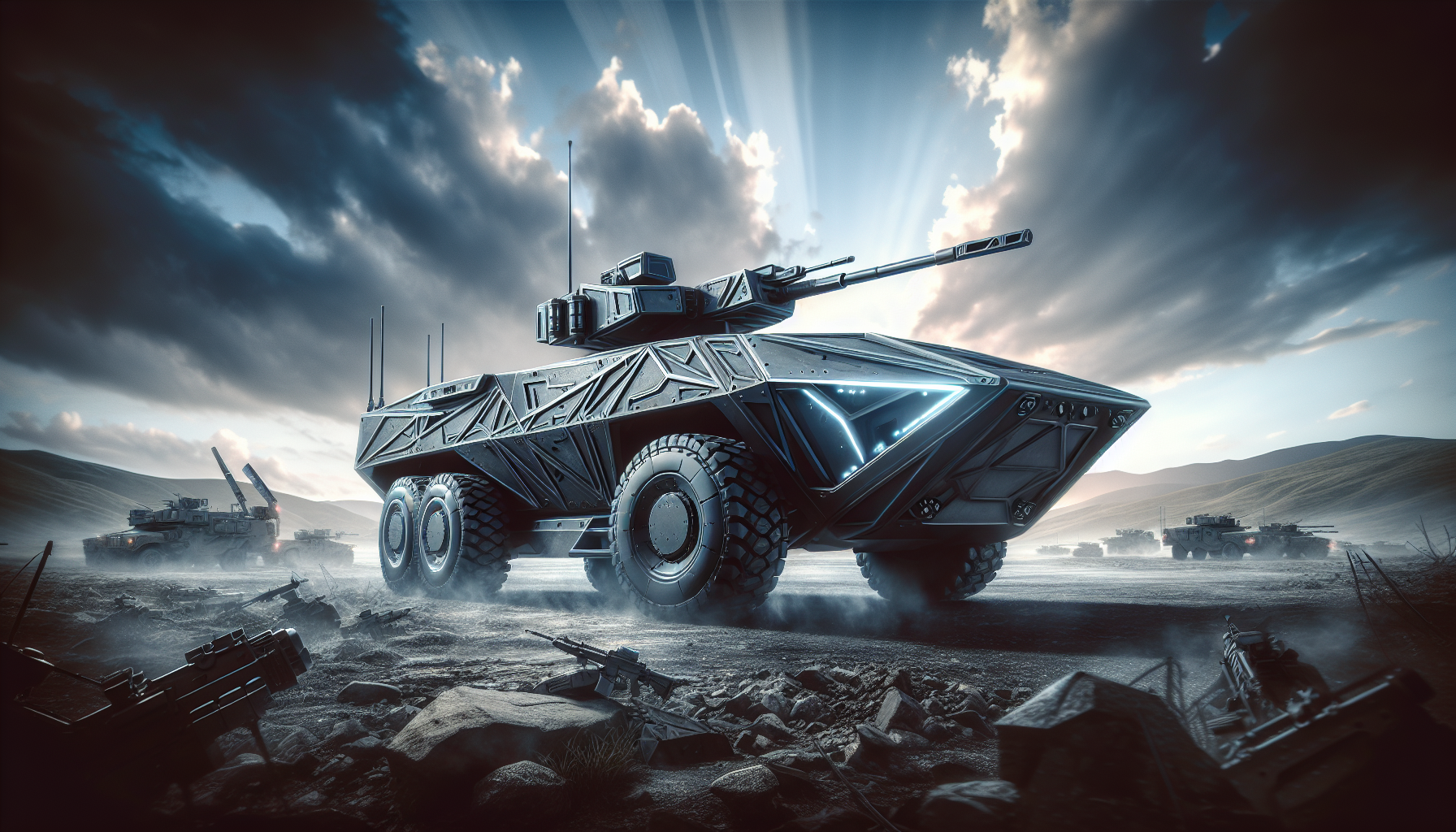
The XM30 program represents the latest, and potentially most viable, attempt to develop a replacement for the Bradley. Initiated in the 2020s, the XM30 has been designed to integrate modern combat capabilities while addressing the shortcomings of its predecessor. This program aims not only for superior firepower but for improved mobility, survivability, and situational awareness on the battlefield. By leveraging advanced technology and innovation, the XM30 seeks to ensure that it can meet 21st-century operational requirements.
Key Objectives and Requirements
The objectives of the XM30 are multi-faceted; it aims to create a vehicle that supports mechanized infantry in both offensive and defensive scenarios while integrating cutting-edge technology. Key requirements include enhanced lethality through advanced weapon systems, improved armor protection without significantly increasing weight, and superior communication and processing capabilities to maintain battlefield awareness. Additionally, considerations for drone integration and autonomous operations indicate the program’s commitment to embracing future warfare trends.
Budgetary Considerations and Funding Issues
Budgetary constraints have remained a significant challenge throughout the development process of the XM30. As with many defense projects, securing continuous funding in a fluctuating political environment has proven difficult. The Army must balance the urgent need for modernization against fiscal realities, requiring significant lobbying efforts to ensure that the XM30 receives the necessary financial support. Past failures and mismanagement have instilled a cautious approach to budget proposals, compelling the Army to develop a sufficiently compelling justification for each phase of the project.
Current Status of the XM30
Recent Developments and Advancements
Recent developments in the XM30 program have signaled a renewed commitment to its goals. Key advancements include the successful testing of prototype models and the incorporation of feedback from military operators to refine both design and functionality. Furthermore, collaborations with advanced technology firms have introduced innovations that enhance the vehicle’s capabilities, particularly in terms of stealth and digital warfare adaptation. These developments suggest a more promising trajectory for the XM30 compared to its predecessors.
Current Phase in the Program
As of 2023, the XM30 program is in a critical phase marked by rigorous testing and evaluation of prototypes. This stage is essential for validating design concepts and ensuring that they meet the operational demands of future military engagements. The Army’s attitude toward this phase has been characterized by a collaborative approach with contractors, integrating lessons from past failures into the development process to mitigate risks associated with technological components.
Key Milestones Achieved and Challenges Faced
The program has achieved several key milestones, including completion of initial round tests and the demonstration of new communication systems. However, challenges persist, particularly in balancing advanced technology integration with weight constraints, which is vital for maneuverability. Moreover, ongoing discussions with policymakers regarding budget allocations continue to create uncertainty, underscoring the need for adaptive strategies to navigate the remainder of the development process.
Army’s Expectations for the Replacement
Desired Capabilities and Features
The Army’s expectations for the XM30 extend beyond simply replacing the Bradley. The service anticipates a vehicle that excels in mobility, survivability, and firepower while functioning seamlessly within a joint-force framework. Specific capabilities include improved range and accuracy of onboard weapon systems, enhanced armor designed to withstand modern threats, and sophisticated sensor technologies to aid situational awareness. As you consider these expectations, the underlying theme is a genuine desire to create a versatile vehicle that not only fulfills current demands but also anticipates future battlefield evolutions.
Technological Innovations Incorporated
In recognizing the rapidly changing landscape of warfare, the XM30 program incorporates a range of technological innovations. These include networked systems that facilitate real-time data sharing among units, advanced thermal and electro-optical sensors, and the potential for unmanned vehicle operation. By integrating these cutting-edge systems, the Army aims not only to enhance situational awareness but to improve decision-making processes in high-stakes scenarios, thereby increasing operational efficacy on the ground.
Integration with Existing Military Platforms
Significantly, the XM30 is being designed with integration in mind. It seeks to work cohesively with existing military platforms, including aircraft and unmanned systems. Crafting a vehicle capable of complementing and enhancing the capabilities of current assets allows for maximum operational flexibility. Such integration is essential in a multi-domain battlefield—addressing not just ground combat, but also air and cyber warfare.
Why This Time is Different
Changes in Defense Priorities
Recent geopolitical developments have shifted defense priorities dramatically. The emergence of new threats, coupled with lessons learned from conflicts in the Middle East, has instigated a re-examination of military capabilities. The Army now recognizes that modernization of its fleet is not merely advantageous but necessary for maintaining superiority on the battlefield. This shift indicates a commitment to not only replace the Bradley but to redefine what an infantry fighting vehicle should embody in the modern era.
Increased Funding and Support from Congress
Unlike previous initiatives, the XM30 program has garnered significant interest and increased funding from Congress. Lawmakers recognize the critical role that advanced ground vehicles play in national security and have allocated substantial resources to ensure the success of this program. This support offers a compelling contrast to past efforts that frequently suffered from budget cuts and insufficient allocations, reflecting a broader recognition of the importance of military readiness in an evolving global landscape.
Collaborations with Industry Partners
The XM30 program has also seen an expansion of collaborative efforts with industry partners. Engaging top defense contractors and technology firms, the Army has sought to pool resources and expertise to innovate further. These partnerships foster an environment ripe for technological advancement, enabling the development of state-of-the-art solutions that might not have been possible under previous programs. This collaborative spirit marks a significant departure from past practices where isolation may have stifled progress.
Competitors in the Race
Overview of the Two Finalists
As the XM30 program matures, two primary contenders have emerged from a competitive selection process: the General Dynamics Griffin III and the BAE Systems Armored Multi-Purpose Vehicle (AMPV) variant. Each contender brings a unique portfolio of design philosophies and capabilities, making the selection process particularly nuanced and complex.
Strengths and Weaknesses of Each Contender
The Griffin III, for instance, boasts a reputation for modularity, allowing for adaptability in various combat scenarios through interchangeable mission packs. Its advanced technology features provide significant advantages in sensor systems and communication networks. However, critics highlight potential weight issues and armor deficiencies as areas that could require reconsideration.
Conversely, the AMPV variant is celebrated for its proven performance in survivability; its legacy design allows for durability in rugged terrains. Nevertheless, there are concerns regarding its lack of modernization in terms of onboard systems and overall agility compared to newer models.
Comparison of Design Philosophies
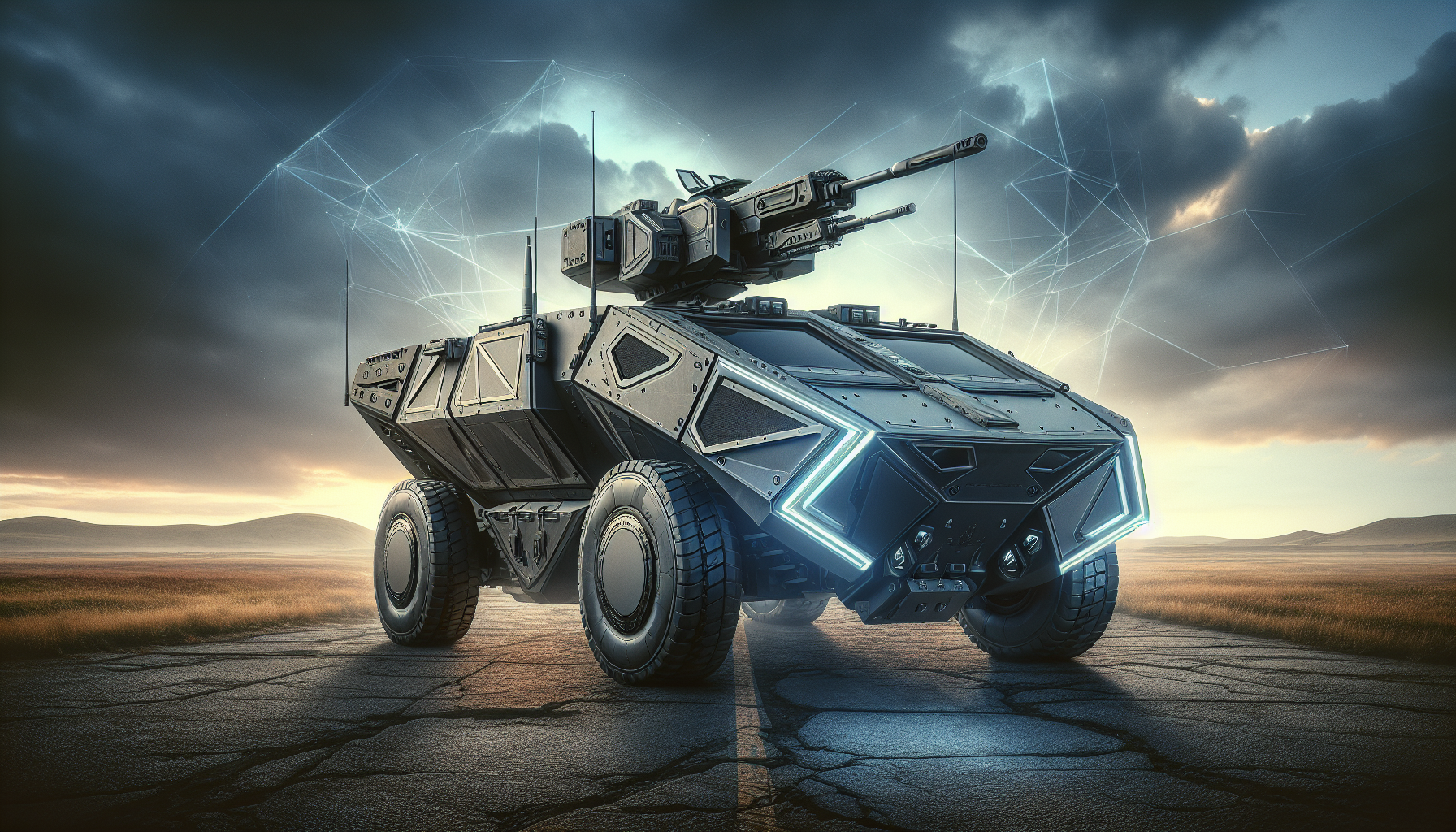
The design philosophies between these two finalists reflect differing approaches to solving the complexities of modern warfare. The Griffin III leans toward technological advancement and digital integration, pushing the boundaries of what is possible with combat vehicle design. In contrast, the AMPV variant focuses on proven effectiveness and robust structural integrity aimed at ensuring soldier safety and resilience in combat. As you consider these differing philosophies, it becomes evident that the choice of a replacement will not merely be a selection of technological capability but a reflection of the Army’s strategic vision moving forward.
Impact on Army Strategy
How the New IFV Fits into the Army’s Future
The successful development and integration of a new infantry fighting vehicle (IFV) like the XM30 will have significant implications for the Army’s future operational strategy. With modern threats necessitating an agile and responsive combat force, the new IFV is projected to play a central role in shaping the Army’s ground combat capabilities. This vehicle is expected to enhance the rapid deployment of mechanized infantry and improve command structure within Joint Task Forces.
Implications for Ground Warfare Tactics
The implications of introducing the XM30 could result in an evolution of ground warfare tactics. Improved mobility, lethality, and sensor capabilities may allow for more decentralized and autonomous operations, enabling units to engage threats effectively without relying heavily on centralized command structures. Tactics previously reserved for elite units could become standard practice across larger formations, fundamentally altering how ground combat is conducted.
Projected Changes in Operational Capabilities
In terms of operational capabilities, the Army anticipates that the new IFV will facilitate a paradigm shift in combined arms operations. With enhanced interoperability among different platforms and increased situational awareness, units equipped with the XM30 are expected to perform more efficiently and engagingly. This will ultimately contribute to a stronger deterrent posture against potential adversaries while improving the safety and effectiveness of U.S. forces deployed worldwide.
Feedback from Soldiers
Insights from Military Personnel on the Bradley
Feedback from soldiers who have operated the Bradley has pointed to its strengths and limitations. While many appreciate the vehicle’s protection and firepower, there are consistent complaints regarding its weight and maneuverability, which can hinder operational effectiveness. Soldiers have often relayed experiences of difficulty in navigating rugged terrains or urban environments, highlighting the urgent necessity for an evolution to meet modern battlefield demands.
Expectations for the New Replacement
Soldiers’ expectations for the XM30 remain high, with a focus on improved ergonomics, enhanced visibility, and advanced communication technologies. Many emphasize the need for a design that allows for greater mobility without sacrificing protection, enabling them to react to rapidly evolving combat environments. Input from operators must remain a cornerstone in the development process to ensure that practical requirements are fundamentally embedded in the new platform.
Potential Impacts on Soldier Safety and Efficiency
Ultimately, the operational efficiency and safety of soldiers remain paramount concerns as the XM30 is developed. With a modernized IFV, there is potential for a significant reduction in casualties by providing better protection against contemporary threats, including improvised explosive devices (IEDs) and kinetic attacks. By integrating advanced situational awareness systems, soldiers could make informed decisions on the battlefield, potentially leading to improved mission outcomes.
Challenges Ahead
Technical Challenges During Development
Despite the positive outlook surrounding the XM30 program, several technical challenges remain significant. Integrating new technologies without compromising performance is a delicate balancing act, particularly when one considers the trade-offs between weight and armor protection. Ensuring that the vehicle can withstand and operate effectively in various combat conditions while accommodating cutting-edge systems poses formidable engineering challenges.
Political and Budgetary Hurdles
Political dynamics and budgetary constraints persist as prominent hurdles that could threaten the timeline and overall success of the XM30. Fluctuating support in Congress can impact funding allocations, while changes in leadership could lead to shifts in priorities that might delay program momentum. The Army must remain vigilant in advocating for sustained funding to navigate these potential roadblocks effectively.
Timeline for Deployment and Testing
As it stands, the timeline for deployment and comprehensive testing of the XM30 remains uncertain. Often, delays during development can cascade, complicating future schedules. A careful but proactive approach will be essential to keeping the project on track while ensuring that every phase of testing and evaluation is executed thoroughly to guarantee a vehicle that meets the operational demands of modern warfare.
Conclusion
Summary of Key Points
The XM30 program represents the culmination of decades of attempts to replace the Bradley Fighting Vehicle, encompassing lessons learned from past failures and the evolving nature of warfare. With significant advancements, increased congressional support, and input from industry partners, this initiative is poised to redefine the capabilities of the Army’s combat vehicles.
Outlook on the XM30’s Potential Success
Looking forward, the potential for success with the XM30 appears hopeful, buoyed by lessons learned and a more collaborative mindset. Achieving the desired balance of technology, function, and price point will determine whether this program can break the cycle of previous failures.
Final Thoughts on the Evolution of Armored Vehicles
The evolution of armored vehicles such as the XM30 reflects not just the technological advancements available but also the changing paradigms of warfare. As the Army seeks to address modern conflicts, the outcome of the XM30 program will shape the landscape of ground combat operations for years to come, leaving a lasting legacy on military strategy and operational effectiveness.