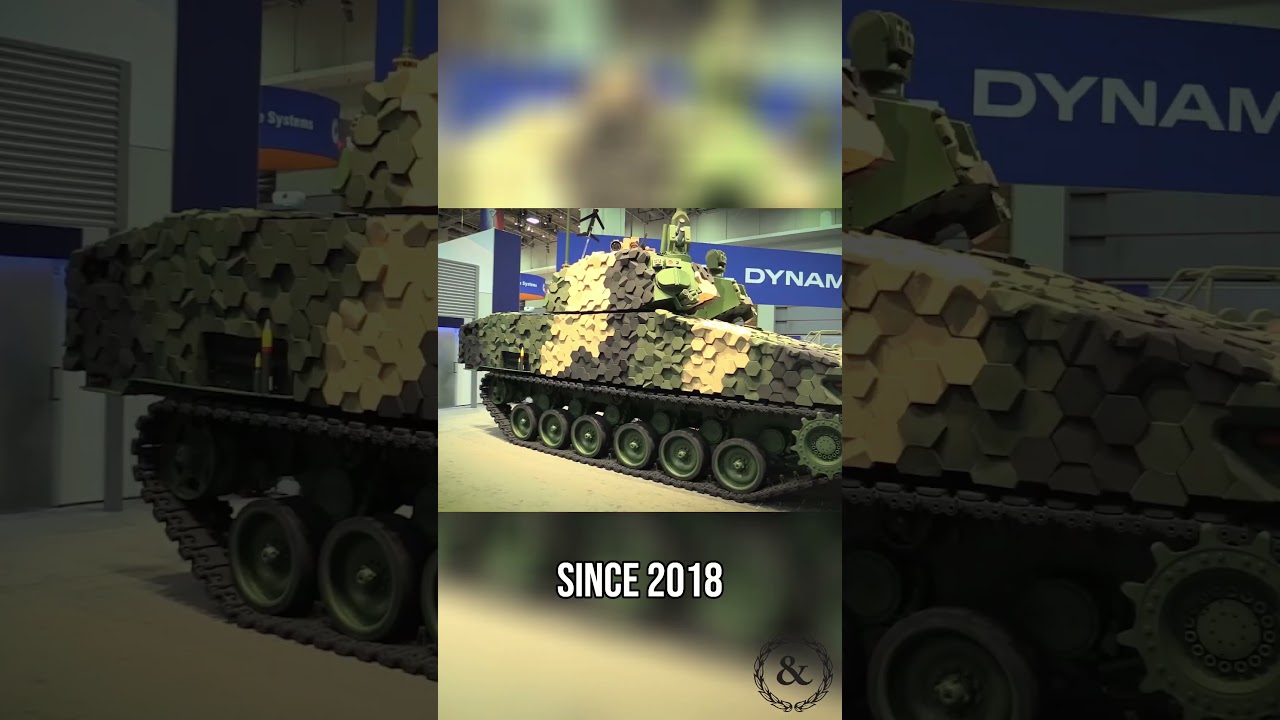
The prolonged quest for a replacement for the Bradley Fighting Vehicle has permeated military discussions for over four decades. As the Army embarks on the next phase of this endeavor, two finalists have emerged within the framework of the XM30 Program, potentially signaling a pivotal moment in defense vehicle development. This article will explore the historical context surrounding the Bradley, analyze the current status of the XM30 prototypes, and reflect on the implications for the military and defense industry.
Examining the future of armored warfare, the article will address key advancements in technology and design that the XM30 promises to deliver. Furthermore, it will consider the broader impact on military strategy and operational effectiveness, inviting readers to engage in discourse about the evolving landscape of defense capabilities. You will gain insight into both the challenges and opportunities that lie ahead as the Army seeks to modernize its fleet.
Historical Context of the Bradley Fighting Vehicle
Development and Deployment Timeline
The Bradley Fighting Vehicle (BFV) was born out of the need for a modern infantry fighting vehicle to support the U.S. Army’s new operational concepts emerging from the Vietnam War experience. Initiated in 1967, the project aimed to replace the aging M113 armored personnel carriers. By 1981, the first units were deployed to the field, showcasing their prowess in the Gulf War and solidifying their role in conventional military operations. Over the decades, the Bradley has undergone numerous upgrades to enhance its survivability and combat effectiveness, yet it remains fundamentally the same platform that first rolled off the production line over four decades ago.
Key Features and Capabilities
The Bradley is designed to transport infantry while providing direct fire support with its 25mm M242 Bushmaster chain gun and TOW missile system for anti-armor capabilities. Its composite armor provides protection against small arms fire and shrapnel, while the amphibious features allow for waterborne operations. Additionally, the vehicle is equipped with advanced electronic systems for enhanced situational awareness and targeting. Despite its proven capabilities, the Bradley’s aging systems and the weight constraints it faces have necessitated discussions about its replacement.
Role in Modern Warfare
Throughout its service, the Bradley has played a pivotal role in shaping modern combined arms operations. It enables effective maneuver in close support of infantry while offering commanders flexibility on the battlefield. The vehicle’s ability to integrate with other forces and systems, such as aerial reconnaissance and artillery, has underscored its relevance in contemporary warfare. Nonetheless, as threats evolve and technology advances, questions regarding its adequacy in addressing future combat scenarios arise.
The Need for a Replacement
Aging Fleet Concerns
The U.S. Army’s Bradley fleet is aging, with many vehicles requiring extensive upgrades to maintain operational effectiveness. As components wear out, the increasing cost of maintenance and the necessity for modernization programs strain defense budgets. Furthermore, the decreasing availability of spare parts for older models complicates logistics and heightens operational risks. Your concern regarding these aging systems reflects a broader recognition that modernization must keep pace with emerging threats in an unpredictable global landscape.
Limitations of the Current Bradley
Despite its historical significance, the Bradley is encumbered by limitations that hinder its effectiveness in modern warfare. The vehicle’s weight and armor configuration restrict mobility and deployment capabilities, particularly in diverse terrains. Its outdated electronics and limited firepower options, when compared to more advanced systems currently in service, present challenges in countering asymmetrical threats and facing near-peer adversaries. As the Army evaluates alternatives, recognizing these limitations is crucial for shaping future defense strategies.
Technological Advancements in Warfare
Advancements in technology, including artificial intelligence, unmanned systems, and cyber capabilities, necessitate a reevaluation of ground combat vehicles. The development of smart munitions, advanced targeting systems, and enhanced survivability features highlights the need for a platform that can integrate these innovations. You must understand that, as warfare evolves, so too must the vehicles that support ground forces in both conventional and unconventional settings.

Overview of the XM30 Program
Goals and Objectives of the XM30 Program
Initiated to address the pressing need for a better alternative to the Bradley, the XM30 program aims to design and produce a next-generation infantry fighting vehicle that meets the demands of modern warfare. This program seeks to integrate advanced technologies, enhanced lethality, and improved safety features into a more mobile and adaptable platform. The goal is to provide the Army with a modular vehicle capable of various missions, ensuring that it can respond effectively to future combat scenarios.
Selection Process for Prototypes
The selection process for prototypes in the XM30 program has involved a rigorous evaluation of defense contractors, focusing on innovation, technical feasibility, and alignment with the Army’s operational requirements. The Army has solicited proposals that emphasize flexibility, integration with joint forces, and a clear strategy for sustaining the vehicle throughout its life cycle. By fostering a competitive environment, the Army aims to encourage advancements and foster collaboration across the defense industry.
Current Status and Timeline
As of now, the XM30 program has progressed to the prototype phase, with two finalists confirmed for further development. The timeline indicates that initial testing is expected within the next few years, with a focus on validating key performance metrics and evaluating the vehicles’ adaptability in various combat situations. Your awareness of this progress underscores the ongoing commitment to ensuring that the U.S. Army possesses the most capable and technologically advanced fighting vehicles.
Finalists in the XM30 Program
Company Profiles and Backgrounds
The finalists in the XM30 program represent leading defense contractors: General Dynamics Land Systems and BAE Systems. General Dynamics has a long history of vehicle development, having designed the original Bradley and continued to innovate in land systems. BAE Systems brings to the table extensive expertise in armored vehicle technology and design, with successful projects across multiple military platforms. Both companies are well-positioned to leverage their experience to deliver a state-of-the-art vehicle that meets the Army’s requirements.
Key Features of Each Prototype
While details remain closely guarded, initial specifications indicate that both prototypes will feature modular designs, enabling easy upgrades and customization. They are expected to utilize advanced composite armor and cutting-edge sensor technologies for improved situational awareness. Increased power plants will allow for enhanced mobility and speed, critical for modern combat scenarios. Your understanding of these features reflects the importance of innovation in military vehicle design.
Potential Advantages and Disadvantages
While both prototypes possess distinctive advantages, they also face challenges. For one, General Dynamics may leverage its legacy expertise to provide a vehicle that resonates with current Army needs. However, they may also encounter resistance due to the Bradley’s enduring legacy, which might complicate acceptance of a new design. Conversely, BAE Systems can capitalize on modern technological innovations, but it will need to ensure that their vehicle aligns well with existing military infrastructure to mitigate integration challenges.
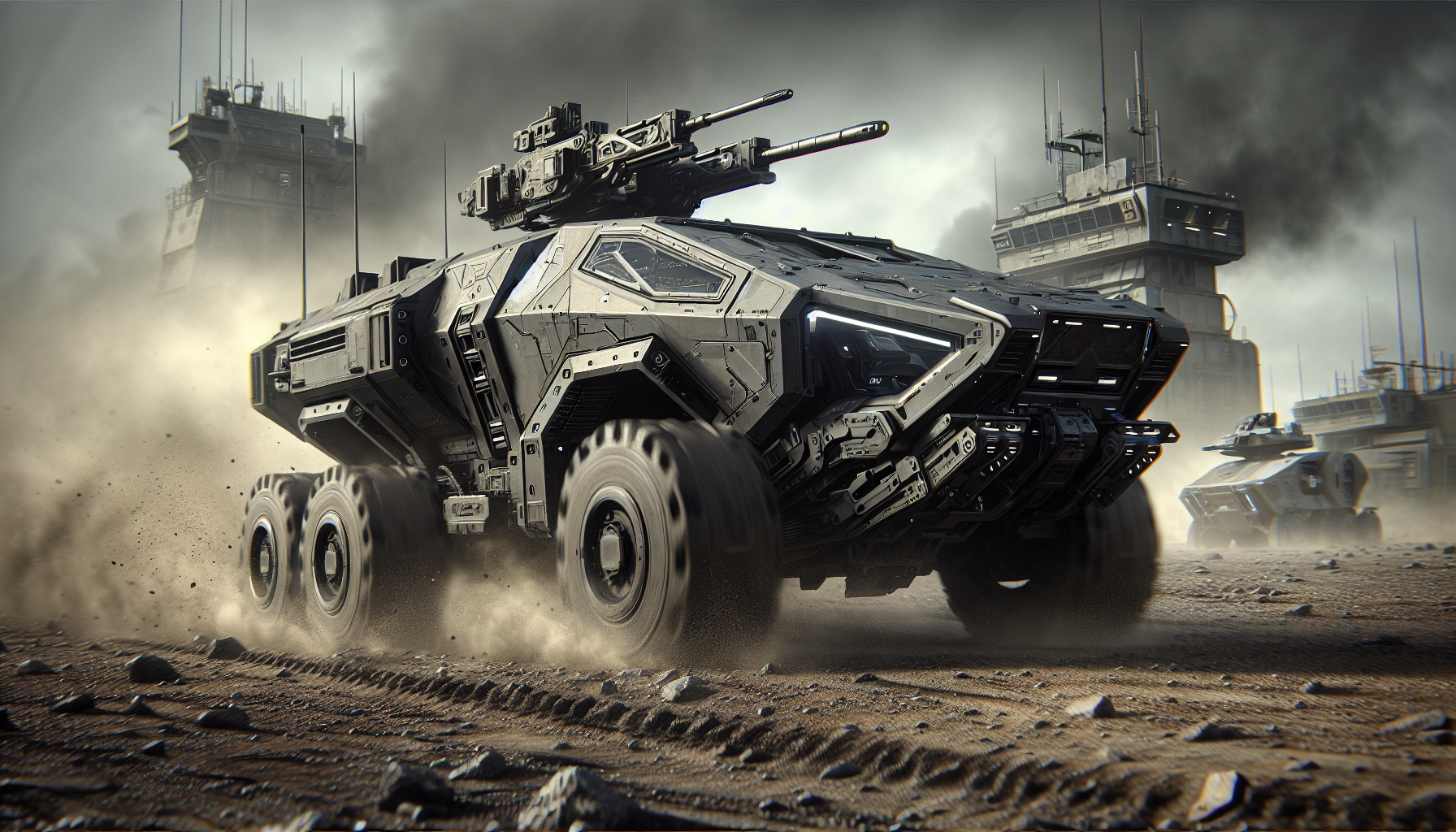
Challenges Facing the Bradley Replacement
Budgetary Constraints
Budgetary constraints present significant hurdles in the development of the Bradley replacement. Military budgets are often subject to legislative scrutiny and competing demands from various branches, making it challenging for the Army to secure sufficient funding for the XM30 program. This financial reality underscores the importance of aligning the program’s priorities with broader defense spending strategies to ensure sustainable investment and timely delivery.
Political and Military Logistics
Political factors, including shifting priorities and geopolitical considerations, complicate the decision-making process regarding military procurement. As defense policymakers navigate these waters, they must consider how the Army’s choices will resonate with broader national security strategies. Your understanding of these dynamics is vital in grasping how logistical challenges can delay the rollout of advanced systems and hinder the replacement process for the Bradley.
Testing and Development Delays
Testing and development timelines are prone to delays, particularly in a process as intricate as the XM30 program. Any setbacks can result in extended vetting periods that push back the overall timeline for deployment. These delays can arise from unforeseen technical challenges or compliance with stringent regulatory requirements essential for military applications. Recognizing these potential obstacles is key to understanding the complexities involved in replacing the Bradley vehicle.
Potential Impact of a New Bradley Replacement
Enhanced Combat Capabilities
The introduction of a next-generation infantry fighting vehicle promises to enhance combat capabilities significantly. By incorporating the latest technologies in firepower, survivability, and mobility, the new platform will better equip soldiers to face contemporary threats. You can visualize a scenario where these enhancements translate not only to improved battlefield performance but also to greater mission success in complex engagements.
Integration with Other Forces and Systems
A core goal of the XM30 program is to ensure seamless integration with other military branches and systems. This interoperability will be crucial for joint operations, enabling coordinated responses and effective resource allocation across platforms. Your appreciation for the emphasis on joint capabilities reflects a broader understanding of modern warfare’s collaborative nature, demanding advanced technical compatibility among diverse platforms.
Long-term Strategic Benefits
Investing in a Bradley replacement with enhanced capabilities has overarching strategic benefits. As potential adversaries develop their own advanced systems, maintaining a technological edge will be paramount for national security. A new vehicle that can evolve with emerging threats will bolster the Army’s deterrence capabilities, ensuring readiness not just for today’s conflicts but also for the uncertain battlefields of the future.
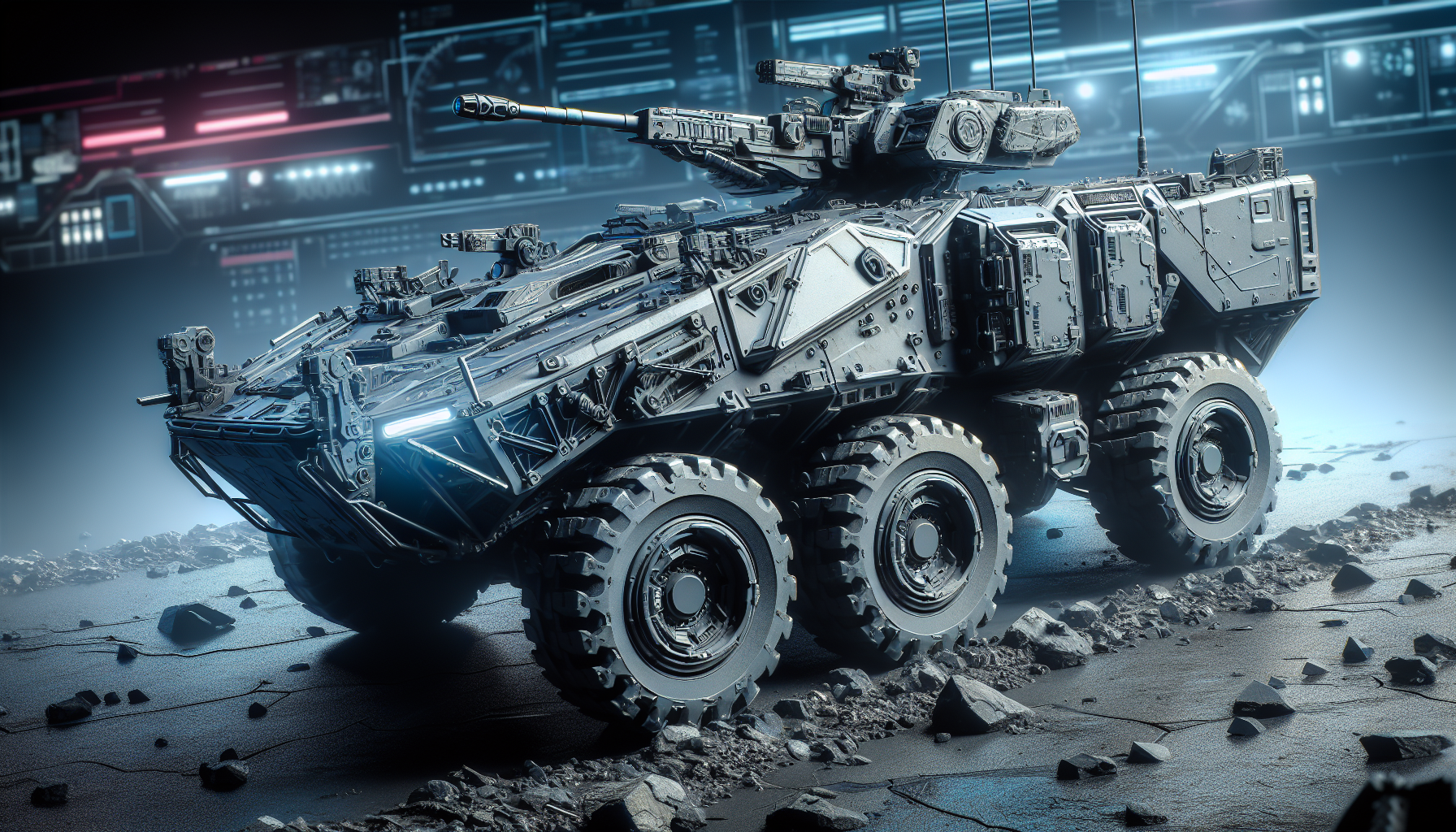
Comparison with Other Military Vehicles
Similar Programs Worldwide
Globally, other nations are advancing their own infantry fighting vehicle programs, demonstrating a parallel urgency to modernize armored capabilities. Countries such as Germany, Russia, and South Korea have invested heavily in next-generation vehicles, incorporating lessons learned from contemporary conflicts. Comparing the XM30 to these programs reveals a competitive landscape where technological advancements and battlefield effectiveness are crucial to national defense strategies worldwide.
Lessons Learned from International Case Studies
International case studies offer valuable lessons regarding the procurement and deployment of advanced military vehicles. Countries that have successfully integrated modern technology into their defense platforms show the significance of flexibility and responsiveness to changing combat scenarios. Your consideration of these case studies highlights the importance of adopting best practices to mitigate risks and maximize operational effectiveness within the XM30 program.
Technological Innovations in Global Defense
Innovation spreads rapidly in today’s defense industry, with advancements in robotics, artificial intelligence, and connectivity transforming the landscape of military systems. As nations strive to remain competitive, the integration of these technologies into new platforms, including the proposed Bradley replacement, is essential. Your awareness of global technological innovation underlines the necessity for the U.S. Army to adapt its systems accordingly to maintain its edge.
Future of Bradley Replacement Discussions
Anticipated Timeline for Decision Making
The timeline for finalizing the Bradley replacement remains a subject of anticipation within military and defense circles. While immediate progress in the XM30 program is underway, critical decisions regarding production and the final specifications will shape its future trajectory. You should remain vigilant regarding updates from the Army that may clarify when and how decisions will be made, thus influencing the broader defense framework.
Stakeholder Involvement and Interest
Stakeholders from various sectors, including military personnel, defense contractors, and policymakers, are keenly interested in the outcome of the XM30 program. Their involvement in discussions helps ensure that diverse perspectives are considered, from operational readiness requirements to technological innovations. Your engagement with these stakeholders is valuable in shaping the discourse surrounding the Bradley replacement and its implications for the Army’s capabilities.
Public Sentiment and Support
Public sentiment regarding military procurement often fluctuates based on perceived priorities and broader national security concerns. Building a consensus around the need for a modernized fighting vehicle will require outreach and education about the changing nature of warfare and the threats facing the nation. Your recognition of public support’s role in defense discourse suggests that advocacy and communication strategies will be essential in driving the timely replacement of the Bradley.
Expert Opinions and Predictions
Military Analysts’ Insights
Military analysts emphasize the necessity of a Bradley replacement in light of evolving threats and the operational environment. Their insights indicate that the future of ground warfare will demand vehicles capable of rapid adaptation and advanced technological integration. Your understanding of these expert views illustrates the critical nature of informed predictions in guiding military planning and strategy.
Industry Perspectives
From the perspective of defense contractors, the XM30 program represents not only a challenge but also an opportunity to showcase innovation and technical expertise. As companies navigate the landscape of competition, they recognize that their designs must align with military requirements while also being cost-effective and sustainable. Acknowledging these industry perspectives empowers you to appreciate the intricate dance between operational needs and commercial viability.
What the Future Could Hold for the XM30
The future of the XM30 remains uncertain, shaped by various factors such as technological advancements, budgetary constraints, and geopolitical dynamics. Nevertheless, should the program proceed with successful prototypes, it could signal a new chapter in U.S. ground warfare capabilities, influencing joint operations on a broader scale. Your awareness of these potential outcomes reflects an informed perspective on the complexities surrounding military modernization.
Conclusion
Summary of Key Points Discussed
In summary, the replacement of the Bradley Fighting Vehicle is crucial as the Army grapples with an aging fleet and the evolving nature of conflict. The XM30 program represents a strategic initiative aimed at delivering a next-generation vehicle capable of meeting contemporary and future demands. Challenges such as budgetary constraints and the political landscape must be navigated, while anticipation builds around the capabilities offered by potential prototypes.
Final Thoughts on the Prolonged Replacement Process
The protracted timeline associated with replacing the Bradley highlights the complexities inherent in military procurement processes. Your engagement with this topic encourages a deeper understanding of how defense priorities evolve, ensuring that discussions remain focused on securing the necessary capabilities to safeguard national interests effectively.
Call for Continued Monitoring and Discussion
Finally, it is imperative to continue monitoring the XM30 program’s developments and engage in discussions surrounding military modernization. With unwavering focus on capability gaps and emerging technological trends, stakeholders across the spectrum must collaborate to ensure that the Army is equipped with the most effective systems in an era of accelerated change. Your continued interest in this discourse is essential to fostering progress and ensuring success in the defense arena.