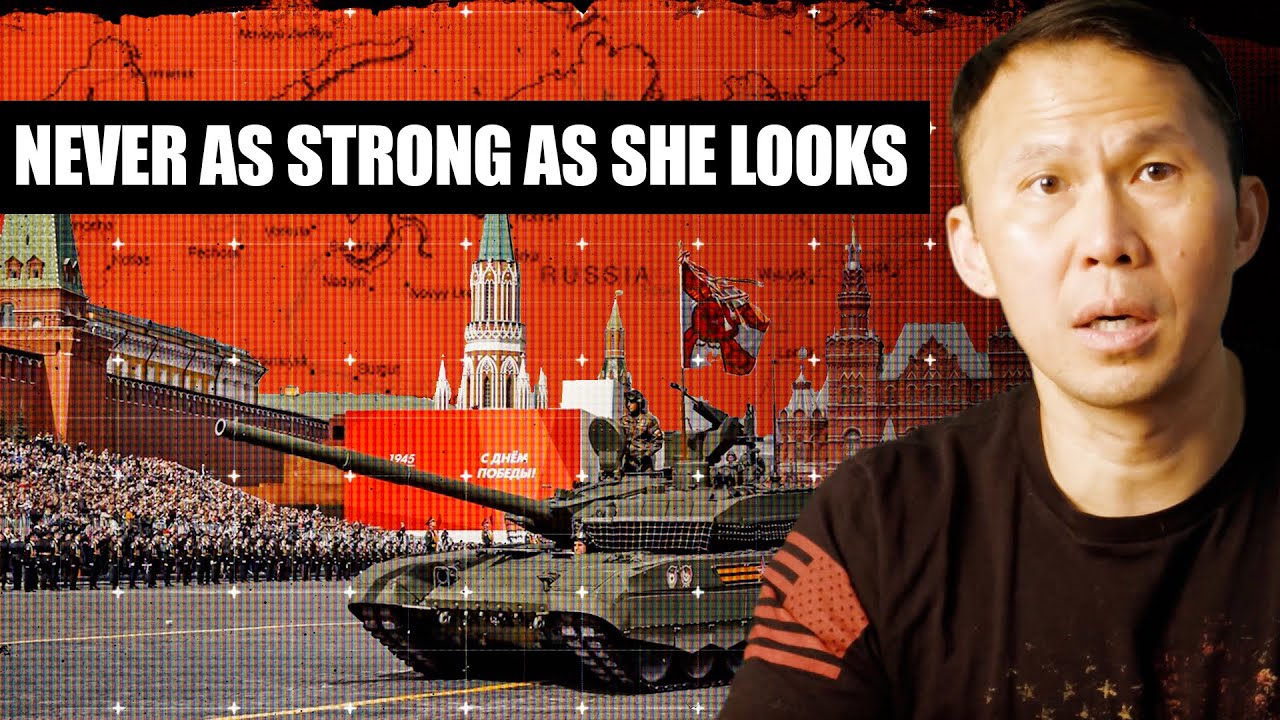
The article “Russia: Bruised, Battered, But Far From Beaten” examines the complex realities underpinning Russia’s military situation amid the ongoing conflict with Ukraine. It presents an analysis of Russia’s substantial military losses, illustrating that despite suffering over 700,000 casualties and losing thousands of tanks and vehicles, the nation has showcased remarkable resilience and adaptability. Russia’s military strategy emphasizes quantity over quality, with an increased reliance on conscription and industrial mobilization, indicating a strategic pivot that allows for sustained military engagement.
Furthermore, the discussion highlights the economic ramifications of the war and Russia’s efforts to maintain funding through energy exports and strategic partnerships with countries like China and Iran. The article underscores the enduring nature of Russia’s military capabilities and tactics, suggesting that the nation is not merely enduring its challenges but may also be evolving into a potentially more formidable adversary. This comprehensive overview calls into question Western perceptions of Russia’s weaknesses, suggesting that a reassessment is necessary when considering future geopolitical dynamics.
Historical Context
Understanding Russia’s Military Identity
To comprehend the current state of Russia’s military capabilities, one must first examine its historical context. Russia possesses a complex military identity shaped by a long and often tumultuous history. You may recall that the Russian military has been characterized by both significant triumphs and profound failures, contributing to a duality that perplexes military analysts and strategists. The notion of Russia’s military prowess is intertwined with its vast geography, resource wealth, and a historical tendency toward centralized power. This historical identity serves not only to justify current military actions but also to bolster national pride amidst perceived external threats.
Historical Paradoxes: Strengths and Weaknesses
The paradox of Russia’s military identity lies in its simultaneous strengths and weaknesses. While the Russian military is recognized for its vast manpower and extensive arsenal, it has often struggled with operational competence and military reform. As you consider these dimensions, remember that Russia has repeatedly endured significant conflicts, revealing a capacity for resilience. Yet, the historical reliance on sheer numbers often undermines the importance of technology and strategy. The ongoing conflict in Ukraine further amplifies these contradictions, showcasing both the strengths of a mobilized populace and the systemic weaknesses of outdated doctrines and logistics.
The Adage Explained: Russia’s Duality
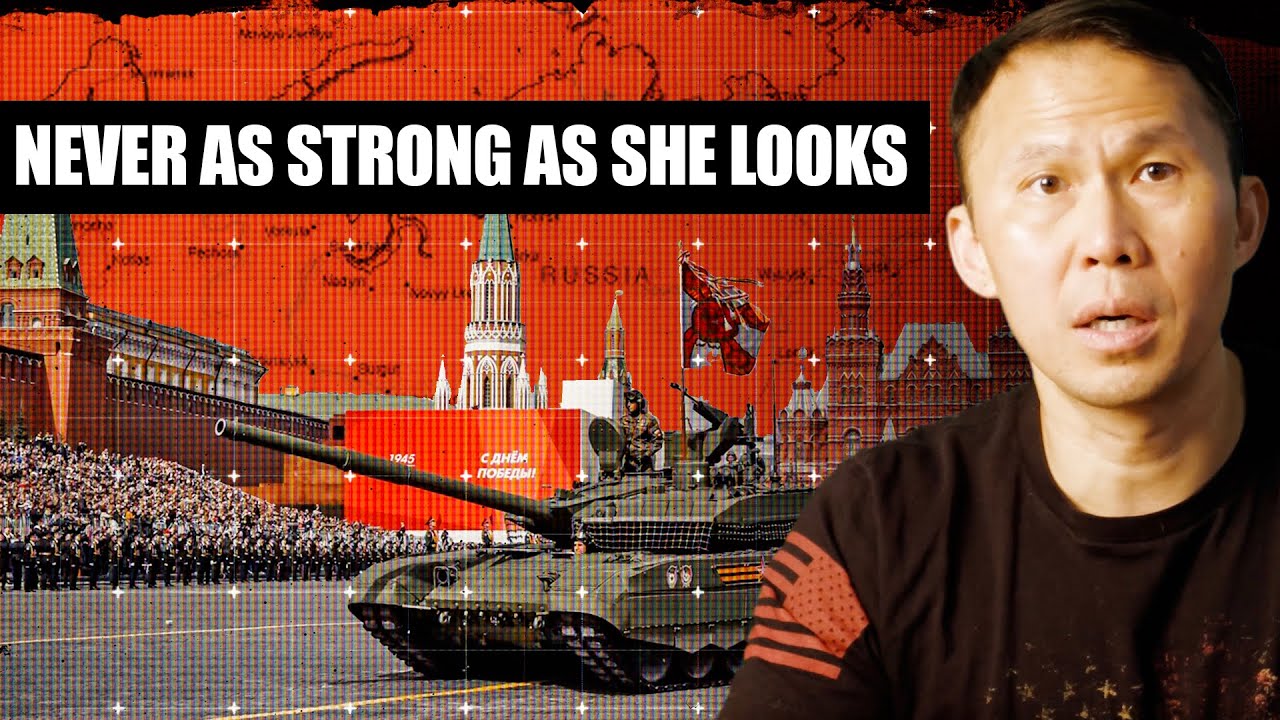
The adage “Russia is never as strong as she looks nor as weak as she appears” encapsulates the nuanced reality that governs perceptions of Russian military strength. You may understand this duality as a reflection of Russia’s self-image cultivated through decades of propaganda and historical narrative. On one hand, Russia exhibits the capacity for great military might demonstrated in previous conflicts; on the other, it showcases vulnerabilities exacerbated by bureaucratic inefficiencies and internal dissent. Analyzing this duality is essential for accurately assessing Russia’s position in contemporary geopolitics, as it highlights that appearances can be deceiving.
Casualty and Hardware Losses
Overview of Military Casualties
As of November 2024, Russia has incurred over 700,000 military casualties in its attempts to assert dominance in Ukraine. You may recognize that this staggering figure represents one of the highest casualty rates for a military engaged in conventional warfare in recent history. These losses illuminate the severe toll on Russian personnel, blurring the line between strategic ambition and human cost. The implications of such casualties not only affect operational capacity but also resonate within Russian society, potentially leading to public discontent.
Analyzing Hardware Loss Data
The losses in military hardware are equally troubling for Russia. By 2024, reports indicated that nearly 3,800 tanks and over 5,600 infantry fighting vehicles were destroyed. You should consider the impact of these losses: they not only diminish immediate battlefield capabilities but also signify a longer-term degradation of Russia’s armored and mechanized warfare capabilities. The analysis of hardware losses enhances your understanding of Russia’s operational challenges and may suggest potential gaps in military production and innovation.
Impact of Casualties on Military Strategy
The toll of casualties influences the military strategy employed by Russian leadership. You may observe that in the face of significant personnel losses, Russia has resorted to tactics that emphasize attrition over traditional warfare objectives. Mobilizing conscripts at a large scale has allowed Russia to sustain prolonged engagements, albeit at the expense of combat effectiveness. This strategic shift underscores the challenges that arise when managing an army that increasingly relies on quantity rather than quality, potentially leading to future vulnerabilities in their military approach.
Ongoing Resilience
Adaptation in the Face of Adversity
Despite suffering substantial losses, Russia’s military is exhibiting signs of resilience and adaptation. As you reflect on this resilience, consider how Russia has employed strategies that prioritize mobilization and industrial adaptation, learning to withstand adversity. The shift towards a more agile mobilization model indicates a distinct capability to recalibrate military operations in response to battlefield realities, highlighting an unexpected ability to absorb losses and maintain some level of operational continuity.
Mobilization of Conscripts: Manpower Dynamics
In 2022, Russia mobilized approximately 300,000 conscripts, effectively reinforcing its manpower dynamics. You should appreciate that this approach reflects a fundamental difference between Russia and Western military constructs, which typically rely on volunteer forces. The mass conscription strategy may result in a diluted quality of troops; however, it provides a necessary buffer against traditional attritional warfare. This dynamic presents both an opportunity and a challenge for Russian military leaders as they navigate the complexities of human resource mobilization.
Indicators of Military Effectiveness
Indicators of military effectiveness in the Russian context are evolving, shaped by ongoing operational challenges and losses. You might perceive the effective use of remaining resources as a marker of resilience amidst adversity. Factors such as morale, logistical adaptability, and the ability to leverage strategic partnerships play critical roles in demonstrating military effectiveness in the face of operational strain. Understanding these indicators is crucial for comprehensively gauging Russia’s military posture moving forward.
Military Strategy
Attribute of Attrition: A Long-Term Approach
Russia has leaned heavily into an attrition-based military strategy, focusing on wearing down Ukrainian defenses through sustained engagement. You may find that this long-term approach, while costly in terms of personnel and hardware, aligns with Russia’s historical reliance on mass mobilization. The strategy operates under the assumption that overwhelming numbers can yield tactical advantages, even in the absence of comprehensive planning and execution.
Quality vs. Quantity in Military Forces
The tension between quality and quantity characterizes much of Russia’s military strategy. As you analyze this dichotomy, consider how Russia’s military-industrial complex is producing a larger volume of equipment, albeit potentially of lower quality. This shift signifies a fundamental change in military doctrine, emphasizing the need for sheer numbers to offset technological disadvantages. The interaction between these two elements reveals the broader implications for battlefield outcomes and future military engagements.
Innovative Tactics and Adaptations
You may find that Russia’s current conflict has spurred the development of innovative military tactics and adaptations. The reconfiguration of traditional warfare paradigms, driven by necessity, illustrates a shifting landscape in strategic thinking. The integration of technology, both indigenous and foreign, along with unconventional tactics, demonstrates an evolving military doctrine that aims to maintain relevance in an increasingly complex operational environment.

Defense Industry and Economic Adaptation
Increasing Production Capacities of Military Equipment
A critical element of Russia’s military resilience is its defense industry’s capacity to increase production levels. The ramp-up of drone and artillery shell production, reported at approximately 3 million shells per year, indicates a concerted effort to replenish losses and bolster military readiness. You should recognize that this production surge reflects an ability to adapt industrial capabilities in response to wartime demands, showcasing a degree of responsiveness that could impact future engagements.
Establishment of International Supply Chains
In the wake of sanctions, Russia has established alternative international supply chains with partners such as China and Iran. You may interpret this strategic shift as a means of mitigating the effects of Western sanctions while sustaining military operations. The transfer of technology and military equipment from allied nations allows Russia to circumvent traditional supply chain limitations, further enhancing its military adaptability in the face of isolation.
Long-term Economic Shifts Towards Militarization
The ongoing conflict has also catalyzed long-term economic shifts towards a more militarized economic model. As you consider these shifts, keep in mind that government spending has increasingly prioritized defense production, echoing patterns from the Soviet era. This transformation underscores the pivotal role that military needs now play in shaping Russia’s economic landscape, raising questions about sustainability and the potential repercussions for domestic welfare.
Economic Impact and Funding
Energy Exports as Economic Backbone
Energy exports have proven to be the backbone of the Russian economy, providing critical financial support despite Western sanctions. You may note how Russia’s status as one of the world’s largest oil producers has allowed it to navigate economic pressures while maintaining military funding. This dependence on energy resources underscores the intricate connection between economic stability and military continuity, revealing vulnerabilities that could emerge in the future.
Financial Resilience Against Western Sanctions
Russia has expressed a degree of financial resilience against the onslaught of Western sanctions, demonstrating an ability to adapt economically. You ought to consider that while sanctions have affected certain sectors, Russia’s strategic pivot towards non-Western markets has mitigated some of their intended impacts. This resilience raises important questions regarding the effectiveness of economic measures aimed at disrupting Russia’s military ambitions.
Reallocation of Resources towards Military Needs
The reallocation of resources towards military needs illustrates a dedication to sustaining warfare efforts in Ukraine. You should critically analyze how Russia has directed funds away from other areas of public investment, resulting in an economy that increasingly prioritizes military expenditures. This reallocation signals a shift in national priorities, emphasizing the long-term implications of an entrenched military-first economic strategy.

Innovative Responses
Technological Adaptation in Warfare
Technological adaptation remains a hallmark of Russia’s military strategy. You may find that the ongoing conflict has accelerated the development of new military capabilities, particularly in the areas of drone warfare and precision-guided munitions. This surge in technological adaptation marks a significant evolution of Russian military strategy, reflecting an increased commitment to competing on modern battlefields.
Response to Operational Failures
Russia’s military has shown an ability to respond to operational failures with agility, continuously reassessing and recalibrating strategies based on real-time feedback from engagements. You might recognize that this capacity for reflection and adaptation speaks to a deeper understanding of modern warfare, enabling Russia to learn from its experiences and improve on the battlefield amidst adversity.
The Development of New Military Capabilities
The development of new military capabilities hinges on a combination of domestic innovation and international cooperation. You should observe that partnerships with countries like Iran and China have facilitated the integration of advanced technologies, allowing Russia to diversify its military arsenal. This development indicates a proactive approach to warfare, wherein Russia leverages both national resources and external partnerships to enhance its operational capabilities.
Nuclear Threats
Nuclear Strategy as Deterrence
Russia’s nuclear strategy continues to function as a key component of its broader military approach. You may find that the strategic positioning of nuclear capabilities serves both as a deterrent against Western intervention and a tool of psychological warfare. This doctrine emphasizes the significance of nuclear arms in Russia’s military posture, reinforcing its position within global geopolitics.
Historical Context of Nuclear Threats
The historical context surrounding Russia’s nuclear threats is rooted in Cold War dynamics and the legacies of the Soviet era. As you consider this backdrop, you may recognize the historical precedents that shape current strategies. The employment of nuclear threats serves as a tool for asserting power and deterring adversaries, revealing the enduring influence of nuclear strategy on Russia’s military identity.
Timing of Threats with Western Military Aid Discussions
The timing of Russia’s nuclear threats often coincides with discussions regarding Western military aid to Ukraine, suggesting a calculated strategy to exploit moments of vulnerability. You may interpret this timing as a means of leveraging fear to influence Western decision-making, demonstrating how Russia aims to maintain a strategic edge in a rapidly evolving conflict environment.
Exploiting Divisions
Russia’s Diplomacy and EU Dynamics
Russia is adept at exploiting divisions within the European Union and leveraging geopolitical dynamics to its advantage. You might recognize that diplomatic maneuvers and strategic alliances serve to weaken the cohesion of Western opposition. By navigating these complexities, Russia is able to maintain a foothold in the region while undermining potential unified efforts against its aggressions.
Influence Tactics on NATO Cohesion
The use of influence tactics to undermine NATO cohesion reflects a sophisticated understanding of Western alliances. You may find that Russia’s approach involves not only diplomatic outreach but also efforts to exploit existing tensions within NATO member states. This strategy of division aims to erode collective responses and weaken unified defense initiatives, ultimately enhancing Russia’s strategic positioning.
Using Political Instability to Advantage
Political instability in Western democracies offers Russia opportunities to exploit divisions and enhance its geopolitical objectives. You may note how Russia has capitalized on domestic grievances and political polarization to shape narratives that align with its strategic interests. This manipulation of political sentiment underscores the complexity of contemporary conflict, where ideological battles play a significant role alongside military engagements.
Conclusion
Summary of Key Findings
In conclusion, the intricate interplay between Russia’s military identity, operational losses, and adaptive strategies reveals a nation that remains undeniably resilient despite substantial challenges. The ongoing conflict has catalyzed shifts in military doctrine, industrial capacity, and economic priorities, reshaping Russia’s armed forces and their global positioning. You should consider that while losses have been considerable, they have not led to a straightforward incapacitation of the Russian military.
Reflections on Russia’s Adaptability
Russia’s ability to adapt and evolve in the face of adversity prompts reflections on the future of military engagements. You may find that the lessons derived from the ongoing conflict in Ukraine are pertinent not only to Russia’s military strategy but also to the broader geopolitical landscape. The implications of Russia’s adaptations underscore an understanding of resilience that may alter perceptions of military power.
Final Thoughts on Future Relations with the West
As you contemplate Russia’s future relations with the West, consider the complexities that emerge from ongoing conflicts and shifting power dynamics. The challenges posed by a resilient Russia indicate the necessity for a nuanced understanding of future interactions. You should remain cautious about underestimating Russia’s capacity to leverage both historical narratives and modern innovations in the evolving security landscape. The West must grapple with the implications of an enduring adversary as it navigates the intricacies of global diplomacy and military preparedness.