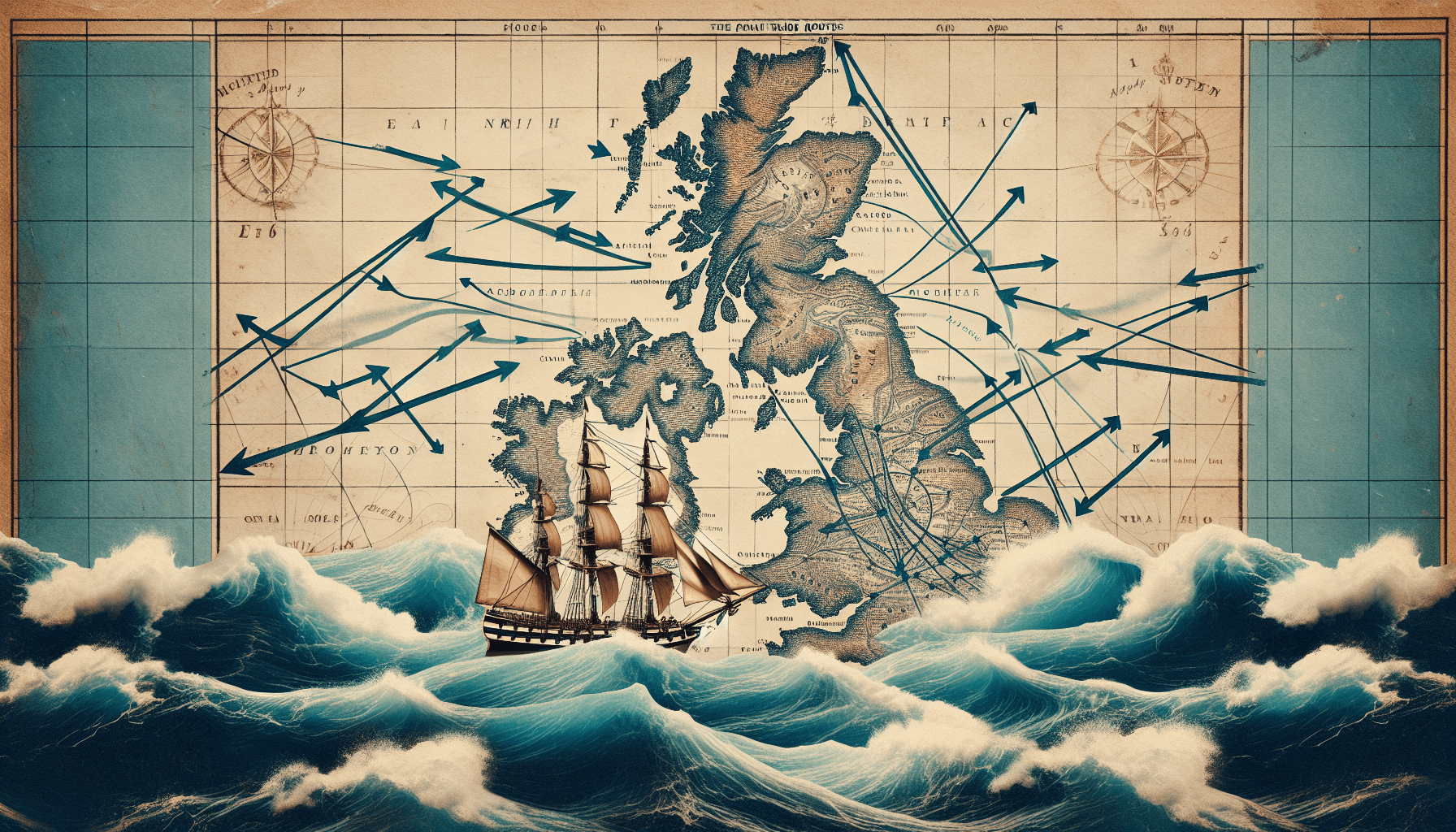
Napoleon Bonaparte’s expedition to Egypt in 1798 reveals a multifaceted approach toward disrupting British trade routes while simultaneously expanding French influence in the region. This article explores the strategic motivations behind the campaign, illustrating Napoleon’s ambitions to not only challenge British dominance in the Mediterranean but also to promote a cultural and scientific engagement with Egypt. The incorporation of over 200 scholars into the military operation underscores the dual objectives of military conquest and academic enlightenment, highlighting the complexities of colonial ambition.
The invasion’s unfolding led to significant military encounters, notably the Battle of the Pyramids, and sparked a dialogue between cultures that continues to shape historical narratives. The article examines how Napoleon’s actions laid the groundwork for ongoing tensions in Egypt, while also fostering an increased interest in Egyptology and cultural exchange. This exploration highlights the paradoxical nature of imperial pursuits, wherein military objectives intertwined with scholarly aspirations, yielding a legacy that remains contentious in contemporary discussions of colonialism.
Historical Overview of Napoleon’s Ambitions
Context of the Late 18th Century European Politics
In the waning years of the 18th century, the political landscape of Europe was undergoing seismic shifts. The French Revolution (1789) had upended traditional hierarchies, leading to a radical questioning of monarchical authority and the rise of democratic principles. In this tumultuous environment, the emergence of Napoleon Bonaparte became a significant player in the chess game of European politics. The revolutionary fervor in France alarmed neighboring monarchies, creating a complex web of alliances and rivalries. The quest for expansion and dominance became a central theme as France sought to assert its power, particularly against Britain, its foremost rival. The late 18th century was thus characterized by a fierce struggle for control not only over territorial boundaries but also over trade routes and political ideologies.
Napoleon’s Rise to Power
Napoleon’s ascent was marked by a combination of military genius and political acumen. Rapidly rising through the ranks of the French military, he became a general during the revolutionary wars. His notable victories in Italy enhanced his reputation as a military strategist, while his role in the coup of 18 Brumaire in 1799 enabled him to seize control of the French government, establishing the Consulate. By 1804, he declared himself Emperor, cementing his authority and ambition for not just national but continental domination. His leadership style was autocratic, asserting that a powerful leader was essential for a stable and prosperous France. Napoleon’s ambitions transcended mere military victories; they were intricately tied to the ideals of the Revolution—liberté, égalité, fraternité—although he would often suppress dissent in pursuit of these ideals.
Key Motivations for French Expansion
The motivations underlying Napoleon’s expansionist ambitions were multifaceted. Imperial aspirations were balanced with strategic calculations. Chief among these motivations was the desire to disrupt British trade routes, particularly those leading to India, which were vital for Britain’s economic supremacy. By controlling Egypt, Napoleon aimed to position France favorably against Britain, envisioning a web of influence stretching from the Mediterranean to the Indian Ocean. Additionally, Napoleon sought to spread revolutionary ideals, believing that a French presence in the Middle East could inspire uprisings in territories held by Britain’s colonial rivals. This dual ambition embraced both military conquest and transformation through ideas, defining the essence of his campaigns.
Strategic Importance of Trade Routes
Economic Significance of British Trade
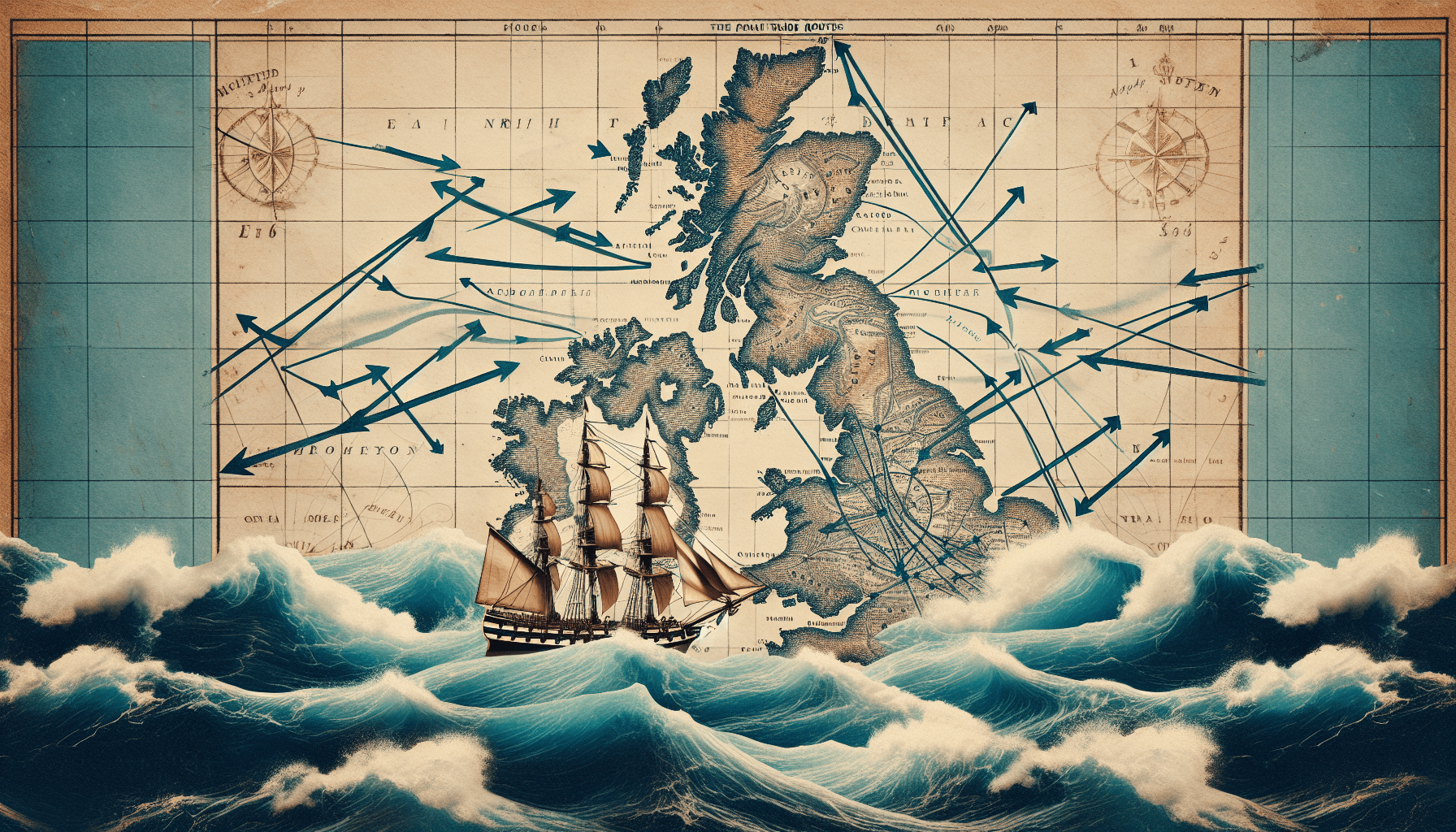
British economic supremacy in the late 18th century was largely anchored on trade routes connecting Europe to colonies in Asia, particularly India. These waterways were essential for the transport of goods ranging from textiles to spices, and British naval dominance ensured the protection of these vital interests. Understanding this context, Napoleon recognized that disrupting British trade could weaken his rival’s economic position, potentially shifting the balance of power in Europe. The British controlled crucial maritime passages; thus, the conquest of key territories became indispensable to challenge their hegemony.
Targeting Routes to India
By targeting Egypt, Napoleon outlined a visionary plan to create an overland route to India through the Suez. His belief in establishing a canal linked to the Nile was ahead of its time, showcasing both ambition and a strategic mindset. Control of Egypt would allow French goods to bypass British naval blockades, facilitating trade with overseas colonies. This endeavor represented not only a tactical move in warfare but also a bid for global economic influence. Furthermore, the possession of Egypt was perceived as the key to unlocking the riches of the Orient, and Napoleon deemed it necessary for France to stake a claim to this coveted resource.
Disruption as a Warfare Tactic
Napoleon employed disruption as a fundamental tactic in warfare, viewing economic negation as critical in undermining British power. His military strategies in Egypt indeed aimed at the strategic targeting of British interests. By capturing Egypt, Napoleon sought to diminish British trade routes and incite unrest within territories under British control. This multifaceted approach highlighted the intersections between military action and economic strategy, showcasing how Napoleon utilized conflict not merely as an act of aggression but as a means of achieving broader strategic goals.

The Egyptian Campaign: Objectives and Goals
Goals of the Expedition
Napoleon’s campaign in Egypt was driven by a complex array of objectives. Primarily, it intended to establish a French foothold in the strategically significant region of the Middle East. The expedition was not solely a military venture but encompassed political, economic, and cultural aspirations. Napoleon sought to position France as a dominant power in the region, aligning the spread of revolutionary ideals with imperial ambitions. Securing Egypt would provide France not only with strategic access to the Red Sea but also enhance its influence over neighboring territories. Thus, the operation was steeped in a vision that bridged military conquest with the propagation of enlightenment ideas.
Impact on British Colonial Interests
The Egyptian campaign posed a direct challenge to British colonial interests. With the French in control of Egypt, British access to India could potentially be jeopardized. Napoleon’s ambition to disrupt British trade and secure a powerful position along key maritime routes instigated fears of instability within British colonies. The prospect of a French stronghold in Egypt threatened to alter the colonial calculus, leading to increased tensions in Europe and the colonies. The British recognized that the successful establishment of French power in Egypt could unravel their economic dominance, compelling them to react militarily to safeguard their interests.
Long-term Vision for French Influence
Napoleon’s vision extended beyond immediate military success; it aimed at establishing a long-term French presence in Egypt. By fostering alliances with local leaders and promoting the idea of liberation from the oppressive rule of the Mamluks, he sought to gain the support of the Egyptian populace. Napoleon envisaged French colonization that emphasized not merely subjugation but also cultural integration and administrative reform. The long-term goal was to create a stable and prosperous French-administered territory that would serve as a pivotal ally against British hegemony in the Middle East.
Military Tactics and Strategies Employed
Innovative Battlefield Techniques
The military tactics employed during the Egyptian campaign were markedly innovative for their time. Napoleon’s military acumen was highlighted through the utilization of organized divisions and a strong emphasis on mobility. He trained his troops in the use of artillery, enhancing their capacity to engage effectively in battle. The decisive engagement at the Battle of the Pyramids showcased his adeptness at utilizing the geographical terrain to his advantage, implementing flanking maneuvers that outmaneuvered the more traditional formations of the Mamluks. This emphasis on rapid and flexible tactics showcased a departure from conventional military strategies of the period, establishing new standards for field operations.
The Role of Naval Power
Naval power played a pivotal role in Napoleon’s overall strategy during the campaign. Although he faced significant challenges with the British Navy, which maintained a strong presence in the Mediterranean, he initially sought to secure maritime superiority. The French fleet’s early maneuvers at Malta demonstrated an understanding of the crucial link between naval and land operations. However, the eventual naval defeat at the hands of Admiral Nelson at the Battle of the Nile would drastically affect the campaign’s outcome, cutting off crucial supply lines and undermining French military operations. This event underscored the integral nature of naval dominance in establishing and maintaining colonial ambitions.
Understanding Enemy Forces
A critical component of Napoleon’s military strategy involved a keen understanding of his enemy’s strengths and weaknesses. The French forces were aware that the Mamluks were not merely adversaries to be vanquished but formidable opponents accustomed to their terrain. Napoleon’s approach focused on gathering intelligence about Mamluk tactics, allowing his troops to anticipate engagements and adapt accordingly. This keen situational awareness and tactical flexibility characterized the French military approach, setting a precedent for future campaigns that emphasized adaptability in the face of changing battlefield dynamics.
The Scientific Component of the Campaign
Involvement of Scholars and Scientists
The Egyptian campaign was not solely a military endeavor; it also embraced a robust scientific mission. Napoleon brought along a multitude of scholars, scientists, and intellectuals, recognizing the importance of documenting Egyptian culture, history, and geography. This initiative served multiple purposes: it aimed to enhance the French understanding of Egypt while simultaneously establishing a narrative that would assert France’s intellectual superiority in the region. The involvement of esteemed figures in various fields of study, from archaeology to engineering, underscored the ambition to weave together the threads of conquest with those of knowledge dissemination.
Cultural and Historical Studies
As the French scholars embarked on their mission to study Egyptian civilization, they discovered a rich tapestry of history and culture that had long fascinated Western scholars. Works of architecture, ancient texts, and the cultural practices of the Egyptian populace became focal points of inquiry. This scholarly pursuit was surreal in its contrast to the military objectives, illustrating the tensions between conquest and cultural appreciation. The campaign catalyzed a wave of interest in Egyptology, seeding the growth of an academic field that would resonate through subsequent centuries, illustrating the complexities of colonial engagement with indigenous cultures.
The Legacy of Egyptology
The scientific endeavor during the campaign bore significant long-term implications, particularly in advancing the field of Egyptology. The discoveries made during this period contributed profoundly to the European understanding of ancient civilizations, fostering a fascination that would endure long after the campaign concluded. The subsequent publications detailing findings and theories helped to position Egypt in the Western intellectual landscape as a cradle of civilization. However, this legacy is complicated by the colonial framework, wherein the knowledge produced was often used to justify imperial endeavors, highlighting the paradoxical nature of cultural engagement within the context of conquest.
Cultural Encounter and Exchange
Interactions with Egyptian Society
The French encounter with Egyptian society was complex and marked by a mixture of curiosity, respect, and tension. In seeking to win the support of the local populace, Napoleon positioned himself as a liberator rather than an occupier, a narrative reflected in his proclamations about freeing them from Mamluk tyranny. The initial interactions included attempts to engage constructively with Egyptian scholars and leaders, fostering dialogues aimed at cooperation. However, the realities of occupation often created friction, leading to cultural misunderstandings that complicated the French mission.
Respecting Local Traditions and Customs
An intriguing aspect of the cultural exchange during the campaign was Napoleon’s initial strategy to respect local traditions and customs. This included adopting certain Islamic practices and attempting to engage with religious leaders, portraying himself as an ally rather than a conqueror. Such actions were strategic, aimed at legitimizing French presence and fostering cooperation. However, this façade eventually crumbled under the weight of French military actions, antagonizing local sentiment and resulting in widespread resistance. The balance between respectful engagement and military domination proved tenuous at best.
Impact on European Perceptions of Egypt
The interactions and observations made during the campaign had profound effects on European perceptions of Egypt. The era saw the emergence of a fascination with the East, as scholars and travelers began to romanticize Egyptian civilization through the lens of colonial narratives. This exchange contributed to a burgeoning field of Orientalism in Europe, wherein Egyptian culture was both exalted and objectified. The campaign not only influenced academic pursuits but also affected artistic and literary representations of Egypt, embedding the region within the broader European consciousness as a site of mystery and intrigue.

Challenges Faced by Napoleon’s Forces
Logistical Issues in the Egyptian Desert
The Egyptian landscape presented tremendous logistical challenges for Napoleon’s forces. The harsh desert environment, coupled with limited supply lines, strained the resources of the French military. Sustaining troops in such conditions required meticulous planning, yet the realities of skirmishes and local resistance often disrupted these efforts. Communicating needs via messenger systems and navigating geographical obstacles added layers of complexity to the operational framework established by Napoleon. These logistical difficulties became a critical factor in the unfolding narrative of the campaign.
Resistance and Uprisings from Locals
While Napoleon initially experienced a degree of cooperation from the Egyptian populace, this goodwill quickly eroded as the realities of occupation set in. The imposition of French rule was met with increasing resistance, exemplified by uprisings fueled by resentment towards foreign control. Local leaders rallied their communities against the colonial forces, viewing Napoleon not as a liberator but as an invader. The dynamic interplay between local agency and colonial power marked this campaign, illustrating the complexities of implementing a foreign governance model, and ultimately leading to prolonged conflicts.
Consequences of Military Occupation
The consequences of military occupation were severe for both the French and the Egyptian populace. As resistance grew, the French response often oscillated between violence and repression, which further alienated the local population. The initial aspirations of reform and governance devolved into a cycle of mistrust and violence. The military rule established by Napoleon became increasingly untenable, reflecting the inherent contradictions present in an imperial strategy predicated on cooperation but executed through domination. As uprisings manifested, the dream of a harmonious colonial relationship dissipated, leaving behind a legacy defined by conflict.
The Syrian Campaign and Its Implications
Objectives in the Syrian Campaign
The Syrian campaign, undertaken following the achievements in Egypt, illustrated Napoleon’s broader ambition to deepen French influence in the Levant. It began with the goal of establishing a foothold in Syria that would allow France to cement its presence and, ideally, disrupt British interests further. Napoleon envisioned this as a stepping stone to spread French revolutionary ideals and fortify diplomatic engagement with local leaders who shared an animosity towards Britain. The campaign was steeped in the ambition to create an overland conduit to India, thus combining military objectives with strategic economic aspirations.
Military Engagements and Outcomes
The military engagements during the Syrian campaign were marked by a series of confrontations with local forces, yet the outcomes were mixed. Although the French initially achieved successes, including the acquisition of cities, they faced severe logistical issues and mounting local resistance. The challenging terrain, coupled with hostile local populations and supply shortages, began to turn the tide against Napoleon. As the campaign progressed, the French forces struggled with attrition, and the lack of reinforcements compounded their difficulties. The overall impact would be a reaffirmation of local defiance and a stark demonstration of how ambitious imperial designs can falter in the face of determined opposition.
Strategic Failures and Lessons Learned
The Syrian campaign ultimately exposed several strategic failures. Napoleon’s overreaching ambitions were unchecked by the realities of military logistics and local dynamics. The withdrawal from Syria and failure to establish a stable French presence undermined the objectives laid out at the campaign’s inception. The lessons drawn from this endeavor reinforced the notion that successful military campaigns necessitate not only robust force but also a nuanced understanding of political and cultural contexts. France’s inability to maintain control underscored the complexities inherent in colonial ventures and foreshadowed future challenges for imperial powers.
Long-term Consequences of the Campaign
Impact on France’s Global Position
The Egyptian campaign had lasting ramifications for France’s global position, despite its mixed successes. Although the immediate military objectives were not fully realized, the expedition marked a crucial step in France’s re-emergence on the international stage. The scientific and cultural exchanges informed European thought and shifted narratives surrounding Egypt. The campaign also served as a precursor to future colonial ambitions, as the knowledge gained inspired further forays into imperial territories in the subsequent decades. Ultimately, while the campaign did not yield a sustained territorial gain, it repositioned France within the global discourse of power dynamics.
Effects on British Trade and Defense
The ripple effects of the Egyptian campaign extended to Britain’s trade and defense strategies. The disruption caused by Napoleon forced British leaders to engage in reevaluating their colonial policies and military readiness. In response, Britain solidified its naval dominance and intensified efforts to protect vital trade routes. The heightened awareness of the vulnerabilities exposed by the French campaign led to a concerted effort to reinforce British regional positions, thereby altering the balance of power in the Mediterranean. Consequently, the campaign’s implications echoed across national policies, engendering shifts in both defense and economic strategies.
Cultural Repercussions in Europe and Egypt
Culturally, the Egyptian campaign had profound implications on both French and Egyptian societies, intertwining narratives that have continued to resonate through history. In Europe, the expedition fostered a new fascination with Egypt, influencing artistic movements and spurring scholarly pursuits in Egyptology. For Egypt, the foreign invasion prompted essential dialogues regarding identity, colonialism, and local agency. The complicated legacy of the French encounter ignited aspirations for autonomy while simultaneously embedding Western perceptions within Egypt’s historical narrative. The interplay of cultures marked a transformative period that reshaped European perspectives and Egyptian self-recognition.
Conclusion
Summary of Key Points
The multifaceted motivations behind Napoleon’s invasion of Egypt reveal a complex interplay of strategic foresight, military ambition, and cultural engagement. The objectives were far-reaching, aiming not only to disrupt British interests but also to expand French influence in the Middle East while simultaneously asserting superiority in intellectual pursuits. The campaign brought forth innovative military tactics and brought scholars into the fray, sparking developments in the nascent field of Egyptology and cultural exchanges. However, the challenges faced—including resistance, logistical difficulties, and the consequences of occupation—cast a shadow over the aspirations that guided the expedition.
Reflection on the Historical Impact
Reflecting on the historical impact of the Egyptian campaign prompts consideration of the paradoxes inherent in colonial endeavors. While the expedition aimed for imperial expansion, it inadvertently fostered deep cultural and intellectual engagements that would shape future interactions between Europe and the Middle East. The interplay of conquest and curiosity revealed both the possibilities and limits of colonial ambitions, highlighting how imperial strategies are always complicated by the agency of subjugated peoples.
Lessons from Napoleon’s Strategic Ambitions
The lasting lessons from Napoleon’s strategic ambitions lie in the recognition that militaristic endeavors cannot exist in a vacuum; they must engage with cultural, social, and historical complexities. The Egyptian campaign serves as a cautionary tale about the perils of overreach, the necessity of understanding local dynamics, and the enduring legacies that imperial actions impose on both colonizers and the colonized. Through examining these ambitions, you gain insight into the multifaceted narrative of colonial power and the essential humanity that persists amid historical forces at play.