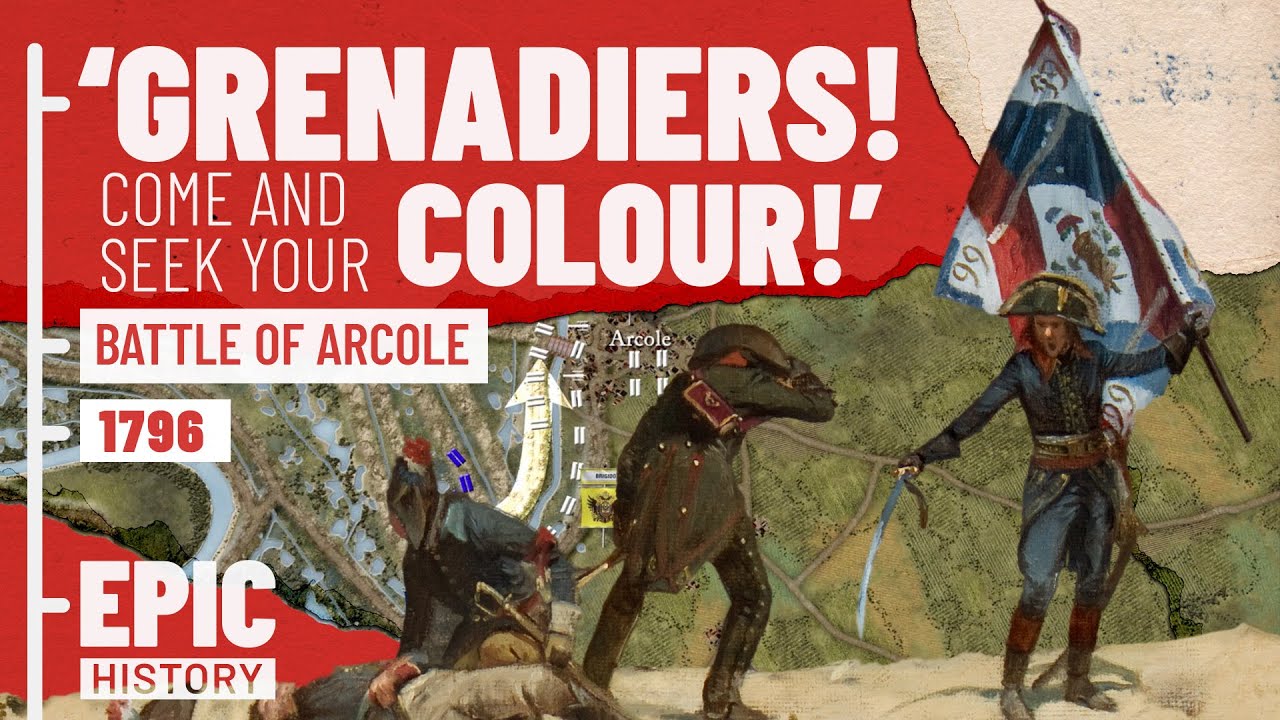
In 1796, you witness a pivotal moment in European military history as Napoleon Bonaparte, a mere 26 years old, rises to command the French forces in northern Italy during the Revolutionary Wars. Your understanding of this campaign highlights how he transformed a demoralized army into a formidable fighting force, achieving notable victories against the Austrians and securing strategic advantages in the region. However, as the conflict progresses, you encounter the complexities and challenges that arise, particularly during the critical siege of Mantua and the subsequent clashes against Austrian reinforcements.
The Battle of Arcole unfolds as a significant episode in Napoleon’s campaign, emphasizing both his strategic acumen and the dire circumstances faced by his troops. You observe the relentless struggles, including logistical shortages and the relentless winter, that threaten the French position. Despite heavy casualties and initial setbacks, Napoleon’s determination culminates in a costly yet decisive victory at Arcole, solidifying his reputation and foreshadowing his impact on the trajectory of European warfare. This analysis provides insight into the intricacies of leadership and military strategy during a transformative period in history.
Battle of Arcole: A Comprehensive Analysis

Background of the Battle
Context of the Revolutionary Wars
The late 18th century was a period of tumultuous upheaval and transformation, marked by the surge of revolutionary fervor across Europe. The Revolutionary Wars, ignited by the ideological and political changes emanating from the French Revolution, represented a critical juncture in the histories of nations. Emerging from the chaos of monarchical absolutism, the French revolutionaries sought to export their new democratic ideals, resulting in an escalating conflict with various European monarchies. Notably, Austria stood as a significant opponent in this struggle, its sacred image of imperial authority directly threatened by the revolutionary contagion. The ensuing conflicts thus set the stage for historic battles, as nations grappled with the challenge of modernization versus the preservation of traditional power structures.
Napoleon’s Early Campaigns in Italy
In 1796, amidst the backdrop of these revolutionary struggles, a young and ambitious general named Napoleon Bonaparte took charge of the French Army in Italy. At merely 26 years of age, he embarked on a campaign that would secure not only military victories but also his own legendary status. Displaying remarkable leadership qualities, Napoleon swiftly revitalized a disqualified and demoralized army into a formidable fighting force. His tactical ingenuity and relentless drive facilitated a series of victories against the Austrians and had crucial ramifications for French military ambitions in the region. These triumphs not only resulted in territorial gains but also significantly weakened Austria’s hold in Northern Italy, leading to the withdrawal of Piedmont from the conflict.
Strategic Importance of Northern Italy
The strategic significance of Northern Italy cannot be overstated, especially during the Revolutionary Wars. Geographically, it served as a critical gateway to the Mediterranean, providing access to continental trade routes and serving as a vital base for further military operations. Politically, control of Northern Italy represented the potential to alter the balance of power in Europe, enabling France to extend its revolutionary ideals while simultaneously undermining monarchical regimes. The city of Mantua, in particular, emerged as a focal point of this struggle, symbolizing both the operational aims of the French and the imperative for Austrian defense.
Napoleon’s Leadership
Transformation of the French Army
Napoleon’s ability to transform the French Army cannot be understated. Upon taking command, he faced an insurmountable task: to revitalize an exhausted and under-resourced military force. Through a combination of inspiring rhetoric, relentless training, and innovative military reforms, he instilled a sense of purpose and discipline within the ranks. His strategies included adjusting the command structure, fostering initiative among lower-ranking officers, and exploiting the advantages afforded by the rapid movement of troops. This transformation was pivotal in achieving early French successes and set the tone for Napoleon’s subsequent campaigns.
Early Victories Against the Austrians
Bonaparte’s initial encounters with the Austrians showcased his tactical brilliance and decisiveness. Noteworthy victories, such as those at Montenotte and Lodi, were emblematic of his ability to leverage the element of surprise and employ rapid maneuvers to outflank and outfight his opponents. These victories not only secured French footholds in Italy but also enhanced the morale of his forces, laying the groundwork for future engagements. As Bonaparte rapidly advanced, he effectively dismantled the Austrian military strategies that had dominated the preceding conflicts, establishing a new paradigm in warfare.
Military Strategy and Tactics
Napoleon’s approach to military strategy and tactics was characterized by a blend of audacity and pragmatism. He embraced the concept of “concentration” of force, ensuring that his best units engaged the enemy at decisive moments while maintaining flexible reserves ready to maneuver as circumstances dictated. He also emphasized the importance of logistics and rapid troop movements, allowing his forces to outpace enemy reinforcements and capture untenable positions. This strategic insight, coupled with a deep understanding of battlefield dynamics, marked a significant evolution in military theory and practice during the Revolutionary Wars.
The Siege of Mantua
Significance of Mantua for Control
The city of Mantua held immense strategic significance for both French and Austrian forces. Nestled within a complex network of waterways and fortified positions, Mantua served as a bastion not only for Austrian military operations but also as a symbol of imperial authority in Northern Italy. The siege of Mantua marked a substantial chapter in the conflict, with Napoleon’s forces striving to wrest control from the Austrians. Capturing Mantua would effectively cripple Austrian military logistics and allow French forces to bolster their influence across the broader Italian peninsula.
Gathering Austrian Reinforcements
As the French tightened their grip on Mantua, the Austrians launched efforts to assemble reinforcements under the leadership of Field Marshal József Alvinczi. This process involved coordinating troops from various regiments, including the Grenz battalions—light infantry drawn from the Habsburg border regions. These troops, although they suffered from poor morale and lack of experience, bolstered the overall strength of the Austrian forces. Alvinczi’s strategic deployment aimed to break the siege, reassert control, and reestablish Austria’s foothold in Italy amidst mounting pressures.
Challenges Faced by French Troops
The French forces, while ambitious and driven under Napoleon’s command, faced a myriad of challenges during the siege of Mantua. Logistics were a pressing concern, with supply lines frequently disrupted due to enemy action and geographical impediments. Additionally, disease ravaged the ranks, further depleting the effectiveness of the French army. Those factors, combined with a relatively small number of reinforcements from France, placed French troops in a precarious situation as they sought to maintain pressure on the besieged city while resisting Austrian attempts to retake the initiative.
Prelude to the Battle of Arcole
Defeat at the Second Battle of Bassano
As the siege of Mantua wore on, the French Army encountered a significant setback with their involvement in the Second Battle of Bassano on October 22, 1796. This conflict served as a critical turning point within the broader campaign, revealing vulnerabilities in French strategy and execution. The battle’s outcome was disastrous, resulting in heavy casualties on both sides and demoralizing French troops. For Napoleon, this defeat raised urgent questions about the viability of his plans and the sustainability of his forces amidst growing opposition.
The Plan for Counter-Offensive Strike
In the aftermath of the Second Battle of Bassano, Napoleon’s strategic acumen came to the forefront. Faced with potential losses on multiple fronts, he devised an audacious counter-offensive aimed at targeting Austrian supply lines. By maneuvering his troops to cross the Adige River, he sought to outflank the Austrian positions and disrupt their reinforcements, thereby regaining the initiative. This tactical shift was emblematic of Napoleon’s ability to confront adversity with unconventional strategies, identifying weaknesses in enemy operations that could be exploited.
Crossing the Adige River
The maneuver to cross the Adige River presented the French forces with both opportunities and challenges. This river served as a crucial geographical barrier that the Austrians relied upon for defense. By successfully crossing the river, Napoleon aimed to reposition his forces for a decisive engagement at Arcole. However, the execution of this plan required meticulous coordination and battle readiness, as the risks of counterattacks and enemy reinforcements loomed large. Napoleon’s calculated decision to take this step epitomized his boldness as a military leader and his commitment to leveraging geographical advantages in warfare.
The Initial Assault on Arcole
Fierce Resistance from Austrian Forces
As the French forces advanced toward Arcole, they encountered fierce resistance from the well-entrenched Austrian defenders. The Austrian troops, motivated by their need to maintain their position and support the besieged Mantua, were determined not to yield without a comprehensive fight. The fortified nature of Arcole, combined with the tactical proficiency of the Austrian command, rendered the French assault exceedingly challenging. This presented a critical test of Napoleon’s resolve and the French Army’s ability to push through the defensive stronghold.
Guieu’s Orders and First Attempts
General Guieu, under Napoleon’s orders, spearheaded attempts to seize Arcole from the south. His strategic aim was to coordinate a simultaneous assault while maintaining pressure on the Austrians. However, the first attempts to breach the defenses were met with formidable opposition. Guieu’s forces struggled to inspire those under his leadership, and the morale of the French troops began to wane as heavy fire and stiff resistance blunted their efforts. This initial engagement set the tone for a protracted and desperately contested battle.
Challenges of Morale Among Soldiers
The morale of the French soldiers emerged as a critical factor in the early stages of the assault on Arcole. Soldiers exhibited reluctance to engage amidst the harsh realities of combat, heightened by their recent experience of defeat at Bassano. Anxiety and weariness took hold as troops grappled with injuries, illness, and the prevailing uncertainty of their commander’s efficacy. Further compounding the situation, communication breakdowns and disjointed command structure resulted in confusion among the ranks, leading to a troubling sense of disillusionment.
Strategic Decisions by Napoleon
Concerns Over Potential Encirclement
As the battle progressed, Napoleon’s strategic decisions became increasingly influenced by the rising threat of encirclement. The Austrians, under the capable leadership of Alvinczi, posed a serious risk of flanking the French position, thus compromising the operational objectives of the French Army. Napoleon’s awareness of this danger prompted him to consider a tactical retreat to regroup, a decision that underscored the delicate balance between aggression and caution that defines effective military leadership.
Planning for a Tactical Retreat
In light of the evolving battlefield dynamics, Napoleon made pivotal decisions regarding troop positioning and readiness. He recognized that a retreat, if properly executed, could allow for a recalibration of tactics while preserving the integrity of his forces. This plan involved consolidating units and assessing the overall combat effectiveness of his troops. Balancing risk and tactical advantage, this calculated maneuver reflected Napoleon’s adaptability in the face of adversity and exemplified his pragmatic understanding of warfare.
Receiving Intelligence and Renewing Attacks
In a fortunate turn of events, Napoleon received critical intelligence regarding the disposition of Austrian forces, which reinvigorated his resolve. The news indicated potential vulnerabilities in enemy lines, spurring him to renew his attacks. With bolstered confidence and a clearer understanding of the battlefield situation, Napoleon restructured his approach to capitalize on the weaknesses penned by the Austrians. This intelligence-driven strategy highlighted the importance of information and adaptability in military campaigns.
The Turning Point in the Battle
Changing Tactics Mid-Battle
Amidst the challenges faced during the battle, Napoleon demonstrated his capacity for strategic innovation by altering tactics mid-engagement. As French forces grappled with formidable Austrian defenses, it became evident that a static assault would yield minimal success. This realization prompted Napoleon to employ a combination of diversionary tactics and rapid troop movements to unsettle Austrian positions. The ability to pivot tactics in the heat of battle showcased the fluidity of warfare and emphasized the importance of adaptability.
French Assaults on Austrian Defenses
In the latter stages of the battle, French forces launched a series of concerted assaults on the Austrian defenses, revealing Napoleon’s determination to seize the initiative. Leveraging the new tactics introduced during the conflict, French troops engaged with renewed vigor, challenging the Austrians’ grasp over Arcole. These assaults, while costly, reflected the relentless driving force of Napoleon’s leadership and the resolve of his soldiers to secure a critical victory. The outcome of these actions would play a decisive role in determining the trajectory of the battle.
Importance of Adaptability in Warfare
The Battle of Arcole increasingly illustrated the paramount importance of adaptability in military strategy. The ability to pivot and respond to changing circumstances on the battlefield was essential for both Napoleon and his adversaries. In an age where technology and military tactics were rapidly evolving, flexibility emerged as a defining characteristic of successful leadership. Napoleon’s capacity to assess conditions, respond to threats, and innovate tactics under pressure ensured that the French forces remained competitive in their pursuit of victory.
Aftermath of the Battle
Costly Victory: Analyzing Losses
Despite securing a victory at the Battle of Arcole, the cost was exorbitant for the French Army. The nature of the conflict resulted in heavy casualties that struck at the heart of the once-emboldened forces. Napoleon’s tenacity came at a price, necessitating a serious appraisal of the human and material resources expended in pursuit of an uncertain victory. Such losses significantly influenced the broader strategies employed in subsequent engagements, requiring a reevaluation of tactical priorities moving forward.
Austrian Retreat and Implications
In the aftermath of the battle, the Austrians found themselves compelled to retreat, having sustained significant losses and faced with the deteriorating condition of their forces. This retreat served as a major turning point in the conflict, showcasing not only the tactical triumphs achieved by the French but also the vulnerability of Austrian military aspirations in Northern Italy. The implications of this retreat rippled through the ranks, affecting future strategies and shaping the continuing narrative of the Revolutionary Wars.
Impact on Napoleon’s Reputation
The victory at Arcole resonated powerfully within the political and military landscape of France, enhancing Napoleon’s reputation as a brilliant tactician. Emerging from the shadow of earlier defeats, he solidified his status not only as a military commander but also as a national figure capable of shaping the destiny of France. As he continued to secure victories across Italy, the legend of Napoleon Bonaparte began to take form—a military genius with a seemingly inexorable rise, forever altering the course of history.
Historical Significance of the Battle
Role in the Italian Campaign
The Battle of Arcole has earned its place as a critical juncture in the Italian campaign, representing both a tactical victory and a symbol of resilience for the French forces. It underscored the shifting tides in the Revolutionary Wars, illustrating that the French Army, despite facing significant challenges, possessed the capacity to adapt and overcome. Capturing Arcole not only impeded Austrian advances but also reinvigorated the French campaign, propelling it forward in the quest for greater territorial control.
Consequences for the 1796 Revolutionary Wars
The implications of the Battle of Arcole extended beyond its immediate context, influencing the broader trajectory of the 1796 Revolutionary Wars. The shift in momentum generated by the French victory subsequently emboldened French forces throughout Italy, contributing to their continued successes in subsequent engagements. The battle illuminated the fragile nature of political alliances and the fluidity of military dynamics during this revolutionary period, shaping the trajectory of European warfare in the years to come.
Influence on Future Military Strategies
As much as the battle solidified Napoleon’s legacy, it also served as a poignant lesson in military strategy for future generations. The combat demands and outcomes witnessed at Arcole highlighted the critical importance of tactical innovation, adaptability, and intelligence-gathering in warfare. These principles would resonate beyond the Revolutionary Wars, influencing military leaders and theorists in the centuries that followed. The methodologies employed during Arcole would thus become integrated into the foundational canon of modern military studies.
Conclusion
Summary of the Battle’s Outcomes
In conclusion, the Battle of Arcole stands as a testament to the complex interplay of strategy, leadership, and human resilience during a critical phase of the Revolutionary Wars. The costly victory achieved by Napoleon’s forces underscored both the heights of tactical innovation and the depths of human sacrifice. While the French triumphed at Arcole, the losses suffered foreshadowed the challenges that would continue to evolve throughout the campaign.
Reflection on Napoleon’s Military Genius
Reflecting on Napoleon’s leadership during the Battle of Arcole provides insight into his military genius. His ability to adapt amidst adversity, coupled with a keen understanding of battlefield dynamics, contributed significantly to his burgeoning reputation as one of history’s greatest commanders. As events unfolded, Napoleon’s strengths as a military strategist would continue to define the nature of warfare during his time.
Final Thoughts on Historical Memory of the Event
The historical memory surrounding the Battle of Arcole encapsulates the spirit of an era marked by revolutionary fervor and transformation. The battle serves not only as a milestone in Napoleon’s career but also as a reflection of the broader societal shifts that characterized the Revolutionary Wars. As you ponder the implications of this engagement, consider how such narratives continue to resonate through military history, shaping our understanding of leadership and strategy in times of conflict.