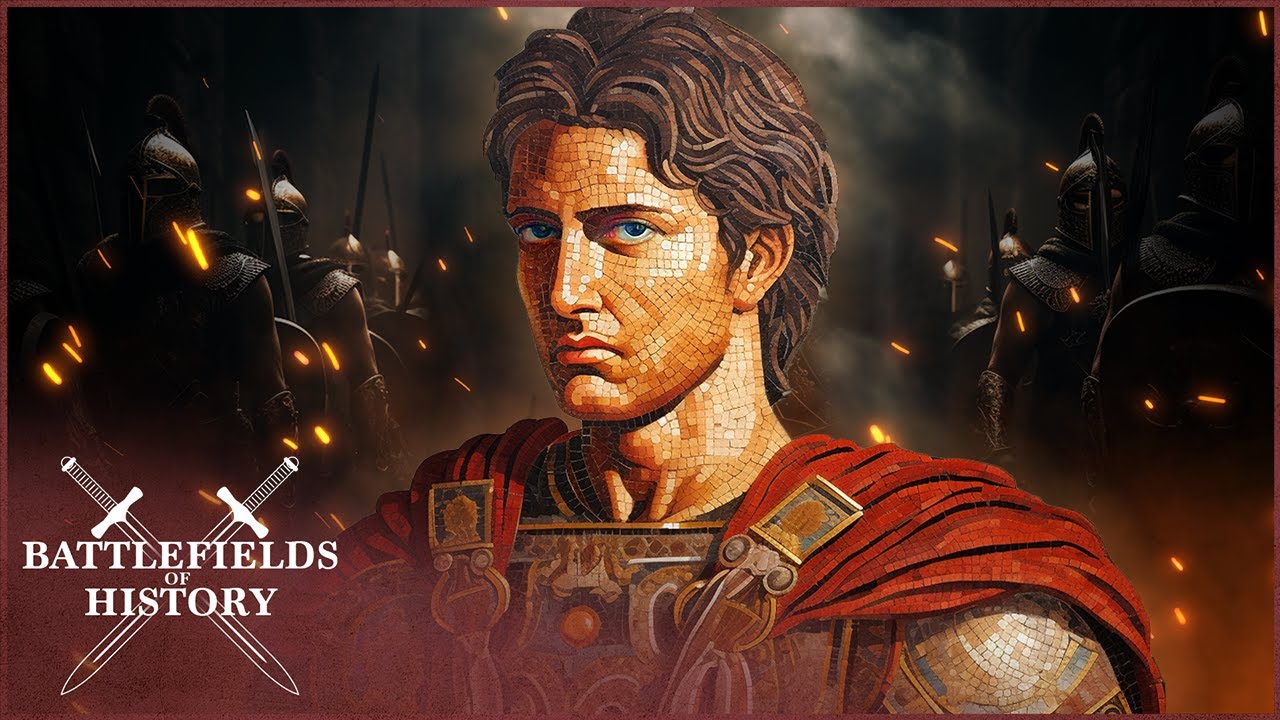
The legacy of Alexander the Great looms large over the annals of history, marking him as one of the most significant conquerors of all time. Born in 356 BC in Macedonia, Alexander’s education under the philosopher Aristotle laid the groundwork for both his intellectual and military prowess. His early life was steeped in a society rich in culture and innovation, as evidenced by archaeological discoveries in ancient cities such as Pella and Amphipolis. At the age of twenty, following the assassination of his father, he ascended the throne and commenced a relentless campaign against Persia, achieving remarkable victories that would shape the geographical and cultural landscape of the ancient world.
As Alexander expanded his empire, he not only enforced military dominance but also fostered cultural integration by embracing the customs and traditions of the peoples he conquered. This multicultural approach is evident in his founding of cities like Alexandria, designed to serve as intellectual and cultural hubs. Despite his untimely death at the age of thirty-two, the mysteries surrounding his life and legacy, including the elusive location of his burial site, continue to ignite scholarly interest and exploration, ensuring that Alexander’s impact remains a focal point of historical inquiry.
Alexander the Great: A Comprehensive Study of His Life and Legacy
Historical Impact
Influence on Western Civilization
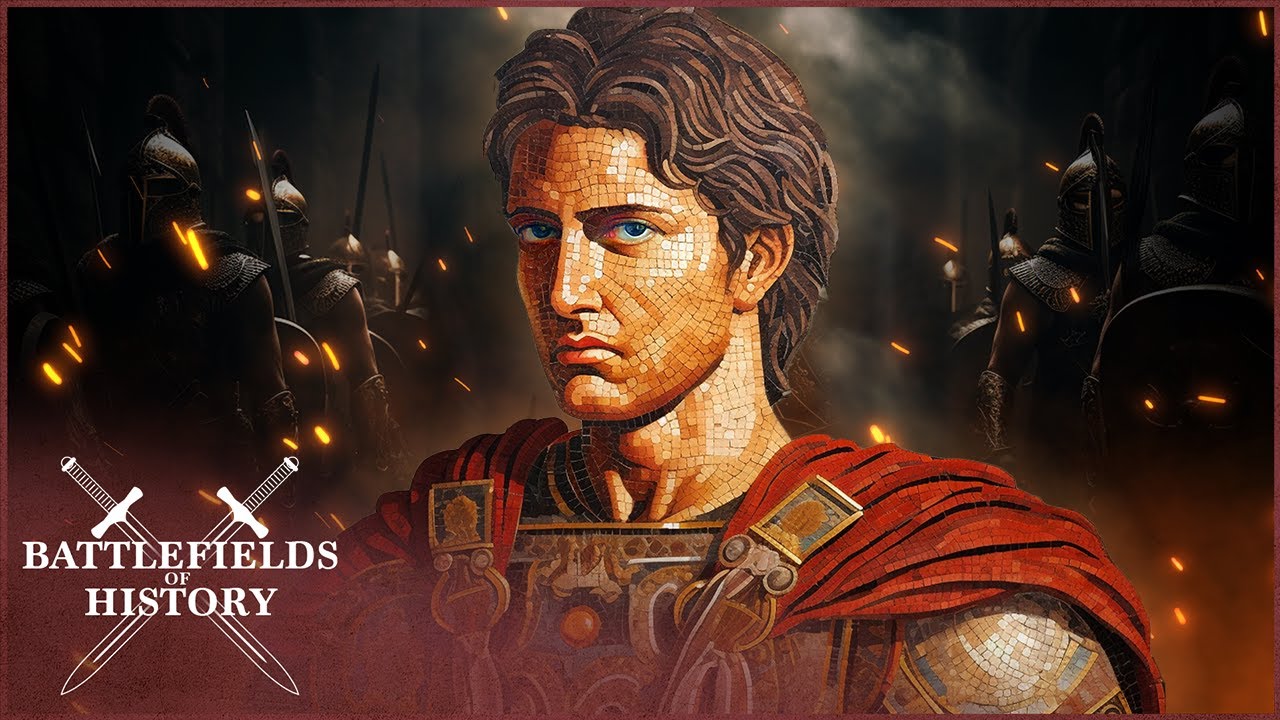
You may regard Alexander the Great as one of history’s most significant conquerors, a figure whose exploits have shaped Western civilization in profound ways. Across centuries, figures such as the Greeks, Romans, and Arabs have celebrated his campaigns and leadership. Alexander’s military strategies and diplomatic maneuvers established a template for future leaders and conquerors. His ability to blend cultures, particularly through the spread of Hellenistic civilization, laid the groundwork for the cosmopolitan societies of later eras. The realms he traversed, from the sands of Egypt to the foothills of the Himalayas, echo with the legacies of his conquests, revealing a character not solely driven by ambition but also by a vision of a united world.
Cultural Depictions in Art and Literature
The legacy of Alexander extends far beyond the annals of history; it permeates the realms of art and literature. You might note that artists and writers have frequently drawn inspiration from his life, depicting him as both a heroic figure and a tragic hero. Paintings, sculptures, and literary works have immortalized his image, with messages shaped by the politics and cultures of their times. For example, in 17th century France, Alexander was portrayed as an archetype of supreme leadership, utilized by Louis XIV for propaganda purposes. Across epochs, from the works of Plutarch to the epics of Arrian, the narrative of Alexander has oscillated between fact and myth, creating a complex tapestry that reflects not only his life but also the values and aspirations of subsequent ages.
Comparison with Other Conquerors
When you compare Alexander the Great to other legendary conquerors like Genghis Khan or Napoleon Bonaparte, a range of similarities and discrepancies emerge. Each was driven by a grand vision of empire, yet the methods and philosophies of their conquests varied. Alexander’s approach was notably characterized by rapid military campaigns juxtaposed with a deep respect for the cultures he encountered, as opposed to Genghis Khan’s relentless and often brutal tactics or Napoleon’s ambition to instigate change through revolutionary ideals. In examining their legacies, you can discern that while Alexander’s military prowess and diplomatic acumen set him apart, it is his pioneering spirit in cultural integration that lends him a unique standing in history.
Birth and Early Life
Background of Macedonian Royalty
Born in 356 BC in Aigai, the capital of the Kingdom of Macedonia, Alexander was nestled within an environment of royal heritage. You should consider the significance of his lineage; his father, Philip II, was a formidable king who transformed Macedonia into a powerful state. Alexander’s mother, Queen Olympias, played an equally crucial role in shaping his destiny, bestowing upon him not just royal status but also a legacy steeped in ambition and expectation. This environment nurtured a profound sense of entitlement and aspiration, preparing him for the monumental challenges that lay ahead.
Education under Aristotle
Envision your intellectual growth under the mentorship of Aristotle, the preeminent philosopher of the time. At a young age, Alexander received rigorous education that encompassed various fields, including philosophy, science, and art. The teachings instilled a sense of inquiry and critical thinking that would guide his decisions as a leader. The philosophical underpinnings established during his formative years would manifest later in his governance and approach to conquests, highlighting the importance of education in cultivating future leaders.
Childhood Influences and Early Aspirations
As you delve into Alexander’s childhood, you will find that various influences shaped his formative years, driving his aspirations for greatness. The tales of heroism and valor narrated by his mother, alongside the ideals imparted by his educators, molded his ambitions. Indeed, you can trace the roots of his later achievements to the dreams of glory embedded in his youth, illustrating how personal and societal expectations can forge a path towards historical significance.
Macedonian Society
Cultural and Artistic Achievements
You may be intrigued by the rich cultural tapestry of Macedonian society during Alexander’s era. Archaeological findings reveal a civilization marked by artistic prowess, evident in the exquisite mosaics and sculptures found in sites like Pella and Amphipolis. These artifacts not only serve as an aesthetic testament to Macedonian artistry but also reflect the social and political complexities of the time, illustrating a society deeply engaged in cultural expression and creative endeavor.
Social Structure of Macedonia
A layered social structure characterized Macedonia, with distinct roles that interplayed with Alexander’s development and governance. You might observe that the society was hierarchical, with the aristocracy holding power, while commoners engaged in agriculture and craft. Such delineation established the framework through which Alexander’s leadership was enacted, facilitating his interactions with those he ruled and conquered. Understanding this social fabric enables a deeper appreciation of his strategies in consolidating power and forging loyalty among diverse populations.
Military Innovations and Training
The military innovations that emerged during Alexander’s time reveal a society committed to prowess in warfare. The Macedonian army, revolutionized under Philip II, introduced new tactics such as the phalanx formation, which would minimize casualties while maximizing combat effectiveness. You can see this legacy reflected in Alexander’s campaigns, where battle strategies were meticulously executed. The rigorous training regimens enforced in places like Amphipolis prepared soldiers to adapt to various combat scenarios, contributing to the unparalleled success of Alexander’s military endeavors.
Rise to Power
Assassination of Philip II
The untimely assassination of Philip II in 336 BC served as a pivotal turning point in Alexander’s life and career. You may recognize that this event thrust a mere 20-year-old Alexander into a leadership role fraught with uncertainty and expectation. As the newly appointed king, he grappled with the dual challenge of avenging his father’s death while simultaneously unifying a fragmented kingdom. This moment underscored the precarious nature of power, setting the stage for his relentless pursuit of expansion.
Consolidation of Power
Your understanding of Alexander’s rise could be enriched by examining how he swiftly consolidated power following his father’s death. By eliminating potential rivals and securing the loyalty of key military commanders, Alexander established a kingdom poised for expansion. His adept political maneuvering highlighted the importance of both military and political strategy in ensuring a ruler’s stability and longevity. You might appreciate how this period laid the groundwork for the audacious campaigns that would define his legacy.
Initial Military Campaigns
After securing his position as king, Alexander embarked on a series of military campaigns against the Persian Empire. You will find that the Battle of Granicus in 334 BC marked his first major military engagement, leading to significant victories that bolstered his reputation. These initial campaigns reflected both his tactical genius and relentless ambition, foreshadowing the expansive empire he would build.
Conquests
Major Battles and Strategies
You should delve into the intricacies of Alexander’s major battles, each marked by innovative military strategies. The Battle of Issus in 333 BC is particularly notable, where Alexander’s forces confronted Darius III’s considerably larger army. You can appreciate how Alexander’s tactical astuteness enabled him to exploit the terrain and the enemy’s weaknesses, culminating in a decisive victory that solidified his reputation as a formidable commander.
Founding of Alexandria
Upon his conquest of Egypt, Alexander’s vision extended beyond military dominance. The founding of the city of Alexandria epitomizes his ambition to establish a cultural and intellectual hub. You may note that the strategic location along the Mediterranean allowed it to flourish as a center of commerce and learning, showcasing Alexander’s foresight in blending military success with cultural aspirations. The library of Alexandria, a monument to knowledge and scholarship, would later become a symbol of his lasting impact on civilization.
Expansion into Egypt and Persia
Alexander’s relentless pursuit of power and glory led him deeper into the heart of the Persian Empire, demonstrating a seamless blend of military aggression and strategic diplomacy. Your exploration of his campaigns reveals a leader adept at forging alliances, such as his symbolic proclamation as Pharaoh of Egypt, which served to garner local support. As you trace these expansions, you will see how Alexander’s conquests redefined territorial boundaries and cultural interactions.
Cultural Integration
Intermarriage and Diplomacy
In your examination of Alexander’s conquests, the theme of cultural integration emerges prominently. His marriages, particularly to Roxane, a Persian noblewoman, signify his commitment to intertwining the cultures of the conquered territories. Such unions were not merely personal choices but strategic alliances that facilitated diplomatic relations and fostered a sense of unity in a diverse empire. This aspect of his rule illustrates a pragmatic approach to governance that sought to maintain stability in the face of cultural differences.
Promotion of Hellenistic Culture
As you delve deeper into Alexander’s strategies, the promotion of Hellenistic culture stands out as a significant aspect of his reign. His policy of cultural dissemination allowed Greek art, philosophy, and governance to spread throughout his empire, reshaping the identities of the regions he conquered. This blending of cultures enriched both Hellenistic and local traditions, creating a legacy that would influence the trajectory of Western civilization for centuries to come.
Religious Syncretism
Additionally, your exploration of Alexander’s conquests reveals an impressive degree of religious syncretism, where local beliefs were not eradicated but rather integrated with Hellenistic practices. This could be seen in Alexander’s respect for local customs and deities, as he often associated himself with existing holy figures, thereby solidifying his authority. By implementing such policies, he fostered a climate of acceptance and cooperation, which was vital for maintaining control over diverse populations.
End of Campaigns
Challenges Faced in India
However, as your study of Alexander’s campaigns continues, the challenges he faced during his incursion into India cannot be overlooked. The Battle of the Hydaspes in 326 BC tested his military capabilities against the seasoned Indian forces, revealing the limitations of his strategies amid unfamiliar terrain and seasoned adversaries. As you analyze these encounters, the complexities of leadership become apparent, highlighting that even the greatest of conquerors must adapt to the realities of warfare.
Troop Morale and Discontent
Following a string of victories, you may find that morale began to wane among Alexander’s troops during the Indian campaigns. The relentless expansion, coupled with the fatigue of prolonged warfare, led to rising discontent. The pivotal moment at the Hyphasis River, where his troops refused to march further, serves as a testament to the fragile balance between ambition and the resources and will of the army. This highlights the inherent challenges of leadership, where even the mightiest can falter under pressure.
Decision to Turn Back
Ultimately, your understanding of Alexander’s decision to turn back from India illustrates a significant turning point in his campaigns. Faced with dissent and the realities of his troops’ exhaustion, he turned westward, marking a strategic retreat rather than a catastrophic defeat. This decision, while symbolizing the limits of his ambition, also reveals a keen awareness of the need for sustainable governance and military readiness in the face of overwhelming challenges.
Death and Legacy
Circumstances Surrounding His Death
You must contemplate the enigmatic circumstances surrounding Alexander’s death in 323 BC, which occurred in Babylon at the young age of 32. While accounts vary, some suggest illness or poisoning, while others propose an underlying condition exacerbated by lifestyle choices. The ambiguity surrounding his demise raises questions about the fragility of greatness and the unexpected turning points that shape history.
Controversies Over His Burial
The subsequent controversies regarding Alexander’s burial further emphasize the mystique surrounding his legacy. Initially interred in a grand tomb in Alexandria, the site of his burial became a point of contention among his successors and admirers alike. You can examine how the desire to control his legacy played into the broader geopolitical struggles of the Hellenistic world, transforming the narrative of a leader into a symbol of divine right and legitimacy.
Impact on Successors and the Empire
Finally, it is essential to understand how Alexander’s death irrevocably altered the course of history for his empire. The absence of a clear successor led to fragmentation and infighting among his generals, ultimately giving rise to the Hellenistic kingdoms. As you reflect on the consequences of his death, you will recognize how the legacy of his ambition and achievements continued to resonate, shaping the geopolitical landscape for centuries to come.
Mysteries and Discoveries
Ongoing Archaeological Research
You may be interested in the intriguing ongoing archaeological research that seeks to unravel the mysteries of Alexander’s life and legacy. Recent excavations have illuminated aspects of his life that were previously shrouded in obscurity. For instance, findings related to burial sites, remnants of cities he founded, and artifacts from different periods of his reign offer valuable insights into the intricacies of Macedonian society and Alexander’s multifaceted identity.
Discoveries Related to His Family
Moreover, discoveries pertaining to Alexander’s family, such as the graves of his ancestors and significant artifacts tied to their line, contribute to a richer understanding of his background. These findings remind you that Alexander’s story is not merely one of conquest and empire but is also interwoven with the legacies of his lineage. Thus, the familial context adds depth to our comprehension of his motivations and influence.
The Quest for Alexander’s Tomb
The quest for Alexander’s tomb remains one of history’s enduring mysteries. You might ponder the implications of such an absence, with various sites in Egypt and beyond contending for the honor of being his final resting place. This quest symbolizes humanity’s desire to connect with the past and understand a figure who has indelibly shaped civilization. Uncovering this tomb would not only provide answers about his funeral practices but also enrich our understanding of how he viewed life, death, and legacy.
Conclusion
Summary of Alexander’s Contributions
In summation, Alexander the Great’s contributions to history are immense and multifaceted. His military conquests defined the geopolitical landscape of the ancient world, while his cultural policies integrated diverse traditions, fostering a new era of Hellenistic civilization. You should appreciate that Alexander’s legacy is not solely one of warfare; it encompasses the profound impact he had on culture, society, and governance.
Reflection on His Enduring Legacy
As you reflect on Alexander’s enduring legacy, you are invited to consider how his life story continues to captivate the imagination of scholars, artists, and enthusiasts alike. His journey from a prince of Macedonia to a ruler of vast territories encapsulates themes of ambition, cultural integration, and the complexities of leadership. This narrative remains relevant, as it speaks to the nature of power and the human condition throughout history.
Final Thoughts on His Historical Significance
In conclusion, your exploration of Alexander the Great invites a deeper understanding of not just a conqueror but a complex individual whose actions have reverberated through the ages. His legacy is preserved in the annals of history, art, and literature, encouraging you to ponder the multifaceted interplay between personal ambition and collective destiny. Alexander reminds us that while individuals may shape history, the forces of culture, society, and aspiration ultimately define its course.