
The tumultuous period known as the Wars of the Roses stemmed from the significant political and military upheaval following the Hundred Years War between England and France. The struggles for the English crown, primarily between the Houses of York and Lancaster, emerged as a civil war driven by remembrance of lost territories and the challenges of legitimacy following the death of King Henry V. Key figures such as the infant King Henry VI and Richard Duke of York played crucial roles in shaping the conflict that would ultimately redefine the monarchy and lead to the rise of new dynasties amidst widespread bloodshed.
The article explores the historical context, origins, key figures, and defining events of the Wars of the Roses, highlighting the internal strife that arose from a weak monarchy and competing claims to the throne. It assesses how the power dynamics among the nobility, exacerbated by civil strife, culminated in a prolonged period of violence that reshaped England’s political landscape. Through this examination, a deeper understanding of the dramatic consequences stemming from both the Hundred Years War and subsequent power struggles becomes evident, demonstrating their long-lasting impact on the English crown.
Historical Context of the Wars
Overview of 15th Century England
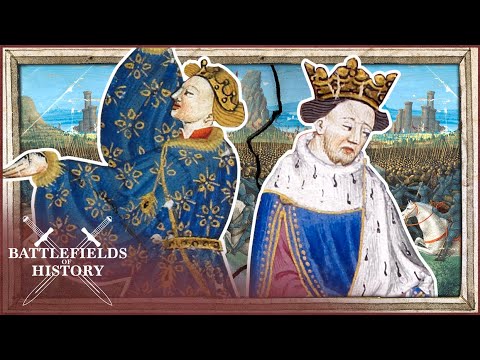
The 15th century marks a pivotal era in English history, characterized by turmoil and instability as the monarchy faced severe challenges from both within and without its borders. The century’s tumult is defined by the ongoing conflicts between rival factions, the Houses of York and Lancaster, culminating in the Wars of the Roses. This period experienced a pronounced decline in centralized royal authority, exacerbated by the crippling repercussions of the Hundred Years War and compounding issues of political legitimacy. Economic hardship, plague, and social unrest further framed the contours of a society on the brink of change, primed for the explosive confrontations that would ensue between rival claimants to the throne.
The Political Landscape Before the Wars
In examining the political landscape that preceded the Wars of the Roses, one notes a profound fragmentation and factionalism among the English nobility. The erosion of royal power, especially during the reign of Henry VI, created a vacuum that numerous ambitious nobles sought to fill. The traditional feudal loyalties began to erode as ambition and self-interest surged among the powerful families of England. Meanwhile, the impact of the Hundred Years War—particularly the loss of English territories in France—left the monarchy weakened, further fostering a political environment ripe for civil conflict. The struggle for dominance thus became a game not just of power, but also of survival, wherein the very nature of governance and loyalty was contested among competing factions.
Understanding the Feudal System
At the heart of 15th century England lay the feudal system, a complex hierarchy of obligations and allegiances defining the relationships between the monarchy, nobility, and common populace. The king was at the apex, theoretically possessing absolute authority, but in practice, power was frequently contested by noble families who held significant lands and influence. Under the feudal system, lords granted land to vassals in exchange for loyalty and service, which accounted for the often tumultuous nature of English politics.
This hierarchical structure also contributed to the rivalries that would fuel the Wars of the Roses. The nobles of York and Lancaster, linked by blood yet divided by ambition, navigated a landscape where loyalty was easily transgressed by the lure of power. As regional lords vied for supremacy, the bonds of feudal loyalty gave way to strife, thus laying the groundwork for the civil wars to follow.
Origins of the Wars of the Roses
Connection to the Hundred Years War
The roots of the Wars of the Roses can be traced back to the tumultuous period of the Hundred Years War (1337-1453), which pitted England against France in a protracted struggle over dynastic claims and territorial integrity. The war, steeped in aspirations of grandeur, left England with a fractured identity, eroded resources, and a weakened monarchy. The end of the conflict marked not just an end to military hostilities, but also a profound shift in the English political climate, with the loss of territories inciting widespread discontent and questioning the legitimacy of the ruling house.
Impact of Territorial Losses on the English Crown
The culmination of the Hundred Years War resulted in substantial territorial losses for England, most notably the loss of its French territories, including Normandy and Aquitaine. These setbacks left profound psychological scars on the English nobility and commoners alike. With these territorial losses came a decline in royal prestige, as the success of the monarchy became inextricably linked to its territorial claims. The loss of France, deemed a sacred cause by many English nobles, exacerbated tensions within the kingdom, driving disparate factions toward civil conflict as they sought to restore what had been lost or to reinvent the notion of legitimacy that had been shaken by defeat.
Emergence of Rival Houses: York and Lancaster
Amidst these failures, the Houses of York and Lancaster emerged as principal players in the power struggles that defined this period. The House of York, claiming descent from Richard II, possessed a strong historical claim to the throne and garnered support amongst factions dissatisfied with the Lancastrian rule. Conversely, the House of Lancaster, represented by the reigning King Henry VI, sought to consolidate power despite the legitimacy challenges posed by the Yorkists. The fraying of alliances among the nobility only intensified the rivalry, igniting a conflict that would become emblematic of the fierce power struggles that characterized the Wars of the Roses.
Key Figures in the Conflict
Henry V: A Legacy of Military Success
Henry V, crowned king in 1413, left an indelible imprint on English history through his charismatic leadership and military acumen displayed during the Hundred Years War. His triumphs at notable battles, such as Agincourt, not only enhanced his reputation as a formidable military leader but also solidified claims to French territories. However, his premature death in 1422, shortly after ascending the throne, left a vacuum of effective leadership, leading his infant son into a realm fraught with political instability. As you consider the ramifications of his legacy, one must appreciate how a singular powerful figure can shape the trajectory of a nation, setting in motion the events that would lead to internal strife.
Henry VI: The Challenges of an Inexperienced Ruler
In stark contrast to his father, Henry VI proved ill-equipped to navigate the treacherous waters of 15th century English politics. Ascending to the throne at a tender age, his reign was characterized by vacillation and a lack of decisive action. Add to this his bouts of mental instability, and circumstances conspired to create a ruler whose very presence became a catalyst for unrest. It is essential to evaluate Henry VI in the context of not merely a figurehead but as a symbol of a monarchy unraveling under the weight of competing ambitions, revealing the profound crises of legitimacy confronting England.
Richard Duke of York: The Claimant’s Struggle
Richard, Duke of York, emerges as a central figure in the Wars of the Roses, embodying the ambition and frustration of the Yorkist claim to the throne. As the direct descendant of Edward III, his grievances over Lancastrian misrule gave rise to a potent aspiration for the crown. His disputes with Henry VI epitomized the deeper conflict between the emerging factions, which evolved into a personal vendetta against a monarch seen as ineffectual. Understanding Richard’s role involves examining not only his political machinations but also his desperation as he seeks legitimacy in a landscape marred by disarray—a pursuit that would ultimately add fuel to the civil strife engulfing England.
The Weak Reign of Henry VI
Factors Leading to Ineffectiveness
Henry VI’s reign was fraught with challenges that undermined his ability to govern effectively. From the outset, the young king was beset by rivalries among the nobility, each vying for influence in the vacuum left by his inexperience. With competing factions vying for power, Henry’s attempts to assert control were met with resistance at every turn. The resulting factionalism catalyzed an environment where effective governance became increasingly elusive, revealing the precarious nature of political authority during his reign. The combination of intelligence, strength of character, and savvy political maneuvering, which characterize strong rulers, was sorely lacking in Henry, rendering his effectiveness null.
Mental Instability and Its Consequences
Moreover, Henry VI’s mental instability added a layer of complexity to his reign. Episodes of illness and depression often incapacitated him during crucial political junctures, leaving a leadership vacuum that his nobles were eager to exploit. In times of crisis, questions of legitimacy and authority became pronounced, revealing the consequences of a ruler perceived as mentally unfit to lead. Such instability further alienated key factions, inciting discontent and rebellion among the nobility, who sensed an opportunity to challenge the king’s weakened authority. The implications of a monarch plagued by mental health issues serve as a stark reminder of how personal vulnerabilities can ripple through the fabric of national governance.
Impact on the Nobility and Governance
As Henry VI grappled with his personal challenges, the impact on the nobility and governance became increasingly apparent. The division among noble houses escalated into outright hostilities, prompting alliances and enmities that would become hallmarks of the forthcoming Wars of the Roses. The tense, precarious landscape of political power transformed the nobility’s approach to governance, as fealty began to crumble in favor of personal ambition. For you, understanding this shift is crucial in grasping how the instability not only characterized Henry’s reign but also set the stage for the broader civil conflict that ensued.
Civil Unrest and Rebellions
Overview of Cade’s Rebellion (1450)
Amidst the backdrop of a fractured monarchy, Cade’s Rebellion of 1450 stands as a vivid emblem of civil unrest during this tumultuous era. The uprising, led by Jack Cade, originated from widespread dissatisfaction due to mismanagement and increasing taxes imposed by the crown. As commoners rallied behind Cade’s banner, discontent burgeoned against the perceived inefficacy of Henry VI’s administration. This collective uprising underscored the growing disconnect between the monarchy and its subjects, revealing the depth of grievances that had festered beyond aristocratic disputes and into the folds of civil society.
Public Discontent and Calls for Reform
The events of Cade’s Rebellion illuminated the broader currents of public discontent permeating English society during the mid-15th century. With economic hardships compounded by military failures, the population increasingly agitated for political reform and accountability from their rulers. Amidst the chaos, calls for the king’s accountability resonated louder, embodying a yearning for effective governance, a yearning that was starkly at odds with Henry’s incapacity. Through understanding this popular uprising, you gain insights into the socio-political dynamics that fueled radical reformist sentiments, ultimately contributing to the turmoil that catalyzed the Wars of the Roses.
Responses from the Crown and Nobility
In response to Cade’s Rebellion, Crown and nobility faced a profound dilemma: how to quell unrest without alienating the populace further. Initial attempts by the crown to address grievances fell flat, as measures to quell dissent proved insufficient. The nobility, caught in the crosshairs, often resorted to punitive measures rather than conciliatory approaches. This reactionary stance only intensified the public’s disenchantment, leading to a cycle of hostility and resentment toward the ruling class. As you reflect on these dynamics, the context of civil unrest emerges not merely as isolated incidents, but part of a larger tapestry of social unrest contributing to the broader narrative of political upheaval.
Rival Factions: Somerset vs. York
The Role of Queen Margaret in the Conflict
Amidst this landscape of division, Queen Margaret of Anjou emerged as a pivotal figure in the struggles between Somerset and York. As the wife of Henry VI, her loyalty to the Lancastrian cause transformed her into a fierce advocate for her husband’s legitimacy. Queen Margaret’s political maneuvering positioned her firmly against the ambitions of Richard Duke of York, heightening tensions further and cementing her role as a polarizing figure. Her involvement symbolizes the intersection of gender and power in a male-dominated sphere, as she harnessed her position not merely as a queen but as an active participant in the brutal contest for the English crown.
The Neville Family’s Influence
The Neville family, closely intertwined with both York and Lancaster, played a crucial role in amplifying the rivalries that characterized this tumultuous era. As influential players on both sides, their shifting allegiances and fierce loyalty to their kin turned them into potent forces within the conflict. Their involvement is indicative of how familial ties could rapidly shift the balance of power, deepening the chasms between factions. Understanding the Neville family’s strategic positioning offers a glimpse into the personal nature of allegiances within the nobility, illustrating how familial loyalties often dictated political choices amid an increasingly violent struggle for authority.
Formation of Alliances and Hostilities
The animosities between Somerset and York evolved into a contentious battleground marked by shifting alliances and blood feuds. As the factions rallied supporters, the lines dividing loyalty and hostility became blurred, culminating in a zero-sum game of power. The feuding houses forged alliances with assorted noble families, leading to a complex web of hostilities that underscored the fractious nature of governance in 15th century England. A nuanced understanding of these alliances is critical for you to appreciate the intricate dynamics at play, showcasing how personal vendettas could shape and alter the course of history.
The Outbreak of Civil War
Key Events Leading to War
The culmination of rivalries between the factions ultimately eclipsed any potential for peaceful resolution, leading inexorably toward civil war. As hostilities escalated, England stood on the precipice of catastrophic conflict. The failure of diplomatic overtures and the desperation of factions seeking legitimacy compelled them to take up arms in a bitter fight for the throne. The stage was set for a civil war, driven by entrenched grievances and personal ambitions, as noblemen clamored for the chance to secure their birthright and avenge their wrongs. A comprehensive understanding of these key events provides critical insight into the complexities of political interplay that ultimately led England into the crucible of war.
The Battle of St. Albans (1455)
The Battle of St. Albans, fought in 1455, stands as the first significant engagement in the Wars of the Roses. This confrontation between the Yorkists and Lancastrians marked not only a turning point in the conflict but also illustrated the volatility of armed factions. As hostilities reached a boiling point, it became clear that the fight for the crown would become a bloody affair driven by personal grievance and a desire for power. The aftermath of this battle further entrenched the enduring rivalries as both sides prepared for the extended conflict ahead, laying the groundwork for the brutal series of battles that would ensue.
Important Strategies and Tactics Employed
Military strategy played a significant role in the unfolding civil war. Both houses employed tactics that utilized the inherent strengths of their fighting forces. The Yorkists, leveraging their strategic alliances and local knowledge, sought to outmaneuver the Lancastrians at critical junctures. The utilization of archers, cavalry, and infantry in coordinated attacks highlighted the evolution of warfare during this period, with each faction striving to gain the upper hand. For you, understanding these strategies offers valuable insights into the nature of 15th-century military conflicts, revealing how warfare becomes intertwined with political aims and ambitions.
Consequences of the Civil Conflict
Loss of Key Nobles and Their Impact
The civil conflict exacted a dire toll on the English nobility, with the loss of prominent figures from both factions reverberating throughout the kingdom. The deaths of key nobles resulted in power vacuums that exacerbated the instability, accelerating the descent into further chaos. The resulting dislocation of noble houses and rivalries left an indelible mark on the political landscape, altering allegiances and reshaping the contours of power. This understanding highlights the personal and historical significance of these losses, as one soldier’s life often bore untold implications for the fate of the monarchy.
Shifting Power Dynamics in England
The continuous bloodshed and the rise and fall of powerful families during the Wars of the Roses shifted the power dynamics across England irreparably. As the monarchy’s grip weakened, the nobility found themselves increasingly emboldened to assert their own power, often at the expense of centralized authority. The conflicts redefined the hierarchy of noble houses, giving rise to new factions while diminishing the standing of others. For you, recognizing these shifting dynamics deepens your understanding of the broader implications for the realm, illuminating the transformations in the landscape of English governance.
Long-Term Effects on the Monarchy
As the Wars of the Roses unfolded, the long-term effects on the English monarchy became apparent. The incessant violence, intertwined with the aspirations of the rival houses, resulted in a fundamentally altered political landscape. The culmination of events led not only to casualties among royal lineages but also to a fraught environment of uncertainty regarding succession and legitimacy. The eventual rise of the Tudor dynasty, emerging from the ashes of conflict, would represent a shift in approaches to governance, marking the end of medieval dynastic struggles that had shaped English history for generations. Understanding these long-term effects enables you to see the reverberations of historical conflicts, recognizing how legacies endure beyond the immediate battlegrounds.
The Role of Propaganda and Support
The Use of Symbols like the Red and White Rose
The Wars of the Roses sparked not just a military conflict but a battle for the hearts and minds of the English populace, heavily relying on propaganda to solidify support for each faction. The rival houses adopted symbols, notably the red and white roses, which conferred identities and allegiances onto their supporters. These emblems transcended mere ornamentation, acting as rallying cries that encapsulated the essence of the conflict. Through symbols, you can glean insights into how the battles became as much about political ideology and identity as they were about territorial control, revealing the pervasive influence of imagery in shaping historical narratives.
Public Perception of the Conflict
Public perception of the conflict varied greatly, encompassing a spectrum ranging from support to outright disdain for the warfare that jeopardized the stability of the realm. As the battles raged on, the narrative of heroism and villainy became entwined with the loyalties of the populace. The grievances voiced during uprisings like Cade’s Rebellion echoed through the countryside, framing the conflict not merely as dynastic ambition but also as a serious commentary on the nature of governance and accountability. Your comprehension of public perception serves as a critical lens through which to analyze the broader social dynamics at play during this era of unrest.
Impact of Literature and Art on Loyalties
The role of literature and art proved paramount in shaping the loyalties and narratives surrounding the Wars of the Roses. Chronicles, poems, and dramatic renderings became vehicles for disseminating ideologies and interpretations of the conflict. Figures like William Shakespeare would later harness the power of storytelling to articulate the complexities of allegiance and betrayal, crafting characters that echoed the tumultuous sentiments of the time. Thus, for you, it is essential to acknowledge how cultural production—far from being peripheral—played a significant role in the shaping of identities and perceptions during civil conflict, fostering a collective memory of strife.
Conclusion
Reflection on the Instability of the English Crown
The Wars of the Roses encapsulate the fragility of monarchical power within a framework of ambition, identity, and individual agency. The turbulence of the 15th century in England illustrates how instability can arise not only from external struggles but from internal discord among the houses that constitute the monarchy itself. Reflecting on these events, the narrative becomes one of family, legacy, and ambition—elements that can drive a kingdom to greatness or plunge it into chaos. Your understanding of this instability reveals the intrinsic vulnerabilities that define governance practices, providing insights into how crises can engulf a state.
Understanding the Link between Wars and Governance
Furthermore, the examination of the Wars of the Roses allows for a deeper understanding of the interconnectedness between warfare and governance. The manner in which factions mobilized support, utilized propaganda, and engaged in military conflict reveals the quintessential nature of power struggles. For you, grasping this link underscores the lessons to be drawn from history, wherein the features of a fragmented political landscape serve as harbingers of future conflicts. The conflicts of the past inevitably shape governance, marking the cyclical patterns of history dictated by ambition, identity, and legacy.
Implications for Future Political Conflicts in England
Ultimately, the legacy of the Wars of the Roses extends beyond their immediate consequences, establishing a framework through which to assess future political conflicts in England. As you consider the ramifications of this brutal civil strife, the ramifications resonate through subsequent generations and serve as reminders of the delicate nature of crowns and the perpetual quest for power. The optimism that arose from new dynasties emerging amidst chaos symbolizes the persistent emergence of new paradigms within governorship, encouraging reflection on the transformative potential of strife as societies seek to balance continuity and change.