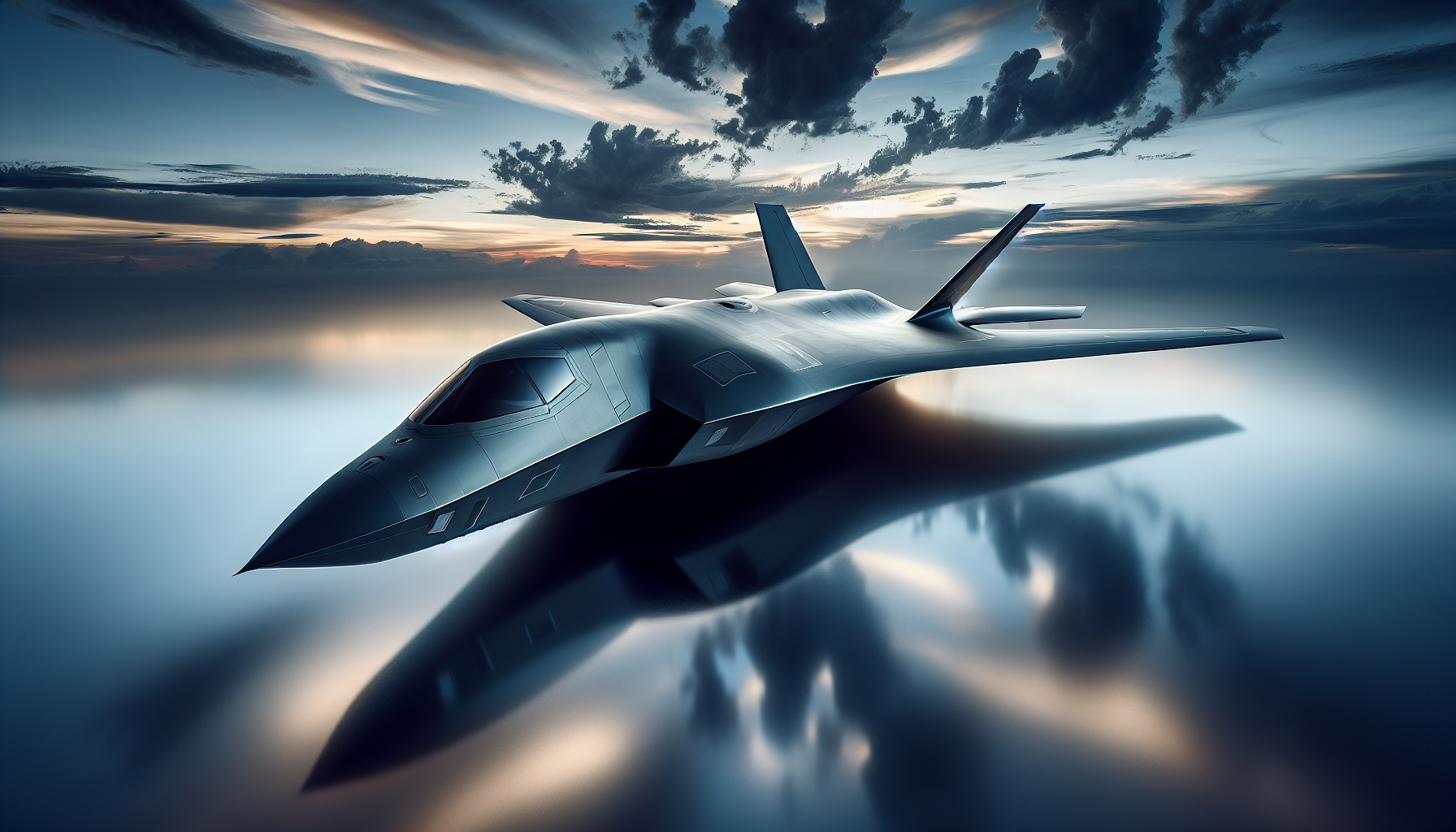
The evolution of U.S. military aircraft color schemes reflects significant shifts in tactical requirements and technological advancements. This article examines the historical progression of aircraft camouflage, from vibrant patterns used during conflicts such as the Vietnam War to the standardized grey adopted in contemporary models. It also highlights the scientific principles underpinning visibility and the essential balance between concealment and identification in aerial combat.
In exploring the reasons behind the predominance of grey in modern military aircraft, this analysis investigates the impact of stealth technology and radar-absorbent coatings. The discussion encompasses various aircraft, including icons like the F-16, F-22, and F-35, revealing the complex interplay between tactical necessity and design evolution. Through this examination, you will gain a comprehensive understanding of the rationale behind the color choices that dominate today’s aerial fleet.
Historical Overview of Aircraft Camouflage
Aircraft camouflage has undergone a remarkable transformation since the dawn of aviation. The choice of color schemes and patterns reflects not only the military strategies of different eras but also the technological advancements that have influenced aerial warfare. By understanding the evolution of aircraft camouflage, you can appreciate how a simple color choice can have profound implications for military operations.
Evolution of Color Schemes in Early Aviation
In the early days of aviation, aircraft were often painted in bright, distinctive colors or adorned with intricate patterns. This aesthetic approach catered to public spectacle, with early pilots regarded as daring heroes. The emphasis on visual appeal was prevalent, as aircraft were frequently used in shows and exhibitions. Pilots’ individuality was expressed through their choice of vibrant paint schemes. As the realities of aerial combat set in during World War I, the need for concealment became increasingly apparent. The shift toward duller colors and the adoption of rudimentary camouflage patterns marked the beginning of a new phase in aviation history, driven by the necessity to evade enemy fire rather than entertain spectators.
World War II: A Canvas for Camo
World War II heralded a significant evolution in aircraft camouflage. Combat strategies demanded a greater emphasis on concealment, leading to complex patterns designed to obscure aircraft from enemy detection. Various nations adopted unique camouflage solutions; for instance, the United States utilized disruptive patterns that broke up the silhouette of aircraft, while Germany employed mottled patterns to blend with the environment. The development of multi-color schemes mirrored advancements in aerial tactics, allowing pilots to exploit environmental conditions effectively. However, by the war’s end, a growing understanding of the limitations of visual camouflage, particularly at higher altitudes, began to emerge.
Post-War Developments in Aircraft Design
After World War II, aircraft design continued to evolve, influenced by changes in warfare and technological advancements. The advent of jet engines and supersonic speeds altered the dynamics of aerial combat, necessitating a rethink of camouflage strategies. Traditional paint schemes gave way to more utilitarian designs focused on functionality rather than aesthetics. The shift toward lighter materials and metallic finishes characterized early jet aircraft, but practicality soon demanded a more uniform approach to camouflage. By the late 20th century, military strategists began to see the value of adopting a simplified color palette that emphasized stealth and reduced visibility, foreshadowing the transition to grey as a dominant color scheme.
The Shift to Grey: A Tactical Decision
The transition to grey paint schemes for modern military aircraft was not merely a stylistic choice but a deliberate tactical decision with deep-seated implications for aerial operations.
Military Strategy and Concealment
As aerial combat evolved, so did military strategies surrounding concealment. Grey aircraft can blend in with the overcast skies often encountered during missions, making them less visible to the naked eye at high altitudes. This consideration became paramount as the nature of warfare shifted toward precision strikes, necessitating a need for aircraft to evade detection while carrying out operations. The role of camouflage transcended mere aesthetics; it was an essential component of operational success.
The Influence of Stealth Technology
The rise of stealth technology revolutionized the understanding of aircraft design and camouflage. Initially conceptualized during the Cold War, stealth technology emphasized reducing an aircraft’s radar visibility. This technological innovation led many contemporary military aircraft to adopt grey finishes, which assisted both in masking their presence visually and in enhancing their stealth capabilities. Manufacturers began to prioritize radar-absorbent materials and coatings, which work in tandem with grey coloration to achieve minimal radar cross-section profiles.
Radar Technologies and Their Impact
Radar advancements during the latter half of the 20th century drastically altered aerial combat dynamics. As radar capabilities improved, traditional camouflage became increasingly inadequate. The grey color scheme was deemed optimal for high-altitude engagement, as it complimented the sky’s varied shades and could counteract radar detection when used in conjunction with radar-absorbent materials. As you continue to explore this evolution, it becomes clear that the shift to grey represents an intersection of military strategy, technological innovation, and the continued search for tactical advantages in an ever-changing battlefield.
Visibility at Altitude: The Science Behind Grey
Understanding why modern military aircraft predominantly employ grey paint schemes requires delving into the science of visibility at altitude and atmospheric effects on color perception.

Understanding Atmospheric Effects on Color
At high altitudes, atmospheric conditions heavily influence how colors are perceived. The phenomenon known as Rayleigh scattering affects the appearance of colors, particularly blue, which dominates the upper atmosphere. Grey aircraft can effectively blend within these atmospheric colors, appearing more inconspicuous against the sky backdrop. Conversely, brighter or more colorful designs risk standing out sharply against the sky, rendering them easily detectable.
How Grey Blends with Various Skies
The versatility of grey as a color choice allows it to blend into various meteorological conditions. Clouds, twilight, and even overcast skies can render grey aircraft less visible than those painted in brighter colors. By adopting grey, military aircraft blend seamlessly with a range of environments, thereby enhancing their survivability during combat operations. The crucial understanding here is that the visual aspect of camouflage becomes directly tied to the atmospheric conditions present in the theaters of operation.
The Role of Distance in Aircraft Recognition
Additionally, as one examines aircraft visibility, the role of distance cannot be understated. At great distances, small color differences become negligible; grey colors often blend into the background more effectively than vivid patterns. When viewed from afar, the outlines of aircraft begin to blur into the clouds and the earth below. This phenomenon allows for a strategic advantage, creating challenges for enemy forces attempting to identify and engage targets effectively.
Trade-offs: Concealment vs. Identification
While grey paint schemes offer significant advantages for concealment, they present challenges regarding the identification of friendly forces. This delicate balance reflects the intricate complexities of modern aerial warfare.
The Need for Quick Identification of Allied Aircraft
In combat scenarios, the prompt identification of allied aircraft is vital. Aircraft painted in grey can sometimes share a color palette with potential adversaries, raising the risk of misidentification during loss of visibility conditions. Military strategy has evolved to incorporate tactical identification systems – such as friend-or-foe transponders – to address these challenges. Furthermore, proper training and communication protocols become essential to mitigate the risks associated with ambiguous color identification.
Combat Scenarios Requiring Stealth vs. Visibility
In many cases, combat missions necessitate a balance between stealth and visibility. For example, during precision strikes or covert operations, stealth characteristics may outweigh the need for easy identification. Conversely, operations that involve aerial patrols or search-and-rescue missions might prioritize visibility over concealment. The complexity of modern warfare forces military planners to navigate these requirements carefully, seeking the optimum balance for differing operational contexts.
Balancing Safety and Operational Efficiency
Ultimately, military commanders must weigh the advantages of grey paint schemes against the essential need for rapid identification. Training, technology, and tactics all converge in this complex equation, emphasizing the growing requirement for flexibility within modern aerial combat scenarios. Through ongoing evaluation of camouflage strategies, military forces can adapt to the constant evolution of aerial warfare while maintaining an imperative focus on operational efficiency.
The Role of Radar-Absorbent Coatings
In conjunction with paint colors, radar-absorbent coatings are revolutionary technological developments that further enhance the effectiveness of modern camouflage strategies.
Overview of Radar-Absorbent Materials
Originally conceived to minimize an aircraft’s radar signature, radar-absorbent materials (RAM) play a critical role in modern aircraft design. These sophisticated materials are engineered to absorb radar waves, ensuring that the aircraft remains undetected by enemy radar systems. The use of RAM alongside grey paint schemes creates a formidable platform capable of operating with decreased likelihood of interception.
Case Study: Have Glass Technology
A seminal example of radar-absorbent coatings is the Have Glass program, initiated to enhance the radar stealth capabilities of the F-117 Nighthawk, a pioneering stealth aircraft. This unique coating, primarily comprising proprietary materials, allowed the F-117 to achieve a stealth profile while maintaining the necessary durability to withstand various environmental factors. Subsequent military aircraft continued to build upon this technology, making it a hallmark of modern stealth capabilities.
Impact on Aircraft Design and Performance
The integration of radar-absorbent coatings into aircraft design has reshaped not only paint schemes but also the overall performance capabilities of military aircraft. With the ability to operate undetected, these aircraft can engage in missions with greater strategic efficacy, navigating competitive operational environments. As a result, the combination of grey color schemes and advanced coatings converges to create a potent dimension within contemporary aerial combat.
Modern Military Aircraft and Their Color Schemes
In the context of modern military aircraft, color schemes are as technical as they are aesthetic, reflecting advanced design philosophies and strategic requirements.
Analysis of the F-16 and F-22
Examining the F-16 Falcon highlights the transition from traditional camouflage patterns to more uniform shades, emphasizing grey tones as key elements in its design. The F-22 Raptor epitomizes modern innovation, employing a multi-faceted approach to camouflage that incorporates both color and shape. Its carefully designed features work in a synergistic manner to ensure reduced radar visibility, presenting a multifaceted example of how color choices impact overall design objectives.
Innovations in the F-35’s Design
The F-35 Lightning II represents the culmination of decades of advancements in military aviation. Its design incorporates a unique blend of RAM, advanced avionics, and multi-role capabilities. The paint scheme largely leans towards grey tones, emphasizing both stealth and operational flexibility. At the same time, the F-35 is designed for varied missions, meaning that its color can be adapted based on the operational context, revealing the complexity of modern military aircraft design.
How Color Affects Performance and Missions
In essence, color choices dictate not only the visual attributes of aircraft but also their operational performance. The adoption of grey as a dominant color scheme addresses the need for concealment while harmonizing with the technological underpinnings of modern aerial combat. As you consider the broader implications of this trend, it becomes clear that color is carefully integrated into every facet of military aviation.
Aircraft Camouflage Beyond Color
While color is a primary determinant in aircraft camouflage, there exist various additional strategies that contribute to the elusiveness of military aircraft.
False Canopies and Their Tactical Use
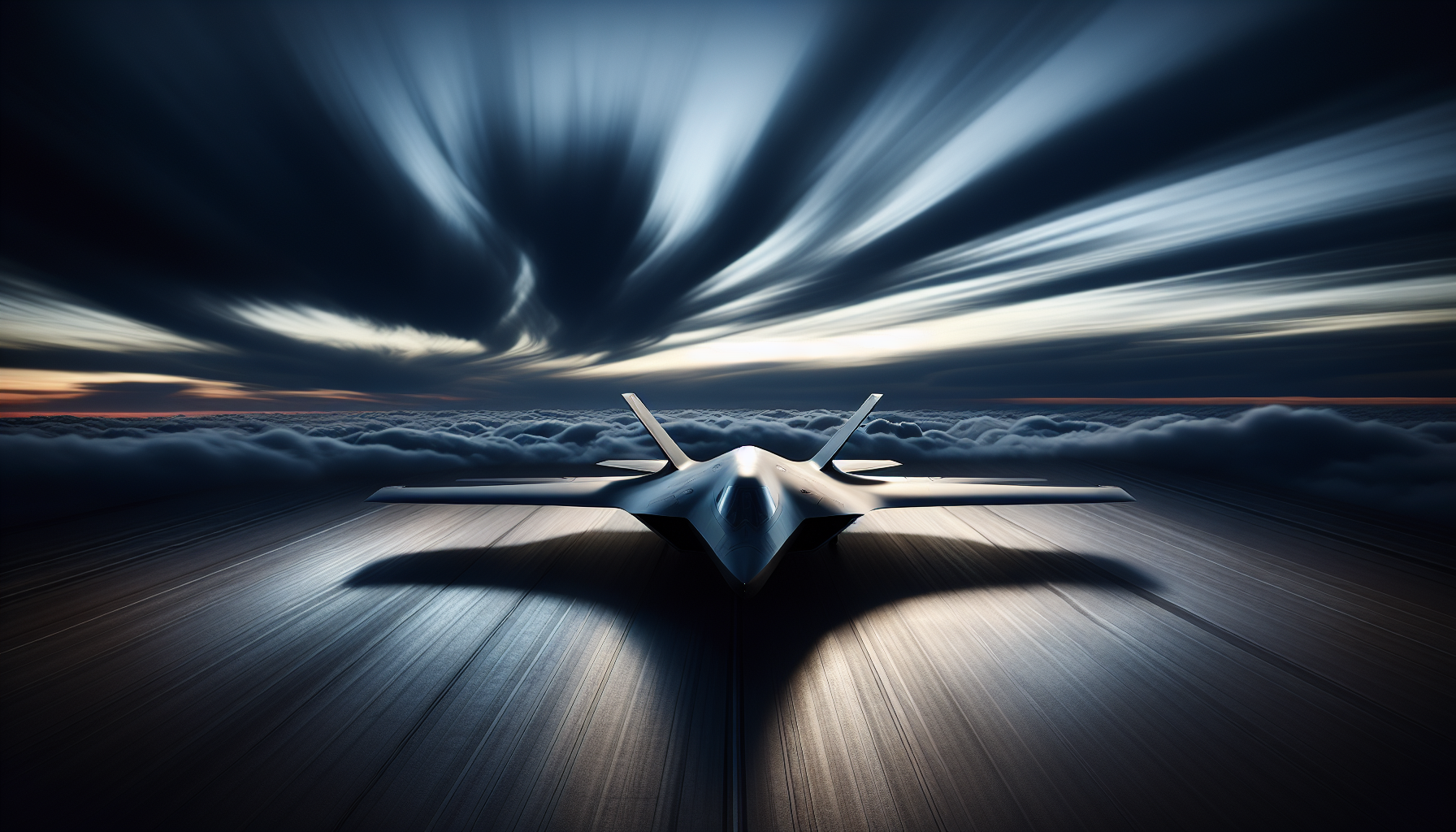
One intriguing avenue of camouflage lies in the use of false canopies. These designs can create an optical illusion, allowing an aircraft to blend into its environment more effectively. The employment of false canopies involves intricate patterns that mimic natural surroundings, further complicating enemy attempts to identify obscure threats.
Decoys and Disguises in Modern Warfare
Moreover, decoys have become sophisticated tools within the military arsenal, often taking forms that closely resemble operational aircraft. These devices can mislead enemy forces, diverting attention and creating opportunities for actual missions. Disguise tactics extend beyond mere color; they encompass an entire suite of strategies aimed at confusion and misdirection.
Importance of Patterns and Texture
In modern camouflage, patterns and texture are increasingly regarded as significant contributions to effective design. The interplay between colors, patterns, and physical texture creates a multifaceted approach to visual deception, ensuring greater operational success. Militaries around the world continue to explore innovative ways to enhance the hidden qualities of aircraft through artful manipulation of these elements.
Cultural and Psychological Factors in Aircraft Color
The decision to employ certain colors extends beyond practical military considerations, encapsulating cultural and psychological dimensions.
Perception of Power: The Psychology of Colour
Colors evoke particular psychological responses, which can play a profound role in military strategies. The use of grey may invoke perceptions of strength and stealth, subconsciously influencing adversaries’ behaviors and determination when encountering such aircraft. Understanding the symbolic significance of color contributes to its strategic application in warfare.
Cultural Significance of Aircraft Colors
Different cultures may attribute varied meanings to specific colors, influencing military choices across global contexts. Grey, regarded as neutral and balanced, may offer an advantage in contexts where psychological tactics are integral to success. Incorporating cultural significance into color decision-making reflects an astute understanding of the battlefield dynamics.
Impact on Public Relations and Military Image
Aircraft colors also shape the public image of military forces. The decision to paint aircraft in grey rather than more colorful designs aligns with contemporary perspectives on modern warfare and technological prowess. As military operations come under public scrutiny, the visual identity established by color schemes can impact military relations with both domestic and international audiences.
Comparative Analysis: Military vs. Civil Aviation Paint Schemes
An examination of paint schemes reveals distinct contrasts between military and civilian aircraft, reflecting divergent objectives and operational contexts.
Differences in Purpose and Function
The primary objective of military camouflage is to ensure concealment and survivability against adversarial forces, while civil aviation typically emphasizes visibility and recognition. Commercial aircraft utilize bright colors and logos to foster brand recognition and enhance passenger comfort. This dichotomy in color application is driven by the unique demands of each operational domain.
Aesthetic Choices in Commercial Aviation
Commercial airlines often embrace bold paint schemes that resonate with customers and promote branding. The juxtaposition of aesthetics and practicality yields striking designs that offer visibility in various conditions, contributing to overall airline marketing strategies. In contrast, military forces prioritize operability and tactical utility, steering clear of vibrant color choices that could hinder effectiveness.
Public Safety and Visibility Considerations
Visibility is paramount in civil aviation, where safety regulations necessitate bright colors and distinct markings. The prominence of these elements ensures that commercial aircraft remain identifiable, which is crucial for passenger safety and comfort. The operational requirements of civilian airlines contrast sharply with the muted needs of military operations, reinforcing the rationale behind divergent paint schemes.
Conclusion
Thus far, you have explored the history and evolution of aircraft camouflage, culminating in the modern trends that dominate contemporary military aviation.
Summary of the Key Reasons for Grey Aircraft
In summary, the shift towards grey paint schemes reflects a convergence of strategic, technological, and psychological factors. As air combat has evolved, the need for concealment and integration with radar-absorbent materials has led to a standardized approach to aircraft color. Grey serves as a multifaceted solution that addresses the complexities of modern warfare.
Reflection on Historical and Tactical Decisions
Reflecting upon the historical context, it becomes evident that aircraft design is not merely a matter of aesthetics but an intricate operation influenced by evolving technologies and military strategies. The movement from vibrant patterns to deliberate subdued hues illustrates a profound understanding of tactical requirements and operational challenges.
Looking Ahead: The Future of Aircraft Color Schemes
As you contemplate the future of aircraft color schemes, the continuous innovations in camouflage and design technologies signal that changes will persist. Military planners and designers will hone the balance between concealment, identification, and psychological impact, ensuring that color remains a vital consideration in the realm of aviation. In an era where every detail matters on the battlefield, the choice of color will undoubtedly continue to play a crucial role in determining success in aerial engagements.