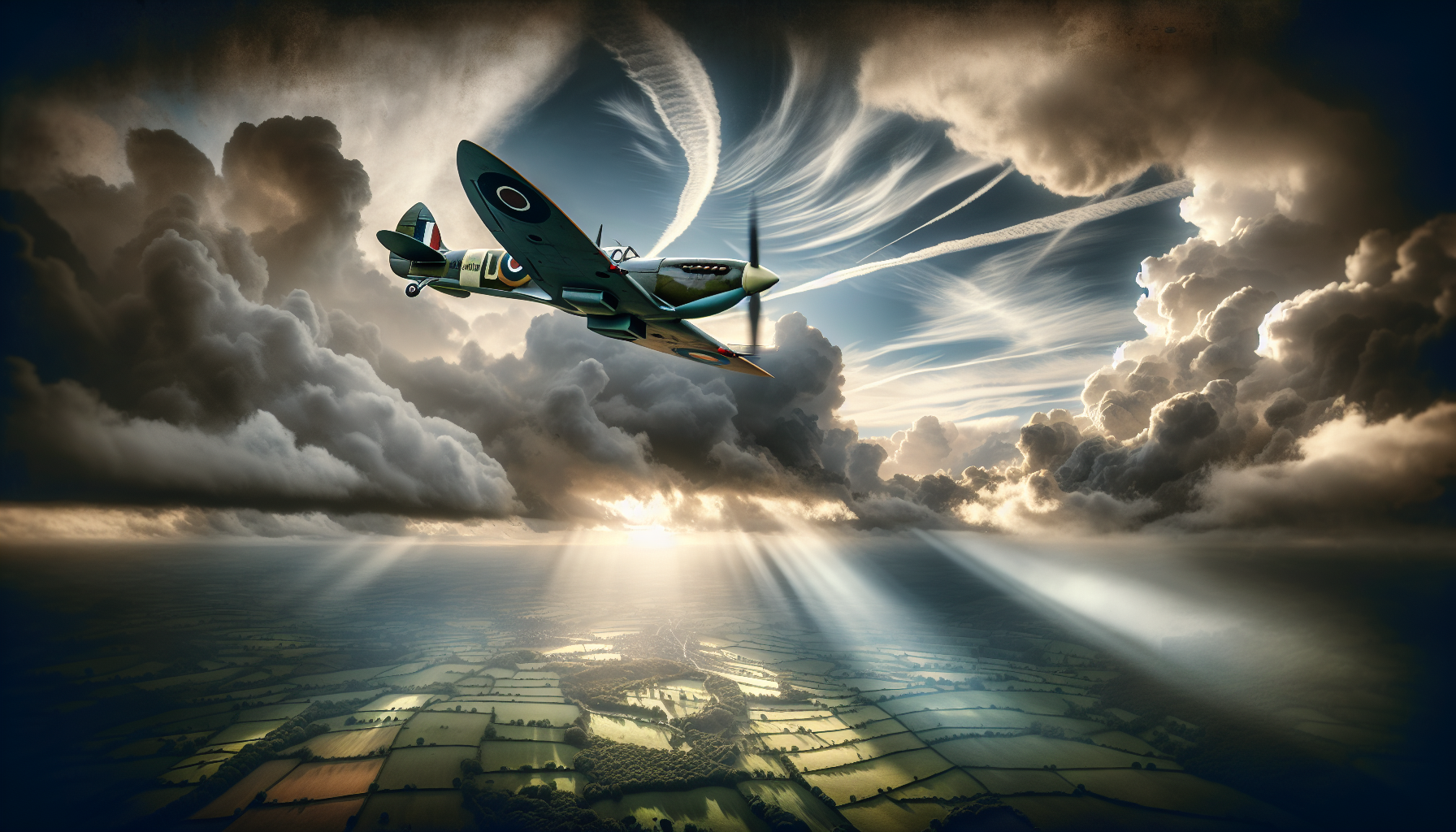
The Battle of Britain represents a pivotal struggle during World War II, outlining the intense air conflict between Germany and the United Kingdom from July to October 1940. As Hitler sought to invade the British Isles, the Luftwaffe mounted an extensive aerial assault to dismantle the Royal Air Force’s defenses. In this context, the intelligence capabilities of Bletchley Park emerged as a critical advantage for the RAF, enabling them to foresee and counter German movements effectively. The war in the skies not only tested military strategies but also underscored the importance of cryptography and electronic warfare in shaping the outcome of the conflict.
This analysis will explore how the RAF’s intelligence edge, particularly through the successful deciphering of Enigma communications, contributed to thwarting the German invasion plans. Key aspects such as the interception of Luftwaffe missions, the implementation of electronic countermeasures, and the resultant impact on both tactical operations and overall morale will be examined. An understanding of these elements sheds light on how the dynamics of air warfare were transformed during this critical period, ultimately leading to a strategic stalemate that altered the course of the war.
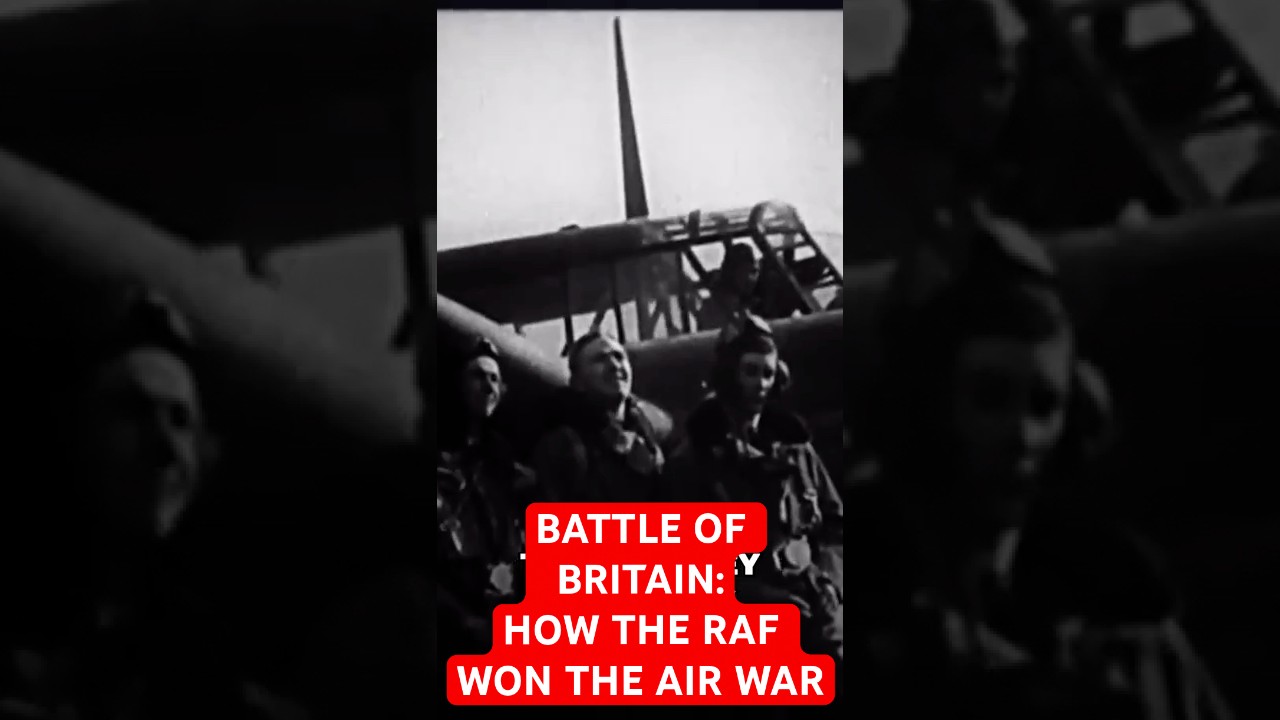
Background of the Battle of Britain
Political Context Leading to the Battle
As you delve into the political dynamics that set the stage for the Battle of Britain, it is crucial to recognize the atmosphere of fear, aggression, and preparation that characterized Europe in the summer of 1940. Germany, having swiftly overwhelmed France and other nations, was on the verge of executing its ambition to conquer Britain. Adolf Hitler’s directive number 16, issued on July 16, made it abundantly clear that the aerial campaign against Britain was a prelude to invasion. Britain stood resolutely against the Axis powers, relying primarily on its air defenses to thwart a German incursion—a reflection of both desperation and determination on the part of British leadership. Prime Minister Winston Churchill’s speeches captured the spirit of defiance and resilience that became indicative of the British populace during this turbulent time.
Key Players in the Conflict
Understanding the participants in this consequential conflict enriches your comprehension of the battle itself. The Royal Air Force (RAF), led by figures such as Air Chief Marshal Sir Hugh Dowding, was charged with defending UK airspace. On the opposing side, the Luftwaffe, commanded by Hermann Göring, sought to assert German dominance in the skies. Your exploration reveals not only the military leaders but also the contributions of everyday Britons, including pilots, ground crews, and civilians—all of whom played pivotal roles in this historical narrative. Churchill’s determination coupled with Dowding’s strategic vision would prove crucial as the battle unfolded.
Overview of Pre-Battle Preparations
In the months leading to the battle, you would observe escalating preparations on both sides. The RAF concerned itself with the organization and enhancement of its fighter command. Efforts were made to bolster aircraft production, with a focus on the iconic Spitfires and Hurricanes that would become the backbone of British aerial defense. Conversely, the Luftwaffe consolidated its air force, enhancing bomber capabilities and refining tactics for large-scale aerial assaults. Both nations were preparing not just for an air battle but for a test of national will, with the skies above Britain becoming the ultimate battleground.
The Role of the Royal Air Force (RAF)
Structure and Command of the RAF
The structural organization of the RAF was a critical factor in its success during the Battle of Britain. You would note how the RAF operated under a decentralized command, allowing for rapid responses to incoming threats. Fighter Command, a division within the RAF, was strategically split into several groups, each responsible for specific geographic areas. This structure permitted flexibility and responsiveness, as commanders like Dowding could marshal forces swiftly to meet German incursions. The communication lines between pilots and command centers also improved, ensuring that information flowed seamlessly when every second counted.
Strengths of the RAF Personnel
At the heart of the RAF’s effectiveness were its personnel, a mixture of seasoned veterans and the enthusiastic spirit of newer recruits. You would examine how this blend contributed significantly to the battle’s outcome. Pilots brought in from various backgrounds, including Commonwealth countries, formed a diverse tactical ensemble that enabled diverse engagement strategies. Their bravery and skill in the cockpit were matched by ground crews whose relentless work ensured that aircraft were airworthy and ready for action at a moment’s notice. The camaraderie and shared purpose among these individuals fostered an exceptional fighting spirit that became synonymous with the RAF’s identity during this period.
Technological Advantages of RAF Aircraft
While personnel played a pivotal role, the technological innovations within RAF aircraft provided critical advantages in the aerial theater. As you explore this aspect, consider the development of key technologies such as the Supermarine Spitfire, known for its agility and speed, and the Hawker Hurricane, lauded for its firepower. Furthermore, the integration of innovative radar systems added a strategic edge, allowing for early detection of incoming Luftwaffe attacks. The quality of British aircraft set the stage for aerial dogfights that would become legend, demonstrating how technological prowess complemented human endeavor in the face of overwhelming odds.
German Strategy and Tactics
Hitler’s Directive Number 16
To fully grasp the German approach to the conflict, it is essential to revisit Hitler’s directive number 16. As you analyze this document, you will notice its strategic intent: to cripple British morale and military capability through a comprehensive aerial campaign. The directive outlined a phased approach aimed at destroying the RAF, which was deemed essential to securing air superiority necessary for a successful invasion of Britain. This top-down directive illustrated Hitler’s insistence on swift victory, an ambition that would shape the Luftwaffe’s efforts in the months to come.
Objectives of the Luftwaffe Campaign
The objectives manufactured by the Luftwaffe were multifaceted, reflecting the varying strategies intended to destabilize British defenses. You would observe how initial phases aimed to neutralize British fighter aircraft on the ground, targeting airfields, factories, and logistical networks. As you follow the evolution of the campaign, it becomes evident that bombing civilian centers soon took precedence, aimed at breaking British morale and forcing a surrender. The dual objective of military and psychological warfare was meant to stratify the battle, making it a critical juncture in World War II.
Major Operations and Tactics Employed
As you excavate further into the Luftwaffe’s military tactics, you will discover that coordination and execution played key roles in various operations. The Blitzkrieg strategy, characterized by rapid, concentrated attacks, came to the fore, leveraging bombers and fighters working in tandem. You will learn about operations such as Eagle Day (Adlertag), which initiated the air assaults, and subsequent targeted strikes against RAF infrastructure. Key tactics employed included massed formations of aircraft to overwhelm enemy defenses, although these approaches eventually proved less effective against a determined RAF bolstered by intelligence and preparation.
Intelligence: The Bletchley Park Advantage
Overview of Bletchley Park’s Role
In your exploration of intelligence during the Battle of Britain, you would come to appreciate the vital role of Bletchley Park, Britain’s cryptanalysis hub. Here, skilled codebreakers worked tirelessly to decipher the complex communications of the Luftwaffe. Their efforts enabled the RAF to anticipate enemy movements and strategies, creating a vital advantage in a conflict where knowledge could forge the difference between success and failure. The establishment of this operational center marked a turning point in intelligence-gathering during the war, illustrating the importance of information warfare.
Decoding Enigma: How It Worked
As you delve deeper into the technical workings of Bletchley Park, you will confront the Enigma machine, the cipher device used by the Germans to encrypt strategic communications. You would examine the methods employed by British cryptanalysts who exploited weaknesses in the Enigma’s settings and operational usage to uncover previously classified information. The collaborative efforts among mathematicians, linguists, and former intelligence officers culminated in breakthroughs that uncovered German plans in real time, thereby revolutionizing the information landscape for British defenders.
The Impact of Intelligence on RAF Operations
The intelligence gleaned from Bletchley Park had profound implications for RAF operations. You will see how advance warnings derived from decoded communications allowed for preemptive strikes against Luftwaffe formations, changing the tempo of engagements in British favor. This information network also enabled efficient allocation of resources within the RAF, ensuring that fighter squadrons were strategically positioned based on intelligence reports. The synergy between intelligence and military operations exemplified the dynamic interplay of information technology and aerial warfare, leaving an indelible mark on the campaign.
The Importance of Ground-Based Radar
Development of Radar Technology
You will find that radar technology emerged as a revolutionary factor during the Battle of Britain. Developed in the 1930s, radar was crucial for detection and tracking of enemy aircraft at a distance. By the time the Luftwaffe launched its campaigns, Britain had established an extensive radar network known as Chain Home, providing the RAF with the capability to detect incoming attacks long before they reached British soil. This technology significantly enhanced the situational awareness of UK defenders, establishing a vital early warning system against aerial incursions.
Integration of Radar into Air Defense Strategy
The integration of radar into overall air defense strategy cannot be overstated. You will discover how RAF strategists recognized the importance of embracing this technology to counter the evolving Luftwaffe threat. Sector operations teams were created to capitalize on radar readings, redirecting fighter aircraft based on real-time intelligence. This symbiosis between radar operators and pilots served to amplify the effectiveness of British air defenses, allowing for timely interceptions that minimized enemy successes while bolstering overall morale.
Examples of Successful Radar Utilization
Numerous engagements showcased the efficacy of radar in securing British skies, and as you review these examples, you will witness the latency of technological superiority. For instance, during key engagements such as the Battle of Dover, radar alerts provided critical information that allowed the RAF to intercept and disrupt Luftwaffe formations en route to targets. You will note that this technological edge contributed directly to the RAF’s ability to withstand an onslaught that initially seemed insurmountable, further solidifying radar’s status as a cornerstone of air defense strategy.
Electronic Warfare and Countermeasures
Methods of Disruption Against the Luftwaffe
As you navigate the realm of electronic warfare, it becomes essential to recognize how the RAF adapted to and countered the Luftwaffe’s advancements through innovative strategies. The use of jamming technologies emerged as a crucial tactic to neutralize German navigational communications and disrupt their bomb aiming systems. By creating interruptions in the Luftwaffe’s access to its navigational aids, the British forces were able to disorient enemy pilots, reducing the accuracy of their bombing runs.
Effectiveness of Jamming Techniques
Your examination of the efficacy of these jamming techniques will reveal a complex yet successful strategy employed by British intelligence units. Programs were developed to broadcast interference signals that intruded upon German communication channels. Assessments following key engagements noted a marked decrease in the accuracy of Luftwaffe bombing missions, illuminating the impact that targeted electronic warfare had on the overall effectiveness of German assaults during pivotal moments within the battle.
Coordinated Responses to German Attacks
You will observe the seamless coordination between RAF command and electronic warfare units as they worked in conjunction to mount effective defenses during Luftwaffe offensives. The integration of intelligence from Bletchley Park and real-time radar data allowed for a multi-layered defense that included both physical combat and technological disruption. By strategically aligning these capabilities, the RAF adapted to the changing tactical landscape, combining conventional aerial maneuvers with innovative electronic defenses that reshaped the significance of air warfare.
Notable Battles During the Campaign
The Battle of Britain: Key Dates and Events
When evaluating the Battle of Britain, particular dates underscore its dramatic trajectory. Commencing on July 10, 1940, and enduring until the end of October, the engagement encompassed multiple phases that revealed the evolving strategies of both British defenses and German assaults. Significant moments such as the Eagle Day and the Blitz highlighted the intensity of aerial confrontations, where both sides suffered substantial losses but also showcased incredible acts of resilience and valor across the theatres of war.
Major Engagements with the Luftwaffe
In your analysis of specific encounters, you will uncover key engagements that defined the battle. Instances like the Battle of London and the encounter at the Battle of Hastings were fraught with peril but characterized by unwavering determination from RAF pilots. The RAF’s ability to adapt quickly to a shifting tactical landscape allowed for fierce contests in the sky, which ultimately contributed to the broader strategic narrative of resilience against incursion.
Heroic Actions of RAF Pilots
Within these major engagements, the actions of individual pilots emerge as heroic narratives that humanize the strategic and tactical discussions. Stories of pilots like Douglas Bader and the bravery exhibited by those flying with the “Few” encapsulated the dedication and commitment that defined the RAF during this period. You will notice that their courage not only protected their homeland but also served as a rallying point for national unity, emulating the collective spirit of a nation determined to withstand adversity.
The Role of Civilian Support
Civilian Contributions to Air Defense
The Battle of Britain was not fought solely by military personnel; it involved the concerted efforts of British civilians contributing to the war effort. You will study how civilians supported air defense by reporting enemy aircraft sightings, participating in blackouts, and taking shelter during bombings. Their vigilance and fortitude played critical roles in the overall defense structure, illustrating the unity of the British populace as they rallied around the common cause of national survival.
The Role of the Home Guard
An essential component of the civilian support structure was the Home Guard, a volunteer force that consisted of ordinary citizens ready to defend against potential invasion. With most professional soldiers engaged at the front, the Home Guard assumed responsibilities not solely for defense but also for maintaining morale among the populace. Your inquiries will reveal how these individuals, often armed with limited weaponry and training, showcased undeterred resolve, fortifying both the physical and psychological landscapes of Britain during the air campaign.
Public Morale and Psychological Warfare
As you explore the psychological warfare dimension of the battle, it becomes increasingly evident that morale played a pivotal role in the British fight against oppression. Government media campaigns, inspirational speeches by Churchill, and inherent British stoicism contributed to maintaining spirits high despite the chaos. You will find how the ability to sustain morale faced critical tests, with air raids on civilian targets calculated to break the British will; yet, the resilience displayed by civilians ultimately became one of the defining features of the conflict.
Consequences of the Battle
Immediate Outcomes for Britain and Germany
Assessing the immediate outcomes, you will discern that the Battle of Britain marked a significant turning point in World War II. For Britain, the successful defense fundamentally reshaped perceptions of its resilience and capability, galvanizing national pride and determination. Conversely, for Germany, the failure to achieve air superiority symbolized a critical setback; it underscored the limits of their Blitzkrieg strategy and began to unravel the aura of invincibility that had characterized their early victories during the war.
Long-term Strategic Impacts on WWII
In the broader context of the war, the consequences of the battle reverberated far beyond the immediate conflict. You will explore how the failure in Britain emboldened other nations within Europe, offering them a glimmer of hope amid German aggression. Furthermore, the failure to disrupt British industry and morale set the stage for future Allied operations, influencing strategic decisions and military planning in subsequent campaigns.
Lessons Learned and Historical Significance
The Battle of Britain epitomizes the complexity and ferocity of air warfare in a modern context. As you reflect on the significance of this conflict, the lessons articulated by both sides resonate strongly: the integration of technology, intelligence, and civilian support emerges as critical elements defining success or failure. These realizations have laid foundational principles that continue to influence air defense strategies in contemporary warfare.
Conclusion
Summary of RAF Achievements
In summing up the achievements of the RAF during the Battle of Britain, the narrative is one of resilience in the face of overwhelming odds. The effective use of technology, marriage of intelligence-gathering efforts, and the indomitable spirit of its personnel facilitated remarkable successes against a formidable adversary. The professional and civilian efforts by all involved forged a legacy marked by unprecedented defense against one of history’s most daunting assaults.
Reflection on the Battle’s Legacy
Reflecting on the legacy of the Battle of Britain, you can appreciate that it stands as a testament to adaptive military strategy, courage, and the unwavering spirit of a nation. The lessons learned continue to be studied by military scholars and historians, serving as vital examples of how demoralization can be countered through spirit, strategy, and resourcefulness.
Enduring Lessons for Air Warfare
Finally, the enduring lessons of the Battle of Britain will resonate for generations to come. The necessity of integrating technological advancements, ensuring accurate intelligence, and maintaining public morale encapsulate the multifaceted approach needed to confront threats in the air. As you ponder these aspects, it becomes clear that the insights gleaned from this pivotal conflict have transcendental relevance, shaping air defense strategies and geopolitical dynamics even in modern warfare contexts.