
The historical analysis of the Gallipoli campaign highlights a pivotal moment during World War I, revealing both the ambitious undertakings by the Allied powers and the inherent limitations of warfare in the early 20th century. The overarching objective was to incapacitate the Ottoman Empire while establishing a vital supply route to Russia. Although the initial strategy involved a combination of amphibious assaults, naval power, and ground offensives, the operation faced formidable Turkish defenses and logistical challenges that ultimately led to its stagnation by late 1915.
The meticulous planning of the eventual evacuation emerged as a remarkable logistical success, with no casualties reported during the withdrawal. Despite this achievement, the broader implications of the campaign revealed a complex narrative surrounding strategic failures, reputational risks, and extensive human costs. As the war progressed into 1916, innovative military tactics would redefine conventional warfare, underscoring that even successful operations were often insufficient to secure lasting strategic advantages amidst the sprawling context of global conflict.
The Gallipoli Campaign: A Comprehensive Analysis
Overview of the Gallipoli Campaign
The Gallipoli Campaign, carried out from April 1915 to January 1916, serves as a pivotal episode in World War I, highlighting the complexities of military strategy and the grim realities of warfare. This campaign was not merely a skirmish; it was a grand effort by Allied powers to knock the Ottoman Empire out of the war, ostensibly to open a new front and to ensure a maritime supply route to Russia. However, the campaign’s execution encountered unforeseen difficulties, shaping the course of military history in profound ways.
Initial Objectives of the Allies
The Allies, comprised primarily of British and French forces, formulated a multifaceted strategy with several aims. Primarily, they sought to seize control of the Dardanelles Strait. This critical maritime passage not only facilitated access to the Ottoman capital of Constantinople but also aimed to secure an alternative route for supplies to Russia, which was struggling under the weight of German and Austrian aggression. The audacity of the plan—plan A, if you will—hinged on a rapid and resounding victory that would demoralize enemy forces and bring about a swift conclusion to the war. Had it succeeded, the campaign might have changed the dynamics of the war itself.
Significance of the Dardanelles
The Dardanelles Strait connects the Aegean Sea to the Sea of Marmara, thereby serving as a vital link between Europe and Asia. In the context of World War I, control over this waterway was of strategic importance as it allowed for the movement of naval vessels and troop reinforcements. For the Allies, capturing the Dardanelles promised not only access to the Ottoman capital but also the possibility of launching a land offensive into the heart of the Ottoman Empire. The strait represented a pathway not merely to victory but to a reshaping of geopolitical power in the region.
Key Players Involved
The Gallipoli Campaign mobilized a number of military and political figures. Among them were British General Sir Ian Hamilton, who commanded the Allied forces, and Mustafa Kemal, later known as Atatürk, who would emerge as a national hero defending Turkish interests. The involvement of nations such as Australia and New Zealand, through the ANZAC (Australian and New Zealand Army Corps), also added layers to the campaign, reflecting a growing sense of national identity amidst the calamity of war. These key players, along with strategic decision-makers in Britain and France, all played roles that would echo through history.
Strategic Planning and Execution
The planning and execution of the Gallipoli Campaign were defined by a combination of innovative strategies and tactical miscalculations. As you delve deeper into the intricacies of this military endeavor, a clearer picture emerges.
Amphibious Assaults and Naval Strategy
The Allied strategy revolved around extensive naval bombardments, followed by coordinated amphibious landings at key points along the Gallipoli Peninsula. This dual assault aimed to achieve surprise and establish an immediate foothold. The formidable Royal Navy was entrusted with pre-emptively softening Turkish defenses through significant bombardment. However, the naval strategies were undermined by an underestimation of Turkish fortifications and military readiness, leading to a staggering loss of ships and personnel even before ground troops were deployed.
The Land Offensive and Initial Engagements
Following the naval bombardments, Allied troops commenced land assaults on April 25, 1915, at locations like Anzac Cove and Cape Helles. In these early engagements, the troops faced fierce resistance from well-prepared Turkish defenders. The Allies struggled to secure key objectives, suffering heavy casualties that foreshadowed the challenges to come. The initial successes were overshadowed by the logistical horrors that awaited them on the battlefield, dramatically changing the nature of the campaign.
Challenges and Surprisingly Strong Turkish Defenses
The Turks, under the command of skilled leaders like Mustafa Kemal, demonstrated a tenacity and effectiveness that caught the Allies off guard. Their robust defenses, combined with interior lines of communication, allowed them to coordinate responses effectively. The Allies misjudged the level of Turkish commitment and resourcefulness, believing that they would capitulate easily in the face of superior numbers and technology. This grave miscalculation compounded the many difficulties faced at Gallipoli.
Logistical Challenges Faced by the Allies
The campaign was marred by an array of logistical challenges that continuously undermined Allied efforts. These complications shed light on the multifaceted nature of warfare during this era.
Transportation Issues
As you evaluate the transportation logistics, it becomes clear that inefficiencies severely hampered the movement of troops and supplies. The Gallipoli Peninsula itself presented formidable geographical challenges, making the transportation of men and materials a complicated endeavor. The planning underestimated the time and resources needed to maintain troop levels, culminating in critical shortages of ammunition, food, and medical supplies.
Supply Chain Complications
The Allies faced systemic issues in their supply chain due to poor planning and execution. The reliance on naval vessels to transport supplies to the campaign’s forward bases was ill-conceived, as wear and tear on these vessels combined with enemy action disrupted regular resupply. Consequently, frontline troops found themselves inadequately equipped and demoralized, struggling not just against the enemy but also against their own diminishing resources.
Terrain and Weather Impact on Operations
Geographical and climatic factors played a significant role in the Gallipoli Campaign. The rugged terrain of the peninsula—and the sweltering heat of the summer months—led to severe conditions for troops in the field. Trench warfare, a hallmark of World War I, quickly became the norm, but here it was compounded by the inadequacy of food and fresh water. As the campaign dragged on, the combination of combat and environmental stressors intensified each soldier’s plight, culminating in high rates of illness and fatigue.
The Role of Intelligence and Miscalculations
Intelligence failures complicated the already tumultuous environment of the Gallipoli Campaign, significantly affecting its outcomes.
Assessment of Enemy Strength
The Allies’ intelligence assessments grossly underestimated the capabilities and resolve of the Turkish defenders. Reports indicating a demoralized and unprepared Ottoman Army contributed to a widespread belief among Allied planners that a swift victory was probable. This failure in intelligence gathering and analysis set a grim stage for both the landings and subsequent engagements, illustrating how misinformation can alter the course of military operations irrevocably.
Morale Misjudgment among Troops
Another contributing factor to the campaign’s challenges was the Allies’ misjudgment of their own troops’ morale. Initial enthusiasm for the campaign soon waned in the face of adversity, with soldiers encountering relentless combat, illness, and harsh living conditions. Leaders did not adequately anticipate the psychological toll of sustained trench warfare, resulting in high rates of desertion and instances of combat fatigue as the campaign dragged on.
Impact of Strategic Errors on Outcomes
Compounding these issues were several strategic errors made in the planning and execution phases. The reliance on naval power without adequate ground support, the lack of clear command structure, and the underestimation of logistical needs were mistakes that would haunt the Allies throughout the campaign. As you reflect on these errors, you can see the way they shaped not only the Gallipoli Campaign but also the larger narrative of World War I.

The Turning Point: Stalled Offensive
As the campaign evolved, a palpable shift occurred. The Allies transitioned from an offensive operation to a defensive stance, leading to a stalemate filled with loss and dissent.
Transition from Offensive to Defensive Stance
By late 1915, it became evident that the campaign had stalled. The anticipated swift victory was replaced with a grueling grind, as the Allies struggled to push forward against entrenched Turkish forces. They dug in, fortifying their positions while the Allies faced increasing difficulty in launching further offensives. This shift not only reflected the military stalemate but also the waning optimism among Allied commanders.
Losses and Attrition Rates for the Allies
Throughout the campaign, Allied forces sustained severe losses, numbering over 250,000 killed, wounded, or missing. The attrition rate proved disastrous as troops faced not only Turkish engagements but also illness due to substandard living conditions. These staggering losses sparked concerns within the Allied high command about the feasibility of continuing the campaign, as each day seemed to push them closer to untenable outcomes.
Growing Dissent and Calls for Withdrawal
In the face of mounting casualties and diminishing resources, dissent began to grow among both military leaders and the public. Calls for a strategic reassessment and withdrawal from the peninsula intensified. The sentiment began to surface within military circles that a strategic retreat might be the only viable option, leading to heightened pressure on commanders to develop an approach that would allow for a withdrawal with minimal loss of life.
The Decision to Evacuate
As the situation deteriorated, the Allied forces faced a difficult decision: should they stay the course or strategically withdraw? The rationale behind the withdrawal became increasingly evident.
Rationale Behind Withdrawal
The decision to evacuate was driven primarily by the unsustainable costs being incurred in terms of lives and resources. The combination of heightened injuries, successful Turkish resistance, and critical shortages emphasized a clear need for reassessment. By late 1915, the specter of a stalemate loomed large, signaling to Allied commanders that the initial objectives were no longer achievable.
Planning the Evacuation Strategy
The withdrawal was no easy undertaking; it required meticulous planning and precision execution. Commanders understood the risks involved in a withdrawal operation, primarily the potential for casualties amid enemy engagements. Thus, they devised a detailed withdrawal plan that aimed to maintain the element of surprise while safeguarding the lives of troops. This planning process underscored not only a military necessity but also a commitment to minimize human loss.
Role of Key Military Leaders in Decision-Making
Key military leaders played pivotal roles in the decision to evacuate. General Sir Ian Hamilton, initially resistant to abandoning the campaign, ultimately recognized the futility of continued fighting. The input from higher ranks combined with ground leaders, who had firsthand experience on the frontlines, contributed to a collective acknowledgment of the need for withdrawal. This acknowledgment reflects a broader theme: the significance of adapting military strategies in response to evolving circumstances.

Execution of the Evacuation Process
When the decision was finally made, executing the evacuation required an extraordinary level of coordination. The Allies managed to pull off one of the more remarkable military retreats in history under Capable leadership.
Covert Operations and Timing
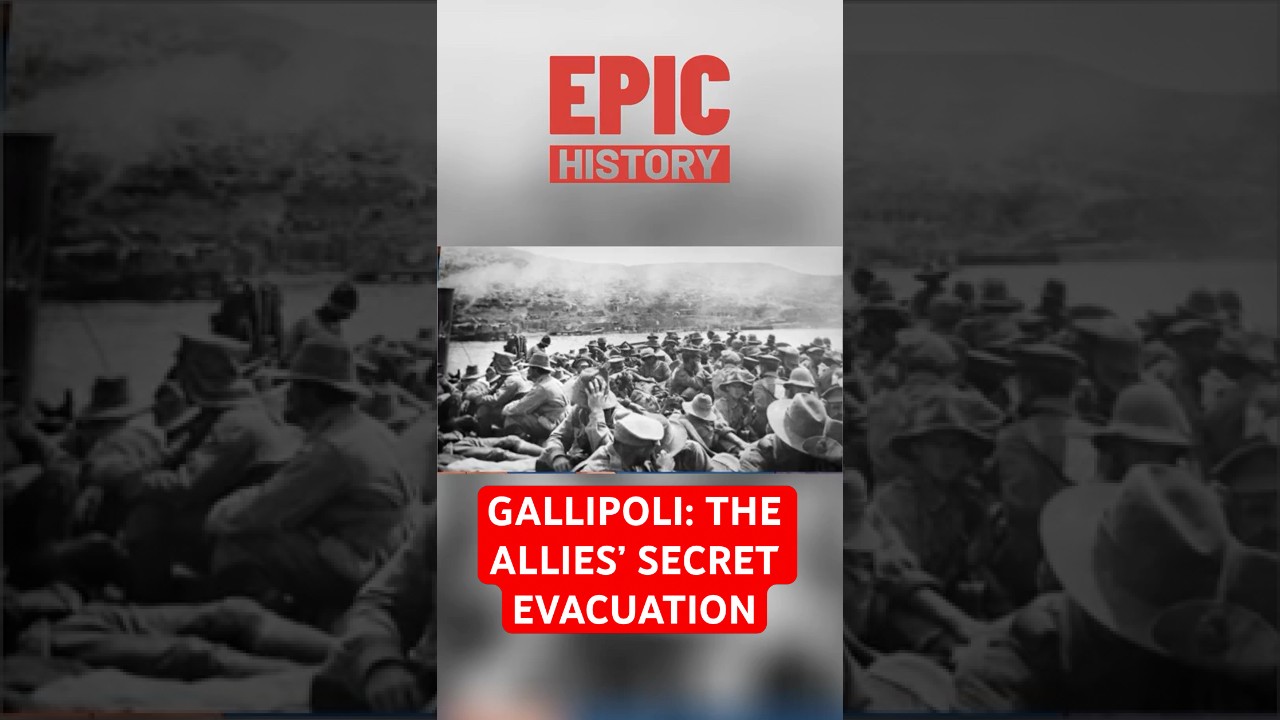
The actual withdrawal began in December 1915 and was conducted with a degree of stealth and secrecy. The operational focus was to keep the Turkish forces unaware of the Allies’ intentions. Troops utilized a combination of diversionary tactics and nighttime operations to mislead the enemy while facilitating the safe extraction of forces. Such covert operations illustrated not only military savvy but also a palpable acknowledgment of the critical issues that had plagued the campaign since its inception.
Minimizing Casualties During Withdrawal
One of the Allied strengths was their strategic foresight in how to minimize casualties during the evacuation. As your understanding deepens, it will become clear that the meticulous execution of withdrawal led to a remarkably low loss of life. Not a single soldier lost his life during the withdrawal process, a testament to the thorough planning and cohesive execution of the operation.
Logistics of Transporting Troops and Equipment
The logistics of transporting troops and their equipment remained a significant challenge. The Allied forces employed a variety of vessels, from larger ships to smaller boats, ensuring that they could relocate personnel swiftly and efficiently. Each element of the logistics plan focused on safeguarding troops while facilitating the evacuation of suitable supplies and equipment.
Aftermath of the Gallipoli Campaign
The end of the Gallipoli Campaign ushered in immediate and far-reaching consequences for both the Allies and the Ottoman Empire, redefining their respective paths in the ongoing conflict.
Immediate Consequences for the Allies
For the Allies, the withdrawal from Gallipoli was a strategic setback. They suffered staggering casualties and logistical failures, leading to a tarnished reputation. The campaign was perceived as a costly miscalculation that unveiled the limitations of their military strategies. The engagement would act as a cautionary tale for future operations, signaling the necessity for comprehensive planning and thorough assessments in warfare.
Impact on the Ottoman Empire
In contrast, the Gallipoli Campaign galvanized the Ottoman Empire and its forces, fostering a sense of national pride and identity that would resonate across the region. The successful defense not only emboldened Turkish military ambitions but also provided a crucial win that would bolster the government’s standing at home. This moment would eventually lay groundwork for the emergence of renewed nationalism under leaders like Mustafa Kemal.
Strategic Lessons Learned
Gallipoli provides an enduring case study in military strategy, focusing on the significance of effective planning, communication, and the adaptability of military operations. The campaign illustrated that even the most carefully crafted plans could collapse without comprehensive intel and accurate assessments of enemy capabilities and morale. The lessons learned there echoed in subsequent military engagements throughout World War I.
Gallipoli’s Legacy in World War I
The repercussions of the Gallipoli Campaign extended far beyond its immediate military outcomes, contributing to an evolving discourse on warfare and strategy in World War I.
Shifts in Military Tactics Post-Gallipoli
The failure at Gallipoli prompted a shift in military tactics among Allied forces. The grim realities of attrition and stalemate influenced future operations, leading to the development of combined arms approaches and delayed offensive strategies. As armies adapted to trench warfare, the dynamics of military engagements changed significantly, marking a profound transformation in tactical planning.
Cultural and Historical Significance
Gallipoli also took on a cultural and historical resonance, particularly in Australia and New Zealand. The ANZAC troops’ sacrifices became a cornerstone of national identity, commemorated annually in dawn services and memorials. This cultural significance has endured into modern times, reflecting the campaign’s impact on the national consciousness of both nations.
Influence on Future Military Planning
The legacy of Gallipoli continued to influence military planning and operations in the years following the event. Subsequent campaigns incorporated lessons on logistics, intelligence, terrain assessment, and morale. The focus on adaptability and operational planning that marked the Gallipoli Campaign became a vital part of military doctrine, affecting strategies used in later conflicts.
Conclusion
In summarizing the key points concerning the Gallipoli Campaign, you can appreciate its role as a complex and instructive episode in military history. The convergence of ambitious objectives, substantial logistical obstacles, and strategic miscalculations resulted in a campaign that highlighted the volatile nature of early 20th-century warfare. Its enduring impact on military history remains evident, with lessons learned transcending its immediate context to inform future military operations.
Gallipoli serves as a somber reminder of the costs associated with war and the fragility of human ambition in the face of formidable challenges. Its legacy persists not only in military tactics but also through ongoing commemoration and remembrance, urging us to reflect on the sacrifices made in the pursuit of strategic goals. As you consider this campaign’s implications, you are left with not only an understanding of its immediate effects but also a thoughtful contemplation of the broader lessons it brings to the continuing discourse on conflict and strategy in our modern world.