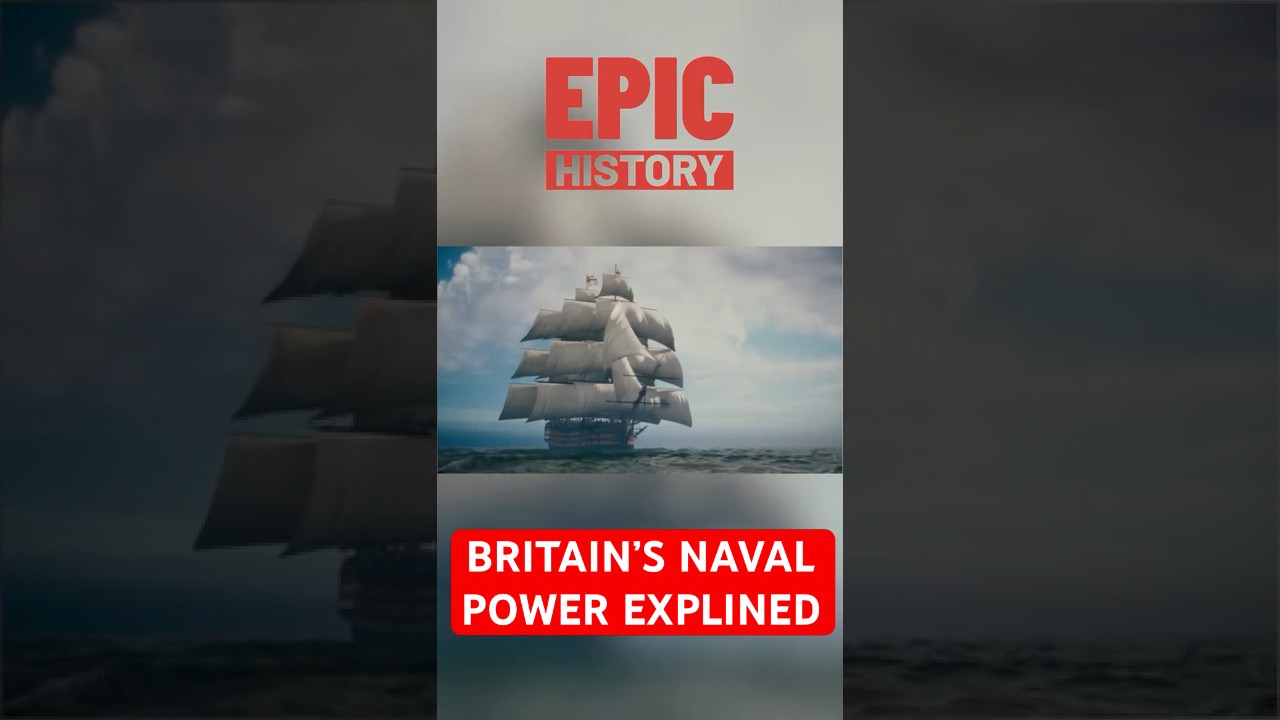
The Royal Navy stands as a formidable institution in the annals of British history, showcasing an era when maritime prowess dictated the balance of global power. This article elucidates the Navy’s critical role in safeguarding Britain, facilitating strategic military operations, and shaping economic landscapes. By examining its impressive fleet and strategic engagements, one gains a clearer understanding of how the Royal Navy not only protected the homeland but also expanded British influence across the seas.
Through its unparalleled fleet of 136 ships of the line and a dedicated force of 110,000 sailors, the Royal Navy became the linchpin of British statecraft and defense. Its operations disrupted enemy trade, ensured the security of vital supply routes, and extended imperial ambitions, particularly in regions like the West Indies. The analysis will further explore iconic vessels such as HMS Victory, which symbolized naval superiority and the ability to secure long-term strategic victories during significant conflicts, particularly against France.
Royal Navy’s Triumph: Britain’s Naval Power Explained

Historical Context of the Royal Navy
Origins and Early Development
The Royal Navy’s origins can be traced back to the 16th century, a period characterized by the transition from simple maritime forces to a centralized naval institution pivotal in shaping Britain’s maritime history. As European powers began to explore and colonize distant lands, the necessity for a structured naval force became evident. Under the auspices of monarchs like Henry VII and Henry VIII, England began investing in shipbuilding and naval logistics, laying the groundwork for what would evolve into a formidable fleet. Initial endeavors focused on coastal defense and commercial ventures, but these soon expanded into removing threats from rival powers, reflecting an early recognition of the navy’s strategic importance in safeguarding national interests and promoting trade.
The Role in the Tudor Period
During the Tudor period, the Royal Navy experienced significant transformations. It was during this time that naval warfare began to embrace more sophisticated tactics and ship designs. Queen Elizabeth I played a crucial role in promoting the navy, responding to the existential threat posed by the Spanish Armada in 1588. This confrontation not only underscored the necessity of a capable navy but also served as a critical turning point in naval history. The defeat of the Armada marked the onset of British naval ascendancy, as it demonstrated the potency of well-prepared naval forces against formidable adversaries. The Tudor era cemented the legacy of state-sponsored naval power, as the overarching necessity of securing trade routes and colonies became paramount in shaping British imperial ambitions.
Expansion during the 17th Century
The 17th century heralded a period of expansion for the Royal Navy, as England’s maritime interests sprawled into far-reaching territories. The Anglo-Dutch Wars illuminated the fierce competition for control over trade routes and colonies, pushing England to invest further in naval capabilities. With the establishment of the Commonwealth under Oliver Cromwell, the navy’s role shifted toward bolstering England’s assertiveness on the global stage, engaging in conflicts that expanded its colonial holdings. This era witnessed enhanced ship designs, including the transition to larger and more heavily armed vessels, enabling the Royal Navy to dominate the seas. The investment in naval power became an intrinsic part of England’s identity, as it began to weave together threads of commerce, war, and politics into the fabric of British power.
Structure and Composition
Fleet Composition
The Royal Navy’s composition evolved significantly over centuries, with the fleet designed to address diverse tactical needs. By the 18th century, it comprised various classes of ships, including ships of the line, frigates, and sloops, each specialized for distinct maritime warfare functions. The “line of battle” tactic dominated naval engagements, with formidable ships of the line forming the backbone of the fleet. This emphasis on a powerful, heavily armed fleet underscored the commitment to maintain maritime superiority, ensuring that the Royal Navy could project power effectively across the globe and engage effectively in sustained naval battles.
Personnel and Training
The backbone of the Royal Navy was its personnel, who underwent rigorous training to develop skills vital for naval warfare. Crewing policies emphasized discipline, while training regimes adapted over time to incorporate advancements in naval tactics and technology. The transition from untrained press-ganged sailors to skilled mariners and officers reflected the navy’s evolving demands and increasingly complex operational environment. Education and training institutions began emerging, fostering a skilled officer class equipped to manage naval engagements and administer ships, ultimately enhancing the navy’s operational efficacy.
Technological Innovations
As rival navies emerged and technology advanced, the Royal Navy was compelled to innovate continually. The adoption of steam power in the 19th century marked a pivotal shift, enabling vessels to maintain speed and maneuverability independent of wind conditions. Advancements in shipbuilding techniques and materials, such as ironclad ships, revolutionized naval warfare, introducing armored ships capable of withstanding enemy fire. The Royal Navy’s ability to integrate these technological innovations played a critical role in maintaining its competitive edge, ensuring its longevity and effectiveness on the world’s oceans.
Maritime Dominance and Strategic Influence
Protecting the Homeland
One of the Royal Navy’s core functions has been the protection of Britain’s homeland. The navy acted as a formidable bulwark against potential invasions, assuring the security of British shores. This protective role extended beyond mere defense; it enabled Britain to maintain its economic stability and continue pursuing imperial agendas without the direct threat of maritime invasion. The prospect of a powerful navy serves as a deterrent to adversaries seeking to challenge British sovereignty, reinforcing the critical importance of a strong naval presence in safeguarding national interests.
Force Projection and Expeditionary Operations
The Royal Navy’s capacity for force projection has historically allowed it to exert influence far beyond its shores. Through a series of expeditionary operations, the navy demonstrated its ability to deploy forces globally, creating opportunities for expansion and domination. Naval power provided Britain with the capability to conduct raids, support land operations, and engage in conflicts whenever deemed necessary. Such flexibility not only enhanced Britain’s strategic posture but also enabled diplomatic maneuvering, allowing it to build coalitions against common enemies while reaffirming its status as a premier naval power.
Impact on European Geopolitics
The Royal Navy’s dominance in European waters had far-reaching impacts on the geopolitical landscape of the continent. Control of the seas allowed Britain to defend its interests while thwarting the ambitions of rival powers, particularly those of France and Spain. The projection of naval power reshaped alliances and rivalries, as nations sought to counterbalance Britain’s influence through strategic partnerships or military confrontations. The navy’s capacity to safeguard trade routes and disrupt enemy activities significantly influenced the economic strengths and weaknesses of European states, ultimately shaping the global order.
Economic Warfare and Commercial Safeguarding
Disruption of Enemy Trade
Central to the Royal Navy’s strategy was the disruption of enemy trade, a key component of economic warfare. By targeting merchant shipping, the navy undermined the financial stability of rivals, effectively weakening their military capacities. This tactic facilitated Britain’s pursuit of commercial dominance, allowing it to establish control over crucial trade routes. The establishment of blockades and patrols within contested waters became instrumental in crippling enemy trade networks while simultaneously protecting British maritime commerce.
Protection of Britain’s Commercial Routes
The safeguarding of Britain’s commercial routes through naval strength was foundational to its mercantile empire. The Royal Navy’s ability to ensure the security of shipping lanes bolstered trade efficiency and reduced the risk of piracy and foreign interference. This security extended to strategic ports and colonies, ensuring the flow of goods essential for maintaining Britain’s economic stability and military prowess. The emphasis on protecting these routes allowed Britain to build on its wealth, ensuring the fiscal resources necessary to sustain prolonged military engagements.
Fiscal Implications for Warfare
The fiscal implications of naval power were profound, as the Royal Navy’s engagements financed the British war machine. The ability to disrupt enemy commerce compounded Britain’s financial advantages, while the protection of its trade facilitated the inflow of revenues crucial for munitions and military resources. Fiscal policies aimed at enhancing naval capabilities often encountered public support due to the perceived economic benefits; thus, the navy became a crucial instrument in Britain’s broader economic strategy, cementing its role as a central player in 18th and 19th-century global trade.
Imperial Ambitions and Colonial Control
Seizing Strategic Colonies
Imperial ambitions played a pivotal role in the Royal Navy’s operations. The navy was instrumental in seizing strategic colonies that would become cornerstones of Britain’s global presence. Whether through outright conquest or diplomatic maneuvering, the navy facilitated the establishment of dominion over key territories, including the Caribbean islands rich in sugar and other resources. The possession of such colonies not only provided raw materials for British industries but also served as critical refueling and staging points for further naval operations.
Resource Allocation and Economic Shifts
The wealth accumulated in colonies facilitated significant resource allocation towards naval innovations and expansions. As colonies became integral to Britain’s economy, the Royal Navy transformed them into bastions of power, supporting military efforts through the extraction of resources. This synergy between naval might and colonial management led to economic shifts wherein Britain began to dominate global trade, further establishing itself as an imperial power. Such economic control ensured that Britain’s naval strength was sustained not merely as a military force but also as an instrument of economic policy, intertwining commerce with power.
Influence Over the West Indies
The West Indies, in particular, emerged as pivotal to British imperial strategy. The Royal Navy’s presence in this region was a crucial element of Britain’s economic interests, as the sugar trade flourished. The navy facilitated the protection of plantations and trade routes, substantially impacting Britain’s economic landscape. Control over the West Indies affected colonial dynamics, shaping relationships with rival powers like France and Spain, and establishing the Royal Navy as the ultimate arbiter of maritime affairs in the Caribbean. This dominance underscored the intersection of military and economic interests, showcasing the Royal Navy’s integral role in the broader colonial framework.
Naval Supremacy during the Napoleonic Wars
Key Naval Engagements
The Napoleonic Wars marked a crucial chapter in the Royal Navy’s illustrious history. A series of pivotal naval engagements defined this era, with battles such as Trafalgar showcasing the navy’s supremacy. Admiral Horatio Nelson’s tactical genius, coupled with the strength of the fleet, effectively crippled the combined French and Spanish navies. This victory not only ensured British maritime dominance but also solidified Britain’s position as a preeminent world power, allowing it to dictate naval policies and strategies across the globe.
HMS Victory and Its Symbolism
As one of the most renowned ships in the Royal Navy’s history, HMS Victory symbolizes the navy’s capabilities at the height of its power. Serving as Nelson’s flagship, it represented both tactical ingenuity and military prowess. The Victory embodied the navy’s capacity to influence the course of history, becoming a national icon imbued with the spirit of British resilience and determination. Its legacy extends beyond mere warfare, as it reflects a time when naval might was inextricably linked to national identity and pride.
Long-term War Strategies
The Royal Navy’s strategies during the Napoleonic Wars were characterized by long-term planning and adaptability. The focus on systematic blockades aimed to disrupt French trade and diminish its capacity to sustain warfare. This strategic foresight allowed Britain to engage in economic warfare while maintaining military readiness. The successful implementation of such strategies confirmed the navy’s critical role not just in individual clashes, but as a continuous force shaping the geopolitical landscape well beyond the wars themselves.
Diplomatic Maneuvering and Alliances
Leveraging Naval Power for Diplomacy
The Royal Navy was not solely a tool of warfare; it played an essential role in diplomatic maneuverings throughout British history. By showcasing naval power on the international stage, Britain could negotiate from a position of strength. The navy’s capability to project force and maintain a global presence fostered relationships with potential allies while deterring adversaries. Thus, naval strength became instrumental in influencing diplomatic outcomes, shaping the course of international relations and alliances.
Supporting Allies through Naval Strength
Britain’s alliances, often fanned by its naval might, facilitated joint military operations that defined the outcomes of many conflicts. The use of naval forces to support allies through troop deployments and logistics underscored the navy’s strategic role in coalition warfare. This reciprocal relationship between naval power and diplomacy often resulted in favorable treaties and joint ventures that expanded Britain’s influence across the globe. The Royal Navy’s ability to project strength fortified alliances, ensuring that Britain remained a central player in European affairs.
Political Outcomes of Naval Successes
The political repercussions of naval victories were profound, as strong naval performance ushered in opportunities for territorial expansion and economic benefits. The Royal Navy’s successes secured critical advantages in negotiations, fortifying Britain’s position as a dominant global power. Political stability within Britain was frequently linked to naval victories, as public support for the navy became intertwined with national pride and identity. The long-term effects of these naval successes established a dynamic interplay between maritime prowess and political authority, further embedding the Royal Navy’s significance within the apparatus of the state.
Challenges and Adaptations
Navigating Technological Changes
The evolution of naval warfare necessitated continuous adaptation to technological changes, posing challenges for the Royal Navy. The transition from wooden sailing ships to ironclads and steam-powered vessels dictated a rethinking of naval strategies and tactics. As adversaries adopted new innovations, the Royal Navy had to invest in research and development, ensuring that it could maintain its supremacy in an increasingly complex landscape of naval warfare. This adaptability has been a defining characteristic of the Royal Navy, underscoring its resilience amidst rapid change.
Responding to Asymmetric Threats
The emergence of asymmetric threats in modern warfare posed significant challenges to traditional naval capabilities. The Royal Navy has had to grapple with non-conventional warfare techniques, including the rise of piracy and terrorism at sea. In response, the navy has adapted its operational strategies to mitigate such risks, integrating advanced technologies and intelligence-gathering mechanisms. This shift reflects the dynamic nature of maritime security and the continued relevance of naval power in addressing contemporary challenges.
Shifts in Global Naval Powers
As the balance of global naval power has ebbed and flowed, the Royal Navy has had to navigate changing geopolitical dynamics. The rise of other naval powers, notably in the 20th and 21st centuries, has necessitated a reevaluation of British naval strategy. In an era characterized by multi-faceted threats and international cooperation, the Royal Navy has sought collaborative relationships with allies, advocating for shared objectives. This evolution signifies a redefined role for the Royal Navy, adapting to a multipolar world while continuing to uphold its historical legacy.
Legacy of the Royal Navy
Cultural Influence and National Identity
The cultural influence of the Royal Navy extends far beyond the battlefield; it deeply permeates British national identity. Symbols of maritime heritage, such as naval uniforms and traditional shipbuilding techniques, encapsulate the pride and resilience associated with naval history. The Royal Navy’s prominence in literature, art, and folklore has woven a narrative that celebrates brave sailors and illustrious battles, reinforcing the collective memory of its significance in shaping Britain’s past and present.
Enduring Naval Traditions
The Royal Navy also embodies enduring traditions, fostering a unique culture within its ranks. Practices such as the daily routine, ceremonial events, and leadership principles reflect a commitment to heritage. These traditions, passed down through generations, form the backbone of the naval ethos, instilling pride and camaraderie among personnel. As the Royal Navy continues to modernize, these foundational traditions serve to connect the present with a storied past, ensuring that the essence of naval service remains intact.
Impact on Modern Naval Strategy
In contemporary contexts, the legacy of the Royal Navy informs modern naval strategy. The principles of maritime security, force projection, and international cooperation resonate in today’s strategic dialogues. The navy’s historical experiences provide valuable lessons in the realm of naval diplomacy and power projection, shaping responses to global crises. As modern maritime challenges evolve, the Royal Navy’s legacy persists as a guiding force in developing effective strategies for national defense and international engagement.
Conclusion
The Unfolding Legacy of Naval Power
The legacy of naval power, exemplified by the Royal Navy, continues to unfold across contemporary global affairs. Its historical significance underscores how maritime dominion has reshaped borders, economies, and relationships, influencing the course of nations. As challenges evolve, the Royal Navy’s enduring influence unveils a narrative of resilience and strategic foresight, illuminating the value of naval power in dynamic environments.
The Royal Navy’s Continued Relevance
In an era characterized by shifting geopolitical landscapes and emerging threats, the Royal Navy’s relevance remains undiminished. Its ability to respond flexibly to complex maritime challenges ensures that it continues to play a pivotal role in safeguarding national interests. Whether through traditional naval engagements or joint operations with allies, the Royal Navy remains a cornerstone of Britain’s security architecture, adapting to meet the demands of an ever-changing world.
A Reflection on Maritime History
Reflecting on the history of the Royal Navy reveals profound insights into the broader tapestry of maritime affairs. Its journey from humble origins to a behemoth of imperial power illustrates how naval capabilities shape not only military strategies but also economic and cultural dimensions. As you delve deeper into this story, you will comprehend the intricate relationship between naval power and the evolution of modern society, understanding that the tides of history are inextricably linked to the vessels that traverse the waters.