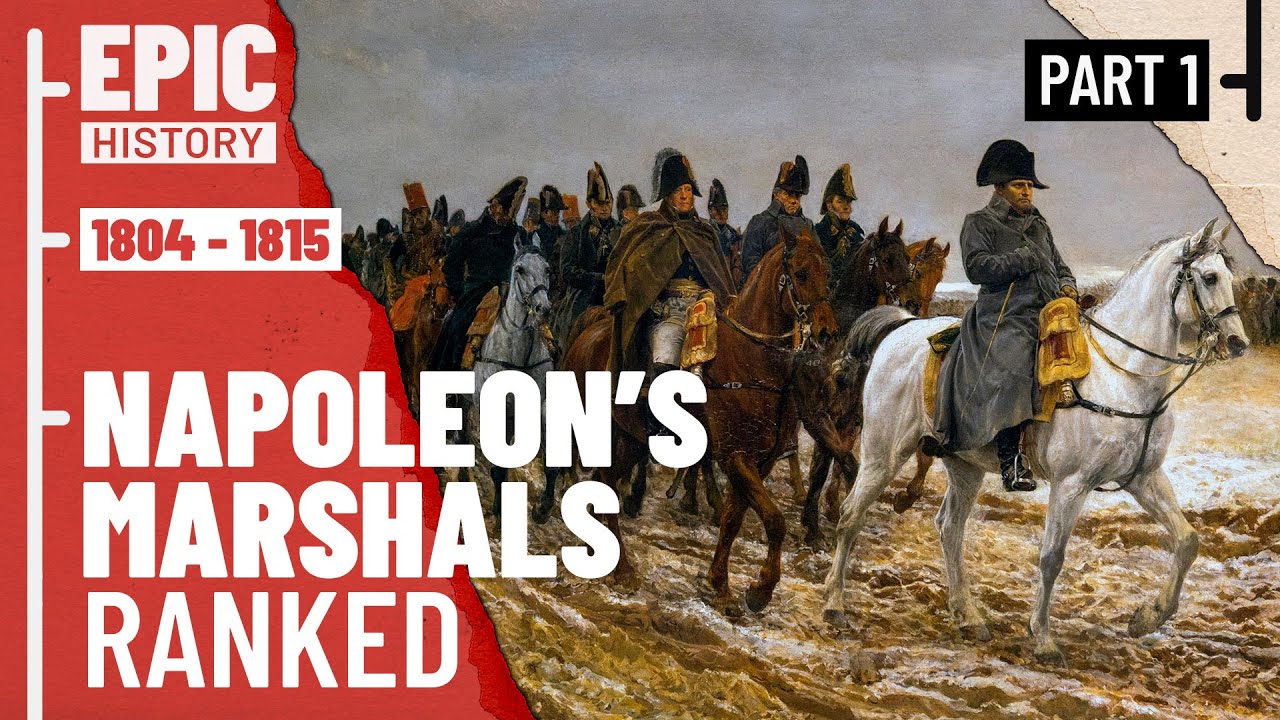
The formation of the Marshals of the Empire in 1804 stands as a significant event in military history, consolidating Napoleon’s authority and shaping the operational structure of the Grande Armée. With the appointment of 18 Marshals initially, followed by eight more, Napoleon created a diverse cadre of leaders drawn from various societal backgrounds, including both aristocrats and commoners. This article aims to provide a comprehensive analysis of all 26 Marshals, examining their achievements, career trajectories, and the political dynamics surrounding their appointments.
Through an exploration of notable figures such as Lannes, Soult, and Davout, alongside lesser-known yet equally intriguing marshals like Pérignon and Moncey, the article will uncover the complexities of their military careers. Additionally, it will assess the challenges faced by these leaders post-Napoleon, highlighting their legacies amidst political tribulations. Insights from military historians, including former Colonel Rémy Porte, will enhance the understanding of the profound impact these individuals had on both the Napoleonic Wars and the evolution of military hierarchy in France.
The Marshals of the Empire: A Comprehensive Study

Historical Context of the Marshals
Creation of the Marshals of the Empire
In 1804, Napoleon Bonaparte established the title of “Marshals of the Empire” to create a cadre of senior military officers who would lead the Grande Armée. This move was symbolic of the revival of military authority and prestige in a France that was emerging from the chaos of the Revolutionary Wars. Initially, 18 marshals were appointed, with an additional 8 following before Napoleon’s abdication. The creation of the marshals represented a strategic consolidation of military power, allowing Napoleon to rely on a versatile group of leaders drawn from various walks of life. These included aristocrats, seasoned veterans, and those from more humble beginnings, reflecting a blend of meritocracy and opportunism that characterized this new imperial structure.
The Impact of the French Revolution on Military Titles
The title of Marshal had been abolished during the French Revolution due to its association with feudalism and the monarchy. However, as the revolutionary fervor began to wane, there arose a need for stability and military excellence. Napoleon, recognizing that the fledgling republic required strong leadership for its military endeavors, reinstated the title in the context of an empire. This reinstatement not only revived an important aspect of military tradition but also indicated a return to hierarchical structures that the Revolution had sought to dismantle.
The Role of the Marshals During the Napoleonic Wars
During the Napoleonic Wars, the marshals were pivotal in executing numerous campaigns across Europe. Their military prowess contributed to significant victories as well as daunting defeats. They served as Napoleon’s trusted lieutenants, embodying the dynamics of loyalty and ambition that characterized the era. Each marshal brought unique attributes to the battlefield, influencing the outcomes of pivotal encounters that would shape European history. Their roles were not merely administrative; they were instrumental in the operational successes and failures of the Grande Armée.
Profiles of Notable Marshals
Marshal Lannes: The Tactical Genius
Marshal Jean Lannes is often celebrated as one of Napoleon’s most talented commanders. He exhibited remarkable tactical acumen, which was evident in his leadership during the Battle of Austerlitz, where he played a critical role in securing a decisive victory. Lannes’ ability to adapt to fluid battlefield conditions and exploit weaknesses in enemy formations set him apart as a military innovator. His approach blended audacity with calculated strategy, earning him the moniker of “The Gladiator” among his peers.
Marshal Soult: The Organizer and Strategist
Marshal Nicolas Soult demonstrated exceptional organizational abilities and strategic foresight throughout his military career. He effectively managed logistical operations, ensuring that the Grande Armée was equipped and ready for campaigns. Soult was instrumental during the Peninsular War, where he balanced direct military engagement with the complexities of governing occupied territories. His adaptability in both planning and execution laid the groundwork for many successful maneuvers, influencing the conduct of future military operations.
Marshal Davout: The Iron Man of the Grande Armée
Known for his discipline and resilience, Marshal Louis-Nicolas Davout earned the title “Iron Marshal.” His unwavering dedication and tactical rigidity were evident in the pivotal Battle of Auerstedt, where he led his corps to a stunning victory against superior numbers. Davout’s exceptional ability to maintain order and instill morale within his troops underscored his effectiveness as a leader, reinforcing the importance of discipline amidst the chaos of war.
Marshal Massena: The Last of the Romans
Marshal André Massena, the so-called “Last of the Romans,” exemplified the spirit of perseverance and courage. His performance at the Siege of Genoa displayed his ability to inspire his troops under dire conditions. Massena’s adeptness at both defensive and offensive tactics allowed him to hold critical positions against overwhelming odds, reflecting a profound understanding of the art of war that earned him a reputable place among Napoleon’s marshals.
The Social Background of the Marshals
Diversity Among the Ranks: Nobility vs. Commoners
The composition of the Marshals of the Empire was strikingly diverse, comprising individuals from various social strata. Some marshals hailed from aristocratic backgrounds, while others were the sons of shopkeepers or peasants. This mosaic of experience enriched their military perspectives and fortified the notion that merit, rather than lineage, could dictate one’s success in the emerging imperial order. The inclusion of commoners in high military ranks symbolized a significant shift in social dynamics in post-revolutionary France.
Social Mobility Through Military Service
The appointment of marshals illustrates a crucial avenue for social mobility fostered by military service during the Napoleonic era. Soldiers who might have begun their careers in humble ranks ascended to positions of power and prestige through merit and exceptional performance on the battlefield. This phenomenon challenged existing social hierarchies and reinforced the idea that dedication and skill could elevate individuals, thereby planting the seeds for a more meritocratic society.
Political Implications of Their Appointments
The selection of marshals was frequently guided by political considerations. While merit played a role in appointments, allegiance to Napoleon and his regime was equally significant. Many marshals had been staunch supporters of the revolutionary cause, bringing with them a network of political connections and influence. This duality of military and political allegiance shaped the power dynamics within the Grande Armée, often blurring the lines between personal ambition and loyalty to the Emperor.
Selection Process and Political Motivations
Criteria for Selection as a Marshal
The criteria for becoming a Marshal of the Empire involved a combination of military accomplishments, leadership attributes, and political loyalty. Successful generals who displayed exceptional tactical skills and strategic thinking were more likely to be considered for the honor. However, proximity to Napoleon and political affiliations could outweigh military merit in some cases, illustrating the complexities involved in the selection process.
The Balance of Loyalty and Merit
The tension between loyalty to Napoleon and meritocratic principles frequently defined the career trajectories of the marshals. While some were appointed based on their battlefield achievements, others navigated the political landscape skillfully to secure their positions. This balance ultimately shaped the collective identity of the marshals and influenced the functioning of the Grande Armée.
Influence of Political Affiliations in Appointments
Political affiliations wielded considerable influence over the appointment process of marshals. Many marshals had roots in different factions of the Revolutionary movement, and their allegiances often dictated how they were favored in appointments. Those who had established themselves as loyalists to Napoleon gained significant advantages over those with revolutionary ties, underscoring the role of political maneuvering in military promotions.
Challenges Faced by the Marshals
Internal Conflicts and Rivalries
The glittering ranks of the marshals were not immune to internal conflicts and rivalries. The competition for Napoleon’s favor prompted discord among the marshals, with personal ambition occasionally undermining collective unity. These rivalries could lead to discord on the battlefield, impacting military effectiveness and operational coherence, which reflects the inherent complexities of leadership within a large and diverse command structure.
The Pressure of Expectations and Outcomes
The marshals operated under immense pressure to achieve success on the battlefield. The high stakes of military engagements demanded not only tactical excellence but also the ability to manage expectations from both the Emperor and their subordinates. Failures could lead to dire consequences, not just personally but also for their respective corps, as defeat would reflect poorly on the entire command structure.
Consequences of Failure: Case Studies of Grouchy and Others
The repercussions of failure can be exemplified through the careers of figures such as Marshal Emmanuel Grouchy, who faced critical setbacks, particularly during the Battle of Waterloo. His failure to support Napoleon at a pivotal moment led to a significant loss for the French forces, ultimately tarnishing his legacy. These consequences illuminate the high cost of failure for marshals, emphasizing the critical nature of decision-making in warfare.
Contributions to Military Strategy and Tactics
Innovative Tactics Introduced by the Marshals
The marshals contributed significantly to military strategy and tactics, often pioneering innovative approaches that would influence future generations of military leaders. Their ability to adapt to new battlefield realities and integrate lessons learned from experiences catalyzed shifts in conventional military practices. The incorporation of combined arms, rapid maneuvering, and the effective use of artillery were among the notable advancements introduced during this era.
Lessons Learned from Battles and Campaigns
The wealth of experience amassed by the marshals through diverse encounters resulted in invaluable lessons that shaped military doctrine. Their engagement in campaigns exposed them to various adversaries and techniques, allowing them to refine their approaches and strategies. These lessons formed the foundation of military education for future leaders, impacting the evolution of warfare.
Influence on Future Military Leaders and Strategies
The influence of the marshals extended beyond their lifetimes, as their strategies and tactics informed military thought well into the future. Their legacy shaped not only French military doctrine but also had a profound impact on global military strategies. Contemporary leaders still study their methodologies to glean insights applicable to modern warfare, thereby ensuring that the contributions of these marshals remain relevant in the annals of military history.
Life After Napoleon: The Marshals’ Legacies
Redefining Their Roles During Restoration Periods
Following Napoleon’s abdication, the marshals found themselves at a crossroads, often needing to redefine their roles in a changing political landscape. Many struggled with their loyalty to the displaced Emperor while also accommodating the new Bourbon regime. This complex navigation of their identities and allegiances allowed some to maintain influence, while others faded from the public eye as new leadership emerged.
Post-War Careers and Political Involvement
The post-war careers of the marshals varied significantly, with some returning to civilian life while others engaged in politics. Their military backgrounds informed their political ideologies, and many sought to maintain the ideals of the Revolutionary era. Some marshals even held key administrative roles or served in legislative capacities, reflecting a continued commitment to public service despite the changing political tides.
Public Perception and Historical Memory
The public perception of the marshals fluctuated over time, influenced by shifting political environments and the eventual assessment of their contributions to history. As the nation grappled with the legacy of the Napoleonic Wars, different marshals were remembered variously as heroes or villains, complicating their historical legacies. This dynamic highlights the intricate relationship between military service and national identity as shaped through collective memory.
Expert Commentary on the Marshals
Insights from Colonel Rémy Porte
Scholars such as Colonel Rémy Porte offer expert commentary on the complexities of the marshals’ lives. His insights emphasize the interplay between personal ambition and loyalty to Napoleon, illustrating how these factors shaped the decisions and strategies employed by the marshals. His analyses draw attention to the nuances involved in their appointments and the repercussions of their actions on the course of European history.
Analysis of Their Decisions and Strategies
A thorough examination of the decision-making processes of the marshals reveals a blend of tactical brilliance and political acumen. Their ability to assess battlefield conditions and capitalize on opportunities set them apart as military leaders. Understanding the rationale behind their strategies sheds light on the broader military paradigms of the era and the intricate balance between warfare and political machinations.
The Marshals’ Impact on Modern Military Thought
The legacies of the marshals continue to resonate within modern military discourse. Their innovative approaches and experiences offer timeless lessons for contemporary military leaders. By studying their contributions, modern strategists can glean insights that remain applicable to modern circumstances, reinforcing the notion that history serves as a guide for future endeavors.
Cultural Representation of the Marshals
Marshals in Literature and Art
The marshals have been memorialized not only in military history but also in literature and art. Their exploits inspired numerous works that highlight their strategic prowess and formidable personalities. From historical novels to paintings that capture key battles, these representations contribute to the enduring fascination with their lives and careers.
Documentaries and Historical Accounts
Documentary films and scholarly works continue to explore the lives of the marshals, providing in-depth analyses of their contributions to Napoleon’s military campaigns. These accounts offer viewers a comprehensive understanding of their roles and the broader historical context in which they operated, amplifying the marshals’ significance in both military and civil spheres.
Modern Cultural References and Their Significance
The legacy of the marshals extends into modern cultural references, with echoes of their experiences found in contemporary media. Their stories often embody themes of ambition, loyalty, and tragedy, serving as cautionary tales for leaders in various fields. This ongoing relevance of their narratives reflects a broader cultural engagement with the complexities of leadership and conflict.
Conclusion
Summarizing the Significance of the Marshals
The Marshals of the Empire were not merely military leaders; they embodied the intricate interplay of power, loyalty, and ambition during a tumultuous period in French history. Their contributions shaped the trajectory of the Napoleonic Wars and influenced military doctrine for generations. Comprising a remarkable assortment of backgrounds and ideologies, the marshals “illuminated” the complexities inherent within the constructs of military leadership.
The Enduring Legacy of Military Authority in the Modern Context
The legacies of these marshals persist in military thought and historical discourse, providing insights into the qualities that define effective leadership. As we navigate contemporary challenges, the experiences of these 26 marshals offer timeless lessons about the nature of power and the consequences of ambition.
Reflections on the Marshals’ Contributions to History
Ultimately, the study of the Marshals of the Empire invites reflection on the lasting impact of military leadership on society. Their stories challenge us to consider not only the victories and defeats of campaigns but also the broader implications of their decisions on the events that unfolded in Europe. Through a comprehensive examination of their lives, one gains a deeper understanding of the complexities of war, authority, and human resolve.