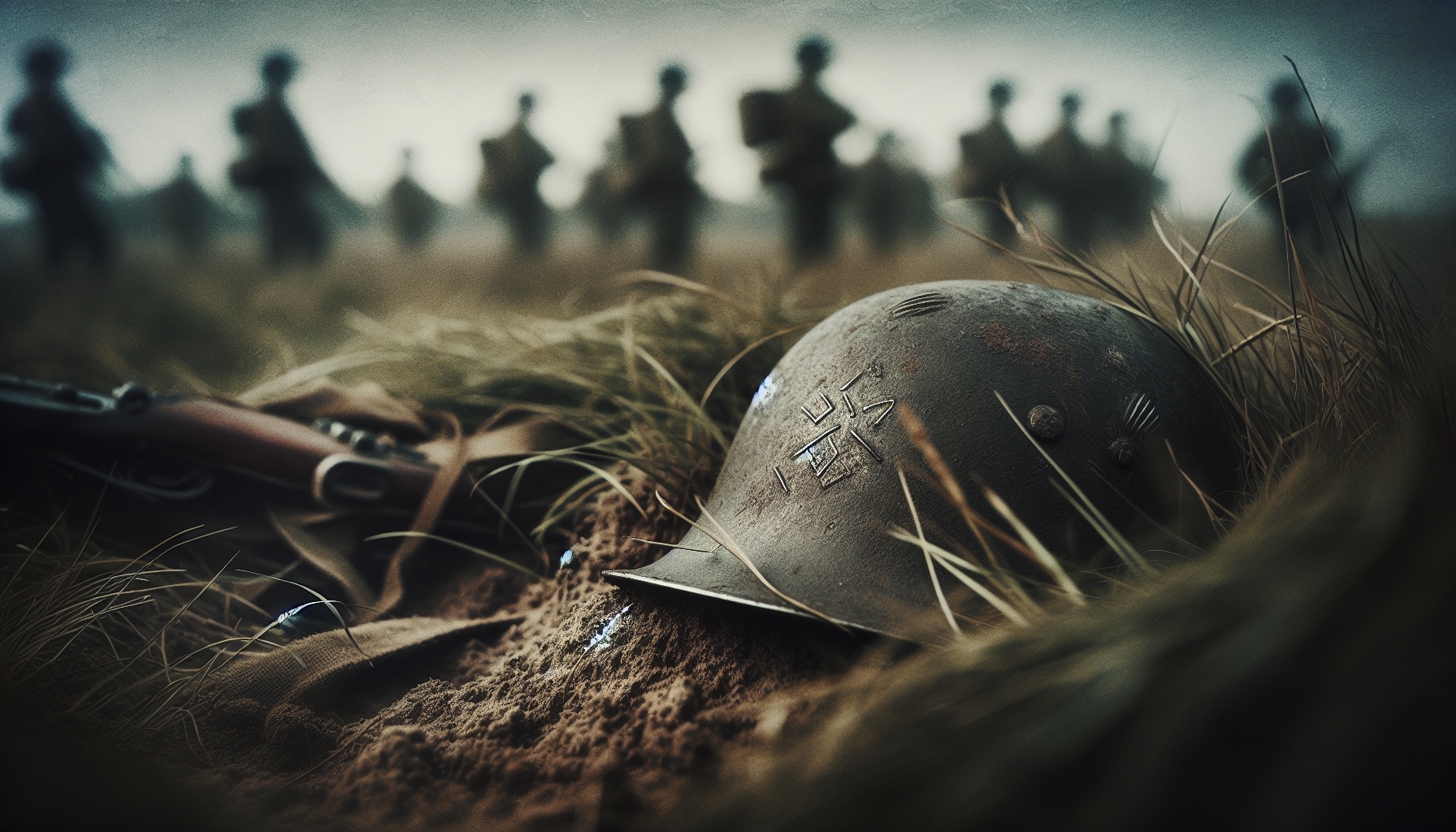
In the early years of World War II, Europe found itself engulfed in an unprecedented crisis as Adolf Hitler’s forces initiated a rapid and devastating campaign across the continent. The invasion of Poland marked the beginning of a ruthless military strategy known as blitzkrieg, characterized by swift, coordinated attacks that left little room for resistance. Within a mere few months, the overwhelming effectiveness of these tactics demonstrated the perilous advancements of Nazi Germany, reshaping the geopolitical landscape.
This article examines the intricate strategies employed during this critical phase of the war. By exploring the operational methodologies of frontline battles and the impact of leadership decisions, a clearer understanding of this tumultuous period in history emerges. You will gain insight into the patterns of warfare that defined the era and consider the broad ramifications that followed Hitler’s aggressive expansion across Europe.
The Prelude to War
The Treaty of Versailles and its Aftermath
The Treaty of Versailles, signed in 1919, ended World War I but sowed the seeds for future conflict. Imposing punitive reparations and territorial losses on Germany, the treaty fostered resentment among the German populace. You may recognize that the harsh economic and social conditions that followed contributed to the rise of extremist factions, including the National Socialist German Workers’ Party, led by Adolf Hitler. Hitler exploited the widespread discontent, promising national rejuvenation and the rectification of perceived injustices inflicted by the treaty. Consequently, this multifaceted backdrop sowed the seeds of an inevitable confrontation, eroding any hope for a peaceful resolution to Germany’s grievances.
Rising Tensions in Europe
In the 1930s, tensions across Europe heightened dramatically as authoritarian regimes emerged, resulting in a series of aggressive expansions. Nazi Germany, under Hitler, rearmed, remilitarized the Rhineland, and made territorial advances with minimal international resistance. Concurrently, fascist Italy and imperial Japan pursued their ambitions, further destabilizing the region. You should recognize how the failure of appeasement policies, coupled with a lack of collective security frameworks among European powers, emboldened these regimes. The Munich Agreement of 1938, allowing Hitler to annex Sudetenland without consequence, epitomized this misguided approach, culminating in the realization that conflict was a mere formality rather than a remote possibility.
The Role of the Allies and Axis Powers
In the lead-up to World War II, the international community split into two distinct blocs: the Allies and the Axis Powers. The Allies included nations like France and the United Kingdom, although their initial responses to Axis aggression were hesitant and marked by debate over whether to confront Hitler or adhere to appeasement. On the other hand, the Axis Powers—primarily Germany, Italy, and Japan—operated under a mutual commitment to territorial expansion and dominance. You might note how this division exacerbated the fragmentation of European stability, as the Axis sought to reshape the political landscape of the continent through brute force and ideological zeal.
Blitzkrieg: The Concept and Strategy
Definition and Origins of Blitzkrieg
Blitzkrieg, translating to “lightning war,” represents a military strategy that emphasizes rapid, coordinated attacks involving air and ground forces to swift effect. Originating in the interwar period, the concept merged advanced mechanization with tactical innovations gleaned from earlier conflicts, notably World War I. You should appreciate that the essence of Blitzkrieg lies in its emphasis on speed and surprise, prioritizing the disruption of enemy communications and the swift encirclement of forces to attain quick victories.
Components of the Blitzkrieg Tactic
The Blitzkrieg method comprises several critical components: the use of highly mobile armored divisions, concentrated air support, and integrated infantry units. This approach enables commanders to penetrate deep into enemy territory, demolishing supply lines and instilling chaos. You can observe how the synergy between the Luftwaffe and Panzer divisions allowed for a streamlined assault that overwhelmed traditional defensive formations, culminating in rapid success on battlefields that previously seemed impenetrable.
The Influence of Earlier Conflicts
The roots of Blitzkrieg can be traced to lessons learned from the experiences of World War I. You will find that the trench warfare paradigm of the Great War revealed the limitations of static strategies while demonstrating the potential for mobility and speed. Additionally, the experiences of the Spanish Civil War further informed Nazi military doctrine, wherein the effective use of air power and rapid ground assaults showcased the efficacy of integrated strategies. The synthesis of these lessons would ultimately redefine the trajectory of warfare in the early stages of World War II.

The Invasion of Poland
Operation Fall Weiss: Planning the Invasion
The Nazi invasion of Poland began with Operation Fall Weiss, meticulously planned to execute a swift and decisive military campaign. Commanded by General Wilhelm von Brauchitsch, the operation incorporated the principles of Blitzkrieg, with a focus on speed, coordination, and overwhelming force. You should recognize how the intricate preparations included precise logistical arrangements and detailed operational orders to optimize the rapid movement of troops and equipment across the borders.
The Use of Air Power and Armored Divisions
As the invasion unfolded on September 1, 1939, the Wehrmacht unleashed a coordinated assault employing Luftwaffe air superiority and Panzer divisions. The Germans executed air strikes targeting key military installations and communication hubs, debilitating Polish defenses before ground troops advanced. You will note that the psychological and physical impact of rapid air and ground assaults severely disrupted Polish mobilization and coordination, amplifying the chaos among their forces.
The Quick Collapse of Polish Defense
The blitzkrieg tactic’s effectiveness became evident as Polish forces, though valiant, were outmatched by the speed and coordination of the German assault. Within weeks, Polish defense lines crumbled, and major cities fell to the invaders. The rapidity of Germany’s advance not only secured territorial gains but also sent shockwaves through Europe, illustrating the devastating potential of the newly adopted warfare methods. You may reflect on the strategic lesson learned: the importance of innovation and adaptation in warfare, which resonated throughout the conflict’s subsequent phases.
The Rapid Expansion of Nazi Control
Swiftness of the German Advance
Following the invasion of Poland, the speed at which Nazi Germany expanded its control became a critical facet of the conflict. Within just weeks, the Polish state was obliterated, and the Wehrmacht advanced into neighboring territories. You should see how this pace not only broadcasted the effectiveness of the Blitzkrieg strategy but also instilled fear across Europe, as nations pondered their military readiness and the consequences of inaction.
The Fall of Warsaw and its Significance
The capture of Warsaw on September 27, 1939, marked a watershed moment in the invasion of Poland. The fall of the capital symbolized the crumbling of Polish resistance and showcased Nazi Germany’s military prowess. For you, it is important to grasp the broader implications of this defeat; it set a precedent for the rapid territorial annexation that characterized subsequent military campaigns in Europe, thus reshaping the continent’s geopolitical landscape.
International Reactions to the Invasion
The international response to the invasion was largely muted in its immediacy, despite the gravity of the situation. Although Britain and France declared war on Germany shortly thereafter, they lacked the means for immediate intervention to assist Poland actively. You will find that this delayed response underscored the failures of collective security dynamics established after World War I, which struggled to galvanize effective opposition against aggression. The invasion of Poland illustrated a profound shift in the balance of power, as doubts about the viability of deterrence grew among the Allied powers.
The Phoney War: The Calm After the Storm
Allied Positioning and Preparations
In the aftermath of the Polish debacle, a peculiar lull enveloped Western Europe—a period that became known as the “Phoney War.” During these months, the Allies positioned themselves for potential conflict while maintaining a facade of military caution. You may identify this phase as marked by an atmosphere of uncertainty, as nations grappled with the realities of warfare strategies, war preparations, and attempts to rally public support under the specter of impending conflict.
The Lack of Aggression on the Western Front
The Western Front remained relatively quiet as the Allies, particularly France and Britain, refrained from any significant aggressive actions against Germany. You might discern a paradox in this behavior: despite declaring war, they hesitated to escalate tensions, partly due to the grim memories of World War I and a desire to avoid premature engagement. This inaction would ultimately embolden Nazi Germany, allowing them to consolidate their gains in Poland and prepare for further offensives.
Propaganda and Public Sentiment
During the Phoney War, propaganda emerged as a tool wielded by both sides to shape public attitudes toward the conflict. The Allies intensified their messaging to cultivate morale, while Nazi Germany sought to promote its invulnerability through a narrative of historic victories. You should note that this propaganda war reflected broader themes of national identity and ideological fervor, as nations mobilized their populations around notions of unity and purpose, shaping the psyche of their citizens in preparation for the protracted conflict ahead.
Winter Warfare: Norway and Denmark
Strategic Importance of Scandinavia
The strategic position of Scandinavia came into sharp focus following the initial successes of Nazi Germany. Control over Norway and Denmark afforded Germany critical access to the North Atlantic and secure ports for naval operations. You will appreciate how these geographical and logistical advantages deemed the region instrumental for both supply lines and as a launching point for further attacks into the British Isles.
Operation Weserübung: The Campaign Begins
In April 1940, Germany executed Operation Weserübung, successfully invading and occupying both Norway and Denmark within weeks. Employing the Blitzkrieg strategy, the Wehrmacht swiftly overran the limited defenses of Danish forces, while simultaneously executing aerial bombardments and conducting naval operations against Norwegian strongholds. You may observe how the rapid fall of these nations shocked much of Europe, as it underscored the effectiveness of Blitzkrieg tactics and raised concerns regarding the vulnerability of other neutral nations.
Outcome and Consequences of the Invasions
The successful invasions yielded strategic advantages for the Nazis, solidifying their grip on the Scandinavian peninsula and enhancing their position in the North Atlantic. The occupation also offered Germany invaluable resources and strategic points for aerial assaults against Britain. For you, the implications were immense; the swift nature of these campaigns demonstrated the grim realities of modern warfare, introducing new dimensions to military strategy and prompting a reassessment of Allied defenses in northern Europe.
The Battle of France
Strategic Planning by German Command
The planning for the invasion of France was a culmination of lessons learned from earlier campaigns, leveraging the efficiency of Blitzkrieg tactics. The German High Command devised a strategy that involved a surprise assault through the Ardennes Forest, a region deemed impenetrable by French military analysts. You should appreciate how this innovative approach bypassed the heavily fortified Maginot Line, emphasizing the element of surprise that characterized German military doctrine at this stage of the war.
The Use of Surprise and Deception
On May 10, 1940, the Wehrmacht unleashed its assault on France, employing deception and coordination to create confusion among Allied forces. The main thrust through the Ardennes caught French forces off guard, while diversionary tactics misled Allied command about the true direction of the German offensive. You can recognize this use of misdirection as a quintessential hallmark of Blitzkrieg, allowing German troops to penetrate deep into enemy territory and dismantle organized resistance rapidly.
Fall of France and the Fall of Paris
Within weeks of the onset of hostilities, French defenses collapsed under the overwhelming pace of the German advance. By June 14, Paris fell to occupation, marking a historical turning point in the war. You may find the rapidity with which France succumbed to Nazi control striking, as it exemplified the efficacy of Blitzkrieg strategies in transforming the landscape of European power. The fall of Paris not only symbolized a profound defeat for the Allies but also set the stage for the broader ramifications of Nazi expansion throughout Europe.
The Response of the Allies
Military Strategies Developed by the Allies
The rapid succession of German victories forced the Allies to reassess their military strategies and prepare for future engagements. The realization that traditional defensive postures were insufficient led to the development of new plans designed to counter future Blitzkrieg assaults. You should consider the Allies’ efforts, including the establishment of armor and air force units that would prioritize mobility and coordination, mirroring some of the tactics employed by the Wehrmacht.
The Formation of New Alliances
In the wake of these defeats, the Allies sought to bolster their collective strength through new alliances and cooperative efforts. The formation of the Dunkirk spirit, stemming from the evacuation of British and Allied forces from France, fostered a renewed commitment to resisting Nazi aggression. You will observe that these alliances expanded beyond military cooperation, evolving into political and economic partnerships, thereby laying the groundwork for collective action in the face of a mounting threat.
Transitioning from Defensive to Offensive Postures
With the shocks of earlier defeats fresh in their minds, the Allies began transitioning from passive defense to a proactive stance aimed at regaining the momentum lost in the early stages of the conflict. This shift entailed adopting offensive strategies to reclaim occupied territories and reclaim the initiative. You can see how this transformation would ultimately influence engagements in campaigns to come, reshaping the trajectory of the war and establishing a foundation for future Allied operations.
Impacts of War on Civilians
Humanitarian Crisis Resulting from the Blitzkrieg
As violent military campaigns unfolded, the resulting humanitarian crisis devastated civilian populations across occupied regions. War ravaged homes, displacing thousands and provoking dire shortages of food, shelter, and medical care. You should recognize that the implementation of Blitzkrieg tactics created not only military casualties but also overwhelming civilian suffering, presenting challenges that countries had to grapple with throughout the war.
The Role of Propaganda in Shaping Public Perception
Propaganda played a central role in influencing public sentiment during the war, as governments disseminated narratives reinforcing national solidarity and demonizing enemy forces. You may observe how this carefully curated messaging aimed to sustain morale despite hardships, shaping civilians’ perceptions of the conflict. The interplay of propaganda and reality created a complex landscape wherein public opinion both supported and resisted the war’s demands.
Resistance Movements within Occupied Territories
In response to the hardships wrought by occupation and warfare, resistance movements arose across various occupied regions, reflecting a spirit of defiance against Nazi oppression. You will appreciate how these groups ranged from organized military efforts to grassroots activism, seeking to undermine occupiers and provide support to those affected by the war. These movements showcased the resilience of civilian populations and set the stage for broader acts of resistance that would have significant ramifications throughout the war.
Conclusion
The Significance of 1939-40 in WWII
The years 1939-40 were pivotal in shaping the course of World War II, as the rapid expansion of Nazi Germany showcased the effectiveness of Blitzkrieg tactics and redefined conventional warfare. For you, understanding this period highlights the complexities of military strategy and the interplay of political, social, and humanitarian factors that will resonate throughout history. The repercussions of these early moves would reverberate well into the future, as the conflict escalated.
Long-term Effects on European Politics
The rapid succession of events during these years fundamentally altered the political landscape of Europe, leading to widespread changes in alliances and governance. The nexus of power shifted, with nations reevaluating their positions in the face of mounting threats. You might reflect on the legacies of these decisions that would shape post-war structures, as the struggles for territorial integrity and sovereignty continued to define European politics in the decades to come.
The Foundations for Future Conflicts
Ultimately, the events of 1939-40 laid the groundwork for a series of conflicts that would erupt across the globe, encapsulating the essence of global struggles for power and ideology. You should acknowledge that the reverberations of these early wars have echoed through history, influencing international relations, military strategies, and the socioeconomic realities of nations long after the guns fell silent. The lessons gleaned during this critical juncture continue to provide invaluable insights as we navigate the complexities of contemporary global issues and conflicts.