
The article “How Russia Makes Artillery Production a Military Priority” examines the extensive efforts by the Russian government to enhance its artillery capabilities in recent times. It outlines how Russia has ramped up its production to approximately 3 million artillery shells annually, significantly exceeding the output of the United States and its allies. The discussion revolves around key factors influencing this surge, including historical precedents, strategic military directives, and the emphasis on state-owned manufacturing facilities in cities like Tula.
This analysis further highlights the implications of such production levels on the ongoing conflict, where the role of artillery has been critical. It delves into Russia’s operational strategies which, reliant on ground artillery rather than aerial bombardment, underscore a military doctrine distinct from that of Western powers. Additionally, the article addresses challenges faced by the Russian defense sector, including quality control issues amidst high production demands, offering insight into the complexities of contemporary military logistics.
How Russia Makes 3,000,000 Artillery a Year
Historical Context of Russian Artillery Production
Legacy of the Soviet Union’s Cold War Infrastructure
The legacy of the Soviet Union’s Cold War infrastructure plays a crucial role in understanding contemporary Russian artillery production. During this era, the Soviet Union invested heavily in an extensive military-industrial complex, establishing numerous factories designed to produce vast quantities of munitions. Many of these facilities, primarily state-owned, still function today, having evolved to meet the demands of the current geopolitical landscape. This existing framework has provided a foundation for the rapid scaling of military output in response to increased demands, particularly seen in conflicts such as the Chechen Wars and the ongoing military engagements in Ukraine.
Impact of Previous Conflicts on Artillery Demand
Previous conflicts, particularly the Chechen Wars in the 1990s and the ongoing war in Ukraine, have substantially influenced the demand for artillery in Russia. The lessons learned during these confrontations highlighted the critical role of artillery as a decisive factor in engagements, leading to tactical adaptations that prioritize effective and sustained artillery fire. The high artillery expenditure witnessed during the Second Chechen War, where Russian forces reportedly fired thousands of shells daily, underscored the need for a robust and responsive artillery production capacity.
Transition from Cold War to Modern-Day Production
As the Cold War ended, Russia transitioned from a purely militarized focus to a more multifaceted approach, yet it never fully divested from its military production capabilities. The collapse of the Soviet Union led to significant economic challenges, reducing military output dramatically in the 1990s. However, since then, there has been a gradual resurgence, with government initiatives re-investing in military capabilities, particularly artillery. This evolution reflects a strategic imperative to bolster national defense capabilities while sustaining a legacy of manufacturing excellence inherited from the Soviet era.
Current Production Statistics
Monthly and Annual Artillery Production Figures
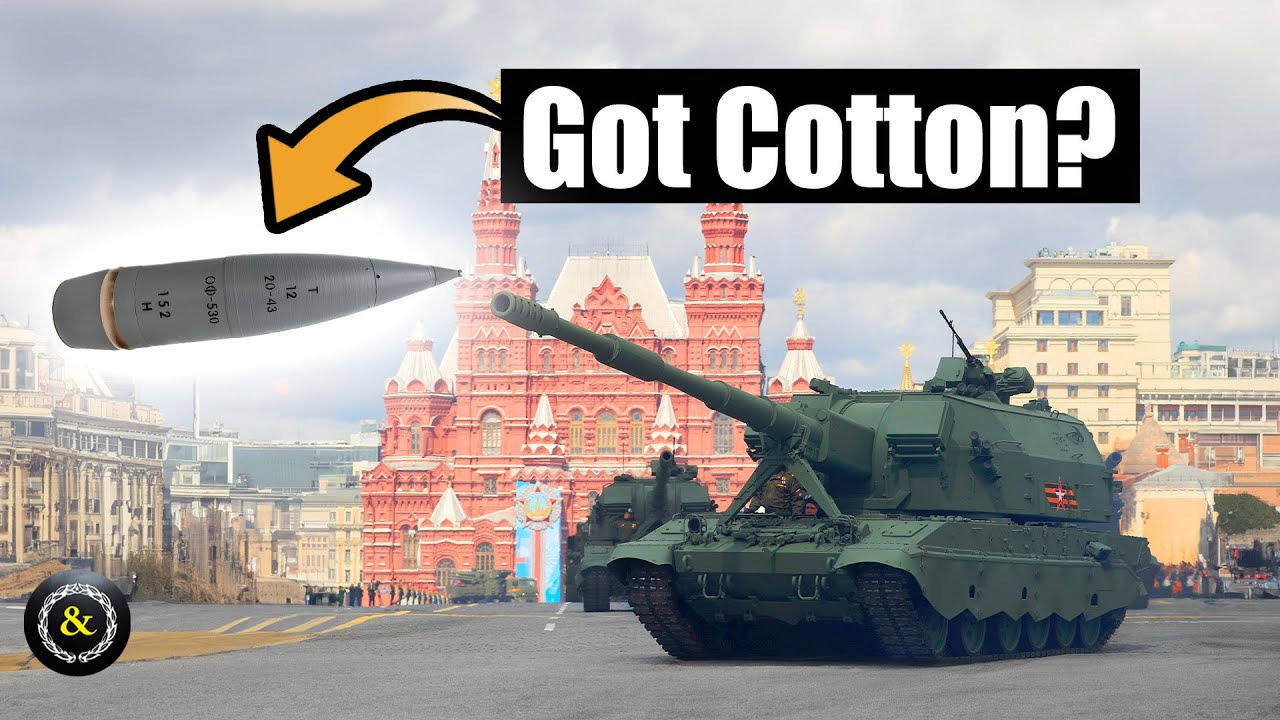
Currently, Russian artillery production is remarkably high, with estimates suggesting that Russia produces approximately 250,000 artillery shells each month, amounting to around 3 million shells annually. This significant output underscores the prioritization of artillery within the Russian military strategy, particularly in light of ongoing conflicts where artillery remains the focus of sustained combat operations.
Comparison with U.S. and Allies’ Production
When compared to the artillery production of the United States and its allies, the disparity becomes evident. Reports indicate that the U.S. and its allies collectively produce about 1.2 million artillery shells annually, substantially lower than Russia’s output. This significant difference in production capabilities has ramifications on the battlefield, particularly as artillery accounts for a high percentage of casualties sustained in modern conflicts.
Significance of Artillery as a Casualty Factor in Conflict
The role of artillery in shaping the casualty landscape in contemporary conflicts cannot be understated. It is estimated that approximately 80% of total casualties in ongoing conflicts can be attributed to artillery fire. This statistic highlights the strategic importance of artillery not just as a force multiplier, but as a central component in operational planning and execution within military theaters.
Strategic Government Initiatives
State-Directed Manufacturing Efforts
The Russian government plays a pivotal role in artillery production through state-directed initiatives that emphasize military manufacturing. These efforts include the establishment of comprehensive production plans that prioritize the rapid expansion of artillery capabilities. State funding and directives ensure that military production remains a focal point of national policy, reinforcing Russia’s global standing as a leading arms producer.
Role of Government in Workforce Expansion
Government initiatives have also extended into workforce expansion within the defense sector. With the growing demand for artillery munitions, the Russian government has mobilized resources to recruit and train a larger workforce. Estimates suggest that approximately 3.5 million individuals are now employed in the defense sector, marking a significant increase since the start of recent conflicts. This workforce expansion is critical for maintaining the tempo of production necessary to meet military demands.
Incentives for Increased Productivity in Defense Sectors
Incentives for increased productivity within the defense sectors are structured through various governmental programs designed to optimize manufacturing processes. This includes offering bonuses for exceeding production quotas, implementing flexible work schedules that allow for increased operational hours, and encouraging civilian participation in the manufacturing process. Such measures aim to create a culture of productivity that aligns with the overarching goals of Russian military strategy.
Manufacturing Infrastructure
Overview of Key Military-Industrial Cities in Russia
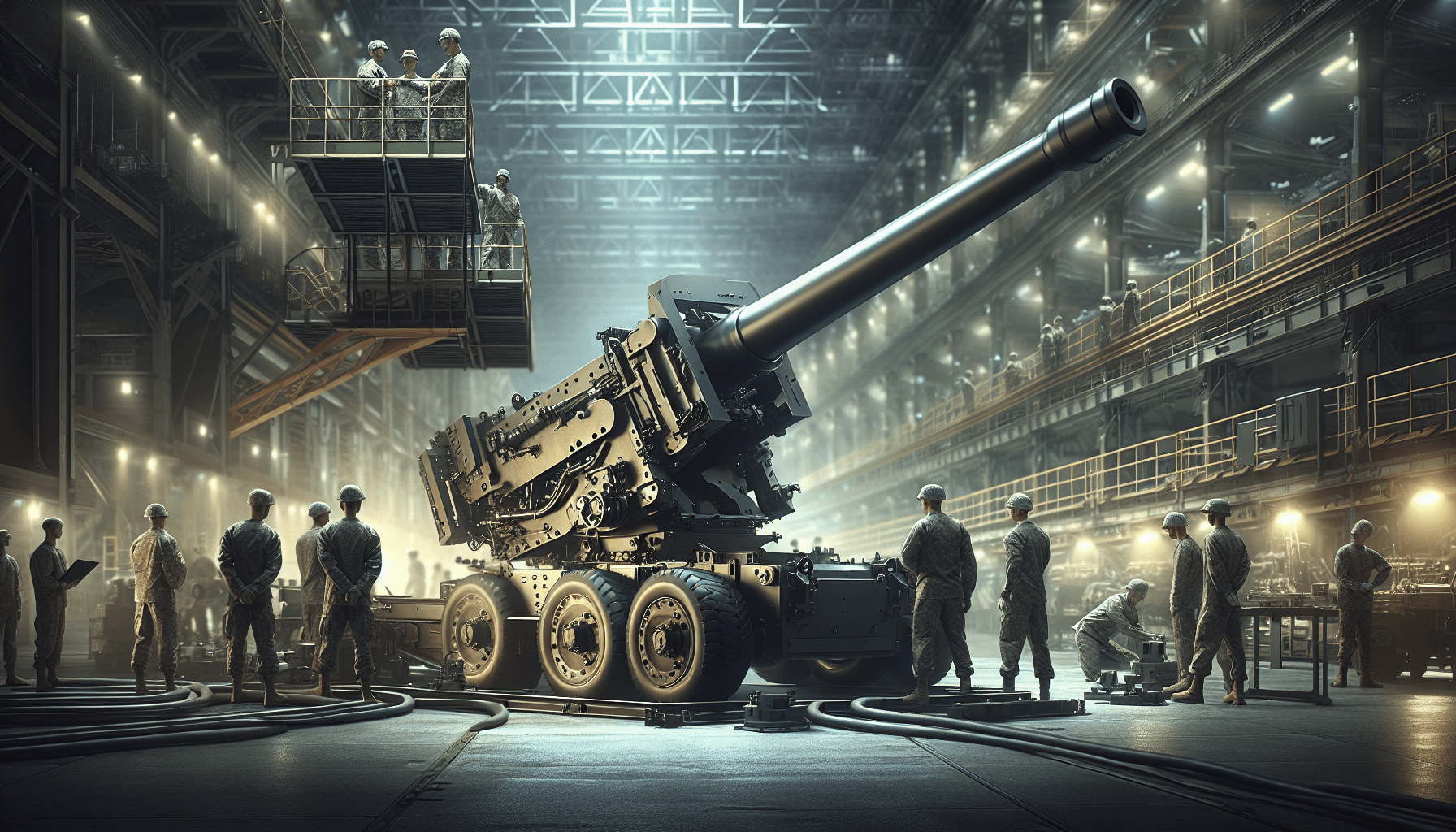
Russian military production is heavily centered in key military-industrial cities, with Tula standing out as a critical hub. Home to over ten arms manufacturing companies, Tula exemplifies the concentration of military production capabilities. Other significant cities include Kolomna, where advanced munitions are produced, and the sprawling industrial complexes of Sestroretsk and Nizhny Tagil, where both traditional and modern artillery systems are developed and manufactured.
Identification of Major State-Owned Production Plants
State-owned production plants account for approximately 70% of Russia’s military manufacturing capabilities. Among these are prominent facilities like the Tula Arms Plant, known for producing small arms, and NPO Splav, which is the sole manufacturer of multiple rocket launcher systems in Russia. These establishments are vital for maintaining the production levels necessary to support Russia’s military engagements and are strategically located across the country to enhance logistical efficiency.
Investment in New Facilities and Modernization
Significant investments are continually made to modernize existing facilities while constructing new plants to enhance production capacity. Satellite imagery has revealed ongoing construction projects aimed at expanding the industrial base dedicated to artillery production. Such modernization efforts are pivotal in adapting to contemporary technological demands and increasing overall output, ensuring that Russia remains competitive in the global arms market.
Resource Sourcing and Supply Chains
Domestic Resources for Artillery Production
Russia has leveraged its vast domestic resources to sustain artillery production. This includes a well-established supply chain for raw materials, such as metals and explosives, that are essential for manufacturing munitions. Domestic sourcing ensures operational autonomy and minimizes dependency on foreign materials, although complexities in global logistics can still present challenges.
International Collaboration for Vital Materials
While Russia aims for self-sufficiency, international collaboration remains essential for acquiring specific vital materials. Countries like Kazakhstan and Uzbekistan have become pivotal suppliers of cotton pulp, a material critical in the production of gunpowder. This interdependence reflects the necessity of maintaining robust international relationships to ensure a steady supply chain for artillery manufacturing.
Impact of Resource Availability on Production Capabilities
The availability of resources directly influences production capabilities. Disruptions in the supply of critical materials can hinder production rates, complicating efforts to meet artillery demands in times of heightened conflict. Recent geopolitical tensions have made clear the vulnerabilities within supply chains, prompting reassessments of sourcing strategies and stockpiling efforts.
Post-Soviet Challenges and Recovery
Economic Struggles in the Mid-1990s
The economic struggles in Russia during the mid-1990s led to a dramatic decline in military production capabilities. Following the Soviet Union’s collapse, many defense enterprises teetered on the brink of insolvency, with a staggering number being declared financially unviable. This period marked a significant downturn in military output, severely impacting the defense sector’s ability to adapt and evolve.
Near Insolvency of Defense Enterprises
Many Russian defense enterprises faced near insolvency as the state struggled to maintain adequate funding for military production. The transition from a centrally planned economy to a market-oriented system brought about significant challenges, leaving factories without the necessary capital to operate effectively. Efforts to transition to civilian production largely failed, further exacerbating the economic difficulties within the defense sector.
Strategies for Revitalizing Military Production Capabilities
In response to these challenges, Russia has implemented various strategies aimed at revitalizing military production capabilities. The government focused on rebuilding the defense industry through substantial state investments, restructuring enterprises, and fostering partnerships with private entities. These concerted efforts have laid the groundwork for the resurgence of artillery production, highlighting a renewed commitment to strengthening military capabilities.
Artillery as a Tactical Priority
Comparison Between Russian Ground Artillery and Western Air Power
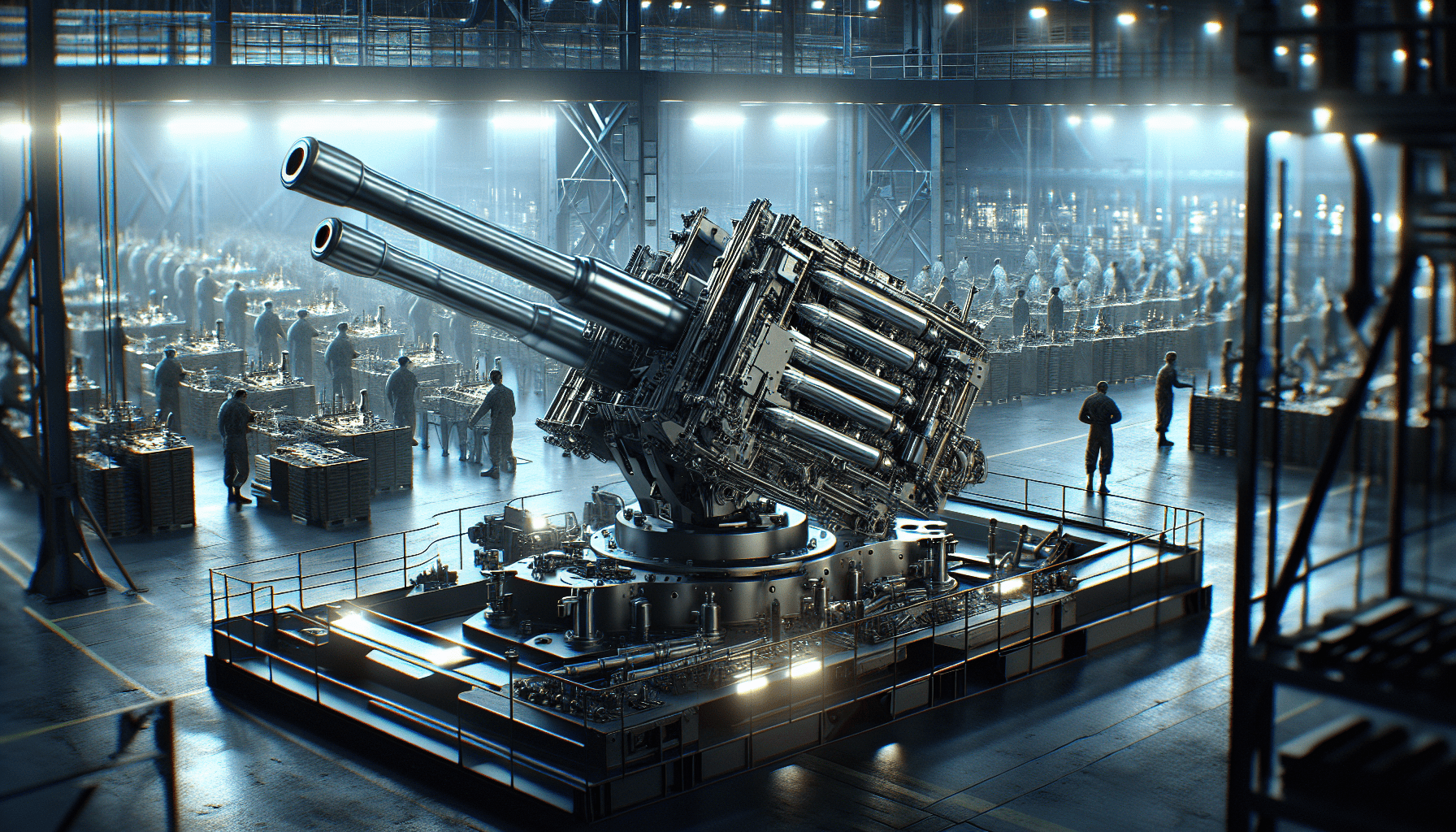
A distinct tactical priority for Russia is the predominance of ground artillery over Western air power. While Western military strategies have leaned heavily on air superiority, Russia’s emphasis on ground-based artillery reflects a different operational doctrine. This divergence in focus influences both military planning and the allocation of resources, resulting in artillery remaining a linchpin of Russian military strategy.
Artillery’s Role in Shaping Modern Military Strategies
The role of artillery extends beyond mere firepower; it shapes modern military strategies and operational planning. In the context of hybrid warfare, artillery serves as a powerful deterrent and a means of inflicting lasting damage on adversarial forces. The significant reliance on artillery also necessitates advancements in targeting and accuracy, leading to investments in precision-guided munitions.
Operational Adaptations Based on Artillery Production Capacity
The high volume of artillery production influences operational adaptations within Russian military strategy. The ability to produce and deploy artillery rapidly allows for increased flexibility in combat operations, enabling forces to respond quickly to emerging threats. This capacity for rapid artillery deployment makes a significant strategic difference in ensuring battlefield effectiveness and maintaining tense operational momentum.
Quality Control and Reliability Issues
Reports of Dud Rates in Russian Artillery
Reports indicate concerning dud rates associated with Russian artillery shells, raising questions about the reliability of munition outputs. Quality control measures appear to be under pressure due to the push for accelerated production timelines, often resulting in inconsistencies in munitions. This raises critical concerns about how these quality issues may affect overall operational effectiveness on the battlefield.
Balancing Speed of Production with Quality Assurance
The need for speed in production often conflicts with rigorous quality assurance processes necessary for ensuring munitions reliability. Russian manufacturers face significant pressure to meet high production targets while simultaneously ensuring that their outputs meet the necessary safety and efficacy standards. A failure to find the right balance may underscore challenges in maintaining operational readiness and battlefield effectiveness.
Implications of Quality Issues on Battlefield Effectiveness
Quality issues in artillery production have direct implications for battlefield effectiveness. Failures in munition reliability can lead to wasted resources, diminished combat effectiveness, and unnecessary casualties among military personnel. As Russia continues to prioritize artillery as a primary means of warfare, addressing these quality concerns becomes imperative to safeguarding military efficacy.
Foreign Support and Collaboration
Seeking Assistance from Countries Like Iran
In light of substantial logistical challenges, Russia has sought assistance from countries such as Iran to meet its artillery shell requirements. This collaboration reflects the need for international partnerships as Russia aims to bolster its production capabilities amidst stringent sanctions and resource limitations.
Extent of Foreign Aid in Meeting Production Demands
While foreign support can provide temporary relief, the extent of its effectiveness in overcoming production demands remains uncertain. The relationship with countries like Iran has strategic implications, as it underscores the necessity of diversification in sourcing capabilities without compromising operational autonomy.
Assessment of Reliance on External Resources
The reliance on external resources for artillery production can be a double-edged sword. While international partnerships can enhance production capabilities, they also introduce vulnerabilities into supply chains. Maintaining an equilibrium between domestic production and foreign collaboration becomes crucial as Russia navigates the complexities of modern warfare.
Conclusion
Summary of Russia’s Artillery Production Priorities
In summation, Russia’s artillery production capabilities are shaped by a legacy of historical investment, strategic government initiatives, and an unwavering emphasis on the importance of artillery in modern military operations. The country’s ability to produce 3 million artillery shells annually is a testament to the commitment to maintaining military readiness and responding effectively to emerging threats.
Reflection on Historical, Strategic, and Operational Aspects
Reflecting on the interplay of historical, strategic, and operational contexts, it becomes clear that Russian artillery production is not merely a numbers game; it embodies a broader military philosophy that values ground-based warfare. The infrastructural legacy of the Soviet era continues to impact current practices, reinforcing the significance of artillery as a tactical priority.
Final Thoughts on the Future of Military Artillery in Russia
Looking ahead, the future of military artillery in Russia will likely be characterized by ongoing challenges and adaptations. The emphasis on artillery as a fundamental component of military strategy will necessitate continuous investments in production capabilities and quality assurance. In a rapidly evolving military landscape, maintaining artillery’s central role in operational strategies will be crucial for Russia’s ongoing military ambitions.