
The exploration of what constitutes the first modern war presents a complex landscape, enriched by varied historical interpretations and definitions. This article examines the U.S. Civil War in the context of significant advancements in technology, administrative organization, and ideological motivations that have shaped modern warfare. By critically analyzing elements such as the implementation of industrial weaponry and advancements in military strategy, it becomes clear that while the Civil War introduced certain modern aspects, it may not typify the first entirely modern conflict as compared to its predecessors and successors.
In addition to the Civil War, the analysis highlights the roles of other conflicts, including the Russo-Japanese War and World War I, which displayed marked characteristics of modernity through advanced weaponry and the blurred lines between military and civilian life. As this discourse unfolds, the article probes the implications of these wars on the evolution of military organization and national ideologies, ultimately questioning the designation of the Civil War as a definitive modern war within a broader context of warfare development leading into the 20th century.
Understanding Modern Warfare

Definition of Modern War
The concept of modern war remains a subject of significant debate among historians. As you explore the definition of modern warfare, it is essential to acknowledge the varying perspectives that shape this discourse. Some scholars argue that modern war is defined by the technological, administrative, and ideological transformations that occurred mainly from the late 19th century onwards. Others contend that modern warfare is contextual and requires a less rigid, more nuanced understanding, given the evolving nature of conflict over time.
Historians’ Perspectives on Modern Warfare
You will find that historians often invoke diverse criteria when classifying wars as modern. For some, the very definition hinges on the military technologies used, while others prioritize the organizational frameworks of combatants or the ideological underpinnings that motivate warfare. In this context, you must recognize that modernity in warfare is not a singular timeline but a convergence of several transformational factors, from state policies to the very tools of combat. Contemporary debates often center on how these elements reflect or diverge from earlier conflicts, making this a rich area for exploration.
Criteria for Classifying Wars as Modern
To classify a conflict as modern, it is essential to consider certain criteria. Technological advancements in weaponry, for instance, have fundamentally altered how wars are fought. Innovations such as rifles, machine guns, and eventually, aerial bombardment, have all contributed to a more destructive form of warfare. Equally important is the role of administrative organization. Efficient bureaucratic management has propelled military campaigns, allowing nations to coordinate logistics and strategy on unprecedented scales. Lastly, ideological motivations—including nationalism, imperialism, and later, communism and fascism—have shaped how societies engage in conflict, offering justifications for their actions and often influencing public sentiment significantly.
Evolving Definitions of Warfare Over Time
As you delve deeper into the study of warfare, you will appreciate that the definitions of warfare have continually evolved. The transition from classical to modern warfare illustrates an ongoing dialogue about what modernity entails. Early conflicts were often localized, guided by the personal ambitions of monarchs. In contrast, modern conflicts involve massive state apparatuses, reflect broader societal issues, and have global ramifications. This evolution underscores the complexity of delineating a singular “first modern war,” as elements of modern warfare can be found throughout different historical periods.
Key Characteristics of Modern War
A thorough examination of modern warfare reveals several key characteristics that distinguish it from previous forms. As you engage with these features, keep in mind how they interact to create a unique framework for understanding contemporary conflicts.
Technological Advancements in Weaponry
The modern battlefield is defined by sophisticated weaponry that has transformed how wars are conducted. From firearms to advanced aviation, each technological leap has shifted the dynamics of combat. The introduction of mechanized warfare during World War I showcased the devastating power of tanks and aircraft, while World War II further pushed the envelope with innovations like radar and sonar. As you consider these advancements, recognize how they not only altered the conduct of war but also the very nature of conflict itself, leading to increased lethality and a broader psychological impact on societies.
Administrative Organization and Bureaucratic Management
You must also acknowledge the significant organizational changes that accompany modern conflicts. Warfare in the modern era demands efficient coordination, often necessitating expansive bureaucratic structures that can manage large troop movements, supply lines, and civilian impacts. The complex interplay between military needs and state functions illustrates a shift towards centralized control, allowing nations to mobilize resources on an unprecedented scale. This factor not only highlights the rise of professional military bureaucracies but also reflects how state responsiveness has evolved in the context of public accountability and wartime governance.
Ideological Motivations Driving Conflicts
The ideological dimensions of modern warfare are equally crucial. Conflicts are increasingly framed within ideological contexts, using narratives that resonate with national identities or collective goals. You will encounter how nationalism, a potent force in the 19th and 20th centuries, spurred conflict by fostering a sense of belonging and enmity that transcended individual grievances. Additionally, the emergence of ideologies such as communism, fascism, and democracy further complicated the motivations behind warfare, leading to complexities that command careful analysis.
World War II: A Benchmark for Modern Warfare
World War II operates as a powerful benchmark for understanding modern warfare. Its unprecedented scale and technological sophistication set it apart from earlier conflicts, and as you dissect its characteristics, you will see why many consider it a pivotal moment in the history of warfare.
Technological Innovations and Total War Dynamics
Engaging with World War II reveals the profound impact of technological innovation. The war utilized advanced technology—ranging from nuclear weapons to advanced fighter jets—that transformed the nature of military engagements. Additionally, this conflict introduced the concept of total war, in which entire nations were mobilized, and the lines between military and civilian life were irrevocably blurred. As you reflect on these dynamics, you will discern that the technological advancements not only facilitated more destructive warfare but also set a precedent for future conflicts’ existential nature.
Nuclear Weapons and Their Implications for Future Conflicts
Another defining feature of World War II was the introduction of nuclear weapons, which forever altered the landscape of warfare. The ramifications of nuclear capabilities extended beyond immediate destruction; they redefined the nature of global power dynamics, strategic deterrence, and the ethics of warfare. As you analyze the implications, consider how the existence of nuclear arsenals has led to a precarious balance of power, raising questions around not just warfare, but human survival itself.
Debates on Whether WWII Represents the Last Modern War
Intriguingly, some historians posit that World War II could represent the last modern war. The reasoning behind this assertion is often tied to the development of nuclear weapons, which signified a significant shift in war paradigms. The advancement of technology prompted a realignment of military strategies, which, when coupled with rapid geopolitical shifts, created a new framework for international conflict. As you engage with these debates, it becomes clear that the implications of World War II extend well beyond its combatants and serve as critical reference points for understanding contemporary warfare.
World War I: The Complexity of Modernity
World War I was another critical moment in the evolution of modern warfare, offering a complex tapestry of military tactics, societal changes, and historical significance.
Introduction of New Military Technologies
You will encounter that World War I marked a watershed moment in military technology with widespread adoption of new weapons such as tanks, aircraft, and machine guns. The conflict demonstrated the brutal efficiency of modern firepower, changing both offensive and defensive strategies. Your analysis of these technological innovations will reveal how they contributed to a paradigm shift in warfare, as nations grappled with their implications for military engagements and broader societal impacts.
Impact on Society and the Military-Civilian Divide
Additionally, World War I fundamentally altered the relationship between the military and civilian populations. The scale of mobilization blurred the boundaries between combatants and non-combatants, leading to civilian casualties unprecedented in earlier conflicts. As you explore this aspect, you will see how total war required governments to reorganize economies and societies, further entrenching military influence in civilian life.
Historical Significance and Implications for Modern Warfare
The historical significance of World War I cannot be understated. Your understanding of this conflict informs your perspective on how modern warfare has evolved. The war set the stage for revolutionary social changes, the rise of new ideologies, and a reconfiguration of international power dynamics. The war’s implications were not merely limited to the battlefield; instead, they resonate through the subsequent decades, influencing how societies conceptualize conflict and statehood.
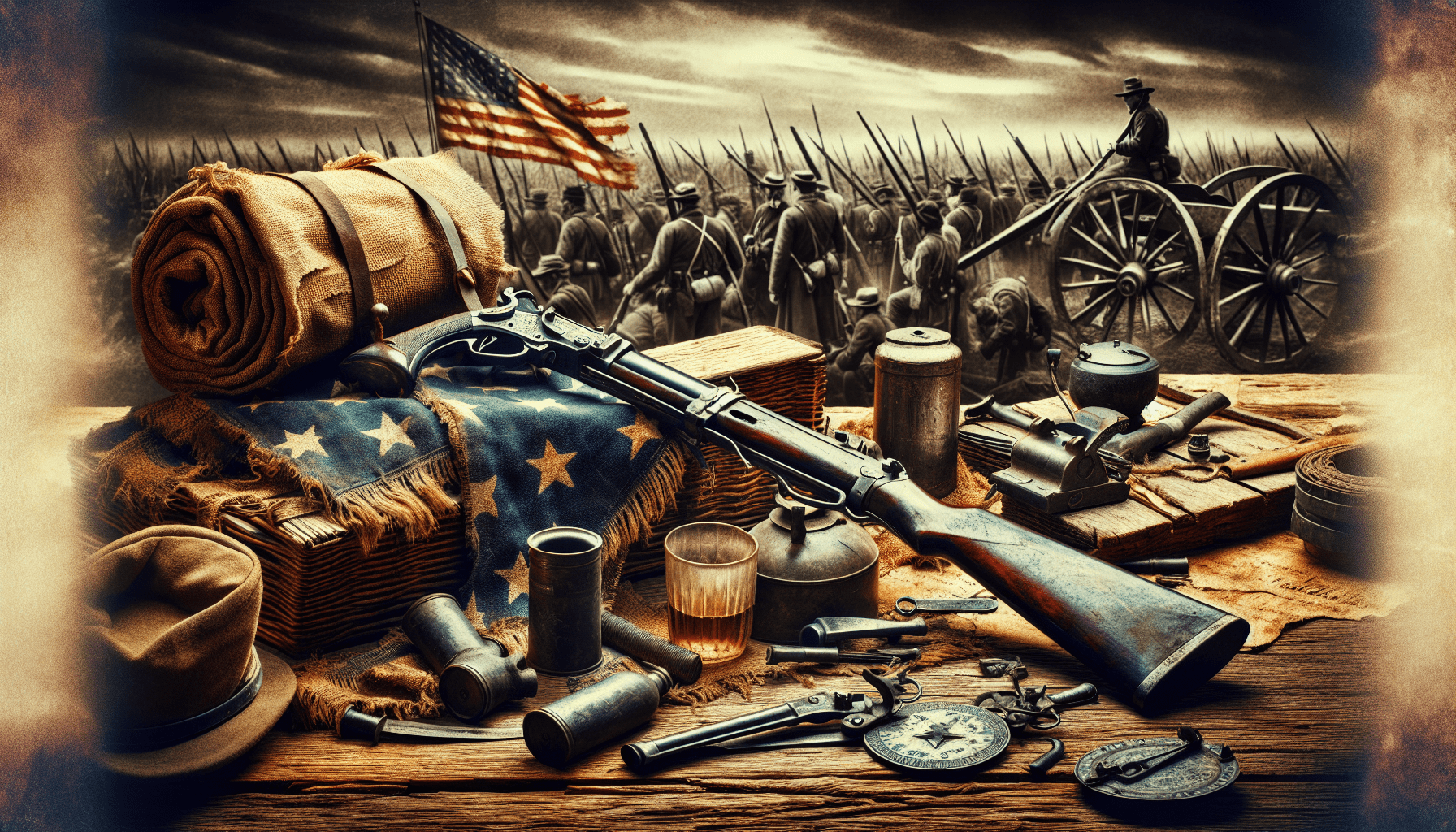
Pre-World War Conflicts and Modern Warfare
Prior to the major conflicts of the 20th century, smaller wars laid critical groundwork for understanding modern warfare. Engaging with these earlier conflicts is essential for grasping the complexities of modernity.
Balkan Wars (1912-13) and the Rise of Nationalism
In the Balkan Wars, you will observe the rise of nationalism as a driving force in warfare. The aspiration for national unification and independence was pivotal in shaping the conflict’s motives and outcomes. As you investigate these nationalistic sentiments, consider their broader implications for the stability of Europe, culminating in the powder keg that would lead to World War I.
Russo-Japanese War (1904-05) Showcasing Military Modernization
The Russo-Japanese War offers a compelling case study in military modernization. Your exploration will reveal how both nations mobilized significant resources and demonstrated remarkable organizational capabilities, showcasing the modern principles of warfare that would characterize subsequent conflicts. The brutal efficiency of modern weaponry, combined with the strategies employed, reshaped expectations for future engagements and set the stage for the broader conflicts to follow.
German Wars of Unification and Early Modern Tactics
The German Wars of unification also serve as a touchstone for early modern warfare. Through these conflicts, you can analyze how military tactics evolved to embrace modernity, impacting the broader narrative of European politics and military organization. As you engage with these historical contexts, it becomes evident that the foundations of modern warfare were being established long before the global conflicts of the 20th century.
The US Civil War: Modern War or Not?
The United States Civil War has often been framed as a potential candidate for the title of the first modern war. However, as you delve into this contentious debate, you will uncover a series of complexities that challenge this notion.
Industrial Advancements in Weapon Production
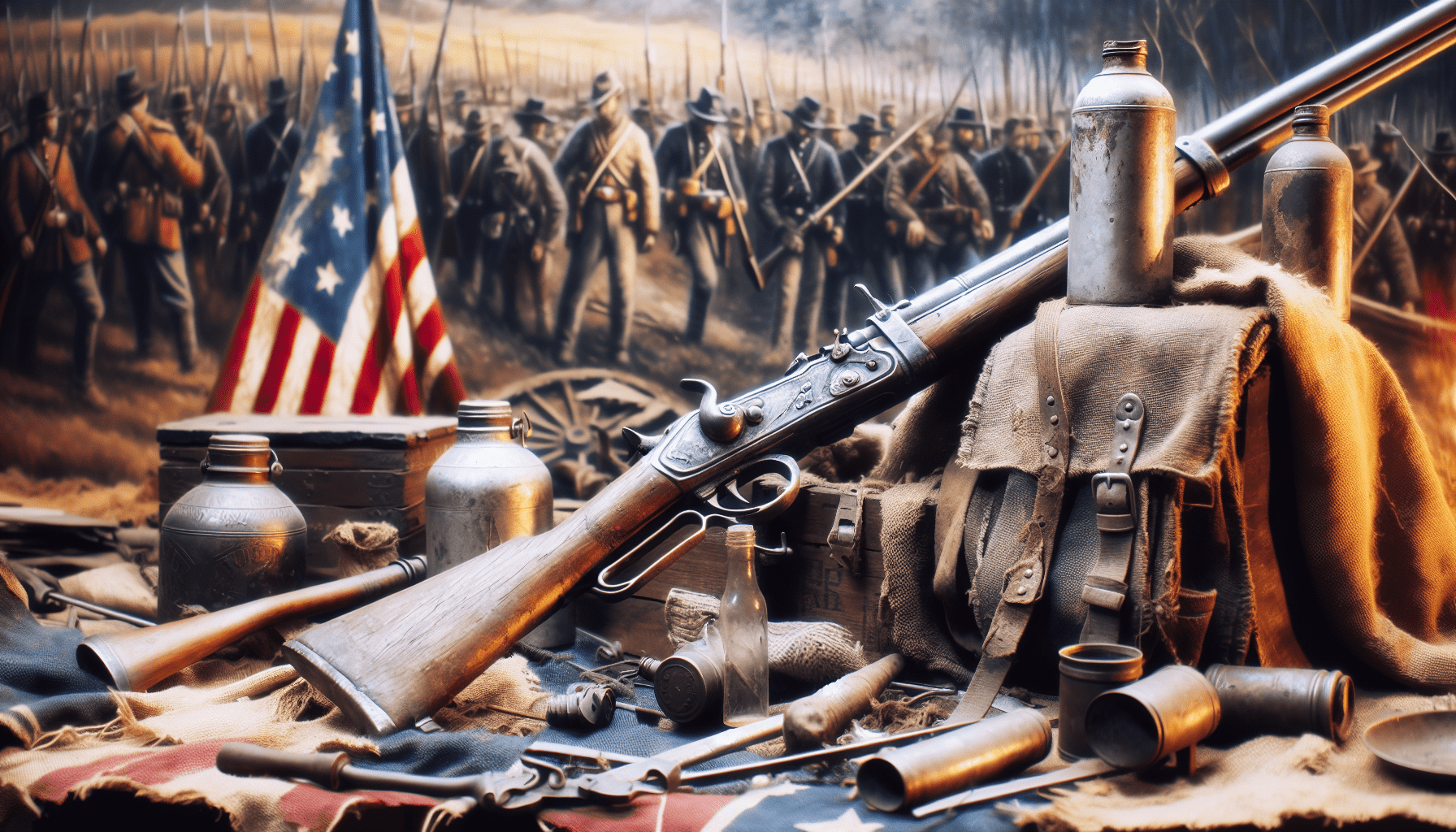
You will find that the Civil War profoundly incorporated industrial advancements in weapon production. The use of rifled muskets and advanced artillery revolutionized combat, resulting in increased lethality during engagements. Yet, while these innovations laid the groundwork for modern war, they were still influenced by pre-existing military doctrines and strategies, complicating the label of modernity.
Utilization of Railroads and Telegraphs for Military Logistics
A defining feature of the Civil War was the efficient use of railroads and telegraphs for military logistics. You will recognize how these technologies allowed armies to move supplies and communicate over vast distances more effectively. This logistical advantage contributed to shaping military strategies, though many challenges remained in management and coordination, which would later define conflicts in the modern age.
Media Coverage and the Role of Photography in Shaping Public Perception
The Civil War also marked a significant turning point in media coverage, as photography played a crucial role in documenting the conflict. The visual representation of battles and casualties captivated the public and shaped perceptions of warfare in real-time. As you analyze the media’s impact, you will appreciate how this new form of storytelling influenced public sentiment and political discourse, interweaving civilian perspectives into the fabric of war.
Administrative Challenges in the Civil War
Despite the advancements, the Civil War bore witness to significant administrative challenges that questioned its classification as a modern war.
Logistical Issues Faced by Both Union and Confederate Forces
Both the Union and Confederate forces encountered formidable logistical challenges during the war. From supply shortages to antiquated communication systems, inefficiencies hindered operations and posed existential threats to military strategies. As you examine these complexities, it becomes clear that while some elements of modernity existed, critical administrative shortcomings prevented the Civil War from fully embracing modern warfare’s potential.
Critique of Leadership and Organizational Capacity
The leadership and organizational capacity of both sides have been scrutinized extensively. You may find that miscommunications, strategic blunders, and poor decision-making often dictated the war’s course, revealing a stark contrast to the more centralized and efficient bureaucracies seen in later conflicts. As you engage with this critique, reflect on how these organizational issues challenge the prevailing notion of the Civil War as the first modern conflict.
Reid Mitchell’s Analysis of Modernity in Military Strategies
Historian Reid Mitchell provides an insightful analysis on modernity in military strategies during the Civil War. He posits that logistical challenges and outdated concepts stifled innovative approaches to warfare. Your understanding of his critique will enhance the narrative surrounding the Civil War and inform broader discussions on what constitutes modern warfare.
Precedents: The Crimean War as an Industrial War
The Crimean War stands out as a critical precedent in the narrative of modern warfare, showcasing fundamental technological advancements and their implications.
Technological Advancements During the Crimean War
You will find that the Crimean War was a watershed moment, featuring prominently the introduction of rifled muskets, railways, and telegraphs. These technologies were nascent but laid the groundwork for future conflicts, highlighting the transition toward a more destructive form of warfare. Your analysis of these innovations will illuminate how they revolutionized military engagements, altering tactics and outcomes throughout the war.
Impact of Rifled Muskets and Ironclad Ships
Rifled muskets and ironclad ships fundamentally shifted naval engagements and land warfare during the Crimean War. You can examine how these advancements not only enhanced lethality but also redefined strategic considerations, instigating a transformational shift in military planning that would resonate through subsequent conflicts.
Significance in the Context of Modern Warfare Development
The significance of the Crimean War within the broader context of modern warfare development cannot be overstated. You will realize that it serves as a critical case study illustrating how technological advancements can shape conflict trajectories. This war highlights the transition into a new age where industrial capabilities and military strategies began to collide, paving the way for the bloodiest wars of the 20th century.
The Napoleonic Wars and Shifts in Military Organization
The Napoleonic Wars mark a crucial phase in the evolution of military organization, embedding the foundational concepts of state involvement and citizen participation.
Military Organization Inspired by the Concept of ‘Levee en Masse’
As you examine the Napoleonic Wars, the concept of ‘levee en masse’ stands out. This idea of mass conscription altered how states mobilized resources, emphasizing citizen participation in a way not seen before. Your analysis will uncover how this shift laid the foundation for modern military organization, blurring the lines between state and society and redefining the soldier’s role.
National Ideologies and Citizen Participation in Warfare
The emphasis on national ideologies profoundly influenced how societies engaged in warfare. You will discover that the moral imperatives associated with national identity galvanized citizen support for military endeavors. The mounting nationalism during this era propelled conflicts and influenced subsequent generations, ensuring a continued legacy of citizen engagement in warfare.
Influence on State Involvement and Military Structure
The Napoleonic Wars also illustrated how state involvement in military matters became increasingly vital. You will find that the intricate relationship between the military and the government became more pronounced, redefining how wars were waged and managed. This shift not only characterized the period but created a blueprint for military structures in future conflicts.
Conclusion: Contextualizing the US Civil War within Warfare Evolution
Your exploration of the US Civil War presents a rich narrative filled with modern elements alongside distinct shortcomings. As you synthesize these insights, consider how the conflict fits into the broader context of evolving warfare leading into the 20th century.
Summary of the Civil War’s Modern Elements and Shortcomings
While the Civil War showcased notable advancements in weaponry, logistics, and media coverage, its organizational failings underscore the complexities of defining it as the first modern war. You will recognize that attributing modernity to the Civil War requires a careful examination of these contrasting elements, revealing a narrative rich with both innovation and limitation.
The Broader Context of Advancing Warfare Leading into the 20th Century
Historically, the Civil War served as a pivotal site of contention and evolution in military practices. Yet, as you contextualize it within the advancing warfare leading into the 20th century, it becomes clearer that the foundations for modern conflict were being laid in various forms prior to, during, and after the war.
Reflections on the Implications for Understanding Modern Conflicts
As you reflect on these discussions, it is evident that understanding the evolution of warfare necessitates an appreciation of its complexity. While the US Civil War often emerges at the forefront of modernity debates, a broader investigation into historical precedents and the characteristics of various conflicts enriches our understanding of what constitutes modern warfare. This ongoing discourse will continue to shape contemporary reflections on conflict dynamics, offering valuable lessons for the future.