
The evolution of military aircraft design reflects a significant shift in operational priorities, particularly regarding camouflage and visibility. In contrast to the vibrant paint schemes of past decades, such as the camouflage patterns of the F-4 Phantoms, contemporary military aircraft predominantly feature a muted grey color. This article explores the historical context behind this transformation, examining the reasons behind the transition from colorful liveries to the standardized grey paint that now defines the U.S. military fleet.
The narrative encompasses the development of camouflage techniques in military aviation, revealing how advancements in military strategy and technology have influenced design choices. It also touches on the cultural aspects of military aesthetics, offering insight into how performance aircraft, like the Blue Angels, maintain visually striking paint jobs while operational models adopt a more subdued appearance. Through this analysis, you can gain a deeper appreciation for the practicality that drives today’s military aircraft color schemes.
The Evolution and Significance of Military Aircraft Colors
Historical Context of Military Aircraft Colors
Evolution of Military Aircraft Paint Schemes
The palette of military aircraft has undergone a remarkable metamorphosis since the dawn of aviation. Initially, clever maneuvers were rewarded with striking color schemes meant to exert presence and boost morale. From the vivid and artistic designs seen in the World War I era—characterized by whimsical motifs painted on fighter planes—to the more pragmatic camouflaging methods deployed in later conflicts, one can observe a gradual shift in how colors were used to serve various military strategies. Each alteration in paint scheme often corresponded to evolving national security objectives and advancements in aerial warfare technology.
Notable Historical Paint Jobs
Certain aircraft are etched in history not merely by their combat prowess but also by their distinctive liveries. The Sopwith Camel, adorned with geometric patterns, and the F4U Corsair with its blue and yellow wings, stand as testaments to the fusion of art and warfare. Acclaimed for their flamboyance, these aircraft evoked national pride. Conversely, the F-4 Phantom’s camouflage during the Vietnam War symbolized adaptability in a theater where visual concealment was paramount. Each of these paint jobs was a conscious decision that spoke volumes about technology, tactics, and cultural imperatives.
Impact of WWII on Airplane Camouflage
World War II marked a turning point in military aviation, transitioning the design of airplanes from vibrant colors to strategic camouflage. The realization that aircraft were susceptible to enemy detection led to the exploration of hues and patterns that blended with various terrains. As a result, standardized camouflage for air forces emerged globally, shifting the design paradigm towards muted tones. This change not only represented advancements in tactical thinking but also underscored the necessity of survival amidst the tumult of aerial combat, creating a legacy that persists in contemporary military aviation color schemes.
The Shift to Grey
Introduction to Standardization
Following World War II, armed forces sought efficiencies in aircraft production, maintenance, and operation. The adoption of standardized color schemes was a natural evolution of these priorities. In the aftermath of extensive experimentation with camouflage, grey emerged as a favored color due to its versatility and effectiveness in various environments. The move was not merely aesthetic; it was a strategic recalibration toward uniformity among forces, allowing for streamlined logistics and conciseness in appearance across fleets.
Reasons for the Transition from Camo to Grey
The choice of grey was informed by several operational considerations. Its neutral tone allows for blending into a variety of atmospheric conditions, whether it be cloudy skyscapes or the greyed landscapes of battle. Additionally, as warfare technology advanced, so too did detection capabilities. Stealth became a prevailing goal, with lighter grey tones serving to minimize the aircraft’s visibility against the backdrop of a diverse range of environments. Thus, while the antiquated techniques of the past highlighted artistic expression, the grey color scheme signifies a pragmatic embracing of modernity in military aviation.
Case Studies of Transition in Various Aircraft Models
Take, for instance, the transformation of the F-15 and F-16. Originally boasting nuanced camouflage patterns, these models have largely transitioned to grey, illustrating a broader shift across various military platforms. In the context of naval aviation, the transition of the F/A-18 Hornet to shades of grey further exemplifies strategic adaptation for modern operational contexts. Each of these shifts represents a decision matrix based on mission profiles that prioritize operational efficacy over aesthetic allure.

Scientific Principles Behind Aircraft Color Choices
The Role of Visibility and Detection
The scientific underpinnings of color choice in military aviation hinge on principles of visibility and detection. Research in optics reveals that certain colors are inherently more or less detectable against specific backgrounds. Grey, in this respect, operates on a continuum of wavelengths that allow it to remain inconspicuous across various environmental factors. In a world increasingly dominated by sophisticated sensor technologies, choosing the optimal shades of grey becomes a necessity for survival in hostile situations.
Psychological Effects of Color in Warfare
Color psychology merits consideration when discussing the role of color in military aircraft. Grey invokes notions of neutrality and detachment, while more vibrant colors like red or blue can evoke emotional responses. The inherent neutrality of grey may mitigate the likelihood of undue aggression or misinterpretation during engagements. Thus, the color of military aircraft also serves a psychological role in warfare, shaping perceptions not only from the ground but also within topside operations.
Contrast and Camouflage in Various Environments
As adversarial capabilities evolve, so does the need for a more sophisticated understanding of contrast and camouflage. Scientific investigations have revealed that grey can be effective in urban environments during twilight hours, but different strategies might be necessary in other settings. For instance, it would be advantageous to develop aircraft paint technologies that adapt to changing environmental conditions, maintaining optimal camouflage without sacrificing the aircraft’s operational capacity.
Operational Advantages of Grey Aircraft
Stealth Technology Enhancement
The movement toward grey aircraft aligns closely with advancements in stealth technology. The decision to adopt a unified grey color scheme serves the dual purpose of enhancing concealment while also housing materials designed to absorb radar waves. The necessity for low observable characteristics has prompted innovative development within military aviation, with grey surfaces actively contributing to the mutation of traditional paint into multifunctional capabilities, thus enhancing operational efficacy.
Reduced Thermal Signature
Grey aircraft also offer a reduction in thermal signature, further augmenting stealth capabilities. The selection of a lighter grey alleviates the heat retention typical of darker colors, making it less detectable through thermal imaging. In the modern theatre of warfare, the combination of visual camouflage with reduced thermal profiles has become essential for survival, allowing military aircraft to operate with heightened security against opposing forces equipped with sophisticated detection systems.
Improved Visibility in Various Weather Conditions
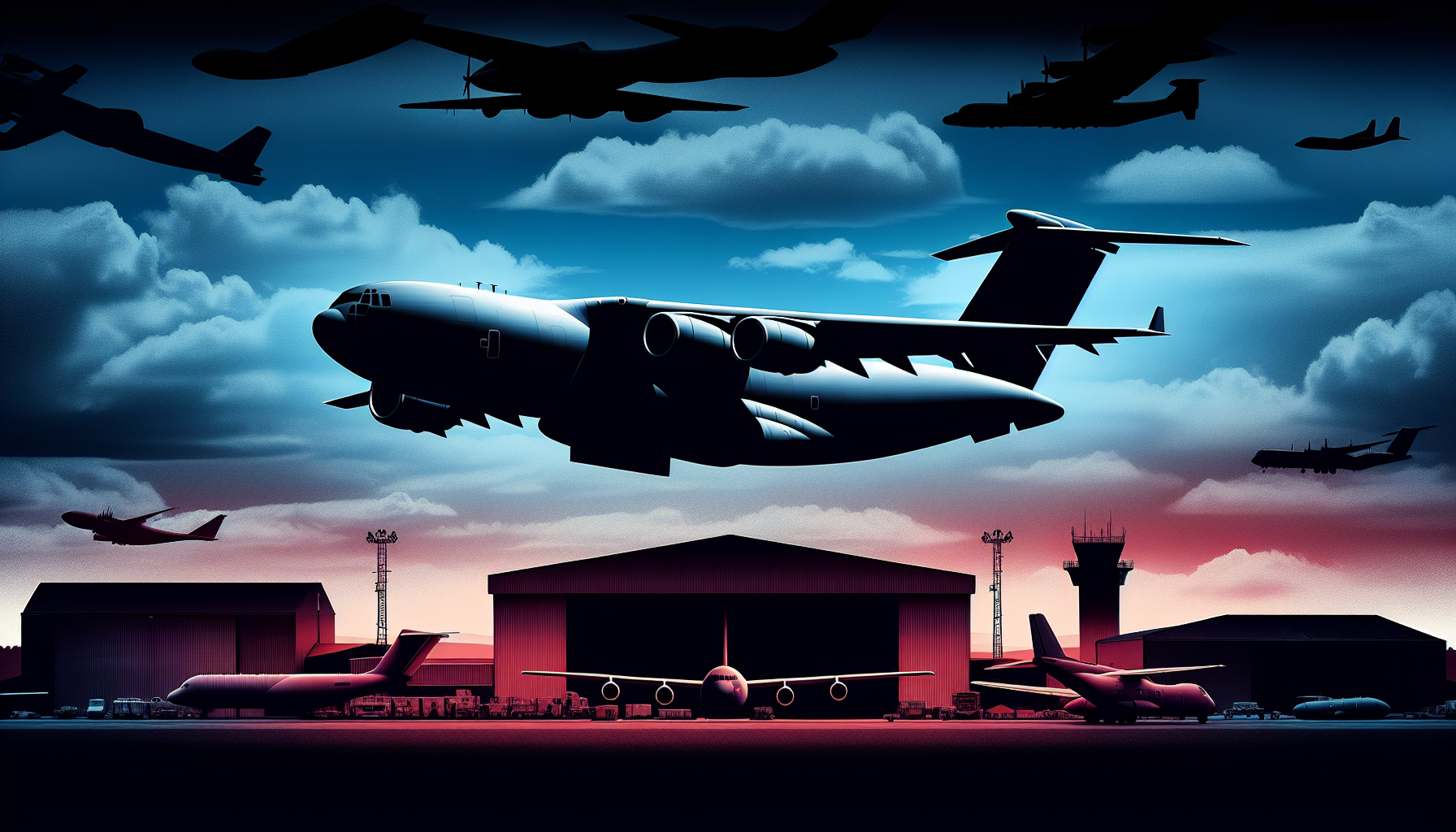
In addition to its stealth attributes, grey provides improved visibility in diverse weather conditions. Unlike the more vibrant colors, which can create a stark contrast against clouded skies, grey hues blend seamlessly into overcast environments. This atmospheric adaptability serves as both a tactical advantage and aids pilots in navigation, making grey an optimal choice for the dynamic challenges of aerial missions.
Cultural Perceptions of Military Aesthetics
Public Sentiments on Aircraft Design
Cultural perceptions surrounding military aircraft designs reflect a blend of nostalgia and appreciation for aesthetics in warfare. While the modern palette leans heavily toward grey, many former service members and aviation enthusiasts often reminisce about the vibrant colors of historical airframes. These sentiments illuminate the relationship between visual representation and national identity, signaling a longing for the artistry that once characterized military aviation.
How Media Portrays Military Aircraft
The portrayal of military aircraft in media compounds these sentiments, often glorifying colorful designs while overshadowing contemporary grey models. Films, documentaries, and literature shaped the perception that colorful aircraft symbolize power and dominance, while muted colors are seen as less impactful. The media’s inclination to sensationalize vivid aircraft provides substantial cultural contextuality to the emotional responses elicited from the public concerning military design choices.
Nostalgia and the Desire for Colorful Aircraft
Cultural nostalgia plays a significant role in shaping contemporary discussions of military aesthetics. The instinctual desire to view majestic, colorful aircraft is less about tactical necessity and more an appeal to sentimentality. In the age of rapid technological advancement, many find themselves yearning for an era where artistry and function were not mutually exclusive, pondering whether future designs might return to those colorful aesthetics that once captivated the imagination.
Comparisons with Other Countries’ Military Aircraft Colors
Diverse Color Schemes in NATO Forces
NATO nations exhibit impressive diversity in military aircraft color schemes. While grey remains prevalent, variations emerge, signaling not only operational considerations but also cultural characteristics. For example, the United Kingdom employs darker shades of grey and modulations designed to reflect its specific aerial tactical doctrines, while countries like Italy favor a slightly lighter palette that emphasizes visual harmony with surrounding skies.
Non-NATO Countries’ Strategies on Aircraft Camouflage
Non-NATO countries often embrace unique approaches to aircraft colors, reflecting their individual military strategies and geopolitical contexts. Russia has been known to utilize avant-garde patterns that incorporate disruptive coloration, contrasting sharply with NATO’s standardization. These variations highlight the diversity in military doctrine across nations and serve as a study in how cultural influences inform strategic choices in color schemes for military aviation.
Implications of Cultural Differences in Design Choices
Cultural distinctions not only illustrate varying palettes of aircraft but also indicate deeper allegorical meanings behind color choices. The particularity of each nation’s military identity is enshrined in their aircraft designs. Moving forward, understanding how cultural contexts impact color selection can provide insight into not only theoretical frameworks about aesthetics but also practical applications regarding military strategy on global scales.

Impact on Airshows and Public Demonstrations
Role of Performance Teams like the Blue Angels
Performance teams such as the Blue Angels embody the vibrant aesthetics of former military aircraft colors through their distinctive liveries. These displays allow audiences to connect with aviation in a way that transcends the often austere characteristics of military engagement, illustrating a celebration of power and beauty that invites public admiration. They serve not only as demonstrations of flight prowess but also as symbols of national pride, contrasting sharply with the functional grey of operational aircraft.
Public Reception of Traditional vs. Modern Aircraft Designs
Public receptions of aircraft liveries often reflect a dichotomy between traditional designs and contemporary standards. While the modern air force promotes grey for functional purposes, nostalgia often paints its past in bright colors and flamboyant patterns. As aviation demonstration teams efforts captivate audiences with mundanity turned into spectacle, civilian relationships with aircraft yield a nuanced understanding of both the historical legacy of aerial art and modern military pragmatism.
Marketing and Branding in Military Aviation
The intersection of marketing and aircraft design is particularly evident in the promotion of military aviation. With branding often harking back to color-saturated visuals, the enduring temptation to leverage nostalgia remains powerful. Understanding the marketing implications of aircraft color will prove vital as military entities navigate the balance between practical necessities and the romantic allure of colorful designs, appealing both to the patriotic sentiments often employed in defense propaganda and to the broader public engagement ethos.
Environmental Considerations
Sustainability of Paint Materials
One cannot overlook the environmental ramifications of paint choice in aircraft design. The quest for sustainable paint materials in military aviation is imperative, considering how the production and maintenance of traditional paints can impact air quality and environmental stability. As far as possible, the military is anticipated to adopt formulations that not only minimize ecological impact but also maintain the operational effectiveness of color schemes.
The Impact of Colors on Heat Absorption
Colors possess intrinsic qualities that impact heat absorption—this is not merely a matter of aesthetics but of functionality. Dark colors absorb heat, leading to degradation of aircraft materials over time. Lighter shades, by contrast, offer greater durability through reduced thermal stress. Thus, the environmental pressure to select paints that align with thermal management practices contributes to enhancing aircraft longevity while avoiding detrimental ecological effects.
Maintenance Considerations for Various Colors
Finally, different colors demand varying levels of maintenance. While lighter-colored aircraft might require more frequent cleaning to retain operational capacity and visual appeal, darker colors may suffer from faster fading due to the intensity of solar exposure. Balancing maintenance needs against operational capabilities becomes crucial in the selection process of military aircraft colors, ensuring sustainability is consistently prioritized across engagements.
Future Trends in Military Aircraft Colors
Emerging Technologies in Paint and Coating
The evolution of aircraft colors will likely be guided by emerging technologies that innovate paint and coating methods. Developments in materials science may produce coatings that exceed current standards of functionality, aiding in camouflage, heat resistance, and radar evasion. As military forces strive for a technological arms race, advancements in paint will become an area of keen interest and investment.
Potential for Innovative Camouflage Techniques
As combat scenarios evolve, so too will camouflage techniques specific to operational environments. Future trends may witness potential shifts toward adaptive camouflage that dynamically adjusts based on surroundings, employing intelligent materials that respond to environmental factors. This innovative advancement could yield a significant departure from the static grey models of today, reintroducing artistry and adaptability into military aircraft design.
Speculation on Possible Returns to Colorful Designs
There exists the possibility of a resurgence in colorful designs for military aircraft as historical passion and public advocacy for aesthetic diversity grow. Nostalgic longings might fuel discussions among military ranks, prompting a re-evaluation of the importance of creativity and military representation. Such possibilities will play an important role in shaping the color narratives of the future, guiding aircraft aesthetics back towards a balanced approach that honors both function and artistry.
Conclusion
Summary of Key Points
Throughout history, military aircraft colors have transitioned from vivid and artistic expressions to standardized grey shades rooted in functionality. This evolution reflects not only technological advancements but also shifts in strategic imperatives and cultural perceptions. From the romantic nostalgia of colorful aircraft to modern operational demands, the narrative of military aviation color schemes is complex and multifaceted.
The Balance Between Functionality and Aesthetics
The balance between functionality and aesthetics is paramount in understanding military aircraft colors. Each strategic decision made in selecting color schemes emphasizes operational competence while simultaneously bearing the weight of cultural and historical significance. This dichotomy reflects an enduring tension that military leaders must navigate as they consider the future of their air forces.
Final Thoughts on the Evolution of Military Aircraft Colors
In contemplating the trajectory of military aircraft colors, one recognizes a rich tapestry woven from the threads of cultural identity, technological innovation, and historical legacy. As prospective trends unfold, one cannot help but ponder whether future conflicts might see a return to vibrant designs alongside contemporary functions, ultimately championing the beauty found in both form and function in military aviation.