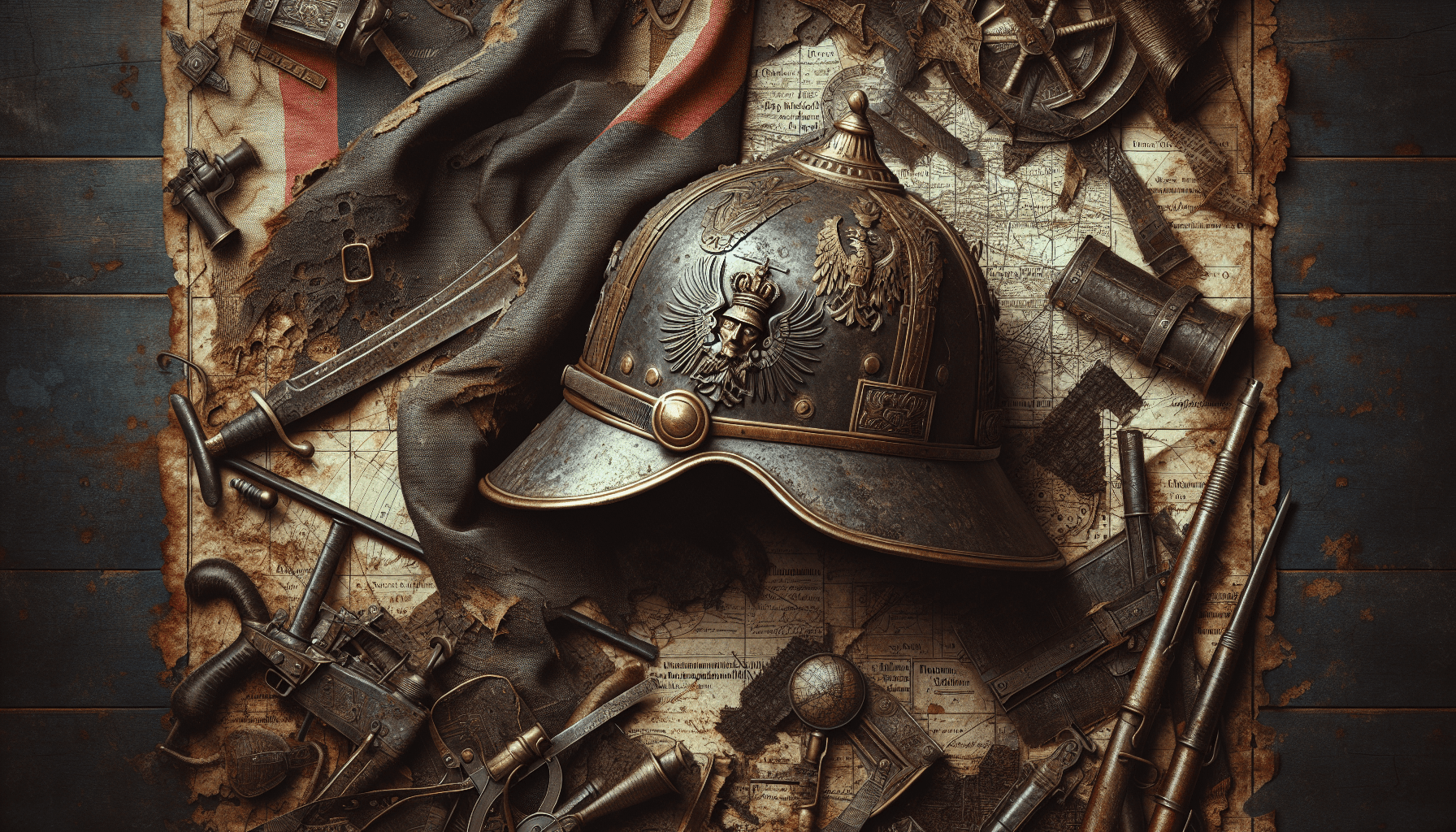
The Franco-Prussian War, which transpired from 1870 to 1871, holds significant implications for understanding European history and modern warfare. This conflict not only resulted in a dramatic shift in the balance of power, establishing Germany as a unified nation-state, but it also laid the groundwork for future geopolitical tensions, ultimately contributing to the two World Wars. The war is characterized by its unprecedented scale, with millions mobilized and new technologies reshaping the battlefield experience, thus deserving of thorough analysis and remembrance.
This article explores the multifaceted legacy of the Franco-Prussian War and its profound effects on both Germany and France. The experiences of the combatants and civilians, marked by hardships and nationalistic fervor, can be viewed as a precursor to modern militarism and the intricacies of international relations. By examining the war’s aftermath, including the feelings of humiliation and desire for revenge in France and the militaristic ambitions in Germany, one gains insights into the socio-political climate that shaped Europe in the years leading up to World War I and beyond.
Welcome to Glory & Defeat: A Comprehensive Analysis of the Franco-Prussian War

Historical Context of the Franco-Prussian War
Overview of the political landscape in Europe pre-1870
Before the Franco-Prussian War of 1870-1871, Europe was a patchwork of competing empires, kingdoms, and a burgeoning spirit of nationalism. The decline of established powers like the Ottoman Empire and the Austrian Empire set the stage for new ambitions. France, under Emperor Napoleon III, sought to restore its dominance, while Germany was fragmented into numerous states dominated by Prussia, Austria, and the myriad of smaller principalities. Tensions were palpable as both nations jockeyed for territory, influence, and the assertion of national identity.
Key alliances and rivalries leading up to the war
The political landscape was further complicated by alliances and rivalries that had formed since the Congress of Vienna (1815). The unification ambitions of Prussia were countered by the Austro-French alliance apparatus, while the Franco-Russian alliance teased out further geopolitical maneuvers. This rivalry culminated in a diplomatic crisis over the candidacy of a Hohenzollern prince for the Spanish throne, which served as a flashpoint that ignited long-standing animosities.
Nationalism and its role in the conflict
Nationalism played a pivotal role in fostering the conditions for war. The German states were animated by a desire for unification and independence from foreign influence, while France grappled with its historic identity as a continental power. The war facilitated a unifying force for German nationalists who rallied around the Prussian banner. Consequently, nationalism became a double-edged sword, inciting both fervor for unification in Germany and a fervent push for revenge in France.
Major Battles of the Franco-Prussian War
The Battle of Sedan and its consequences
The Battle of Sedan, fought on September 1, 1870, marked a pivotal turning point in the Franco-Prussian War. Prussian forces decisively defeated the French army, leading to the capture of Emperor Napoleon III. This defeat shattered French morale and precipitated the fall of the Second Empire. The effects were far-reaching, as it catalyzed a wave of militarist fervor in Germany and ushered in a new era of nation-states.
The Siege of Paris: strategies and suffering
Following the Battle of Sedan, Paris was besieged by Prussian forces from September 1870 until January 1871. The French defended the city with tenacity, yet the hardships imposed on civilians were profound. Starvation became rampant; citizens resorted to eating rats and other desperate measures. This siege illustrated not only the brutal strategies of warfare but also the profound social suffering endured by the common populace.
Key military tactics employed by both sides
Military tactics during the war showcased a blend of traditional and innovative approaches. The use of railroads allowed for rapid troop mobilization, while the implementation of new artillery such as breech-loading rifles fundamentally altered battlefield dynamics. Prussia’s strategy thrived on its superior organization and communication which ultimately outmaneuvered French forces, exemplifying the transition to modern warfare.
Impact on Civil Society
Socioeconomic effects on France and Germany
The socioeconomic consequences of the Franco-Prussian War were stark and enduring. France faced significant economic hardship as a result of war indemnities, heightened taxation, and the loss of territories like Alsace-Lorraine. In contrast, Germany basked in a newfound sense of economic vigor, as industrial capital surged in the wake of unification, disrupting traditional socioeconomic structures.
The role of civilians in wartime
Civilians were not mere spectators; they played critical roles in both combat and maintaining the home front. Parisian women organized feeding efforts during the siege, while German civilians contributed to the war effort by providing goods and services. The war forced both nations to grapple with the concept of total war, wherein the entire society’s efforts were mobilized towards achieving victory.
Post-war societal changes in both nations
The aftermath of the Franco-Prussian War instigated profound societal changes. In France, the devastation spurred a cycle of political upheaval culminating in the establishment of the Third Republic, defined by a more radical and participatory political ethos. Meanwhile, Germany embraced a new imperial identity, increasingly characterized by militaristic fervor and a booming nationalistic sentiment.
Military Innovations and Developments
Introduction of modern weaponry and tactics
The Franco-Prussian War served as a harbinger of modern military technology. Innovations such as the Dreyse needle gun transformed infantry tactics, while artillery improvement enabled unprecedented destructive capacity. The tactical deployments during the conflict forced military leaders to rethink strategies that had been in place for centuries.
Importance of railroads and logistics in warfare
The integration of railroads into military logistics revolutionized troop movement and supply chains. The Prussian ability to mobilize forces efficiently via rail enabled them to project power more effectively than ever before. This transformation underscored the interconnectedness of transportation infrastructure and military efficacy, which would be critical in future conflicts.
Case studies of technological advancements during the conflict
Prominent technology during the conflict included the use of telegraph lines for communication and more advanced cannons such as the Krupp gun. These innovations not only dictated the particulars of battlefield engagements but also foreshadowed future warfare techniques that would dominate in the 20th century.
The Birth of the German Empire
The unification process and its significance
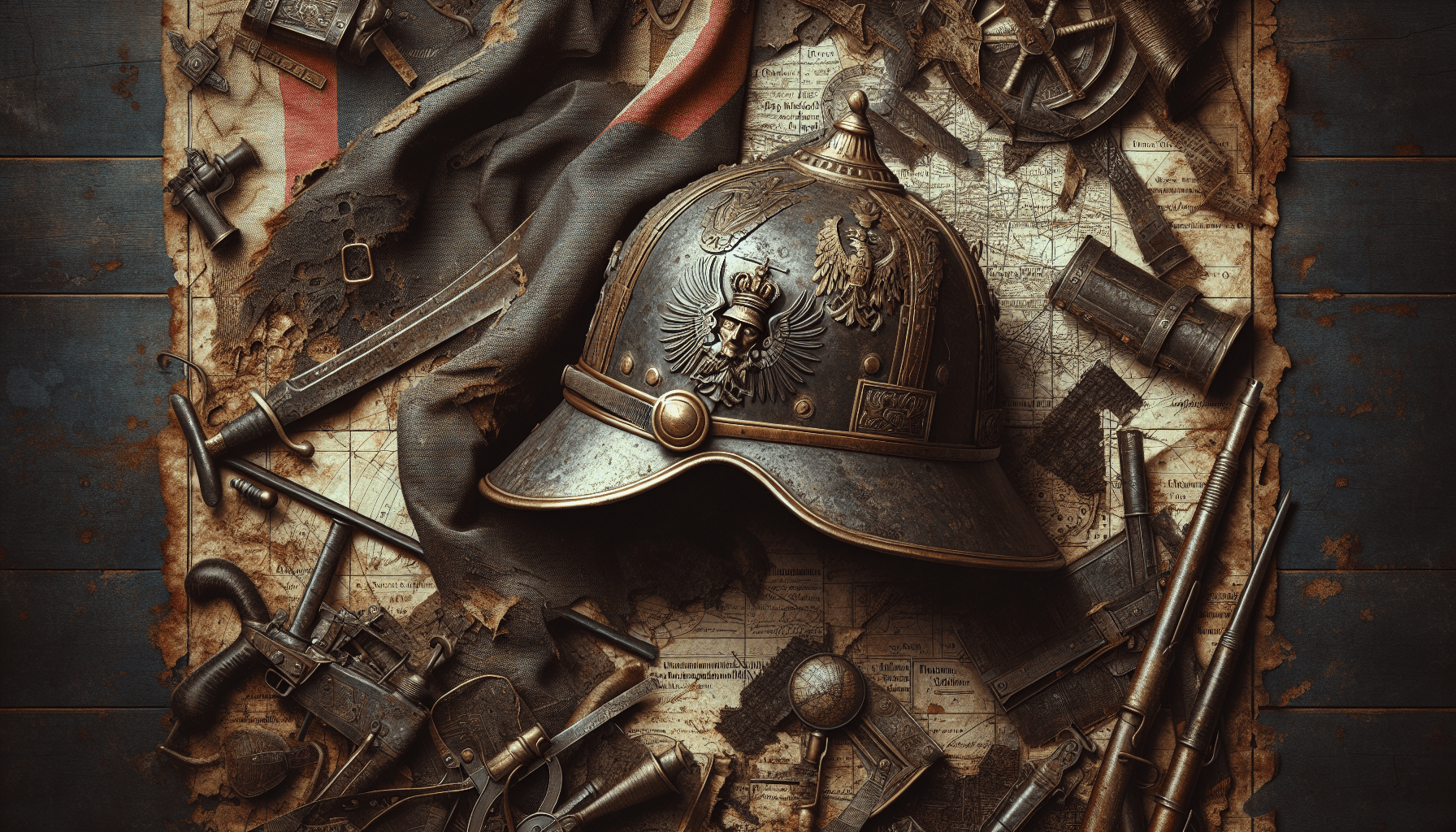
The victory in 1871 catalyzed the unification of Germany into a single nation-state, a moment that would dramatically alter European dynamics. The establishment of the German Empire presented a powerful new player on the continental stage and served as a template for the nation-state model rooted in militaristic and nationalistic ideologies.
Key figures in the creation of the German Empire
Key figures such as Otto von Bismarck emerged as architects of this unification, adeptly leveraging diplomacy, war, and public sentiment. Bismarck’s pragmatic realpolitik allowed him to deftly navigate the complexities of multiple German states and build a cohesive national identity — one defined by a powerful, centralized authority.
Consequences of unification for Europe
The establishment of the German Empire destabilized the existing power equilibrium that had characterized Europe. It ignited fears among neighboring countries, increased militarization, and fueled competition for colonial and continental dominance. This new geopolitical reality would lay the groundwork for tensions that would exacerbate the outbreak of World War I.
France’s Political Transformation
The fall of the Second Empire and rise of the Third Republic
The collapse of the Second Empire post-Sedan brought about the rise of the Third Republic, characterized by a push for democratic governance and civil liberties. However, the newly formed republic was marred by internal strife, instability, and the shadow of military defeat, which profoundly shaped its character in years to come.
The Paris Commune: causes and repercussions
The Paris Commune of 1871, which arose in the aftermath of the war, illustrated the struggle between radicalism and traditional authority. Citizens sought to establish a socialist government, reflecting deep societal fractures and resentment toward the state. The subsequent violent suppression of the Commune by the French government symbolized the turbulent transition toward a more stable but constrained political system.
Long-term political impacts of defeat on France
The defeat in the war engendered a national trauma that resonated through French politics. The desire for revenge catalyzed foreign policy and military strategies for decades, embedding a sense of grievance into the national psyche. The legacy of defeat positioned France as a nation keen on reasserting itself, culminating in the alliances and strategies employed leading into World War I.
Cultural Memory and Patriotism
How the war shaped national identities in Germany and France
The Franco-Prussian War forged a new cultural identity in Germany, one where military might and national pride became intertwined. Conversely, France experienced a cultural shift marked by the desire for restoration and vindication. The collective memory of the war became a lens through which national identities were constructed and reimagined in both countries.
Veterans’ narratives and their societal role
Veterans of the conflict became key figures in shaping public discourse, often romanticizing their experiences amid the war’s brutality. Their narratives contributed to the formation of national myths and public memory, serving both as cautionary tales and sources of pride that influenced the political landscape for years.
Cultural expressions of memory: literature, art, and film
The Franco-Prussian War permeated various cultural expressions, with literature, art, and film reflecting the shifting sentiments in both nations. Writers and artists captured the horror, glory, and enduring scars of the conflict, thus embedding the experiences of war into the cultural consciousness and facilitating a dialogue that continues to this day.
Legacy of the Franco-Prussian War
Impact on World War I and World War II
The legacies of the Franco-Prussian War were profound and far-reaching. The nascent militaristic fervor in Germany and the desires for revenge in France underpinned the alliances and hostilities that would eventually ignite World War I. Furthermore, the unresolved grievances from both wars would contribute to the conditions that sparked World War II.
Long-term geopolitical changes in Europe
The war’s outcome fundamentally altered the geopolitical map of Europe, as Germany emerged as a formidable power, prompting other nations to reevaluate their strategies and alliances. The push for hegemonic dominance in Europe sowed the seeds for future conflicts, starkly illustrating the interconnectedness of national ambitions.
Lessons learned from the conflict for future generations
The critical lessons of the Franco-Prussian War emphasize the violent repercussions of unchecked nationalism and militarism. It serves as a poignant reminder of the necessity for diplomacy and conflict resolution in an increasingly globalized world. Reflecting on history allows future generations to circumvent the missteps of the past and seek cooperative pathways.
Militarism and Nationalism in Post-War Europe
The rise of militaristic ideologies in Germany
In the post-war climate, militarism became deeply entrenched in German society and governance. The euphoria surrounding the creation of the German Empire was marked by an obsession with military prowess that would influence policies and societal norms for decades, ultimately leading to detrimental consequences.
Trauma and militarism in French society
The psychological impact of loss and humiliation also manifested in France, where collective trauma prompted a resurgence of militarism aimed at restoring national pride and security. This militaristic energy reinforced domestic policies and shaped France’s approach toward foreign affairs, particularly as it sought alliances to counter the German threat.
The search for alliances and future conflicts
Emerging from the Franco-Prussian War, both nations sought alliances that would shape future conflicts. France’s alignment with Russia, for instance, was a direct response to the geopolitical landscape fostered by the war. Such alliances reflected the ongoing cycle of animosity and distrust, laying the groundwork for tensions that would define 20th-century Europe.
Conclusion
Summarization of the war’s importance
The Franco-Prussian War represents a critical juncture in European history, symbolizing the tumultuous interplay of nationalism, militarism, and geopolitical reshuffling. Its significance extends beyond the battlefield, as it catalyzed societal transformation and a shift in the balance of power on the continent.
Reflection on the cyclical nature of history
History often reveals a cyclical nature whereby the consequences of past conflicts reverberate into future generations. The lessons derived from the Franco-Prussian War serve as a vital reminder of the necessity for vigilance in addressing the complex interplay of nationalism, militarism, and statecraft to avoid repeating history’s darkest chapters.
Call to remember and learn from the lessons of the past
The legacies of the Franco-Prussian War compel us to remain engaged in understanding the past while striving toward a more peaceful future. As we reflect on the narrative of glory and defeat, it is essential to remember the lessons learned and commit ourselves to fostering dialogue and cooperation in an increasingly interconnected world.