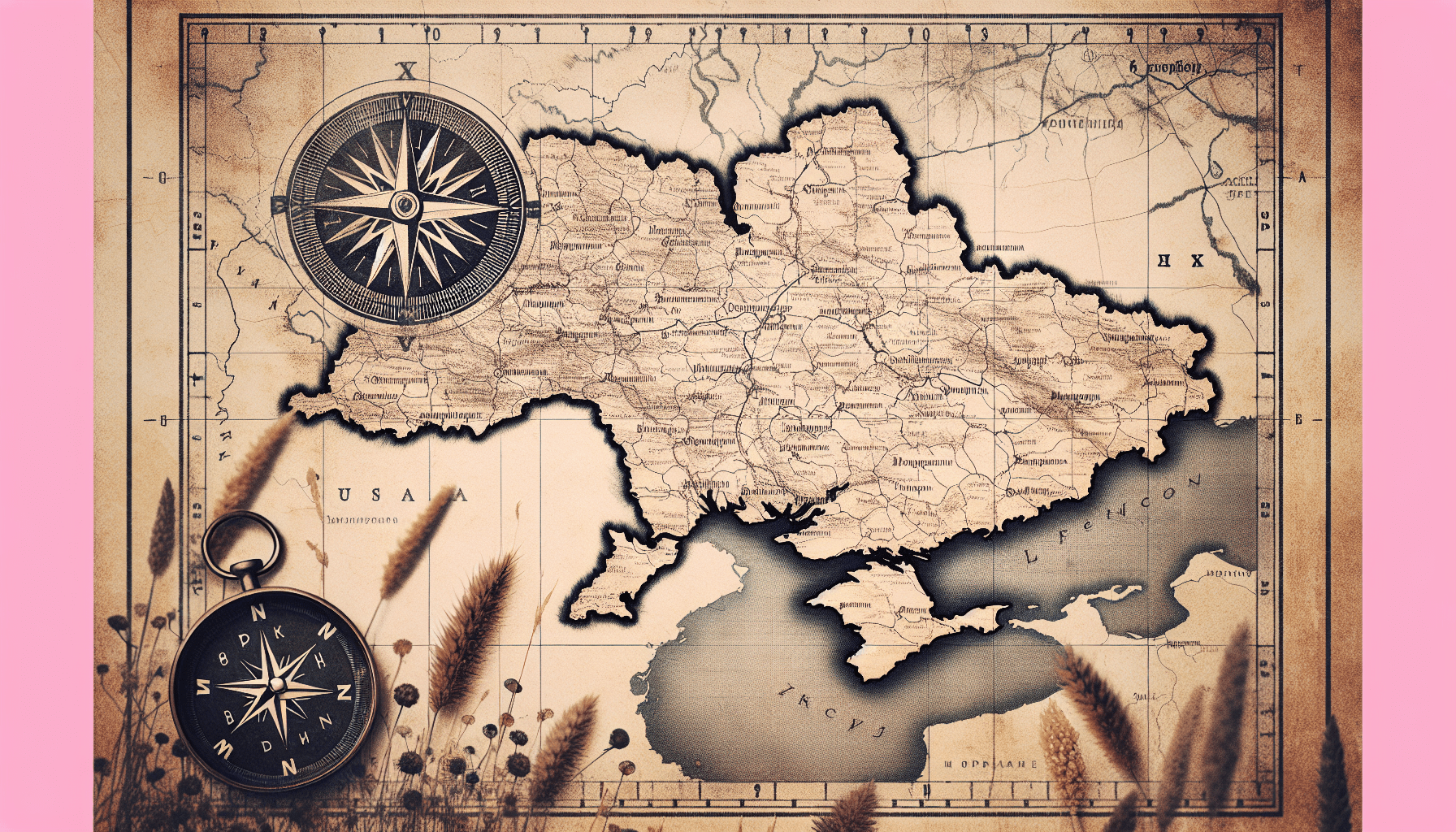
The ongoing conflict between Ukraine and Russia has recently seen a significant shift, particularly with Ukraine gaining territory in the Kursk region. This article will analyze the implications of recent troop movements near the Ukraine-Belarus border, assess the strategic landscape of the war, and discuss the unfolding dynamics along the entire frontline. Key contributors to this analysis include military experts who emphasize the operational challenges faced by both nations amid fluctuating troop deployments and logistical issues.
Furthermore, critical developments such as the diversion of Russian forces, unexpected Ukrainian offensives, and Belarus’ military posture will be explored. The complexities of resupply issues for Russian troops, coupled with increasing civilian evacuations in the Kursk area, further complicate the operational climate. This comprehensive update seeks to provide an objective overview of the war, highlighting important information for understanding the evolving situation in this conflict.
Overview of Territorial Gains

Recent Ukrainian Advances in the Kursk Region
In recent weeks, you may have observed significant territorial gains by Ukrainian forces in the Kursk region, an area that has historically been of strategic importance to both Ukraine and Russia. Reports indicate that Ukrainian troops have successfully liberated approximately 1,250 square kilometers of territory, thereby altering the geographical and operational landscape of the ongoing conflict. These advancements are not merely symbolic; they disrupt Russian defensive postures and create opportunities for Ukraine to exploit weaknesses within enemy lines.
Impact of Territorial Changes on War Dynamics
The alterations in territorial control inherently influence the dynamics of warfare. With Ukraine’s territorial acquisitions, the balance of power on the battlefield has subtly shifted. The diversion of Russian forces towards the Kursk front, estimated at around 30,000 troops, signifies a response to this new Ukrainian initiative. This influx of Russian military resources to the Kursk region underscores the significance of the territory, but it also stretches Russian capabilities, complicating their strategic situation. As troops shift, the potential for openings in other areas of the front grows, suggesting that effective exploitation of these conditions could yield further Ukrainian gains.
Strategic Significance of Gained Territories
Gained territories within the Kursk region are not merely points on a map but strategically pivotal locations that enhance operational flexibility for Ukrainian forces. Control over these areas may offer better logistical support and command and control structures while enabling more efficient movement of troops and supplies. Moreover, the psychological impact on both the Russian military and local populations cannot be understated; increased Ukrainian presence may embolden further resistance efforts and lead to shifts in local sentiments against the occupying forces.
Troop Movements Analysis
Recent Troop Movements Near the Ukraine-Belarus Border
Monitoring troop movements near the Ukraine-Belarus border, you will find that recent escalations have sparked concerns regarding potential aggression from Belarus. Reports suggest that Belarusian forces have begun massing troops and equipment along the border, raising alarms about possible involvement in the conflict on behalf of Russia. The motivations behind these movements remain multi-faceted, involving regional security concerns and the potential for direct engagement.
Redistribution of Russian Forces to the Kursk Front
The recent reassignment of Russian troops to the Kursk front is a crucial element in understanding the evolving operational landscape. As approximately 30,000 personnel have been redirected from other fronts to support Russian operations in Kursk, it becomes increasingly apparent that the Kremlin is prioritizing this region. However, with estimates suggesting that around 500,000 Russian troops remain engaged across Ukraine, the strategic calculus becomes complex; how sustainable is this reallocation amidst other ongoing military commitments?
Estimated Troop Levels: Ukraine vs. Russia
When assessing the comparative strength of Ukrainian and Russian forces in the Kursk area, you will notice that estimates vary significantly. Ukraine currently fields between 8 to 10 brigades, totaling roughly 15,000 soldiers in the Kursk theater. In contrast, while Russian forces have been identified at approximately 30,000 in Kursk, the difficulty in precisely gauging operational readiness and morale remains. The stark numerical imbalance, combined with logistical challenges faced by Russia, complicates any direct comparisons between the forces.
Ukrainian Operational Capacity
Current Deployment of Ukrainian Brigades in the Kursk Area
Your understanding of the Ukrainian order of battle in Kursk reveals a carefully calibrated deployment strategy. With 8 to 10 brigades stationed in the area, Ukrainian forces exhibit a commitment to both offensive operations and defensive positioning. Utilizing interior lines of communication, these troops are able to operate with expedience, enabling them to respond swiftly to shifts in the battlefield landscape.
Challenges Faced by Ukrainian Forces
Despite these advancements, Ukrainian forces encounter a myriad of challenges. Chief among these are issues related to troop logistics, supply line management, and modern warfare complexities. The dual necessity to maintain momentum while safeguarding supply chains is essential; mistakes in either area can lead to operational failures. Additionally, the Ukrainian military must remain cognizant of Russian counteractions, which could exploit any perceived weaknesses in their operations.
Advantages in Communication and Supply Lines
You will note that one significant advantage for Ukrainian forces is the ability to utilize interior supply lines. This tactical benefit enables seamless logistical operations, allowing troops to draw from centralized resources swiftly. This dynamic can enhance responsiveness during rapid offensives or critical defensive maneuvers, effectively allowing Ukrainian forces to outmaneuver their adversaries in selective engagements.
Surprise Offensive Tactics
Methods of Deception in Troop Movements
Recent Ukrainian operations have illustrated the efficacy of surprise tactics, particularly through deception in troop movements. By selectively managing information and disguising troop build-ups, Ukrainian leaders have been able to catch Russian forces off guard, exploiting their assumptions about Ukrainian intentions. The careful orchestration of these operations speaks to a sophisticated understanding of both operational security and psychological warfare.
Successful Surprise Attacks on Russian Positions
Your review of the unfolding conflict reveals instances where Ukrainian forces successfully executed surprise attacks. By integrating intelligence-gathering and real-time surveillance capabilities, Ukraine has highlighted the vulnerabilities of Russian defensive installations, allowing targeted assaults that have led to significant operational successes and troop captures. These tactics have, in many cases, translated into strategic windfalls, enhancing Ukrainian negotiating power.
Lessons Learned from Recent Offensives
In analyzing these recent campaigns, you will discern that lessons regarding deception and operational planning are critical for future engagements. The importance of flexibility in strategic planning, combined with the element of surprise, has proven essential. Moreover, maintaining robust intelligence operations to inform key decisions and actions could yield dividends in subsequent military engagements.
Challenges for Russian Military Logistics

Impact of Ukrainian Attacks on Supply Routes
The ramifications of Ukrainian assaults on Russian supply routes have been profound. Strategic strikes aimed at vital infrastructure have disrupted the flow of resources critical for sustaining Russian operations. Destruction of bridges and supply depots has forced Russian commanders to reassess logistical pathways, further complicating their military endeavors.
Destruction of Critical Infrastructure
Understanding the implications of targeted strikes on critical infrastructure offers insights into the broader conflict. Ukrainian operations focused on key logistical choke points have rendered previously reliable routes inaccessible, leading to resupply difficulties for Russian forces. The approach underscores a strategy of targeting not just enemy troops but the systems that support them, thereby magnifying the impact of individual strikes.
Consequences for Russian Troop Movements
The logistical breakdown resultant from effective Ukrainian operations carries immediate consequences. With essential supply lines compromised, Russian troop movements become hampered, diminishing their capacity for rapid deployment or reinforcement. This reality places additional strain on Russian military operations and may influence overall strategic stability in the region.
Civilian Evacuations and Impacts
Current Evacuations from the Kursk Region
In response to mounting conflict, it has come to your attention that large-scale civilian evacuations are underway in the Kursk region. Estimates suggest that between 100,000 to 200,000 residents are being relocated due to the escalating violence. This mass exodus not only reflects the deteriorating security situation but also complicates military logistics for Russian forces, as civilian traffic clogs potential supply routes.
Effects on Military Logistics and Operations
The practical impacts of civilian evacuations extend into the realm of military operations. As Russian troops struggle to maintain logistical efficiency amid increased civilian congestion, operational agility is likely hampered. This scenario raises complex questions regarding resource allocation and prioritization during military operations, as the safety of civilians must be balanced against the necessity of effective troop movements.
Humanitarian Implications of Evacuations
You cannot overlook the humanitarian dimensions of civilian evacuations. The large-scale movement of people exacerbates an already dire situation, creating potential crises in host regions while straining resources further afield. These evacuations may lead to long-lasting societal impacts, as displaced populations face uncertain futures both within and outside their native lands.
Prisoner Exchange Developments
Recent Prisoner Swaps Between Ukraine and Russia
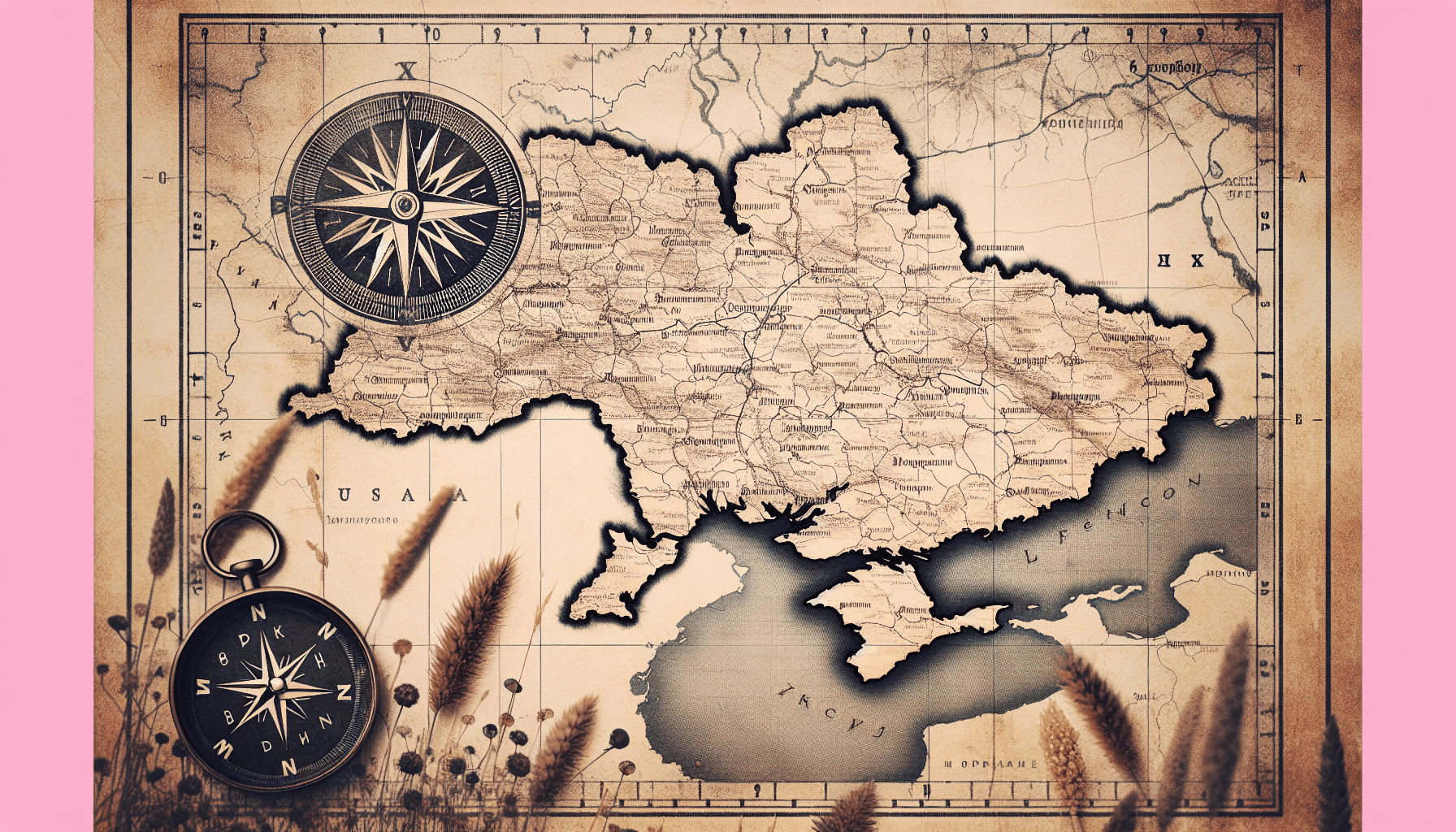
The conduct of prisoner exchanges has become a notable aspect of the ongoing conflict, with recent swaps illustrating the complexities involved. These exchanges not only embody a humanitarian gesture, but they also serve strategic purposes for both sides, impacting morale and domestic perceptions.
Insights into Captured Russian Soldiers
Analyzing the profiles of captured Russian soldiers can provide valuable insights into Russian military effectiveness and operational vulnerabilities. The integration of intelligence gained through interrogations may yield critical information regarding Russian troop strategies, deployments, and overall morale, further influencing operational dynamics on the battlefield.
Strategic Implications of These Exchanges
From a strategic perspective, the frequency and context of these exchanges suggest an ongoing struggle for narrative control. As both Ukraine and Russia utilize these opportunities to frame their respective positions in the conflict, the implications stretch beyond the immediate impact on military readiness. The perceptions forged through these exchanges can influence international views and support for either side.
Increased Tensions with Belarus
Massing of Belarusian Troops Along the Border
The increase in Belarusian troop concentrations along the border with Ukraine indicates heightened tensions that could exacerbate the situation further. As Belarusian forces bolster their presence, the potential for escalation looms large, necessitating keen observation and preparation from Ukrainian commanders. The implications of this militarization may reflect Belarus’ alignment with Russian objectives, complicating an already intricate conflict.
Potential for Escalation and Military Actions
Your understanding of this situation includes the potential for direct military actions fueled by Belarusian involvement. Should tensions escalate, the dynamics of the conflict may shift significantly. The possibility of coordinated military operations from Russian and Belarusian forces could present formidable challenges for Ukraine, requiring adaptive strategies to counteract widened fronts of engagement.
Ukrainian Preparations for Possible Belarusian Incursions
In anticipation of potential incursions from Belarus, Ukrainian forces have undertaken extensive preparations. Enhancements to border defenses, coupled with strategic fortifications, illustrate a proactive approach to counter the perceived threat. The integration of minefields and tactical redeployments emphasizes a readiness to confront multi-layered offensive operations.
Geopolitical Context and Maneuvering
Belarus’s Relationship with Russia
The relationship between Belarus and Russia plays a crucial role in shaping the current geopolitical landscape. Historically, Belarus has aligned itself with Russian interests, offering a base of operations for Russian military initiatives. This alliance complicates Ukraine’s strategic calculations in its ongoing conflict, as Belarusian support, both explicit and implicit, carries significant weight in regional stability.
Emerging Ties with Other Powers Like China
As you scrutinize the broader context of the conflict, it is clear that Belarus is also navigating relationships with other powers, such as China. This quest for diversification in alliances may serve as a strategic maneuver to balance Russian influence and tap into alternative partnerships. These emerging ties bear scrutiny, as they could influence Belarus’s support for Russian objectives and overall regional security.
Implications for the Ukraine Conflict
The entangled relationships and alliances in this area reveal multi-dimensional implications for the Ukraine conflict. The interplay between Belarus, Russia, and third-party actors like China could redefine strategies and outcomes, necessitating vigilant attention to shifts in allegiances and support structures.
Conclusion
Summary of Key Findings
In summarizing the developments observed, it is clear that Ukraine’s territorial gains in the Kursk region represent a significant shift in the operational landscape. The complexities presented by troop movements, logistical challenges, and geopolitical maneuvers weave a tapestry of ongoing change in the region.
Reflection on Long-Term Implications for Ukraine and Russia
The long-term implications for both Ukraine and Russia extend into the realms of military strategy, civilian welfare, and regional geopolitics. Shifts in territorial control not only influence immediate operational capabilities but also set the stage for future encounters, influencing the strategic thinking of military planners on both sides.
Importance of Ongoing Monitoring and Updates
As you reflect on these points, the importance of continued monitoring and analysis cannot be overstated. The evolving nature of warfare in Ukraine requires an adaptive understanding of both tactical shifts and strategic intentions, laying the groundwork for informed discourse in the face of ongoing conflict.