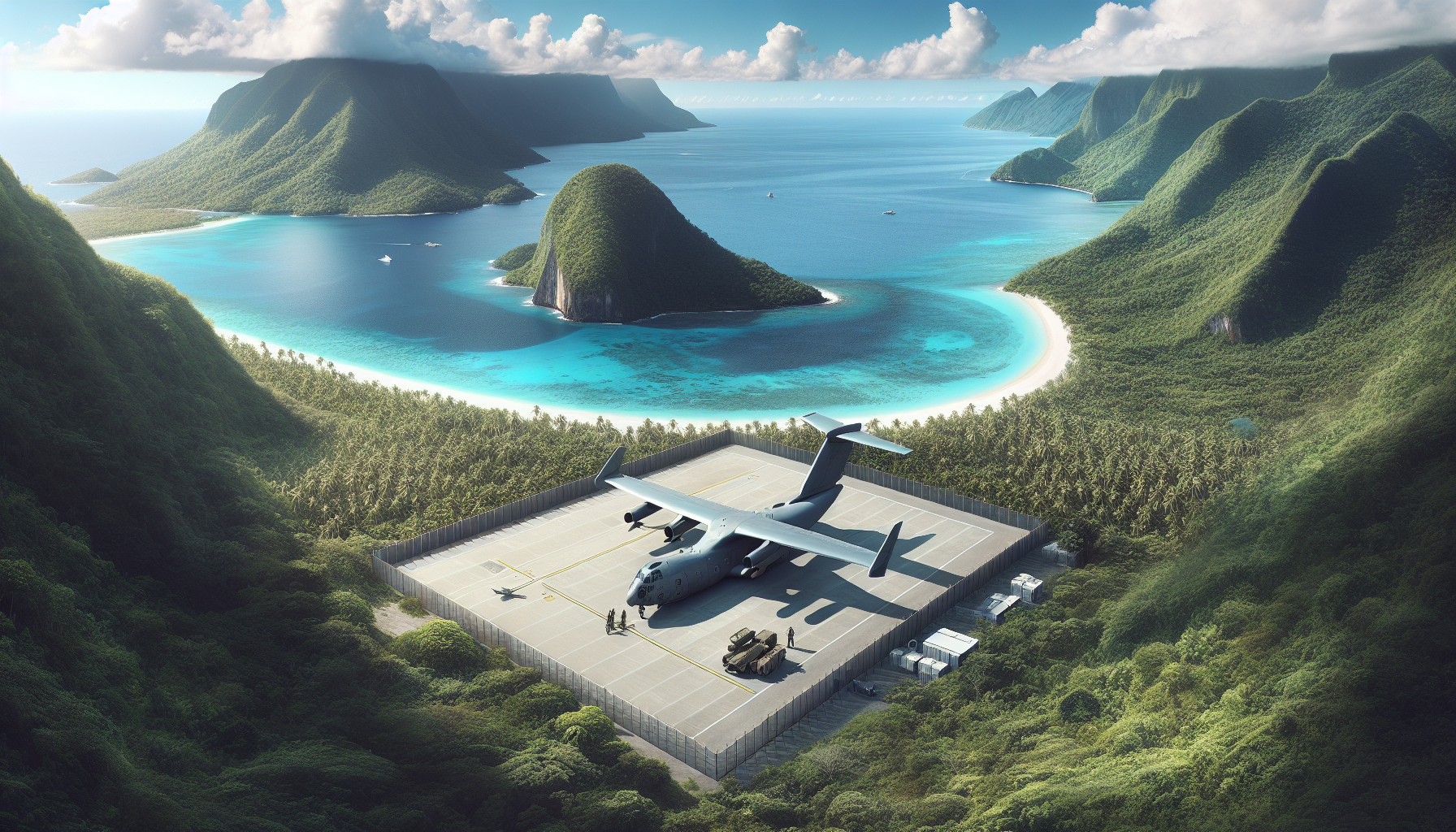
The U.S. military’s strategic maneuvers in the Caribbean and Latin America have recently gained prominence with the reopening of several key bases in locations such as Puerto Rico, the Dominican Republic, and Colombia. This realignment is primarily driven by the need for enhanced operational access and responsiveness in a region increasingly influenced by the geopolitical dynamics of China. The implications of these actions extend beyond mere military logistics, reflecting a broader objective to reassert U.S. presence and interests in a critical area of global significance.
This article examines the factors influencing the U.S. military’s return to this region, including the shifting focus from traditional bases to more flexible access points. It also explores the specific roles of Marine and Navy forces now engaged in operations across various bases, as well as the intricate political landscape surrounding these developments. Ultimately, the reopening of these bases reveals profound insights into contemporary military strategy amidst evolving global challenges.
Overview of U.S. Military Presence in the Caribbean
Historical Context of U.S. Military Bases in the Caribbean
The historical engagement of the United States in the Caribbean can be traced back to the late 19th and early 20th centuries, characterized by territorial acquisitions and military interventions. Initially motivated by strategic interests, such as the construction of the Panama Canal and the need to protect trade routes, the U.S. established military bases throughout the region. Bases in Guantanamo Bay, Cuba, and various sites in Puerto Rico underscore a legacy of American military dominance aimed at ensuring regional stability and projecting power. Over decades, these installations have served to respond to the dual threats of local insurgencies and global conflicts, thereby solidifying U.S. influence in Central and South America.
Importance of Caribbean Region in U.S. Defense Strategy
The Caribbean region represents a crucial element in U.S. defense strategy due to its geographic proximity to both North and South America, as well as its pivotal role in maritime trade routes. The Caribbean’s waterways serve as key passages for goods and energy resources, making it an area of strategic significance in securing economic interests. Furthermore, the Caribbean Basin is critical for monitoring and countering emerging threats, including drug trafficking, organized crime, and potential state adversaries, thus necessitating a continuous military presence.
Current Status of U.S. Military Operations in the Region
In recent years, U.S. military operations in the Caribbean have experienced fluctuations based on geopolitical developments and emerging security challenges. Recent initiatives have shifted focus from permanent bases to a more flexible model of access to strategic locations. This model emphasizes rapid deployment capabilities and collaboration with regional allies, responding to evolving threats and strengthening deterrence measures. The return to reopening bases showcases a commitment to revitalizing operations amidst growing concerns over increasing influence from non-Western powers, particularly China.
Key Bases Being Reopened
Puerto Rico: A Vital Strategic Location
Puerto Rico remains a cornerstone of U.S. military strategy in the Caribbean. Its geographic positioning allows for swift deployment of forces throughout the region, offering a strategic foothold. The island’s infrastructure and facilities facilitate logistical support, humanitarian aid, and disaster response operations. In light of recent geopolitical tensions, the revamping of military capabilities in Puerto Rico ensures that the U.S. can maintain readiness and agility in addressing various security challenges.
Dominican Republic: Access and Implications
The Dominican Republic’s proximity to major trade routes and its regional influence make it an essential partner for U.S. military operations. The reopening of bases here provides critical access for joint training exercises and intelligence-sharing initiatives, enhancing collaborative efforts among regional military forces. This strategic partnership not only bolsters security but also promotes stability in a geographically vulnerable area subject to the influence of external actors.
Panama: Logistics and Canal Security
Panama holds significant strategic importance, chiefly due to the Panama Canal, a vital conduit for international maritime trade. The reopening of military bases in Panama aims to ensure the security and uninterrupted flow of goods through this critical waterway. Moreover, a renewed U.S. military presence reinforces the nation’s commitment to regional security and economic stability while fostering cooperative relationships with Panamanian authorities.
El Salvador: Countering Regional Threats
The U.S. presence in El Salvador focuses on countering transnational threats, including drug trafficking and gang violence. The reopening of military bases aims to enhance El Salvador’s capabilities in dealing with these pervasive issues. Through training, equipment support, and intelligence sharing, U.S. forces are positioned to play a vital role in enhancing local security efforts and addressing the root causes of instability.
Colombia: Collaborations in Anti-Narcotics
Colombia has long been a focal point for U.S. counter-narcotics initiatives. The plan to reopen military bases aligns with ongoing efforts to combat drug cartels and insurgency groups. Collaborative operations with Colombian military forces aim to dismantle narcotics production and trafficking networks. The presence of U.S. military personnel also facilitates intelligence-gathering operations crucial for both nations’ security interests.
Ecuador: The Significance of Manta Base
The Manta Air Force Base in Ecuador previously served as a strategic site for U.S. military operations in the region. With the renewed interest in reopening this installation, U.S. forces will regain a critical vantage point for intelligence operations, maritime surveillance, and humanitarian assistance initiatives throughout the Pacific coast of Latin America. The implications of Manta’s reopening extend to counter-narcotics efforts as well, reinforcing a unified front against drug trafficking.
Guyana: Strengthening Ties and Capabilities
Guyana’s strategic location on the northeastern coast of South America provides a crucial link in U.S. defense strategy. The reopening of military installations here will bolster U.S.-Guyana relations and serve to establish a stronger security framework in the region. Joint operations not only enhance military readiness but also create avenues for improving local defense capabilities against external threats.

Strategic Importance of Reopening Bases
Regional Security Dynamics
Reopening military bases in key Caribbean nations signals a revitalized commitment to addressing regional security dynamics. The strategic presence of U.S. forces enhances deterrence measures against potential adversaries and fosters collaboration with regional partners. This presence also aids in stabilizing neighboring countries, contributing to a collective security framework that addresses both traditional and non-traditional security challenges.
Response to Increasing Chinese Influence
The growing influence of China in Latin America poses significant concerns for U.S. interests. China’s investments in infrastructure and military cooperation threaten traditional U.S. dominance in the region. By reopening bases, the U.S. can effectively counteract these initiatives through enhanced partnerships and military cooperation, ensuring that it retains a competitive edge within the geopolitical landscape of the Caribbean and Latin America.
Support for Counter-Terrorism Efforts
The U.S. military’s renewed focus on reopening bases provides vital support for counter-terrorism initiatives aimed at tackling extremist groups that may find refuge in the Caribbean Basin. Enhanced military presence allows for closer coordination with local law enforcement and military agencies to combat radicalization and thwart potential threats before they escalate. This proactive approach enhances overall regional security.
Enhancing Disaster Response Capabilities
The Caribbean region is particularly susceptible to natural disasters, including hurricanes and earthquakes. Reopening military bases enables the U.S. to deploy humanitarian assistance and disaster relief swiftly, regardless of the scale of the emergency. By strengthening disaster response capabilities, the military reinforces its role as a key partner in crisis management, enhancing the resilience of affected communities.
Impact of Chinese Expansion in the Region
Overview of China’s Growing Presence in Latin America
In recent years, China has intensified its engagement with Latin American countries through investment, trade, and diplomatic initiatives, positioning itself as a formidable player in the region. Major infrastructure investments, coupled with offers of military cooperation, indicate a strategic motive behind China’s increasing influence. This shift reflects a broader pattern of Chinese attempts to expand its global footprint, as Latin American countries view engagement with China as an opportunity for economic benefit and development.
Potential Threats to U.S. Interests
As China’s economic and political reach expands, U.S. interests in Latin America may come under threat. This expansion could lead to shifts in alliances, diminishing U.S. influence in favor of Chinese leadership. Such changes could weaken U.S. partnerships and complicate regional security scenarios, particularly in areas like drug trafficking, arms proliferation, and humanitarian crises. Unchecked, China’s influence may start to reshape the geopolitical dynamics of the Caribbean, jeopardizing U.S. strategic interests.
Strategies to Counteract Chinese Initiatives
In light of these challenges, the U.S. must formulate strategies to counteract Chinese initiatives in the Caribbean. This involves reaffirming commitments to regional partners through economic assistance, joint military exercises, and strategic investments. By strengthening diplomatic ties and offering competitive alternatives to Chinese financing, the U.S. can reinforce its presence and interests while fostering stability and growth in the Caribbean region.

U.S. Military’s New Approach: Access Over Bases
Transitioning from Permanent Bases to Temporary Access
As U.S. military strategy evolves, there has been a notable transition from maintaining permanent bases to establishing temporary access to strategic locations. This approach affords greater flexibility in deployment and operability, allowing U.S. forces to adaptively respond to fluctuating security challenges. By reinforcing alliances based on access rather than stationing troops permanently, the military can optimize resources and improve responsiveness.
Benefits of Flexible Deployment Strategies
The shift to flexible deployment strategies enhances operational efficiency and cost-effectiveness. Rapid response capabilities, enabled through temporary access, minimize the time required to mobilize resources and personnel in crisis situations. This adaptability is vital in an increasingly complex geopolitical environment where threats can rapidly evolve, necessitating precise and timely military action.
Operational Efficiency and Rapid Response
By prioritizing access over fixed bases, the U.S. military can enhance operational efficiency while minimizing the burden of large-scale troop deployments. This strategy equips commanders with a suite of resources at their disposal, allowing for a tailored response based on operational needs. Consequently, the U.S. emerges as a more agile and responsive actor in the region, ready to provide assistance, conduct military operations, or engage in training exercises with allied forces.
Operational Plans for the Reopened Bases
Types of Military Operations Planned
The reopening of military bases in the Caribbean will facilitate a range of military operations focused on security, humanitarian assistance, and regional stability. Training exercises, intelligence collection, and anti-drug operations serve as priority initiatives, fostering collaboration among U.S. forces and regional partners. The variety of planned operations underscores a comprehensive approach to safeguarding U.S. interests while promoting collective security.
Joint Exercises with Regional Allies
The revitalized bases will serve as venues for joint military exercises with regional allies, enhancing interoperability and fostering camaraderie among participating forces. These exercises are designed to address specific regional security challenges, including counter-terrorism, disaster response, and maritime security. Enhanced collaboration will strengthen bilateral relationships and collective capabilities, thereby supporting shared security objectives.
Focus on Intelligence and Surveillance
A critical operational focus of the reopened bases will be enhancing intelligence and surveillance capabilities across the region. By leveraging advanced technologies and sharing intelligence with local governments, the U.S. can build robust situational awareness to preemptively address potential threats. This focus on intelligence operations complements broader military objectives and bolsters the U.S. role as a key player in promoting regional stability.
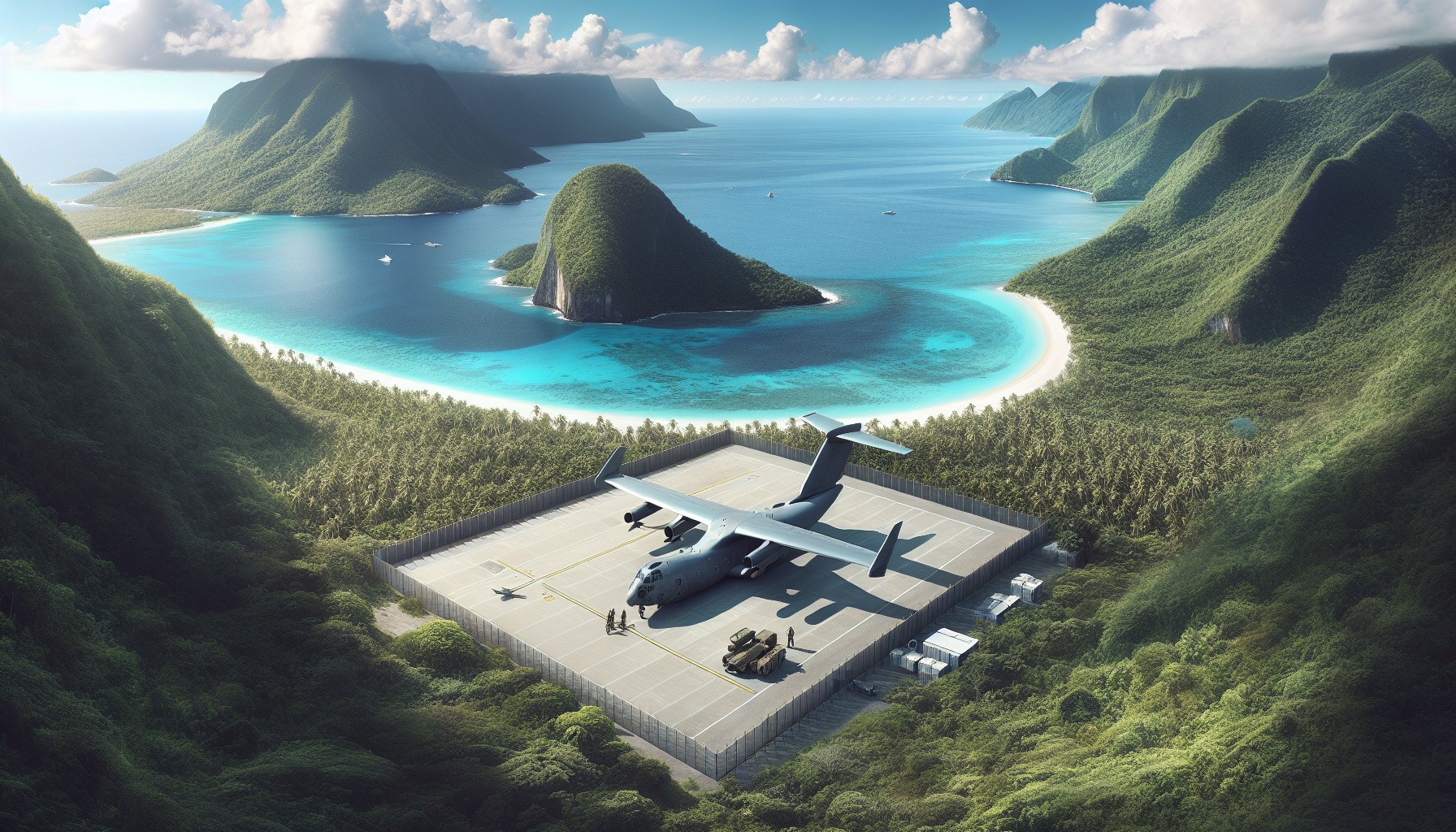
Political Considerations and Challenges
Domestic Concerns Within Host Countries
The reopening of military bases in the Caribbean is not without political controversy. Domestic concerns in host countries—ranging from sovereignty issues to public opposition—can pose significant challenges. Local communities may view the presence of foreign military personnel with skepticism, fearing potential infringements on sovereignty and civil liberties. Policymakers must navigate these concerns delicately while reinforcing the security benefits of renewed cooperation.
Influence of Local Political Climates
Each Caribbean nation possesses a unique political climate that shapes attitudes toward U.S. military presence. Changes in government, shifts in public opinion, or evolving relationships with other powers can impact the U.S. military’s engagement strategy. Therefore, it is vital to build and maintain robust diplomatic relationships while fostering open dialogue with local constituents about shared security interests.
International Relations and the Geopolitical Landscape
Reopening military bases will also necessitate careful consideration of international relations and the geopolitical landscape. While the primary focus is on countering threats from adversarial nations, cooperation with regional partners must be approached with sensitivity to their own relationships with other global powers. Striking a balance between U.S. interests and regional sovereignty will be essential for long-term success in military endeavors.
Economic Implications for the Region
Investment Opportunities Linked to Military Bases
The reopening of military bases can unlock various investment opportunities for host countries. U.S. military presence often attracts additional foreign investment, leading to local development initiatives, infrastructure improvement, and increased opportunities for regional businesses. As the U.S. government invests in base modernization, host nations can capitalize on economic growth resulting from foreign military investment.
Potential for Job Creation and Local Economies
Military installations create jobs, both directly within the base and indirectly through increased demand for local services, such as food, transportation, and accommodation. An influx of military personnel can stimulate local economies while generating employment opportunities, thus benefiting communities surrounding reopened bases. However, sustainable economic strategies must be employed to ensure that these benefits are not temporary.
Balance of Benefits vs. Local Opposition
While the potential for economic benefits is significant, there exists a necessary balance to be struck against local opposition. Communities may express concerns regarding environmental impacts, security, and social implications of foreign military presence. U.S. military leaders should engage in active dialogue with local populations, addressing concerns and communicating the multifaceted benefits associated with a sustainable military presence.
Preparation and Investment in Infrastructure
Current State of Military Infrastructure in Reopened Bases
The readiness of military infrastructure at reopened bases necessitates thorough assessment and investment. Current conditions may vary significantly across installations, requiring upgrades to support advanced military operations. This may include refurbishing facilities, enhancing transportation logistics, and modernizing communication systems to ensure operational efficiency.
Plans for Modernization and Upgrades
Modernization plans for reopened bases will likely incorporate state-of-the-art technology to respond to emerging security threats. Investments in infrastructure not only upgrade military capabilities but also serve as an opportunity for host nations to enhance their own infrastructure more broadly. Such collaborative investments can have long-lasting benefits that extend beyond military objectives.
Impact on Local Infrastructure and Services
The revitalization of military bases will extend its impact to local infrastructure and public services. Increased military activity will necessitate improvements to transport networks, utilities, and emergency services within surrounding communities. Assuring that these upgrades directly benefit local populations will be essential in fostering positive relations and mitigating community opposition.
Conclusion
Summation of Strategic Importance of Reopening Bases
In summary, the reopening of U.S. military bases in the Caribbean is a strategic response to a complex and evolving geopolitical landscape. These bases represent a re-engagement with regional partners to address security challenges, counter external influences, and promote stability. The commitment to enhance collaboration in the region reflects a recognition of shared interests and interdependent national security.
Long-Term Implications for U.S.-Caribbean Relations
The implications of reopening bases extend beyond immediate security measures; they set the foundation for long-term U.S.-Caribbean relationships. Sustained military presence, balanced with respect for local communities and political dynamics, can foster mutual respect and collaboration. Regional partnerships that emerge from this renewed strategy can sustain stability in the Caribbean and reinforce U.S. interests.
Call for Regional Cooperation and Stability
Finally, the reopening of military bases presents an opportunity to forge stronger alliances and facilitate regional cooperation. By prioritizing collaboration over confrontation, the U.S. can demonstrate its commitment to a stable and prosperous Caribbean region. Collective efforts toward security and stability will be paramount to addressing challenges, enhancing resilience, and promoting shared prosperity in the years to come.