
Close air support (CAS) has been integral to military operations since its inception during World War I, evolving from rudimentary biplanes to sophisticated aircraft and drones that redefine aerial warfare. The historical trajectory of CAS showcases its profound impact on ground troop support, marked by significant technological advancements and strategic doctrines that have shaped modern combat environments. The role of influential figures, such as Brigadier General William “Billy” Mitchell, highlights the necessity of air power independence and inter-service coordination, laying foundational principles that persist in contemporary military strategies.
Examination of current trends underscores the increasing reliance on drones, especially in the context of recent conflicts like the Ukraine-Russia war, where these unmanned systems demonstrate enhanced efficacy in close air operations. This shift reflects broader trends in warfare, emphasizing cost-effectiveness and precision targeting capabilities over traditional manned aircraft. As military forces adapt their strategies and technologies, the future of close air support will likely see a continued integration of advanced systems, prompting ongoing discussions about the balance between legacy and innovation in aerial warfare.
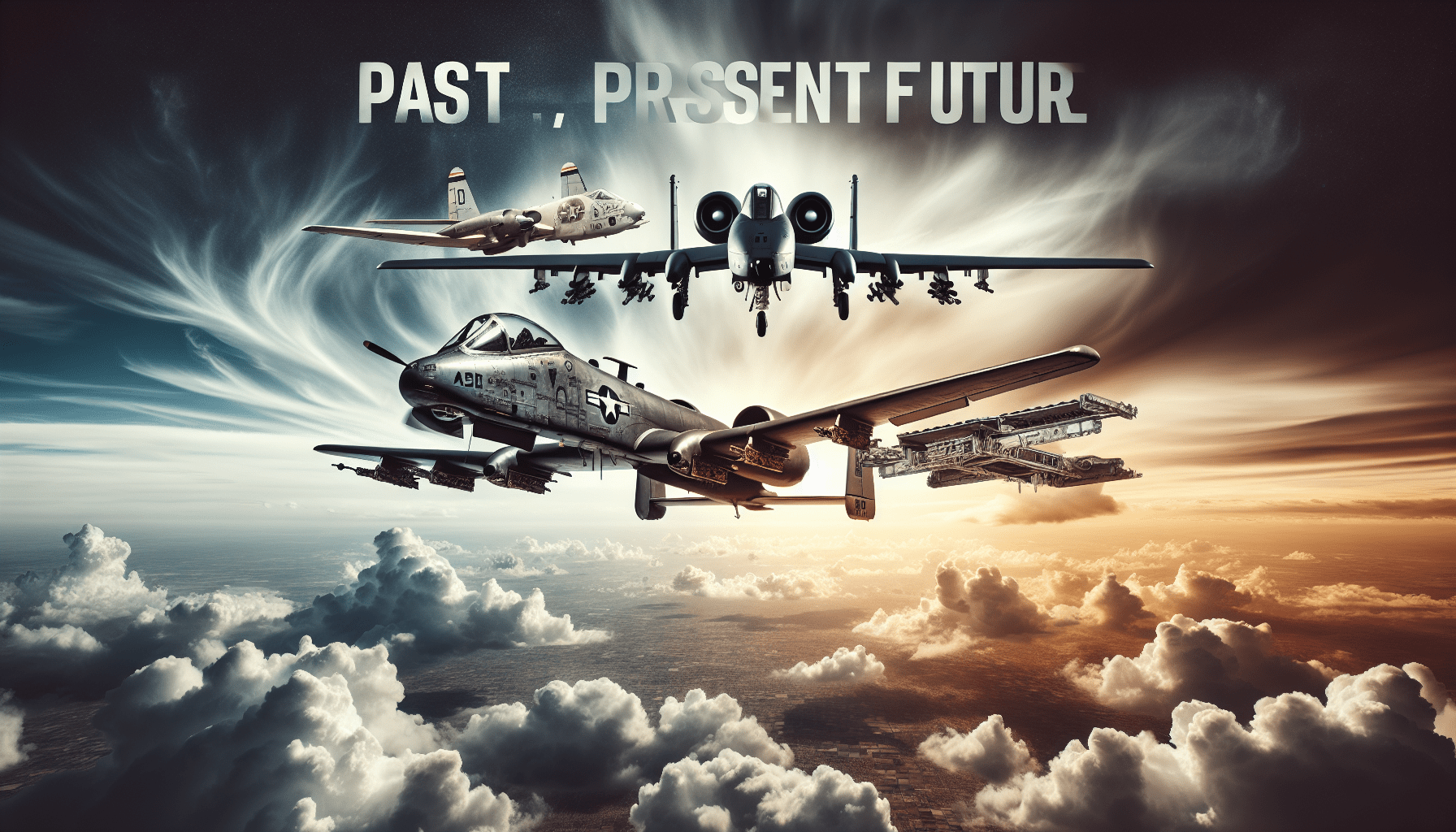
The Past, Present & Future of Close Air Support
Close air support (CAS) has emerged as a cornerstone of military strategy since its inception during World War I. This article will explore the historical background, evolution, technological integration, operational examples, current trends, and future prospects of CAS, while emphasizing the intricate balance required in modern warfare.
Historical Background
Origins of Close Air Support in World War I
The origins of close air support can be traced back to World War I, when military planners began to explore the utility of aircraft beyond reconnaissance and surveillance. During this time, aviation was in its infancy, with biplanes serving initial roles in combat. The U.S. entered the war in 1917, but by then, other nations had already begun to harness air power effectively. American aviators faced disorganization and adversarial relationships with ground forces, hampering their ability to support troops effectively. As air capabilities were organized under the U.S. Army Aviation Section Signal Corps, the lack of a coherent strategy became evident, ultimately rendering these early aircraft largely ineffective in CAS roles.
Transformation of CAS Technology Over the Decades
As the interwar period gave way to World War II, the technology of CAS transformed dramatically. The development of more robust and versatile aircraft marked a turning point. Air power advocates, such as Brigadier General William “Billy” Mitchell, argued for a dedicated air force that could operate independently of ground forces. By the end of World War II, advancements in aviation, combined with emerging doctrines of air power, led to the establishment of an independent U.S. Air Force, fundamentally changing the nature of CAS.
Impact of CAS on Warfare Strategies
The introduction and subsequent evolution of CAS significantly impacted military strategies across the globe. It became clear that effective integration of air support could bolster ground operations, increase troop morale, and disrupt enemy capabilities. The role of CAS in modern warfare has proven influential in shaping operational doctrines, with its reach expanding during conflicts in Korea, Vietnam, and the Middle East.
Evolution of CAS
Initial Challenges During World War I
The initial challenges of CAS during World War I were multi-faceted, rooted in a failure to recognize the strategic potential of air power. American forces struggled with organizational issues, communication breakdowns, and a lack of coordination with ground units. These challenges resulted in missed opportunities to effectively utilize aircraft to support infantry, leading to skepticism about the value of air operations.
Key Developments in CAS During World War II
World War II represented a turning point for CAS, characterized by improvements in aircraft capabilities, weaponry, and operational coordination. The Army Air Forces began to develop tactics for close air support and experimented with various aircraft configurations to fulfill this role. The conflict also saw a gradual acknowledgment of the necessity for joint operations between ground forces and air units, backed by doctrines that emphasized rapid response and tactical flexibility.
Post-War Advancements and Organization
In the post-war years, the establishment of an independent U.S. Air Force catalyzed significant advancements in CAS capabilities. Separate from the Army, the Air Force developed innovative strategies and technological advancements in pursuit of air superiority. The evolution of CAS continued through the incorporation of fighter-bombers, leading to enhanced flexibility for ground troop support.

Key Figures in CAS Development
Brigadier General William ‘Billy’ Mitchell’s Contributions
Brigadier General William ‘Billy’ Mitchell is often recognized as a visionary figure in the development of CAS. His insistence on the strategic value of air power and his advocacy for an independent Air Force set the stage for the evolution of CAS. His ideas and doctrines instigated critical changes in military policies, leading to the separation of air operations from ground forces.
Evolution of Air Force Independence
The post-war era marked a period in which the U.S. Air Force emerged as a distinct military branch, gaining autonomy in operational planning and execution. This independence catalyzed the development of sophisticated CAS frameworks, allowing military leaders to implement aviation resources more effectively in support of ground actions.
Influential Military Strategies and Doctrines
Over the decades, numerous military strategies and doctrines have emerged to refine the principles of CAS. The challenges of coordinating air and ground forces necessitated the development of joint operational doctrines. This evolution has led to significant improvements in communication and collaboration between air and ground units, ultimately enhancing operational outcomes.
Dual Roles and Coordination
Separation of Army Air Service and Army
The historical separation of the Army Air Service from the Army created a complex operational landscape that required careful coordination between the two entities. Both branches faced challenges in integrating air support within land operations, often leading to friction and misunderstandings that could compromise mission success.
The Need for Joint Operational Doctrine
The necessity for a unified joint operational doctrine framed the discourse surrounding CAS. Developing effective protocols that allowed different military services to operate in tandem became essential for optimizing air support. This interplay has ensured that precision and responsiveness characterize contemporary CAS operations.
Coordination Challenges in CAS Support
Despite advancements, coordination challenges remain a constant theme in CAS. The potential for miscommunication between air and ground units continues to present obstacles. Efforts to refine communication protocols and enhance technological capabilities have attempted to address these issues, yet the complexity of modern warfare means that challenges persist.
Technological Integration
Modern Communication Systems in CAS
Modern CAS relies heavily on advanced communication systems to facilitate effective coordination between air and ground units. The evolution of digital communications, including satellite systems and secure communication links, ensures real-time information sharing, improving the effectiveness and safety of CAS missions.
Importance of Real-time Data and Location Identification
In an era defined by rapid technological advancement, real-time data collection and location identification have become critical in CAS operations. Accurate targeting and situational awareness are enabled by updated technologies, allowing for swift adaptability in dynamic battlefield conditions.
Minimizing Human Error through Technology
Technological integration has the potential to minimize human error in CAS. Enhanced software systems and predictive analytics can significantly improve decision-making during engagements, lessening the risk of collateral damage while increasing the efficiency of support missions.
Operation Examples
CAS in Middle Eastern Conflicts
The importance of CAS operations was vividly illustrated during various conflicts in the Middle East. In these environments, effective air support played a pivotal role in enhancing ground troop operations against a backdrop of asymmetric warfare. The lessons learned from these engagements informed subsequent strategies in air-ground coordination.
Lessons Learned from Historically Significant Operations
Historically significant operations have provided valuable insights into the implementation of CAS. The lessons gleaned from previous conflicts highlight the necessity of adaptability, inter-service collaboration, and the importance of developing robust logistical processes to support CAS objectives in diverse combat scenarios.
Impact of Accurate Bombing Runs on Casualty Rates
Accurate bombing runs have proven to be effective in minimizing casualty rates among friendly forces and civilians alike. The introduction of precision-guided munitions marks a significant leap forward in CAS capabilities, allowing for targeted strikes that are less likely to endanger non-combatants.
Current Trends in CAS
Use of Drones in the Ongoing Ukraine Conflict
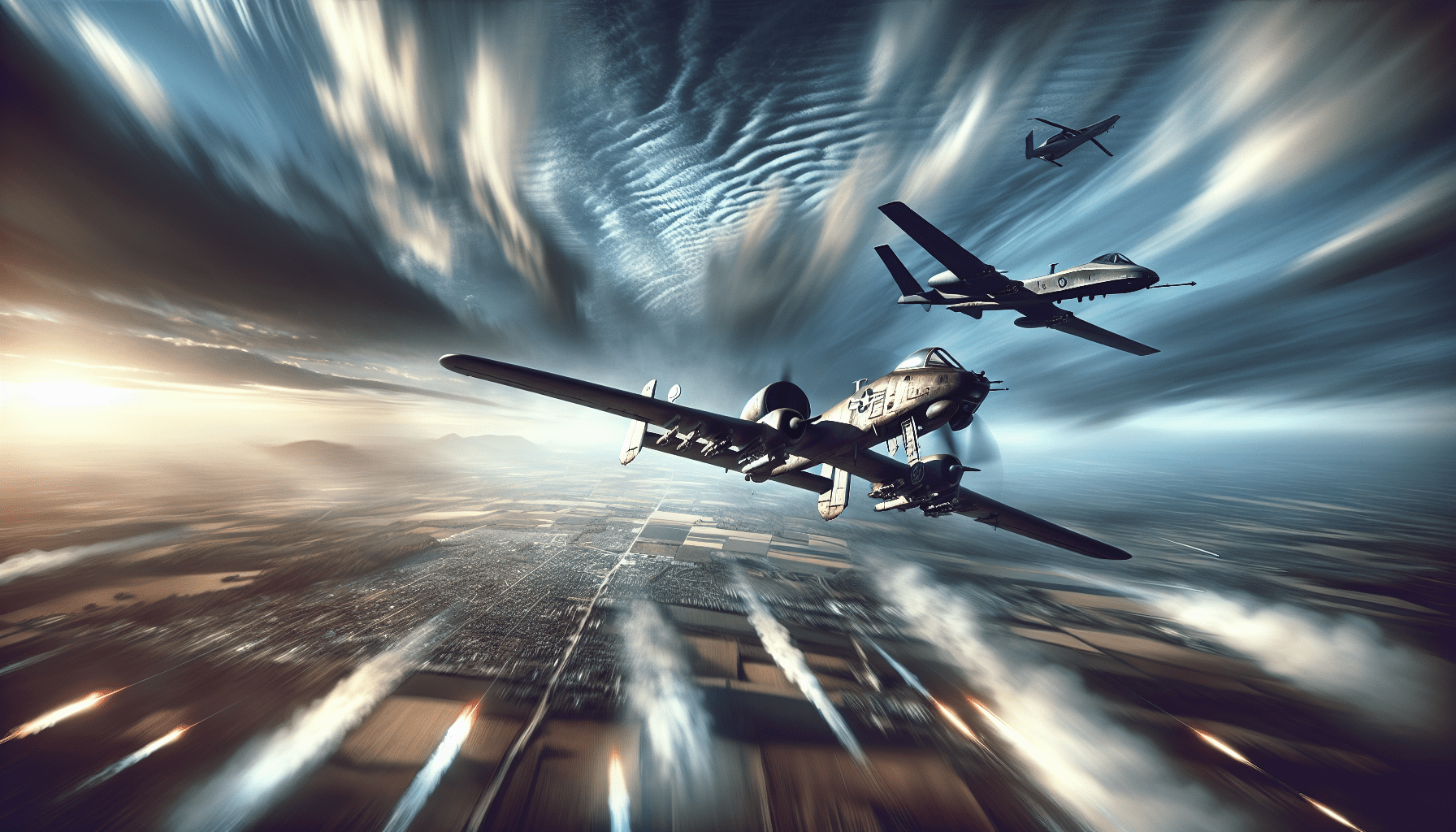
The ongoing conflict in Ukraine has underscored the growing role of drones in modern CAS operations. Drones serve as force multipliers, enhancing situational awareness and providing targeted support to ground forces. Their utilization has transformed the nature of engagement, highlighting the evolving dynamics of air support.
Comparative Analysis of Manned vs. Unmanned Aircraft
The choice between manned and unmanned aircraft reflects the shifting paradigms in CAS. While traditional manned aircraft, such as the A-10 Warthog, have long been staples of CAS, the increasing utilization of unmanned aerial vehicles (UAVs) raises questions about the future of CAS. Unmanned platforms offer distinct advantages, including reduced risk to pilots and expanded operational flexibility.
Emerging Drone Technology and Its Utility
Emerging drone technologies possess the potential to revolutionize CAS further. The proliferation of advanced UAVs, equipped with sophisticated sensors and weapon systems, enhances targeting capabilities while offering real-time data transmission. These innovations contribute significantly to ground troop efficiency and tactical effectiveness.
Future Prospects for CAS
Increasing Reliance on Drones and UAVs
The future of CAS is likely to incorporate an increasing reliance on drones and UAVs. As military operations evolve towards hybrid warfare, the role of unmanned systems is expected to expand, reshaping the landscape of air-ground support and increasing operational tempo.
Changing Dynamics in Modern Warfare Tactics
Modern warfare strategies are shifting towards more integrated approaches that incorporate air, ground, and cyber capabilities. This evolution necessitates a reevaluation of CAS methods to ensure effective support in increasingly complex environments, where timely response and precise targeting are paramount.
Technological Innovations Shaping Future Strategies
Technological innovations will play a pivotal role in the future of CAS. Advancements in artificial intelligence, machine learning, and automation are set to enhance the capabilities of CAS systems, enabling more accurate decision-making and streamlined operational processes on the battlefield.
Cost and Effectiveness Considerations
Budgetary Constraints and Operational Feasibility
Budgetary constraints within military operations pose significant challenges for the maintenance and operation of aging aircraft. As militaries strive to optimize costs while maintaining readiness, evaluating the operational feasibility of maintaining legacy systems versus investing in newer technologies becomes a crucial consideration.
Evaluating the Sustainability of Aging Aircraft
The sustainability of aging aircraft in the CAS role remains a point of contention. While some airframes have proven their utility over decades, their operational effectiveness may diminish over time. Decision-makers must balance the operational benefits derived from established platforms against the need for modernization.
The Role of Advanced Artillery in CAS
Aside from aircraft, advanced artillery systems contribute significantly to CAS completeness. Innovations such as precision-guided munitions represent a cost-effective means of achieving air-to-ground support. Such systems provide commanders with flexible options while preserving long-term operational readiness.
Conclusion
Summary of the Evolution of CAS
The evolution of close air support reflects the changing nature of warfare, demonstrating an arc from rudimentary biplanes in World War I to sophisticated UAVs in the contemporary battlefield. This transition has been characterized by improvements in technology, doctrine, and collaboration between military branches.
The Balance Between Traditional and Modern Approaches
As warfare adapts to new realities, maintaining a balance between traditional approaches to CAS and modern methodologies will be essential. Leveraging both manned and unmanned systems can provide the flexibility required to meet the dynamic challenges of modern conflicts.
Future Directions for Close Air Support in Warfare
The future of CAS will undoubtedly be influenced by the ongoing development of technology and shifting tactical paradigms. Emphasizing cross-branch coordination, the exploitation of real-time data, and embracing unmanned systems will likely define the path forward for close air support in warfare, ensuring its continued relevance in a rapidly evolving military landscape.