
The Marine Corps is undergoing a significant transformation as part of its Force Design 2030 initiative, aimed at addressing the emerging threats posed by China in the Pacific. This comprehensive overhaul encompasses a shift in strategic focus from traditional amphibious operations to the development of specialized units, tactics, and advanced weapon systems, notably the Naval Strike Missile and the Expeditionary Directed Energy Counter Swarm system. The strategic realignment facilitates rapid deployment capabilities, establishing a framework for confronting potential conflicts over key maritime territories and enhancing deterrence against adversarial naval forces.
In this analysis, the complexities surrounding the Marine Corps’ transition will be explored in detail. Key components include the establishment of Marine Littoral Regiments, designed to effectively control critical sea lanes and adapt to the challenges of modern warfare, such as cyber threats and drone swarms. Additionally, the discussion will address the logistical intricacies, operational priorities, and the criticisms surrounding these transformative strategies, particularly regarding their feasibility in a high-stakes combat environment against a technologically advanced opponent.
Overview of the Marines’ Force Design 2030
Purpose and Goals of the Initiative
As geopolitical tensions escalate in the Pacific, particularly concerning China’s assertive military strategy, the United States Marine Corps (USMC) has initiated a transformative plan known as Force Design 2030. This initiative aims to adapt the operational capabilities of the Marines to better meet the impending challenges posed by potential conflicts in this region. The primary objectives revolve around modernizing the Corps’ equipment and operational strategies to enhance readiness and effectiveness in any future military engagements. By embracing advanced technologies and cross-domain warfare tactics, the initiative seeks to ensure that the Marine Corps can operate effectively in multi-domain operations, where the lines of traditional warfare blend, creating an era that extends beyond the battlefield.
Integration of New Technologies and Strategies
A pivotal aspect of Force Design 2030 is the incorporation of new technologies and methodologies into the Marine Corps’ operational framework. This encompasses initiatives to develop and deploy cutting-edge weapon systems, enhance logistical capabilities, and foster innovative tactical approaches to warfare. In particular, the Marine Corps is looking to integrate advances in unmanned systems, cyber capabilities, and precision strike technologies. By embracing these innovations, the Marines aim to create a more agile, adaptable force capable of responding effectively to new threats, especially those emerging from the advanced military capabilities of the Chinese People’s Liberation Army (PLA).
Shift in Operational Focus Towards Countering China
Historically recognized for amphibious operations, the Marine Corps is undergoing a significant shift in its operational focus to counter the specific threats posed by China’s expanding military presence in the Pacific. This shift signifies a transition from traditional sea-to-land assault strategies toward a more nuanced approach that prioritizes the denial of contested areas and the establishment of enduring power projection capabilities. As the geopolitical landscape continues to evolve, the Marines are preparing to engage in scenarios that demand rapid deployment and sustained operations over extended ranges, thereby affirming their role as a pivotal force in deterrence and conflict resolution in the Pacific theater.
Understanding China’s Military Strategy
Increasing Military Presence in the Pacific
China’s assertive expansion into the Pacific primarily involves increasing its military presence through the establishment of fortified bases and artificial islands within contested maritime regions. The construction of these installations serves strategic purposes, such as enhancing power projection and asserting territorial claims over vital sea lanes and resources. As the Chinese military enhances its operational capabilities in the region, including the deployment of advanced naval assets, the United States must recalibrate its security posture to effectively counter these developments.
Development of Artificial Islands and Their Implications
The implications of China’s development of artificial islands are profound, as these installations not only serve as military outposts but also enable the PLA to extend its reach across the South China Sea and beyond. The presence of these bases poses significant challenges to U.S. naval operations, placing U.S. assets within the operational scope of China’s increasingly sophisticated missile systems. Hence, the Marine Corps must adapt its strategies to account for these shifts in power dynamics, ensuring that the U.S. maintains freedom of navigation and deterrence in an environment where Chinese influence continues to grow.
Potential Threats Posed by Chinese Naval Capabilities
China’s naval capabilities have evolved rapidly, now emphasizing power projection and deterrence. The modernization of their fleet, including aircraft carriers and advanced submarines, poses a tangible threat to U.S. maritime interests and operations in the Pacific. The Chinese Navy’s ability to conduct multi-platform operations enhancing lethality and interoperability must be met with innovative responses from the Marine Corps. As potential conflicts intensify, the threat of confrontation will likely manifest in the naval domain, necessitating a comprehensive strategy to counter a formidable adversary intent on regional dominance.
Transformations Within the Marine Corps

Creation of Lateral Regiments
In recognition of the complex and multifaceted nature of future conflicts, the Marine Corps is restructuring its formations through the creation of lateral regiments. These newly established regiments integrate anti-ship, anti-air, and logistical capabilities to form cohesive, agile combat units capable of rapidly responding to emerging threats. This transformation underscores the Corps’ commitment to adapting its operational framework to the realities of modern warfare, encapsulating the necessity of flexibility and rapid response in a constantly evolving battle environment.
Hybrid Force Structure for Anti-Ship and Anti-Air Operations
The hybrid force structure being introduced reflects a strategic pivot toward enhancing the Marine Corps’ anti-ship and anti-air capabilities. This configuration integrates various combat and support elements within a single regiment, permitting streamlined operations and facilitating joint engagements. By reallocating resources and capabilities in this manner, the Marines are positioning themselves to effectively counter the next generation of threats, particularly those arising from advanced naval warfare and aerial combat scenarios.
Introduction of New Logistical Support Units
Logistical considerations have become paramount in modern warfare, particularly when operating in contested environments. Force Design 2030 addresses this through the introduction of specialized logistical support units, which are critical for sustaining operations amid potential disruptions. These units will ensure that Marine forces are well-equipped and resourced, thereby enhancing the overall efficiency and effectiveness of operational missions. The incorporation of advanced logistical systems underscores the Marine Corps’ recognition that success in conflicts will heavily depend on the ability to maintain operational tempo and sustain forces over prolonged periods.
Advanced Weapon Systems
Capabilities of the Naval Strike Missile (Nemesis)
One of the cornerstone advancements within the Marine Corps’ weaponry is the Naval Strike Missile (NSM), also referred to as Nemesis. This missile system boasts a substantial range of approximately 160 miles, providing the Marines with a strategic advantage in coastal defense and land-based naval engagement. Its stealth capabilities, proficiency in terrain-following flight paths, and ability to evade detection make it a formidable tool for engaging enemy maritime assets. The integration of this missile system reflects a significant enhancement in offensive capabilities for the Marine Corps, allowing it to engage targets previously considered out of reach.
Role of the Expeditionary Directed Energy Counter Swarm (XEX)
In addition to kinetic capabilities, the Marine Corps is investing in directed energy systems, such as the Expeditionary Directed Energy Counter Swarm (XEX). This system utilizes high-powered microwave technology to disable or disrupt unmanned aerial vehicles (UAVs) and swarming drones, thus providing a flexible air defense mechanism in a rapidly evolving combat environment. The inclusion of XEX illustrates the Marine Corps’ pursuit of innovative solutions to address modern air threats, highlighting the shift toward a multi-faceted approach to air defense that complements traditional strategies.
Integration of Stealth Technology in Naval Operations
The integration of stealth technology across various platforms is increasingly vital for conducting successful naval operations in contested waters. This capability enables forces to operate closer to adversary forces while minimizing the risk of detection. The Marine Corps’ embrace of stealth technology signifies an acknowledgment of the changing nature of warfare, wherein the ability to strike undetected can determine the outcome of engagements. This operational paradigm reinforces the importance of technological advancements in maintaining strategic advantages in a complex security environment.
Role of Marine Littoral Regiments (MLRs)
Design and Operational Purpose of MLRs
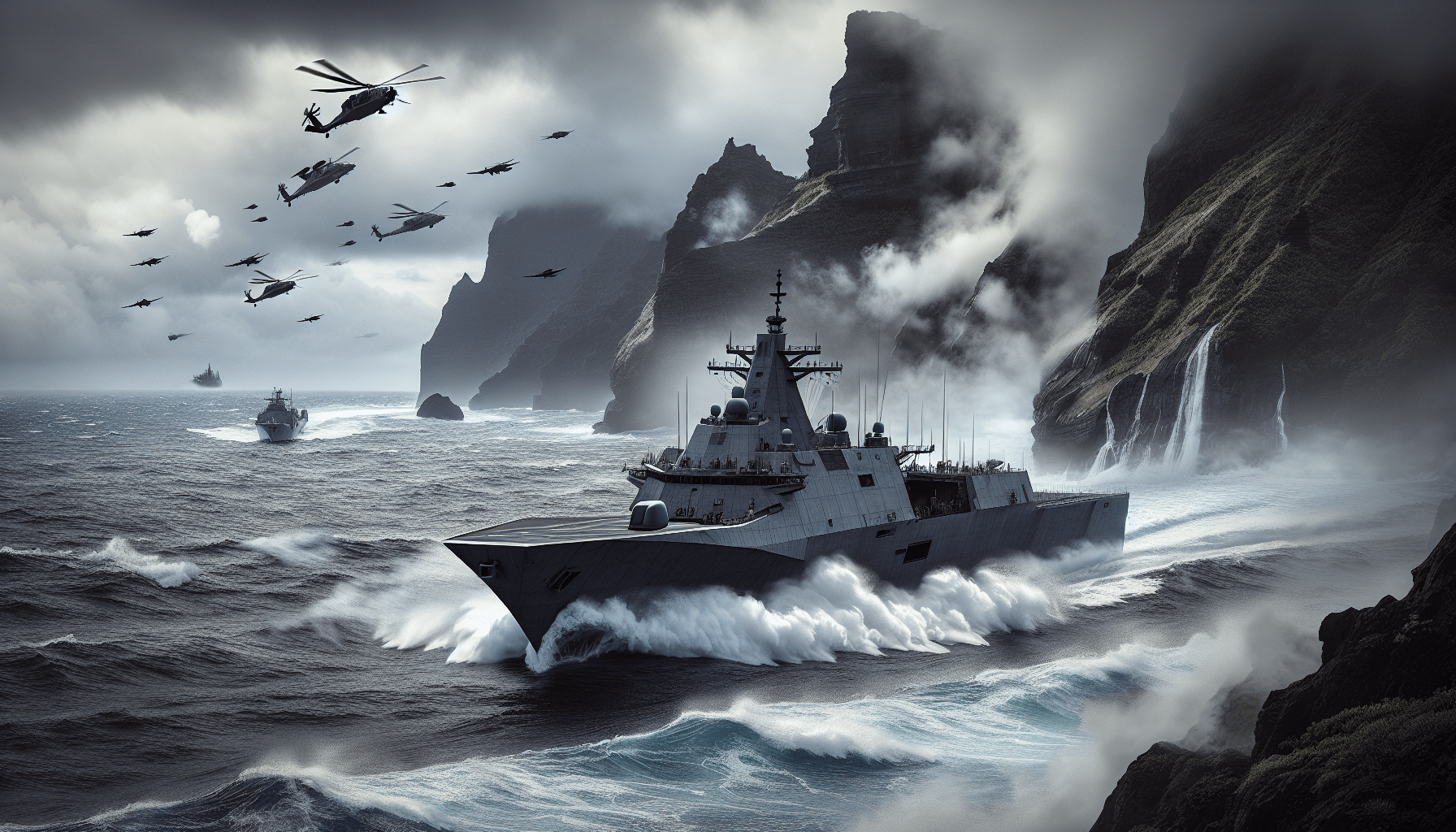
Marine Littoral Regiments (MLRs) embody a new operational concept designed to facilitate rapid response and decentralized operations in the maritime domain. These regiments are structured to achieve swift strategic goals, including the establishment of missile batteries at critical maritime chokepoints and improving overall deterrence capabilities against potential adversaries. The operational purpose of MLRs positions them as a pivotal component of the Marine Corps’ strategy to ensure dominance in the Pacific theater, reflecting a shift from traditional force structures toward more agile and responsive models.
Rapid Deployment Capabilities and Decentralized Operations
MLRs are characterized by their rapid deployment capabilities, enabling them to insert themselves quickly into conflict zones and establish a presence in contested areas. Their decentralized operational ethos allows for flexibility, empowering unit leaders to make critical decisions on the ground without awaiting higher-level directives. This speed and adaptability are essential in a conflict environment, where immediate responses to threats can alter the course of engagements and seize the initiative from the enemy.
Establishment of Missile Batteries at Strategic Locations
The establishment of missile batteries at strategically critical locations is a fundamental component of MLR operations, enabling Marines to project power from land and deny adversaries access to vital maritime routes. By positioning these assets close to key chokepoints, the Marine Corps aims to enhance deterrence and complicate the operational calculus for potential aggressors. This proactive approach to positioning forces reflects a nuanced understanding of modern naval warfare and the necessity of maintaining leverage in an increasingly competitive security environment.
Deployment Strategies in the Pacific
Initial Landing Strategies on Critical Islands
In the event of conflict, the Marine Corps anticipates deploying its forces through carefully calculated landing strategies on key islands in the Pacific. The initial wave of Marines will be tasked with securing vital terrain to establish a foothold for follow-on operations. This strategy emphasizes the importance of capturing fortified positions quickly, which can serve as bases for further operations and support sustained military power projection in the region.
Use of Aircraft and Ships for Troop Transportation
The logistical framework underpinning deployment strategies involves the utilization of a range of aircraft and maritime assets to transport troops and equipment. The versatility of platforms such as the C-130, MV-22 Osprey, and CH-53 helicopters allows for rapid troop movements, facilitating a quick response to emerging threats. In conjunction with naval vessels, these transportation capabilities form the backbone of the Marine Corps’ operational strategy within the Pacific, emphasizing rapid mobility and responsiveness in combat scenarios.
Reliance on Pre-Stockpiled Resources for Sustainability
The success of Marine operations in a conflict scenario relies heavily on pre-stockpiled resources, encompassing ammunition, food, and fuel. The implementation of stockpiling tactics ensures that units can sustain themselves in potentially austere environments, where supply lines may be compromised. This logistics-centric approach is critical for maintaining operational tempo during sustained engagements and reflects a strategic acknowledgment of the challenges associated with modern warfare in contested regions.
Operational Priorities in Conflict
Quick Setup of Offensive Systems
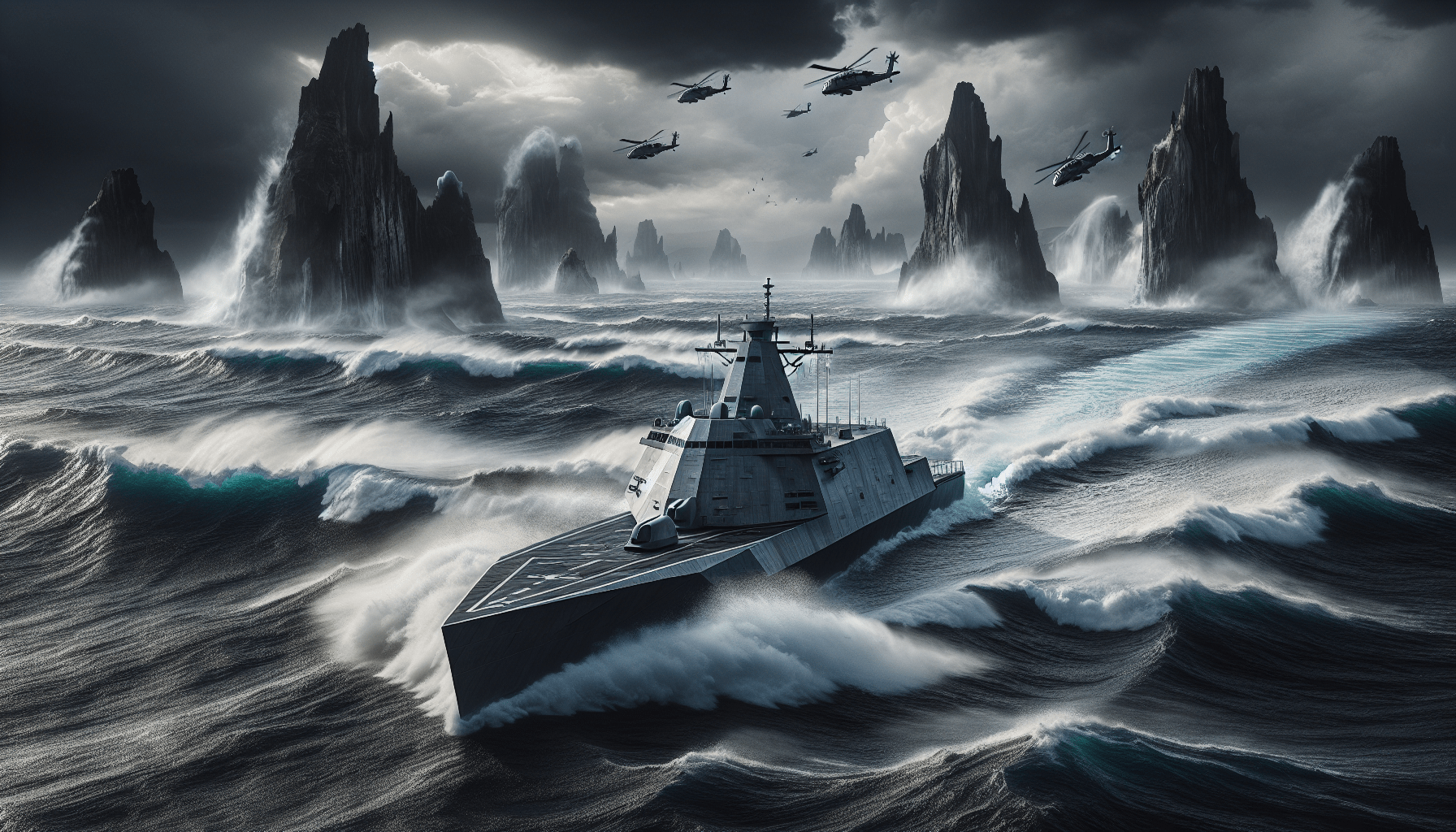
The operational priorities of the Marine Corps in a conflict involve the rapid establishment of offensive systems capable of countering enemy advancements. Key assets, such as the NSM and XEX, must be operationalized quickly to deter and disrupt adversaries. The ability to deploy sophisticated weaponry in a timely manner can serve as a decisive factor in shaping the battlefield dynamics and maintaining the initiative against opposing forces.
Strategies to Disrupt Enemy Advancements
Strategies centered on disrupting enemy advancements are imperative for maintaining a favorable operational environment. The Marine Corps must leverage its resources to impede the enemy’s movements, employing countermeasures that exploit weaknesses in opponent capabilities. Such disruptions could take various forms, including missile strikes, electronic warfare, and coordinated assaults against supply lines, showcasing the Corps’ emphasis on proactivity and adaptability in military engagements.
Importance of Maintaining the Element of Surprise
The element of surprise remains a critical component in operational success, particularly in conflict situations. By conducting unexpected maneuvers and rapid strikes against adversary targets, the Marines can achieve strategic advantages and unsettle enemy forces. This approach emphasizes the need for innovative tactics and operational planning that foster unpredictability, ultimately enhancing the likelihood of success during engagements.
Logistics and Mobility Concerns
Critical Role of Logistics Units in Modern Warfare
Logistics units play a vital role in modern warfare, particularly within an expeditionary context. Their ability to manage supply chains, coordinate resource distribution, and maintain equipment readiness is essential for sustaining combat operations. As the Marine Corps adopts more complex operational structures and strategies, the efficacy of its logistics units will determine overall success or failure in conflict scenarios.
Challenges in Maintaining Supply Lines for Dispersed Units
Operating in a dispersed manner, as is the focus of Force Design 2030, introduces significant challenges related to maintaining supply lines. The risks of interception or disruption pose threats to the operational viability of dispersed units, which must remain resupplied and supported in both kinetic and non-kinetic operations. These logistics challenges necessitate innovative solutions, including the potential use of autonomous systems and advanced supply chain technologies to mitigate risk and ensure sustainment.
Fallback Strategies in Case of Enemy Discovery
In scenarios where forces face imminent discovery by the enemy, fallback strategies become critical for preserving operational integrity. The Marine Corps must have contingency plans that allow for withdrawal, repositioning, or redeployment in the event of compromised locations. Developing these fallback strategies is essential to maintain combat effectiveness even under adverse conditions, ensuring that units can regroup and reengage when the opportunity arises.
Challenges and Risks of New Strategies
Possible Breakdowns in Logistics Impacting Operations
Information technology and logistics systems, though advanced, are not infallible. The potential for breakdowns or failures in logistics processes could significantly impact operational readiness and effectiveness in combat. Addressing these vulnerabilities through robust protocols and contingency measures will be key to minimizing risks associated with logistical failures and ensuring mission success.
Concerns Over Being Outgunned in Engagements
The transformation of the Marine Corps’ operational framework raises concerns about potential disadvantages in head-to-head engagements, particularly with a numerically superior adversary like China. This apprehension necessitates a thorough evaluation of force composition and engagement metrics, as the potential to be outgunned or offset by superior enemy capabilities remains a significant risk that the Corps must navigate.
Potential for Historical-Style Engagements Under Pressure
As operational pressures mount during conflicts, there exists the potential for historical-style engagements, wherein the force must rely on conventional tactics in desperate circumstances. The echoes of past conflicts remind military strategists that adaptability and creativity underpin successful outcomes, emphasizing the importance of maintaining both modern technological advancements and traditional combat competencies. The awareness of historical precedents compels military leaders to foster innovative strategies that embrace the unpredictability of warfare.
Conclusion
Summation of Key Points of Concern and Development
In reviewing the multifaceted challenges and developments associated with Force Design 2030, it is evident that the Marine Corps faces a pivotal moment in its evolution as a military force. From strategic shifts in operational focus to the adoption of advanced technologies and innovative organizational structures, the Corps is undertaking a comprehensive transformation to prepare for potential conflicts in the Pacific. However, the risks associated with these changes remain significant, necessitating ongoing assessment and adaptation.
Outlook for the Marine Corps in the Pacific
As the geopolitical landscape continues to evolve, the Marine Corps must remain vigilant in refining its strategies and operational capabilities. The challenges posed by Chinese military advancements and assertive territorial claims underscore the need for the Marines to remain a flexible and responsive force. The outlook for the Corps is shaped by the necessity of continuous adaptation to changing circumstances, ensuring that they remain effective in fulfilling their roles as a premier military force.
Call for Continued Analysis and Adaptation in Tactics
In conclusion, ongoing analysis and adaptation will be crucial to the success of the Marine Corps’ Force Design 2030 initiative. The complexities of modern warfare demand that military leaders engage in critical reflection and iterative learning, refining their tactics in response to evolving threats. By fostering a culture of innovation and maintaining a rigorous focus on preparedness, the Marine Corps can effectively navigate the challenges of the future, ensuring their utility and relevance in a dynamic global security environment.