
The Battle of Kandahar, fought on September 1, 1880, represents a significant turning point in the Second Anglo-Afghan War. In the aftermath of a notable British defeat at Maiwand, General Frederick Roberts orchestrated a remarkable 320-mile march to relieve besieged British forces in Kandahar. This encounter serves not only as a testament to military strategy and tactics but also as a critical moment in defining British imperial policies in Afghanistan.
In this analysis, attention will be given to the key elements that contributed to the British victory over Afghan forces, including the complexities of leadership, tactics employed, and the immediate consequences of the battle. A detailed exploration will highlight the dynamic nature of warfare during this period and offer insights into its lasting impact on British-Afghan relations, emphasizing the shifting attitudes that emerged post-conflict.
The Second Anglo-Afghan War: The Battle of Kandahar
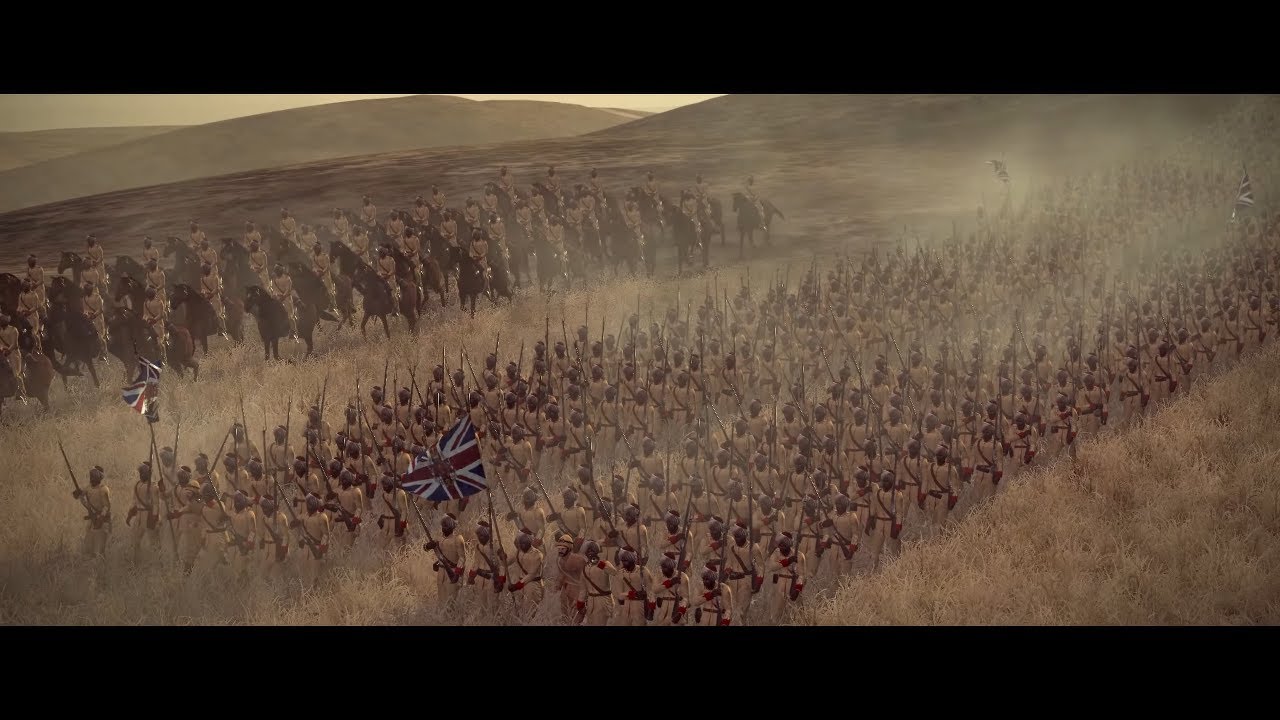
Historical Context of the Second Anglo-Afghan War
Overview of the First Anglo-Afghan War
To fully understand the Second Anglo-Afghan War, one must first consider the aftermath of the First Anglo-Afghan War, which occurred from 1839 to 1842. The British Empire, motivated by a desire to secure its interests in India and counter Russian expansion, embarked on a military expedition to Afghanistan. Initially, this war seemed successful, leading to the installation of a puppet ruler, Shah Shuja. However, the Afghan people’s resentment grew, culminating in a full-scale uprising. The disastrous retreat from Kabul in January 1842 resulted in the death of the entire British contingent, an event which would haunt British military leadership and inform subsequent policy towards Afghanistan.
Causes of the Second Anglo-Afghan War
The Second Anglo-Afghan War, lasting from 1878 to 1880, emerged from a complex web of geopolitical motivations and historical grievances. Critical to this conflict was the Great Game, the struggle for control and influence in Central Asia by British and Russian empires. The British feared that Russian encroachments into Afghanistan would jeopardize British interests in India. Additionally, the failed treaties regarding British diplomatic representation in Afghanistan only exacerbated tensions, leading Britain to invade Afghanistan once more in a bid to assert authority.
Key Players in the Conflict
The principal actors in this conflict were the British Empire, represented by military leaders such as General Sir Frederick Roberts and various Afghan factions led by figures such as Ayub Khan. While the British desired to re-establish control over Afghanistan and ensure a friendly regime, Ayub Khan aimed to expel foreign influence and unite Afghanistan under his command. These opposing objectives set the stage for a protracted and bloody struggle.
Strategic Importance of Kandahar
Geographical Significance
Kandahar, a city located in southern Afghanistan, serves as a critical junction for trade routes connecting Central Asia and the Indian subcontinent. Its geographical location made it not only a strategic military stronghold but also an essential economic hub. Control of Kandahar was vital for any power seeking to dominate the broader region, as it could facilitate the movement of troops and resources, thus determining the success or failure of military campaigns.
Political Implications for the British Empire
For the British Empire, the significance of Kandahar extended beyond military logistics. Securing Kandahar was vital for restoring British prestige following the humiliating defeat at Maiwand and ensuring the establishment of a pro-British government in Afghanistan. The city also represented a symbolic victory over local resistance, helping to perpetuate the narrative of British superiority in military and political affairs.
Role of Kandahar in Regional Power Dynamics
Kandahar’s importance was further heightened by its role as a pivot in regional power dynamics. The control of Kandahar had implications not only for British interests but also for the ambitions of neighboring powers, including Russia. The potential for Afghanistan to become a battleground for Great Game contestants made the city a focal point for imperial ambitions, further entrenching interests in the region.
Prelude to the Battle of Kandahar
The Defeat at Maiwand
As tensions escalated, the British faced a significant setback at the Battle of Maiwand in July 1880. Encounters with a well-organized Afghan army left British forces severely weakened, with high casualties and a loss of morale. This catastrophic defeat marked a turning point in the war, while simultaneously emboldening Afghan resistance under Ayub Khan who sought to seize the momentum gained through this victory.
Consequences of the Defeat for British Forces
The ramifications of the defeat at Maiwand were profound. The morale of British troops plummeted, prompting fears of a larger uprising and the potential loss of control over Afghanistan. Additionally, communications between British leaders became strained; a sense of urgency emerged to rectify the situation by mounting a decisive counter-offensive to re-establish authority and prevent total collapse.
Ayub Khan’s Strategy and Objectives
In the wake of this victory, Ayub Khan sought to fortify his position and capitalize on British vulnerabilities. He aimed to consolidate power by rallying various Afghan factions and presenting a unified front against foreign intervention. His strategy included besieging British forces in Kandahar, thereby reducing their operational capacity while simultaneously leveraging claims of Afghan independence to attract local support.
Composition of Forces
British Relief Force: Structure and Command
In response to the siege in Kandahar, General Sir Frederick Roberts was charged with leading the British relief force. Commanding approximately 10,000 troops, his force consisted primarily of British soldiers, Indian infantry, and the cavalry. The diverse composition of the relief force allowed for a degree of versatility in operations but also presented challenges in terms of coordination and leadership dynamics.
Ayub Khan’s Afghan Army: Strengths and Weaknesses
Ayub Khan commanded an Afghan army that, despite lacking the training and organization of the British forces, held advantages in local knowledge and fierce nationalistic fervor. The strength of Ayub’s army derived from its ability to mobilize local fighters and harness a deep-seated animosity towards foreign occupiers. However, internal divisions and fluctuating morale posed significant weaknesses in maintaining a cohesive command structure.
Tactics and Technology: A Comparative Analysis
The technological edge of the British, particularly in artillery and advanced weaponry, presented a stark contrast to the more traditional tactics employed by Ayub Khan’s forces. While the British relied on discipline, firepower, and superior logistics, Ayub Khan utilized guerrilla tactics, leveraging terrain to his advantage and employing quick strikes. This technological disparity would define the engagements during the Battle of Kandahar.

General Frederick Roberts: Leadership and Tactics
Roberts’ Military Background
General Frederick Roberts brought a wealth of military experience to the Second Anglo-Afghan War, having served in various critical campaigns throughout the British Empire. His understanding of unconventional warfare, along with a reputation for strategic foresight, positioned him as an effective leader during the chaotic landscapes of Afghanistan.
Tactical Innovations Utilized in the Battle
Roberts showcased tactical innovations, such as rapid troop movements and the effective deployment of artillery units. His ability to foresee the strategic advantage of surprise attacks and maneuvering forces through difficult terrain exemplified a modern approach to military leadership during this era. These tactics proved essential in overcoming the challenges presented by Ayub Khan’s forces.
Roberts’ Strategic Decisions During the Siege
Drawing on previous experiences, Roberts made strategic decisions that favored offensive operations and minimized prolonged siege situations. His focus on quick, decisive engagements rather than prolonged attrition reflected an understanding of both the Afghan landscape and the limitations imposed on British supply lines. This approach would be crucial in the subsequent relief operation.
The Siege of Kandahar
Initial Assaults by Ayub Khan
The initial assaults by Ayub Khan’s forces aimed to create a decisive breach in the British defensive lines surrounding Kandahar. Utilizing artillery and infantry charges, Ayub’s strategy relied on overwhelming volume to dismantle the defenses. While these attacks exhibited initial success, they also revealed critical vulnerabilities in Afghan command structures.
Defensive Measures Taken by British Forces
In response to the sieges, British forces implemented a series of defensive measures. Reinforced positions, utilization of barbed wire, and strategic patrols to ascertain Afghan movements comprised their defensive strategy. Additionally, British forces relied on well-disciplined artillery units to respond to attacks swiftly, demonstrating a commitment to maintaining order amidst the chaos of siege warfare.
Impact of the Siege on Troop Morale
The protracted nature of the siege took a toll on the morale of British troops. Although initial assaults caused panic and fear, effective leadership by Roberts fostered resilience and determination within the ranks. The promise of relief from Kabul further motivated the forces, reinforcing the belief in their eventual triumph against the besieging Afghan army.

The British Counterattack
Planning the Relief Expedition
Roberts’ relief expedition was meticulously planned, with a focus on speed and surprise. Recognizing the importance of maintaining momentum, he organized his forces to march the daunting 320 miles from Kabul to Kandahar in a relatively short timeframe. Attention to logistical support and communication was vital in ensuring the expedition’s success.
March from Kabul to Kandahar: Challenges Faced
The march from Kabul to Kandahar presented numerous challenges, including difficult terrain, potential ambushes, and sustaining the troops over long distances. Roberts’ strategic foresight in choosing routes less likely to be monitored by Afghan forces reflected his deep understanding of military strategy. The necessity to maintain coherence and discipline during the arduous journey further tested the mettle of his troops.
Timing and Execution of the Counterattack
Timing was crucial in the execution of the counterattack. Roberts understood that swift action was imperative to catch Ayub Khan at a moment of vulnerability. When the British forces reached Kandahar on September 1, 1880, they quickly initiated a well-coordinated offensive that exploited weaknesses in Ayub’s camp, effectively turning the tide of the battle.
The Battle Begins
Initial Engagements on the Battlefield
As the battle commenced, the British forces engaged in a series of well-structured assaults. Utilizing superior artillery to inflict devastating damage formed the backbone of Roberts’ strategy. Initial encounters showcased the discipline of British troops, and their ability to respond to evolving battlefield conditions would prove critical in the days to follow.
Role of Artillery and Firepower
Artillery played a pivotal role in shaping the dynamics of the Battle of Kandahar. The British deployed modern artillery units, which provided both a range advantage and the firepower necessary to break through Afghan lines. The effectiveness of cannon fire in disrupting formations and demoralizing the enemy showcased the importance of technology in warfare during this period.
The Shift in Momentum as the Battle Progressed
As the British forces pressed their advantage, momentum shifted increasingly in their favor. The combination of fortified positions, superior communication, and disciplined commands gradually eroded the cohesion of Ayub Khan’s combating army. The turning point was marked by a coordinated assault that resulted in significant breakthroughs, diminishing Afghan resolve.
Tactical Developments During the Conflict
Key Moments and Turning Points
Several key moments distinguished the Battle of Kandahar as turning points in the conflict. The successful use of artillery to target Afghan positions weakened Ayub’s frontline, leading to a gradual collapse of morale among his troops. Roberts’ ability to adapt to enemy tactics, coupled with decisive leadership, further facilitated the British advance.
Adaptive Tactics Employed by Both Sides
Both sides adapted to the battlefield’s evolving circumstances. While Ayub Khan attempted to deploy guerrilla tactics to disrupt the British advance, Roberts effectively countered these adaptations through disciplined formations and superior logistics. This exchange of tactical maneuvers illustrates the dynamic nature of military engagements and the necessity for commanders to remain flexible in their approaches.
Impact of Terrain on Battle Strategies
The rugged terrain surrounding Kandahar greatly influenced artillery placement, troop movements, and engagement strategies. While the British employed their knowledge of the land to secure advantageous positions, the Afghans sought to leverage their familiarity with local geography. This aspect of the conflict highlighted the enduring connection between environment and military strategy.
Conclusion
Summary of Key Outcomes
The Battle of Kandahar culminated in a decisive victory for British forces, lifting the siege and restoring control over Kandahar. Ayub Khan, faced with mounting losses and dwindling morale, was forced to retreat, effectively concluding the Second Anglo-Afghan War. This victory not only reaffirmed British military power but also facilitated the entrenchment of pro-British leadership in Afghanistan under Abdur Rahman Khan.
Reflection on the Implications for British Imperial Strategy
The implications of this battle extended beyond immediate military objectives. The British victory ushered in a period of cautious diplomacy, leading to a revised approach towards intervention in Afghanistan. The disastrous outcomes of previous engagements pushed British policymakers toward a more restrained stance, as they recognized the complexities of Afghan politics and dynamics.
Lessons Learned from the Battle and its Relevance Today
The Battle of Kandahar serves as a salient example of the importance of understanding local dynamics, the impact of leadership, and the role of technology in warfare. The lessons gleaned from this engagement continue to resonate within contemporary military operations, reminding strategic thinkers of the importance of adaptability and communication in confronting multifaceted conflicts.