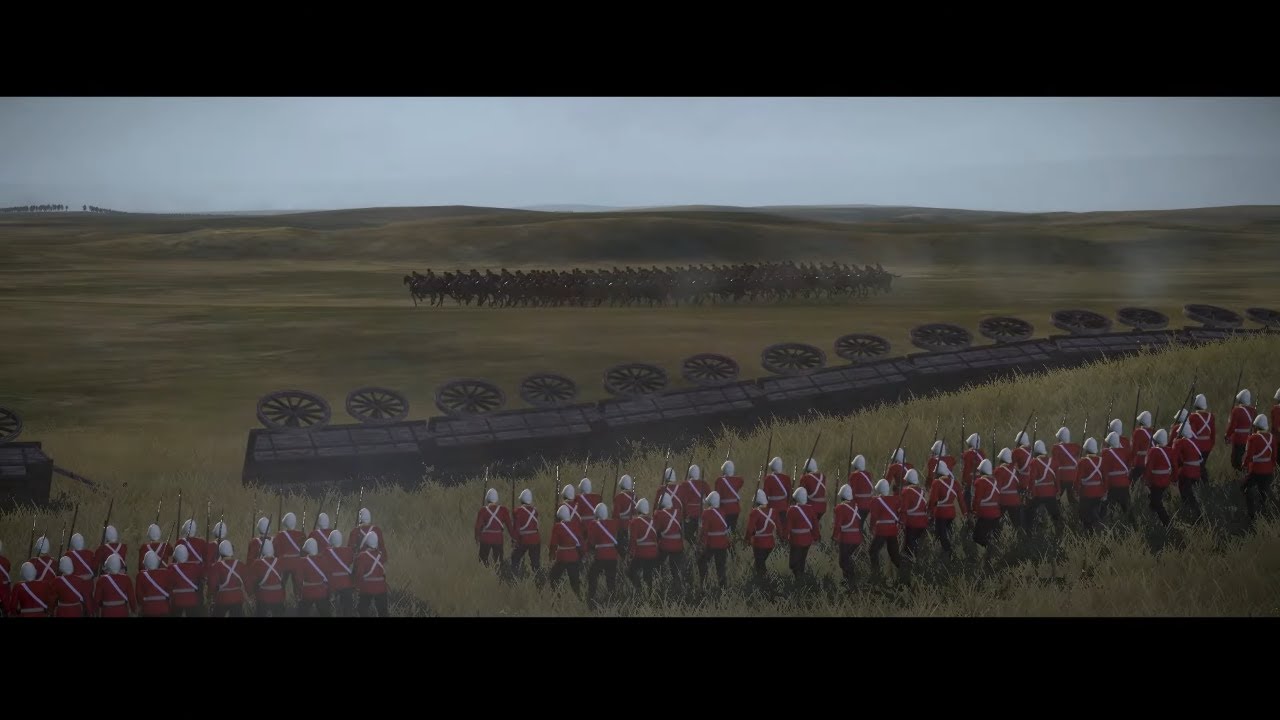
The Battle of Kambula, fought on March 29, 1879, stands as a critical event during the Anglo-Zulu War, marking a significant turning point in the conflict between British forces and the Zulu Kingdom. This confrontation followed the British defeat at Hlobane, where the mounted units were decisively routed. At Kambula, a well-prepared British defensive position met an advancing Zulu army, resulting in a devastating loss for the Zulus, who for the first time faced the grim reality of defeat.
This article will examine the lead-up to the battle, the strategic decisions made by both commanders, and the broader implications of the British victory. An analysis of military tactics, the immediate aftermath, and the psychological effects on the Zulu warriors will be provided to elucidate the significance of this battle. Ultimately, the consequences of Kambula reverberated throughout the remaining campaigns of the Anglo-Zulu War, culminating in the eventual downfall of Zulu resistance.
Historical Context of the Anglo-Zulu War
Overview of the Anglo-Zulu War
The Anglo-Zulu War, fought in 1879, was a pivotal conflict between the British Empire and the Zulu Kingdom in southern Africa. Set against the backdrop of British colonial expansion, the war was marked by significant military engagements and profound cultural undercurrents. Crucially, the conflict arose from the British desire to consolidate control over the region, thereby challenging Zulu sovereignty. This war, therefore, was not merely a clash of arms; it represented an era’s colonial ambitions, national identities, and the tragic consequences that followed.
Pre-war Tensions Between the British and the Zulu Kingdom
Before the outbreak of hostilities, relations between the British and the Zulu Kingdom were strained. The discovery of diamonds in the region escalated British interests, leading to a push for colonial domination. Tensions simmered, fueled by the British government’s desire to annex Zululand, while King Cetshwayo of the Zulu resisted these encroachments, seeking to maintain his people’s independence. Disputes over cattle rustling, land ownership, and military posturing illustrated the mounting friction. A series of diplomatic failures eroded prospects for peace, ultimately resulting in declarations of war.
Previous Battles Leading Up to Kambula
The lead-up to the Battle of Kambula was punctuated by earlier confrontations that laid bare the vulnerabilities and capabilities of both armies. The British had suffered a critical setback at the Battle of Hlobane, where Zulu forces overcame British mounted troops, highlighting their tactical prowess. These preceding skirmishes illustrated the urgency with which Colonel Evelyn Wood and his troops prepared defenses at Kambula, setting the stage for the impending confrontation. The Zulu momentum gained from Hlobane made their subsequent maneuvers all the more critical as they sought to capitalize on their victories.
Prelude to the Battle of Kambula
The Battle of Hlobane and Its Consequences
The Battle of Hlobane, fought on 28 March 1879, was a severe embarrassment for the British forces, who faced a well-coordinated Zulu attack. Colonel Wood’s mounted units were routed by a Zulu impi, revealing the British underestimation of Zulu capabilities and battlefield strategy. This defeat not only emboldened the Zulu warriors but also significantly altered British military strategies as they braced for a comprehensive Zulu assault. The psychological impact of Hlobane on both sides was profound; the Zulus tasted victory, while the British resolved to regroup and prepare for what was to come.
Colonel Evelyn Wood’s Preparations
In the wake of the defeat at Hlobane, Colonel Evelyn Wood employed rigorous military preparations for the defense of the Kambula encampment. Recognizing the need for fortified positions, Wood orchestrated the construction of a hexagonal laager, using wagons to establish a formidable barrier against incoming attacks. His strategic foresight involved positioning artillery units and ensuring that his troops were well-rested and ready to respond to a possible Zulu assault. By midday, as intelligence confirmed that Zulu forces were mobilizing for an attack, Wood believed his defenses were as robust as possible, reflecting his understanding of warfare’s evolving nature.
Intelligence Gathered About the Zulu Forces
The gathering of intelligence was key to British strategy before the Battle of Kambula. Reports from scouts, notably the Transvaal Rangers, provided critical information regarding the strength and disposition of Zulu forces. With estimates of the Zulu army reaching nearly 21,000 men, comprised mainly of seasoned warriors from previous engagements, Wood and his staff understood that they would face a formidable foe. The intelligence also revealed the Zulu’s desperation, having gone days without sustenance, adding a layer of unpredictability to the engagement.
The Composition of Forces at Kambula

British Troop Strengths and Military Composition
At Kambula, the British forces, under Wood’s command, consisted of approximately 2,000 troops, encompassing artillery, infantry, and mounted units. British military composition incorporated not only regular army personnel but also local African auxiliaries. This diverse array of forces was designed to adapt to the unfolding dynamics of colonial warfare, which required a blend of conventional tactics and localized knowledge of the terrain. The presence of advanced artillery, particularly the seven-pounder guns, gave the British a technological edge in the face of the Zulu charge.
Zulu Army: Numbers and Organization
The Zulu army, while fewer in number than anticipated, showcased formidable organization and spirit. The warriors represented various regiments, mobilizing under the banner of King Cetshwayo, which highlighted the Zulu Kingdom’s extensive social and military structure. Zulu forces were adept at utilizing the terrain to their advantage and were motivated by a deep sense of duty to their king and country. The combination of loyalty, cultural pride, and a fierce warrior ethos had historically made the Zulu a resilient and formidable opponent on the battlefield.
Technology and Weaponry: British Superiority
Technological advancements played a crucial role in establishing British supremacy during the conflict. The adoption of the Martini-Henry rifle, which allowed for rapid reloading and accurate fire, contrasted sharply with the Zulu’s traditional weaponry of shields and spears. Although some Zulus had acquired firearms from previous battles, they remained heavily reliant on close-combat tactics. This technological disparity became glaringly apparent at Kambula, altering the battlefield dynamic and significantly contributing to the outcome of the engagement.
Strategic Defensive Measures
Construction and Layout of the British Camp
The British camp at Kambula was a testament to military engineering, constructed to withstand an anticipated Zulu onslaught. The laager formed a defensive perimeter that utilized the wagons as a shield, allowing troops inside to fend off attackers while maintaining a position of relative safety. This tactical arrangement facilitated both a centralized command structure and efficient mobilization of forces in response to threats. The camp’s design reflected a blend of European military principles and adaptations to local conditions, exemplifying the British approach to colonial warfare.
Deployment of Artillery and Infantry
The deployment of British artillery and infantry was meticulously strategized to maximize firepower. Key artillery pieces were situated in strategic locations to cover the most likely approaches of Zulu forces. The infantry was arranged in a manner that allowed for overlapping fields of fire, creating a lethal zone for any advancing attackers. This defensive posture was informed heavily by lessons learned from Hlobane, emphasizing the need for coordinated responses to Zulu tactics that often involved speed and surprise.
Key Defensive Strategies Employed
Among the myriad strategies employed at Kambula, the emphasis on disciplined fire and artillery coordination stood out. British officers trained their troops to maintain steady volleys, allowing for sustained fire against the Zulu charges. Artillery units were instructed to aim for incoming groups of Zulu warriors, further demoralizing the attackers. These strategies highlighted the intention to utilize technological advantages while anchoring tactics in disciplined military drills, fostering a cohesion that had been lacking in previous engagements.
The Zulu Attack

Zulu Tactics and War Cry
As the Zulu army approached Kambula, they employed tactics honed through years of tribal warfare. Their iconic war cry served not only as a rallying call but also as a psychological weapon to instill fear in their adversaries. Formed into battle formations, the Zulus aimed to encircle the British with their numerical superiority, exploiting the terrain to initiate a dramatic charge. This calculated approach was reflective of their traditional warfare ethos, wherein bold, decisive movements sought to overwhelm the enemy quickly.
Initial Engagements and Zulu Rush
The attack commenced with a well-executed rush toward the British lines. The initial volleys fired by the Zulus were both a tactic and a psychological maneuver, intended to disrupt the British firing lines while presenting an image of overwhelming numbers. The ferocity and speed of the Zulu advance were initially disconcerting for the British troops. With little time to react, the British response relied heavily on pre-arranged defense strategies, which were put to the test under the pressure of the incoming wave.
The Role of Surprise and Morale in Battle
The element of surprise played a pivotal role in the Zulu strategy at Kambula, as warriors advanced with fierce determination. Coupled with their belief in the efficacy of wartime rituals and charms, the Zulus entered the battle fueled by a potent mix of morale and cultural conviction. However, as the battle unfolded, the initial advantage of surprise dwindled against the disciplined fire of the British artillery and infantry, challenging the confidence that had once propelled them to success.
The British Response
Artillery Fire and Infantry Maneuvers
In the face of the Zulu onslaught, the British response involved a coordinated artillery barrage combined with infantry fire. Artillery units opened fire at critical moments, targeting clustered groups of advancing Zulus. The British infantry, meanwhile, maintained a disciplined firing line, ensuring that their volleys were both lethal and precise. This synergy between artillery and infantry showcased the effectiveness of modern military tactics, underscoring how British forces adapted their approaches to address specific threats posed by the Zulu warriors.
Challenges Faced During Initial Assaults
Despite their superior firepower, British troops faced significant challenges during the engagement. The ferocity of the Zulu charge and the terrain complicated their defensive positioning, and there were moments when Zulus breached the outer defenses of the laager. Limited visibility and chaotic battlefield conditions further strained the British response, exposing weaknesses within their ranks. These early challenges served to underline the unpredictability of combat and the fluctuations in morale that could affect the outcome of a battle.
Effective Countermeasures Against Zulu Charges
British officers, maintaining poise amidst chaos, implemented effective countermeasures to repel Zulu charges. The use of bayonets, shelling, and disciplined volley fire produced a formidable deterrent to the Zulu aggressors. Key tactical adjustments, such as repositioning stores of ammunition and changing firing angles, served to bolster the British defense. The ability to adapt and respond rapidly to threats defined the British counteroffensive, ultimately stifling the Zulu advance.
Turning Points in the Battle

Critical Moments That Shifted the Momentum
As the battle progressed, critical moments began to shift the momentum distinctly in favor of the British. A particularly effective artillery strike against a large group of Zulu warriors incited significant casualties and caused disarray among their ranks. This pivotal moment, combined with patterns of consistent British fire, illustrated the impact of disciplined military conduct against fervent yet disorganized assaults. Such turning points underscored the vital importance of resilience and strategic adaptation in warfare.
The Impact of British Artillery and Effective Communication
The role of British artillery in the battle proved to be more than just firepower—it was a psychological weapon that instilled fear and confusion among the attacking Zulu forces. Effective communication among British commanders ensured that artillery could be deployed where it would cause the most disruption, maintaining a slight edge as the battle wore on. This interplay between organized fire support and timely information flow among officers marked a significant evolution in military strategy that would resonate in future conflicts.
Courage and Determination of Zulu Forces Despite Losses
Even in the face of severe losses, the determination of Zulu forces remained apparent. The resilience and unwavering courage they exhibited under fire echoed the deep-rooted cultural values of Zulu society. Despite the harrowing realities of the conflict, many warriors continued to charge toward British defensive positions with remarkable fervor. This relentless spirit, though ultimately insufficient against British technology, showcased the indomitable will of the Zulu people in their fight for sovereignty.
Casualties and Aftermath
Analysis of Casualties on Both Sides
The Battle of Kambula resulted in staggering casualties, particularly for the Zulus. Estimates suggest that between 1,000 and 2,000 Zulu warriors lost their lives in the engagement, significantly impacting morale and military capability. In comparison, British losses amounted to around 75, illustrating the efficacy of British firepower and tactics. Such heavy casualties would reverberate across the battlefield, leading to a decline in Zulu willingness to continue offensive operations.
Immediate Aftermath of the Battle
In the immediate aftermath of Kambula, the outcomes were both tactical and psychological. The British, fortified by their victory, gained renewed confidence in their military capabilities, while the Zulu experienced a profound demoralization that rippled throughout their ranks. The relatively swift pursuit of fleeing Zulus by British troops further underscored the impact of the battle, as many sought refuge and retreated from the field, leaving behind significant numbers of fallen warriors.
Long-term Impacts on Zulu Morale and Strategy
The long-term implications of the Battle of Kambula for the Zulu were severe. The shock of defeat significantly influenced Zulu leadership and strategy, diminishing their capacity for continued organized resistance against the British encroachment. Many Zulu warriors returned home, disillusioned and questioning the viability of further conflict. Kambula ultimately marked a precipice, compounding the effects of earlier defeats and demoralizing what had previously been a formidable fighting force.
Significance of the Battle of Kambula
How Kambula Changed the Course of the Anglo-Zulu War
The Battle of Kambula was a turning point within the broader context of the Anglo-Zulu War. It nullified the previous Zulu victory at Hlobane and asserted British dominance through a clear demonstration of tactical superiority. The depth of the British victory at Kambula contrasted sharply with Zulu losses, reshaping the strategic landscape of the conflict. The reverberations of this battle echoed throughout the war, significantly predisposing the Zulu toward subsequent defeats.
Loss of Zulu Confidence and Subsequent Decisions
Kambula’s decisive nature fostered a profound loss of confidence among the Zulu ranks. The once-steadfast belief in their ability to repel British forces wavered, leading to psychological repercussions that hampered future mobilizations. In subsequent engagements, many Zulu warriors hesitated to commit fully to battle, altering the decisions made at the command level. This erosion of confidence was as effective as the physical losses encountered in terms of diminishing Zulu strategic viability.
Military Lessons Learned by Both Sides
Both the British and the Zulu emerged from Kambula with invaluable military lessons. The British solidified their understanding of coordinated artillery and infantry tactics, recognizing the importance of seamless internal communication and adaptability. Conversely, the Zulu learned of the devastating effects of entrenched British defenses and the necessity of reassessing their strategies in the face of technological disparity. These lessons would resonate in future conflicts, shaping military doctrine on both sides.
Conclusion
Summation of Kambula’s Impact on Military History
The Battle of Kambula remains a critical episode in military history due to its profound implications for both the Anglo-Zulu War and colonial warfare as a whole. The battle highlighted a transition in military tactics, with the systematic use of artillery and disciplined infantry operations dictating the course of engagements. The fallout from Kambula illustrated the consequences of technological advancement in warfare, which would subsequently influence countless conflicts in the years to follow.
Reflections on Warfare Tactics and Leadership
Kambula also serves as a compelling case study in leadership and adaptability in warfare. Commanders who recognized and incorporated the nuances of battlefield dynamics into their tactics achieved marked success. The relational dynamics between technology, troop morale, and strategic objectives stressed the importance of a comprehensive understanding of warfare and its multifaceted nature. Kambula exemplifies how leadership, context, and training intertwine to shape the outcomes of military confrontations.
Legacy of the Anglo-Zulu War in Contemporary Discussions
The legacy of the Anglo-Zulu War, particularly through battles like Kambula, continues to inform contemporary discussions on colonialism, military ethics, and indigenous resistance. As colonial narratives surface, the complexities of such conflicts invite critical reflections on power differentials, cultural resilience, and the long-term impacts of warfare. The discourse surrounding the Anglo-Zulu War remains relevant, offering vital insights into the broader implications of imperialism and intercultural conflicts that persist in today’s world.