
The recent discontinuation of the Army’s relationship with the M10 Booker presents a potential opportunity for the Marine Corps to capitalize on this armored vehicle. The leadership of the 3rd Light Armored Reconnaissance Battalion argues that the acquisition of the 42-ton Booker could address existing capability gaps arising from the changes outlined in Force Design 2030. This argument underscores the pressing need for the Corps to enhance its operational readiness as it awaits the arrival of a replacement for the Light Armored Vehicle (LAV).
This analysis intends to scrutinize the rationale behind the Corps’ interest in the M10 Booker, evaluating both its merits and potential shortcomings. By investigating alternative solutions and considering the implications of such a transition, a comprehensive understanding of the relevance of the Booker within the context of the Marine Corps’ evolving needs emerges. The ensuing discussion will enrich the dialogue surrounding military modernization efforts and strategic asset allocation.
Should the Marine Corps Acquire the M10 Booker?
The M10 Booker Overview
The M10 Booker is a wheeled armored vehicle that has garnered attention due to its potential application within military organizations, particularly in light of current operational demands. Originally developed for the Army, the vehicle has largely been phased out but remains a topic of discussion for its prospective utility in the Marine Corps.
Specifications and Features
The M10 Booker boasts a range of specifications designed to enhance battlefield versatility. Weighing approximately 42 tons, it is equipped with a 105mm cannon and features advanced armor protection capable of withstanding various threats. Its wheeled configuration allows for greater mobility compared to traditional tracks, facilitating rapid movement across diverse terrains. Additionally, its modular design enables adaptability to different mission profiles, ranging from reconnaissance to direct fire support, which may be beneficial for the Marine Corps as they navigate evolving challenges.
Operational History with the Army
The operational history of the M10 Booker within the Army reveals both its potential and its limitations. Having been introduced to provide a lighter, more mobile alternative to heavier armor, the M10 Booker encountered challenges during various deployments. Despite its promise of improved agility and firepower, the vehicle was never fully embraced, leading to the conclusion that it could not adequately meet the requirements set forth in a modern combat environment. Its eventual retirement from service serves as a testament to the complexities of integrating new vehicles into established military frameworks.
Why the Army Discontinued Use
The discontinuation of the M10 Booker was prompted by several factors. Firstly, the vehicle struggled to meet performance standards in a variety of operational scenarios, which led to questions regarding its reliability and effectiveness. Additionally, the Alliance with existing platforms meant that resources were often redirected towards modernizing vehicles that were already integral to operational readiness. Consequently, the Army’s phased withdrawal from the M10 Booker reflects larger strategic priorities and the quest for greater integration across the force.
Current Needs of the Marine Corps
As the Marine Corps adapts to contemporary challenges, an assessment of its operational capabilities is crucial for identifying gaps that need to be addressed.
Assessment of Capability Gaps
Force Design 2030 has underscored the need for enhanced reconnaissance capabilities, prompting a strategic reassessment of the Marine Corps’ existing assets. The absence of adequate light armored vehicles capable of fulfilling a diverse range of roles has become increasingly apparent. As doctrine shifts towards more agile and versatile force structures, gaps in light armored reconnaissance, maneuverability, and fire support have emerged, prompting exploration of alternative solutions.
Impact of Force Design 2030
Force Design 2030 has positioned the Marine Corps towards a new paradigm focused on long-range reconnaissance, precision strike, and survivability in contested environments. However, as capabilities expand, the need for an interim solution to bridge the gap until the Advanced Reconnaissance Vehicle (ARV) is fielded becomes critical. This push for modernization offers both challenges and opportunities; hence, revisiting vehicles like the M10 Booker might fulfill immediate operational needs while complementing the Corps’ evolving strategy.
Future of Light Armored Vehicles
The future of light armored vehicles in the Marine Corps is inherently tied to technological advancements and evolving warfare paradigms. Existing platforms must adapt to leverage emerging technologies such as improved communication systems, enhanced sensors, and autonomous capabilities to remain relevant. As the Corps looks towards this future, lightweight armored vehicles that combine mobility, firepower, and situational awareness will be paramount.

Arguments for Acquiring the M10 Booker
Advocacy for the M10 Booker within the Marine Corps rests on several compelling arguments that warrant consideration.
Potential Role in Light Armored Reconnaissance
The M10 Booker could serve as a capable platform for light armored reconnaissance, providing a modular approach to operations that aligns with current Marine Corps doctrine. Its firepower and reconnaissance potential can potentially close existing capability gaps while allowing for operational flexibility. Thus, integrating the M10 Booker into existing structures may enhance situational awareness and fire support capabilities at the tactical level.
Mitigating Gaps in Current Capabilities
Given the need for immediate solutions to current operational gaps, the acquisition of the M10 Booker can act as a stopgap measure until more advanced systems are developed and deployed. Its capabilities could assist in fulfilling the shortcomings in light armored reconnaissance and provide support in ground combat, thereby maintaining operational readiness amidst transitions to new technologies.
Temporary Solution Until New Vehicles Arrive
The time required for the development and acquisition of advanced vehicles can oftentimes stretch beyond initial timelines, leaving a void in the interim. The M10 Booker may serve as a temporary solution, providing essential capabilities while allowing for ongoing experimentation and validation of future armored vehicles.
Concerns Regarding the M10 Booker
Despite the potential advantages of acquiring the M10 Booker, there are notable concerns that must be addressed.
Limitations of the Vehicle
The M10 Booker is not without its limitations. Its weight and design may hinder operational mobility in environments where agility is paramount. Additionally, the mechanical reliability of the vehicle has raised concerns based on historical performance issues. Such limitations could affect its effectiveness on the modern battlefield and warrant rigorous examination of operational readiness.
Integration Challenges into Marine Corps Doctrine
Integrating the M10 Booker into the Marine Corps presents challenges, particularly regarding doctrinal alignment. Adapting existing tactics, techniques, and procedures (TTPs) to accommodate a vehicle that has experienced operational challenges in the past may prove complex. Successful integration necessitates comprehensive training and familiarization that may involve considerable resource allocation.
Maintenance and Logistics Concerns
The logistical implications of adopting the M10 Booker cannot be overlooked. Maintenance of older vehicle models often places a strain on resource allocation within the Marine Corps. With existing budgets already stretched thin, potential logistical challenges could significantly impact operational tempo and readiness levels if not managed effectively.
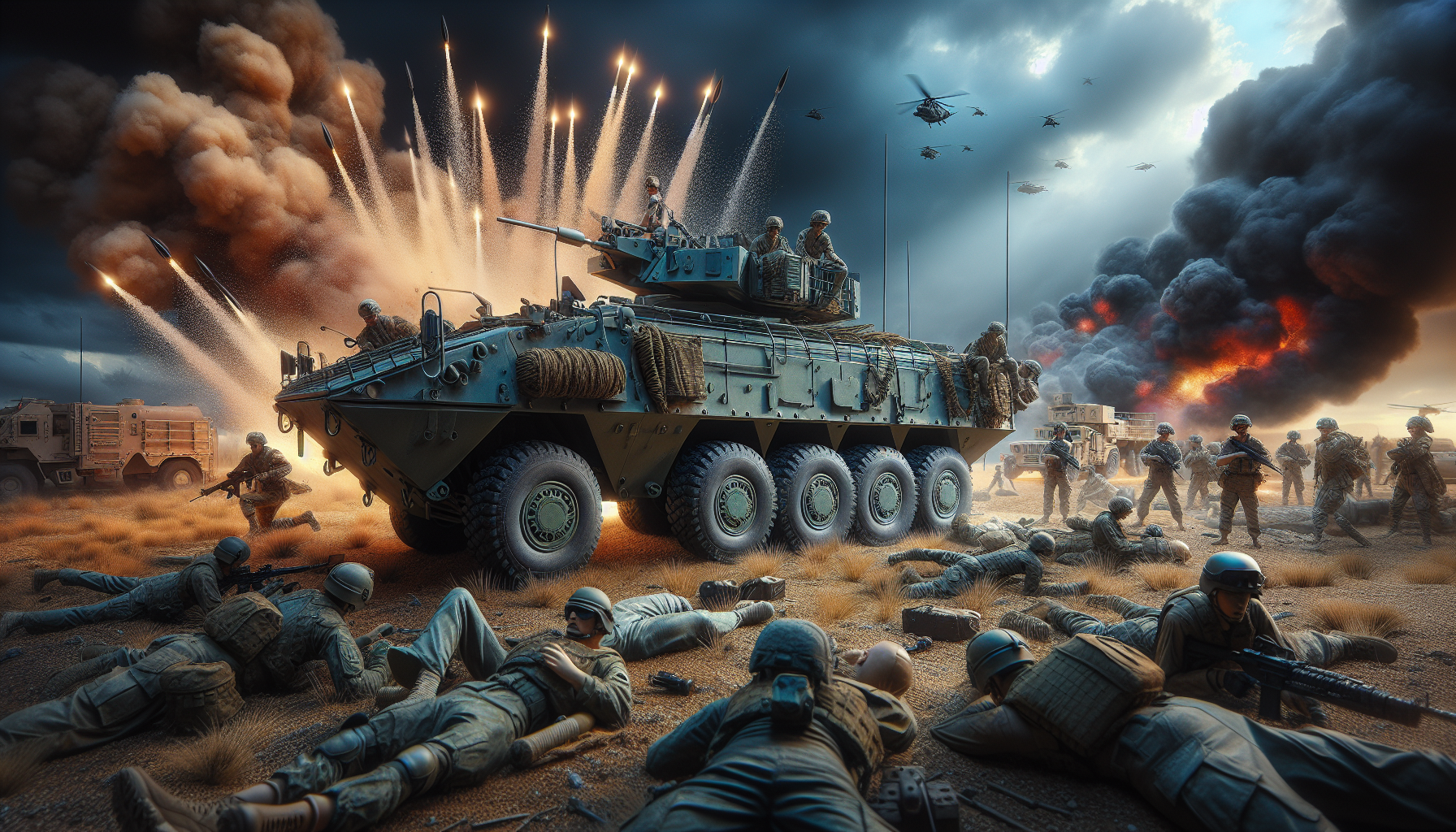
Strategic Benefits of the M10 Booker
Beyond immediate operational needs, the strategic benefits of acquiring the M10 Booker warrant investigation.
Enhanced Firepower and Versatility
The M10 Booker offers enhanced firepower that can be strategically utilized for various mission profiles, from direct confrontations to reconnaissance missions. Its versatility serves as a force multiplier in cooperative combat environments, supporting a wide array of engagements that align with the Corps’ objectives.
Mobility in Various Environments
Designed for mobility, the M10 Booker allows for rapid deployment and maneuverability across diverse terrains, enabling the Marine Corps to maintain operational flexibility in different operational theaters. This adaptability is essential for responding to rapidly evolving scenarios and unpredictabilities on the battlefield.
Support for Combined Arms Operations
The M10 Booker’s capabilities could provide critical support within combined arms operations, ensuring that mechanized, air, and infantry units achieve synergy in complex operational environments. By bolstering the Corps’ combined arms approach, the M10 Booker could enhance overall lethality and effectiveness in joint operations.
Comparison with Existing Marine Corps Vehicles
A detailed examination of the M10 Booker in the context of existing Marine Corps vehicles sheds light on its potential positioning and benefits.
Comparison with AMTRAC and LAV
The M10 Booker can be compared with the Amphibious Assault Vehicle (AMTRAC) and the Light Armored Vehicle (LAV) in terms of capabilities and intended roles. Each vehicle possesses unique features tailored to meet specific operational requirements, but the M10 Booker’s focus on providing enhanced firepower and flexibility sets it apart. Whereas AMTRAC emphasizes amphibious operation, and LAV prioritizes reconnaissance, the M10 Booker offers a more balanced approach that could coexist with its counterparts.
Operational Differences and Similarities
Operationally, the M10 Booker presents both similarities and differences with existing Marine vehicles. Like the LAV, it is designed for mobility and reconnaissance; however, the added firepower of the M10 Booker positions it uniquely within the brigade context. Yet, the Army’s previous operational struggles with the vehicle highlight the importance of approaching its potential adoption with caution and an eye towards operational efficacy.
Cost-Benefit Analysis
Conducting a cost-benefit analysis of the M10 Booker relative to its operational value is critical in substantiating any acquisition decision. While acquisition costs may be mitigated due to the vehicle’s status as an existing surplus within the Army, long-term operational viability and the associated costs of training and maintenance should not be underestimated. Balancing short-term gains against potential long-term expenditures will be essential in determining the feasibility of this acquisition.
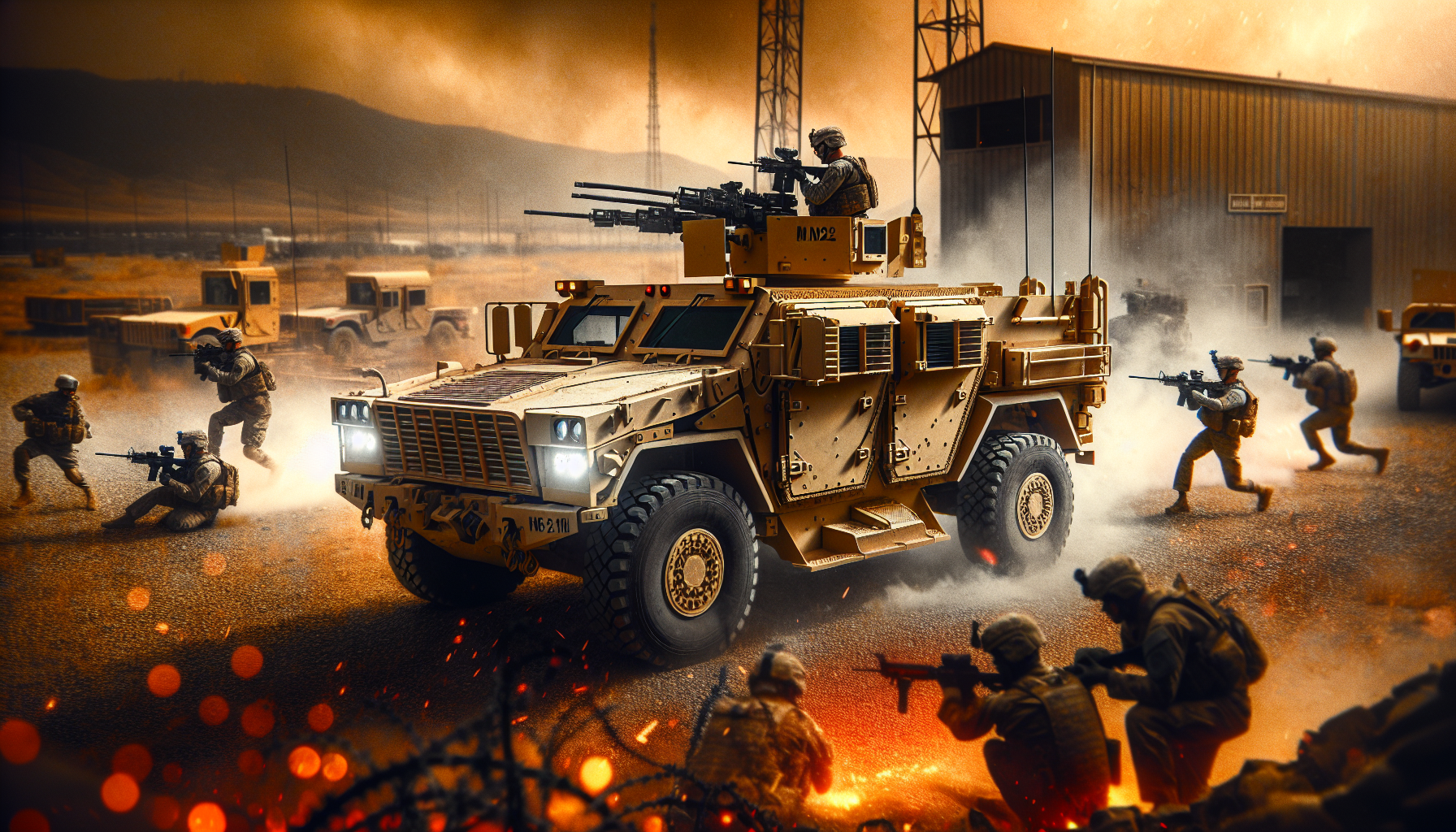
Alternative Options for the Marine Corps
In evaluating the overall strategic landscape, it is important to consider alternative options available to the Marine Corps.
Exploring Advanced Reconnaissance Vehicles
Keeping in mind the Marine Corps’ strategic shifts, exploring advanced reconnaissance vehicle solutions could provide opportunities for enhanced capability while remaining aligned with future doctrinal goals. The ongoing development of technologies such as autonomous systems may yield alternatives that exceed the capabilities of older platforms.
Other Light Armored Solutions
Investigating other light armored solutions that may be in development or available on the market can provide avenues for deploying advanced systems that address current gaps. Engaging with industry partners to explore innovative designs can yield beneficial results, aligning with modernization goals.
Innovative Approaches to Vehicle Capability Gaps
The Marine Corps must adopt an innovative mindset when tackling vehicle capability gaps. Exploring concepts such as hybrid vehicles or leveraging new materials could enhance overall performance and align with emerging combat needs. Furthermore, embracing joint collaborations with allied forces may lead to shared advancements in light armored capabilities.
Expert Opinions and Analysis
In navigating the complexities surrounding the M10 Booker, insights from military analysts and service members illuminate the conversation.
Military Analysts’ Perspectives
Military analysts have offered diverse perspectives regarding the M10 Booker’s suitability for the Marine Corps. Some endorse its potential as a rapid response option capable of improving light armored presence, while others remain cautious, citing historical challenges and operational misalignments that challenge long-term integration. Balancing these varied viewpoints can be essential to making informed acquisition decisions.
Opinions from Current and Former Marines
Input from current and former Marines provides invaluable first-hand insights that reflect real-world experiences with light armored vehicles. Perspectives on the M10 Booker, in particular, highlight the importance of reliability, operational performance, and combat effectiveness—critical factors that weigh heavily in any potential adoption.
Comparative Analysis of Historical Acquisition Decisions
Historically, decisions regarding military vehicle acquisitions have yielded mixed outcomes based on evolving operational requirements. An in-depth comparative analysis of past acquisitions provides crucial lessons pertinent to the dialogue surrounding the M10 Booker. Evaluating prior successes and failures can serve as a guide for informed decision-making regarding the M10 Booker and other prospective platforms.
Cost Implications of Acquiring the M10 Booker
Examining the cost implications involved in the M10 Booker’s acquisition presents important factors that can influence strategic decisions.
Initial Acquisition and Maintenance Costs
The initial acquisition cost of the M10 Booker may present a compelling case for consideration. With existing stock available from the Army, the financial burden may not be as significant as newer platforms. However, the potential long-term maintenance costs must be evaluated to ensure sustainability and operational readiness over the lifespan of the vehicle.
Budgetary Constraints of the Marine Corps
Operating within a constrained budget structure, the Marine Corps must carefully manage expenditures across its many programs and initiatives. Any decision regarding the acquisition of the M10 Booker must evaluate its alignment with the broader fiscal strategy and long-term planning priorities, thereby ensuring that immediate needs do not compromise future operational capabilities.
Long-term Financial Planning
Ultimately, long-term financial planning will determine whether the M10 Booker represents a viable option for the Marine Corps. Assessing its costs against the backdrop of evolving technology, emerging platforms, and operational readiness goals is vital for establishing sustainable solutions balanced against fiscal constraints.
Conclusion
Summary of Arguments For and Against
In examining the case for and against the acquisition of the M10 Booker, it is clear that the vehicle offers potential advantages, including enhanced firepower and mobility. However, the limitations of its operational history and the challenges of integration into existing Marine Corps doctrine necessitate a balanced approach.
Final Considerations on Acquisition
As the Marine Corps grapples with immediate operational needs while anticipating the future of its armored vehicle fleet, the acquisition of the M10 Booker must be examined through a strategic lens that emphasizes sustainability and adaptability.
Looking Ahead to Marine Corps Capabilities
Looking ahead, the complexity of modern warfare demands that the Marine Corps remain vigilant and adaptive. Whether through the acquisition of the M10 Booker or alternative solutions, ensuring operational readiness and adaptability in an unpredictable combat landscape will remain paramount for the Corps’ future success.