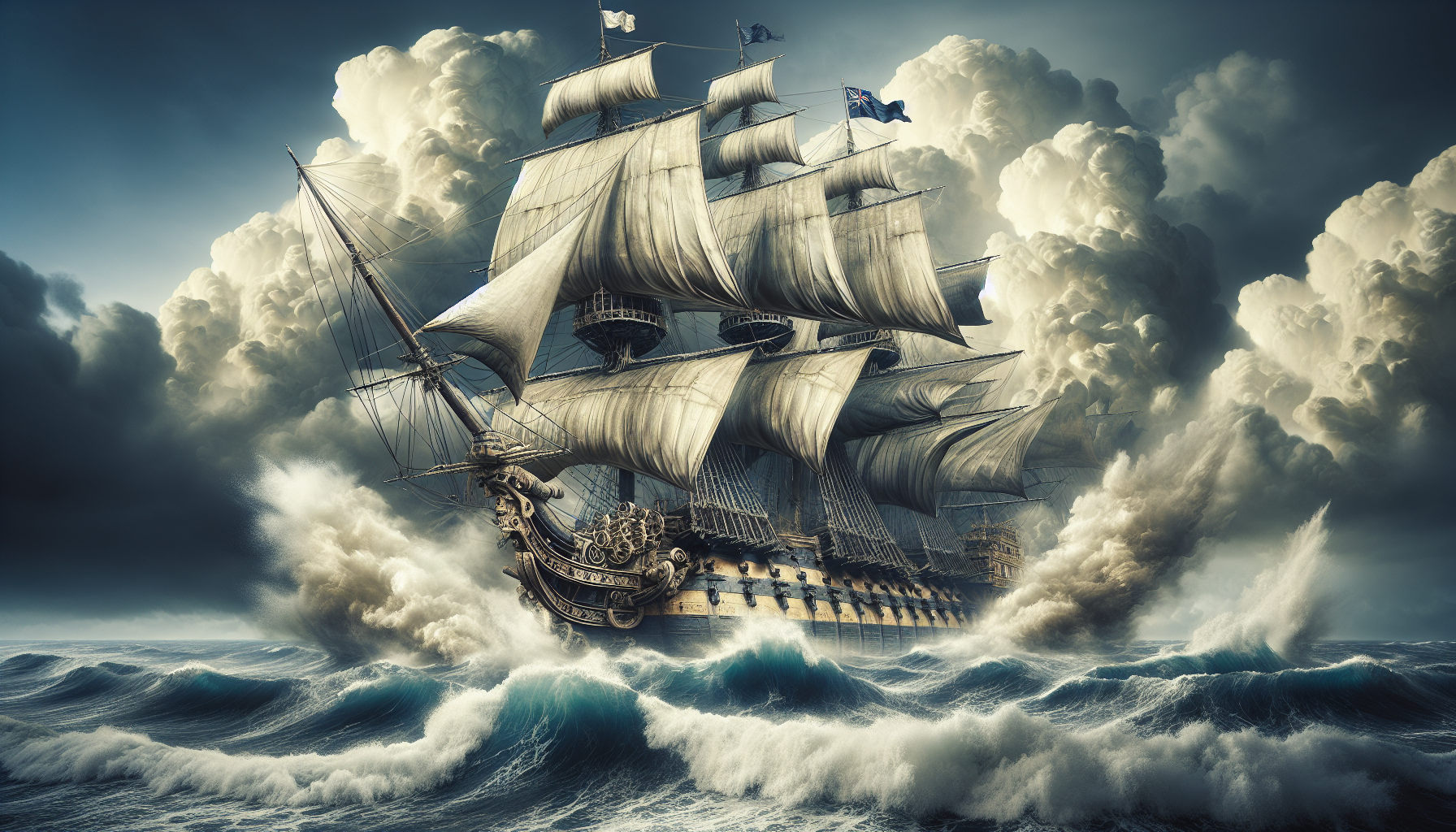
The narrative surrounding the Royal Navy during the Napoleonic era emphasizes a pivotal truth: the triumph of naval power stemmed not merely from superior vessels or overwhelming numbers, but from the individuals who navigated and commanded them. A detailed examination of key engagements, such as the Battle of Trafalgar aboard HMS Victory, reveals how the effectiveness of leadership and the cohesion of well-trained crews substantially influenced outcomes at sea.
This analysis posits that the essence of naval supremacy lay within the human element—seasoned commanders capable of swift decision-making and disciplined crews who operated in unison under pressure. By highlighting the operational intricacies and the dedication required from sailors, the text illustrates how morale and teamwork played critical roles in achieving decisive victories, thus reshaping the landscape of naval warfare in this period.
The Royal Navy: How Bold Men Won Naval Supremacy
Historical Context of the Royal Navy
Origins of Naval Power in Britain
The origins of naval power in Britain can be traced back to a confluence of geographic, economic, and sociopolitical factors that favored the development of a robust maritime tradition. Positioned as an island nation, Britain naturally turned to the sea as a conduit for trade and defense. The establishment of the first naval vessels in the medieval period set the stage for Britain’s future dominance. Early on, kings such as Edward III recognized the necessity of a strong navy to protect trade routes and assert sovereignty over surrounding waters. These nascent naval endeavors were embryonic yet pivotal, laying the groundwork for a formidable maritime power that would emerge in the centuries to follow.
Evolution of the Royal Navy through History
As centuries progressed, the Royal Navy underwent considerable transformation, adapting to the demands of various military conflicts and the expanding scope of global trade. During the Tudor period, significant advancements in shipbuilding, including the development of the galleon, enhanced naval capabilities. The establishment of a standing navy in the 16th century marked a turning point, as the Royal Navy became an essential arm of British military power. Throughout the 17th and 18th centuries, the Royal Navy engaged in numerous conflicts, notably the Anglo-Dutch Wars and the Seven Years’ War, evolving its tactics and technology in response. The Napoleonic Wars placed the Royal Navy at the apex of naval warfare, culminating in iconic victories such as the Battle of Trafalgar, which not only showcased naval prowess but also symbolized the culmination of British naval doctrine and strategy.
The Influence of Maritime Trade and Exploration
The influence of maritime trade and exploration cannot be overstated in the context of the Royal Navy’s evolution. As British merchants sought new markets and resources, the navy was tasked with safeguarding these interests on the high seas. The mercantilist policies of the 17th and 18th centuries emphasized the importance of shipping, directly contributing to the Royal Navy’s expansion. Exploratory voyages, often accompanied by naval escorts, not only sought new territories but also acted as a means to project power and influence in distant lands. The interplay between trade, exploration, and military strength reinforced the Royal Navy’s status as the cornerstone of Britain’s imperial ambitions.
The Structure of Naval Warfare
Understanding Ships of the Line
The ships of the line represented the pinnacle of naval engineering in the 18th and early 19th centuries. Characterized by their size, firepower, and distinctive three-deck configuration, these vessels were the workhorses of the Royal Navy and central to its battles. Equipped with a formidable broadside of cannons, they relied on discipline and precise coordination among crews to maximize their devastating firepower. Understanding the operational mechanics of these ships is essential, as the very structure dictated tactics on the battlefield, forcing naval commanders to make strategic decisions that would impact the course of conflict.
The Role of Naval Engagement Tactics
Naval engagement tactics evolved significantly over the centuries, relying on formations and maneuvers that capitalized on the strengths and weaknesses of ships of the line. Tactics such as the line of battle allowed fleets to concentrate firepower and present a formidable front to the enemy. Understanding these tactical maneuvers is crucial, as they demonstrate how commanders leveraged ship capabilities to adapt to dynamic combat scenarios. The ability to shift formations under fire exemplified the importance of training and leadership, which ultimately determined naval success.
The Importance of Naval Strategy and Command
Naval strategy and command function as the cerebral elements that guide engagements at sea. A commander’s capacity to integrate intelligence, logistics, and the operational capabilities of their fleet could spell the difference between victory and defeat. Strategic planning involved not only battlefield tactics but also long-term considerations, such as the establishment of supply lines and resource allocation. Leadership within naval command necessitated a blend of decisiveness, foresight, and the ability to inspire crews, encapsulating the essence of effective naval operations.
Leadership in the Royal Navy
Characteristics of Effective Naval Leaders
Effective naval leaders embody a unique set of characteristics that enable them to navigate the complexities of maritime command. Key traits include decisiveness, adaptability, and courage, as these qualities empower leaders to make rapid, informed decisions in the heat of battle. The ability to inspire trust among crew members is paramount, as a cohesive unit operates with optimal efficiency under pressure. Furthermore, great leaders demonstrate an understanding of the psychological aspects of warfare, adapting their leadership styles to address the morale and motivation of their crews.
Case Studies of Prominent Commanders
Historical analysis of prominent commanders such as Admiral Horatio Nelson reveals invaluable insights into effective naval leadership. Nelson’s innovative tactics and unyielding courage during the Battle of Trafalgar exemplify how visionary leadership can elevate a naval fleet’s effectiveness. His famous principle of dividing the enemy fleet, breaking a traditional line to gain tactical advantage, underscored his adeptness at leveraging available resources. Case studies such as these illuminate the profound impact that individual leaders can have on naval warfare and outcomes.
Leadership Lessons from the Age of Sail
The Age of Sail presents a repository of leadership lessons applicable beyond the confines of naval warfare. Leaders in this era navigated the complexities of human behavior, adapting strategies to forge unity and resilience among diverse crews. From the importance of communication to the necessity of fostering strong morale, these lessons resonate across various domains of leadership today. Understanding these historical contexts can enrich contemporary leadership practices, emphasizing how human factors remain central to effective command.
Crew Composition and Training
Demographics of Royal Navy Sailors
The demographics of sailors in the Royal Navy reflect a diverse cross-section of British society. Crews were often composed of individuals from various backgrounds, including working-class men seeking both adventure and financial stability. This diverse composition brought unique skills and experiences to naval operations, reinforcing the notion that effective naval performance emerges from the integration of varied perspectives. Understanding the social fabric of the crew is essential for appreciating the collective dynamics that powered the Royal Navy.
Training Regimens for Sailors and Artillerymen
The training regimens adopted by the Royal Navy were rigorous and multifaceted, reflecting the demands of naval warfare. Sailors underwent extensive instruction on the operation of ships, artillery, and collaborative maneuvers, instilling a sense of discipline essential for success at sea. Artillerymen received specialized training in the handling and firing of cannons, emphasizing precision and teamwork. These training regimens were not solely about skill acquisition they fostered camaraderie and unity, which contributed significantly to combat effectiveness.
Teamwork and Discipline in Naval Crews
Teamwork and discipline emerged as fundamental cornerstones of success in the Royal Navy. The chaotic nature of naval engagements necessitated a high degree of coordination among crew members, whether in manning the sails during a critical maneuver or executing a broadside attack. The fostering of a collective spirit among crew members cultivated an environment of mutual accountability and support, ultimately leading to enhanced performance under duress. Recognizing the human element in naval operations is essential for understanding how successful engagements unfolded.

Technology and Innovation
Advancements in Ship Design and Armament
Technological advancements in ship design and armament were pivotal in shaping the Royal Navy’s efficacy throughout history. The introduction of ships of the line redefined naval architecture, allowing for increased firepower and improved seaworthiness. Innovations such as copper sheathing and improved cannon designs enhanced durability and efficiency, contributing to the Royal Navy’s formidable reputation. These advancements reflect a continuous effort to adapt to the evolving landscape of maritime conflict, highlighting the interplay between technology and naval power.
The Impact of Navigation Technology
Navigation technology played a crucial role in the Royal Navy’s ability to traverse vast oceans and conduct successful operations. The introduction of intricately designed marine chronometers and advancements in cartography transformed the way sailors navigated the seas. Accurate navigation enabled fleets to maintain strategic advantages, anticipate enemy movements, and ensure the safety of supply lines. Understanding these technological factors is essential for appreciating the interconnectedness of maritime exploration and military capability.
Communication Improvements in Naval Operations
Effective communication emerged as a linchpin of naval operations, particularly as fleets engaged in coordinated maneuvers and battle strategies. Early signal flags and later innovations, such as the codebook, facilitated an improved flow of information among ships, ensuring that commands were executed expeditiously. The evolution of communication technology underscored the importance of situational awareness and adaptability in dynamic combat environments, illuminating how enhanced communication bolstered operational effectiveness.
Significant Naval Battles
The Battle of Trafalgar: Key Players and Outcomes
The Battle of Trafalgar, fought in 1805, stands as a hallmark of British naval supremacy during the Napoleonic Wars. Key players, notably Admiral Horatio Nelson, executed a daring strategy that resulted in a decisive victory against the combined Franco-Spanish fleet. The outcome cemented British naval dominance for over a century and showcased the effectiveness of Nelson’s leadership and innovative tactics. The battle exemplified not only the strategic capability of ships of the line but also the value of experienced commanders who could capitalize on prevailing conditions.
Comparative Analysis of Other Crucial Battles
While Trafalgar is often regarded as the defining naval battle of the era, comparative analysis of other significant engagements—such as the Battle of the Nile and the Battle of Copenhagen—provides a richer understanding of naval warfare dynamics. Each battle featured unique circumstances, leadership styles, and tactical decisions that influenced their outcomes. By evaluating these engagements collectively, you gain insights into the evolution of naval tactics and operational strategies that characterized the Royal Navy’s approach to warfare.
Long-term Implications of Naval Victories
The long-term implications of naval victories extend beyond immediate military gains, shaping the geopolitical landscape and influencing global trade patterns. Successful engagements not only bolstered national pride but also reinforced the notion of British naval invincibility. The ability to control sea lanes and project power abroad solidified Britain’s imperial ambitions, enabling rapid expansion and access to resources that fueled industrial growth. Understanding these implications allows you to appreciate the broader ramifications of naval supremacy on international relations and economics.
Morale and Psychological Factors
The Role of Morale in Combat Effectiveness
Morale is a critical component of combat effectiveness within naval operations. High morale among crew members leads to increased resilience and unit cohesion during engagements, often dictating the outcome of conflicts. A strong sense of purpose, loyalty to commanders, and confidence in one’s ship and crew significantly enhance the combat readiness of sailors. Understanding the psychological dimensions of warfare reveals how leadership strategies that bolster morale directly contribute to operational success.
Factors Influencing Sailor Confidence
Several factors contribute to sailor confidence, including training, experience, and a shared sense of community. Those who have experienced victories are more likely to believe in their capabilities and engage fearlessly in conflict. Additionally, effective leadership and a positive working environment foster trust among crew members, augmenting their confidence levels. These psychological aspects underscore the importance of human factors in warfare, highlighting that naval engagements are as much about the mind as they are about firepower.
Victories that Boosted Naval Morale
Significant victories throughout history have bolstered naval morale, reinforcing the belief in the Royal Navy’s capacity to prevail against adversaries. The triumph at Trafalgar, for instance, provided an immense psychological boost to sailors and citizens alike, reinforcing national pride and unity during turbulent times. Furthermore, the propagandistic narratives surrounding successful engagements served to uplift the spirits of the navy and the nation as a whole, underscoring the interplay between victories and morale.
Logistical Challenges of Naval Supremacy
Provisioning Ships for Long Campaigns
Provisioning ships for long campaigns presented one of the most significant logistical challenges faced by the Royal Navy. Ensuring that vessels were equipped with sufficient supplies—food, water, medical provisions—was essential for maintaining the health and effectiveness of the crew. Complications often arose from the need to balance supplies thus requiring careful planning and coordination to avoid scarcities that could compromise operations. Understanding these logistical factors sheds light on the complexities of naval warfare beyond the battlefield.
Crew Rotation and Management
Effective crew rotation and management held critical importance in maintaining a capable and combat-ready fleet. Long periods at sea could lead to fatigue and illness among sailors, necessitating the rotation of crew members to ensure sustained operational effectiveness. Effective management practices, such as well-timed shore leave and adequate medical care, were essential to maintain the morale and performance of naval crews. Insights into these logistical challenges underscore the intricate balancing act that commanders faced in sustaining naval operations.
Impact of Supply Lines on Naval Operations
The security of supply lines directly influenced naval operations and overall combat effectiveness. Disruptions in supply routes could severely compromise a fleet’s capacity to engage effectively. Commanders had to enact strategies to protect and secure these critical lines of communication and supply to fortify their operational capabilities. Understanding the significance of supply lines in naval warfare reveals the broader implications of logistics in achieving strategic objectives on the high seas.
The Broader Impact of Naval Supremacy
Naval Power and its Influence on Global Politics
The supremacy of the Royal Navy profoundly influenced global politics throughout the 18th and 19th centuries. Control of the seas allowed Britain to exert significant diplomatic and military pressure on rival nations, shaping the geopolitical landscape to its advantage. Naval power facilitated the formation of strategic alliances while also enabling the suppression of adversarial fleets. Recognizing the interplay between naval strength and political influence provides a comprehensive understanding of the dynamics of international relations during this period.
Economic Benefits of Naval Dominance
Naval dominance translated into considerable economic benefits for Britain. Control over trade routes allowed for the exploitation of global resources and facilitated extensive commerce, which fueled industrial growth. The protection of British trade interests at sea ensured a steady flow of wealth, contributing to the nation’s prosperity. Examining the economic ramifications of naval supremacy highlights the interconnectedness of military power and economic prosperity, underscoring how one bolstered the other.
Naval Supremacy’s Role in Imperial Expansion
Naval supremacy played a vital role in the expansion of the British Empire, enabling the establishment of colonies across the globe. The ability to project naval power facilitated territorial acquisition and control, allowing Britain to dominate key maritime regions. Naval forces served not only as instruments of military engagement but also as tools for asserting influence and governance over vast territories. Understanding the nexus between naval power and imperial expansion offers valuable insights into the motivations and mechanisms of Britain’s imperial ambitions.
Conclusion
Summary of Key Insights
The intricate interplay of leadership, crew dynamics, technological advancements, and logistical challenges collectively defined the Royal Navy’s historical trajectory. Naval supremacy was contingent not only on material strength but also on human factors—leadership, morale, and effective teamwork played pivotal roles in shaping the outcomes of naval engagements. Profiling notable battles and commanders illustrates how these elements coalesced in the service of Britain’s maritime ambition.
Reflections on Human Factors in Warfare
The Royal Navy’s history underscores the importance of human factors in warfare, revealing how the interplay of experience, teamwork, and leadership could surpass mere technological prowess. The ability to inspire confidence and foster morale among crews proved central in defining the effectiveness of naval operations, providing lasting lessons for contemporary leaders in any domain.
Future Implications of Naval Power Studies
As you contemplate the future implications of naval power studies, it becomes evident that understanding these dynamics remains critical for addressing contemporary security challenges. The lessons gleaned from the Royal Navy’s history are of timeless relevance, offering insights into the strategic importance of effective leadership, collaboration, and innovative adaptation in an increasingly complex maritime environment.