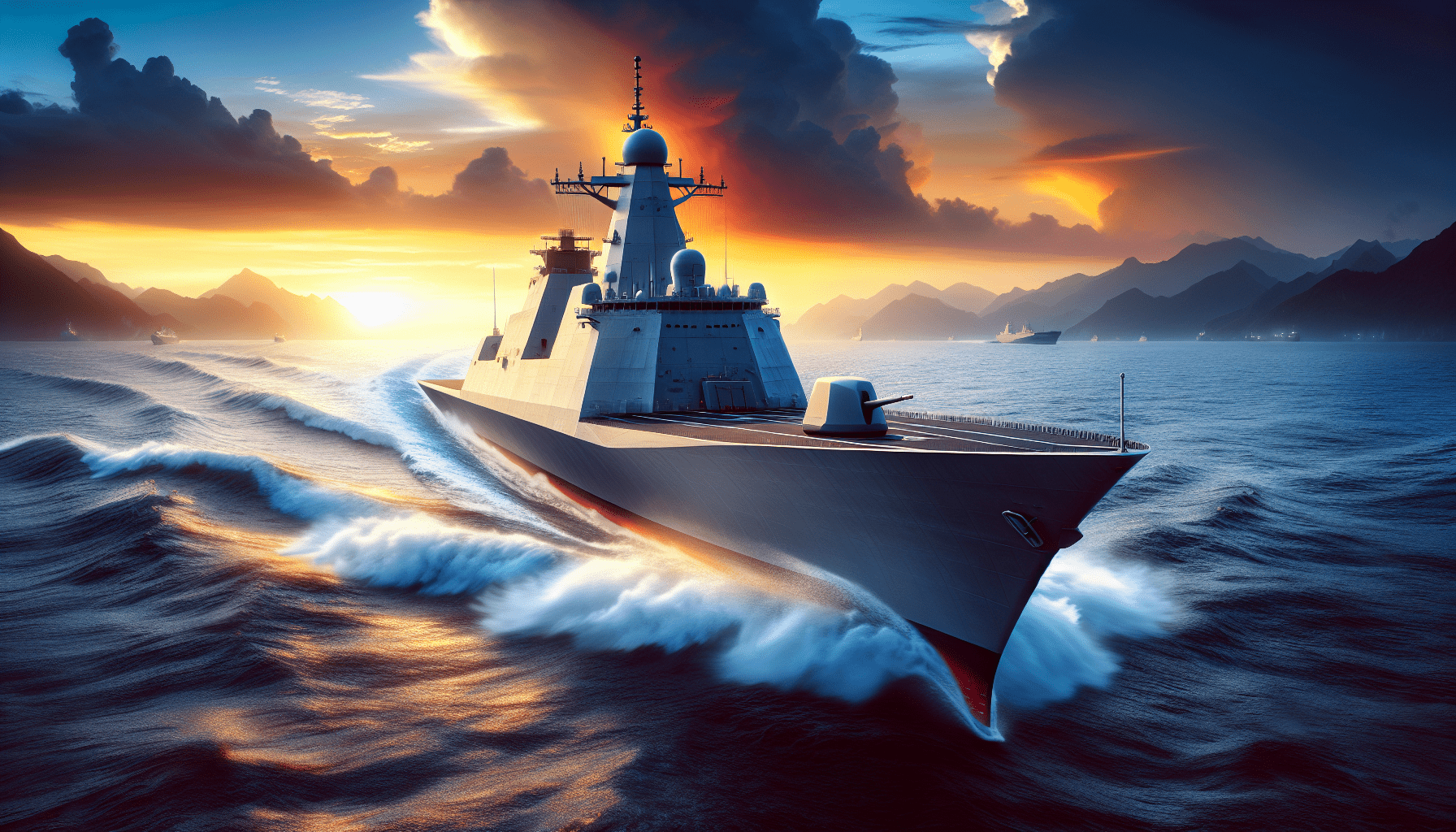
North Korea’s launch of the guided missile destroyer Cho Hun, completed in a mere 400 days, represents a significant advancement in its naval capabilities. This vessel, at 144 meters long and displacing 5,000 tons, stands as the largest warship constructed by North Korea to date. It boasts an impressive array of 74 vertical launch cells capable of accommodating various missile types, including cruise and ballistic missiles, reflecting an increasing collaboration with Russian and Chinese military technologies.
Despite its advanced armament and size, the Cho Hun’s operational effectiveness raises concerns. Current assessments reveal vulnerabilities in its defensive systems and a lack of necessary naval infrastructure, limiting its potential as a credible threat to U.S. interests in the region. This article will explore the capabilities of the Cho Hun, compare it to U.S. naval counterparts, and evaluate the implications of North Korea’s burgeoning naval power amidst an evolving geopolitical landscape.
Overview of the Cho Hun Destroyer

Introduction to the Guided Missile Destroyer
You find yourself amidst the shifting tides of military advancements, with North Korea’s launch of its newest guided missile destroyer, the Cho Hun, standing as a pivotal moment in contemporary naval warfare. This vessel represents a significant milestone in the North Korean Navy’s evolution, signaling a departure from the limitations imposed by its historical maritime strategies. As you delve deeper into this subject, the Cho Hun emerges not merely as a ship but as a declaration of intent—one that encapsulates the ambitions and capabilities of a nation often cloaked in secrecy.
Significance of the Ship’s Launch
The launch of the Cho Hun is not a mere addition to the fleet; it symbolizes North Korea’s aspirations to enhance its naval prowess. Given that this destroyer is the largest ever constructed by the country, measuring approximately 144 meters and displacing 5,000 tons, its introduction into service carries weighty implications. This vessel stands as a testament to North Korea’s technological advancements, bolstered by its alliances with nations like Russia and China. The ship’s unveilment can be perceived as an attempt to assert military presence and challenge regional stability, marking a new chapter in the nation’s military evolution.
Timeline of the Development Process
You examine the timeline that governed the construction of the Cho Hun, revealing a frantic pace of just 400 days from inception to launch. Under the shadow of a militarized and isolationist regime, this hurried timeline reflects North Korea’s urgency to project power. However, it also raises questions regarding quality and reliability, as military hardware, especially large vessels like the Cho Hun, typically requires extensive testing and refinement. This brief gestation period is emblematic of the regime’s reliance on intensive labor practices and demonstrates a robust commitment to modernization against the backdrop of international sanctions and technological isolation.
Specifications and Technical Features
Size and Displacement Specifications
In scrutinizing the Cho Hun’s specifications, you find its dimensions striking. At 144 meters long and displacing 5,000 tons, it rivals some of the larger vessels of the global navy. Such scale indicates a substantial capability but also raises questions surrounding the vessel’s stability and operational limits. You note that while the Cho Hun is comparable in length to US Navy Arleigh Burke-class destroyers, its reduced displacement indicates potential constraints in enduring adverse maritime conditions.
Vertical Launch System Capabilities
The most potent feature of the Cho Hun becomes apparent as you assess its vertical launch system (VLS), equipped with 74 launch cells that demonstrate the vessel’s offensive and defensive versatility. Capable of delivering a variety of missile types, this system allows for a diverse range of military applications—from anti-air to land attack missiles. The presence of such an extensive launch capability marks a significant advancement in North Korea’s military technology, positioning the Cho Hun as a formidable threat in armed conflict scenarios.
Armament and Guns Onboard
As you delve into the Cho Hun’s arsenal, it becomes evident that its armament is designed to maximize combat response capabilities. Equipped with a 127 mm main gun akin to those on modern warships, along with dual AK630 close-in weapon systems, this vessel is poised for multi-faceted engagements. Additional features, such as provisions for launching torpedoes and anti-tank guided missiles, underline the ship’s considerable offensive potential. However, it raises concerns regarding the integration and effectiveness of these systems, particularly in the face of advanced adversarial technologies.
Design Influences
Adoption of Russian Military Technology
You must acknowledge the conspicuous incorporation of Russian military technologies in the Cho Hun’s design, reflecting a strategic partnership that extends beyond mere diplomacy. The adoption of systems like the Pančir M, a formidable air defense mechanism, underscores North Korea’s reliance on longstanding military ties with Russia to enhance its technological repertoire. This collaboration not only provides North Korea with contemporary capabilities but also demonstrates a shift in the regional balance of power.
Incorporation of Chinese Naval Designs
Additionally, as you explore the design influences of the Cho Hun, the profound impact of Chinese naval architecture becomes apparent. North Korea has increasingly drawn from China’s innovations in shipbuilding and warfare technology. This merging of influences signifies not only a practical approach to military enhancement but also an ideological alignment as both nations face similar geopolitical challenges. Such collaboration amplifies North Korea’s ambitions to project power beyond its historical confines.
Impact of International Cooperation on Military Advancement
Your investigation into the design influences reveals how international cooperation, specifically between North Korea, Russia, and China, shapes military advancement. This collaboration allows North Korea to circumvent some of the technological barriers imposed by international sanctions, granting the regime access to advanced naval capabilities. As you contemplate this dynamic, it becomes clear that the Cho Hun embodies the potential consequences of such partnerships in an era of escalating tensions and complex geopolitical realities.
Testing and Current Status
Ongoing Testing Phases Post-Launch
As you analyze the current state of the Cho Hun, you recognize that it is still undergoing extensive testing and fitting for additional components. The vessel’s yet-unfulfilled promise of operational readiness hints at the challenges associated with bringing such advanced technology to fruition. The ongoing testing phases suggest that you cannot fully assess its combat readiness or capabilities at this juncture, with each trial serving as a critical evaluation of the destroyer’s functionalities.
Initial Performance Outcomes and Capabilities
Initial performance outcomes from testing phases provide insight into the Cho Hun’s capabilities. Following its launch, reports indicated successful firings of its main gun and several missile tests. These exercises reflect a commitment to demonstrating the vessel’s offensive potential, which the North Korean government eagerly presents as a show of strength. However, you should approach these claims with caution, given the regime’s history of propaganda and the need for actual operational testing to validate these assertions.
Planned Enhancements and Future Operational Status
Looking forward, you contemplate the planned enhancements for the Cho Hun that will likely address any deficiencies revealed during testing. The vessel’s anticipated operational status early next year will depend on the successful integration of systems and resolution of any shortcomings unveiled throughout the testing process. You recognize that the true test of the Cho Hun’s capabilities will occur once it enters active service, and its future impact on regional security dynamics remains uncertain.
Offensive and Defensive Capabilities
Main Armament Systems Overview
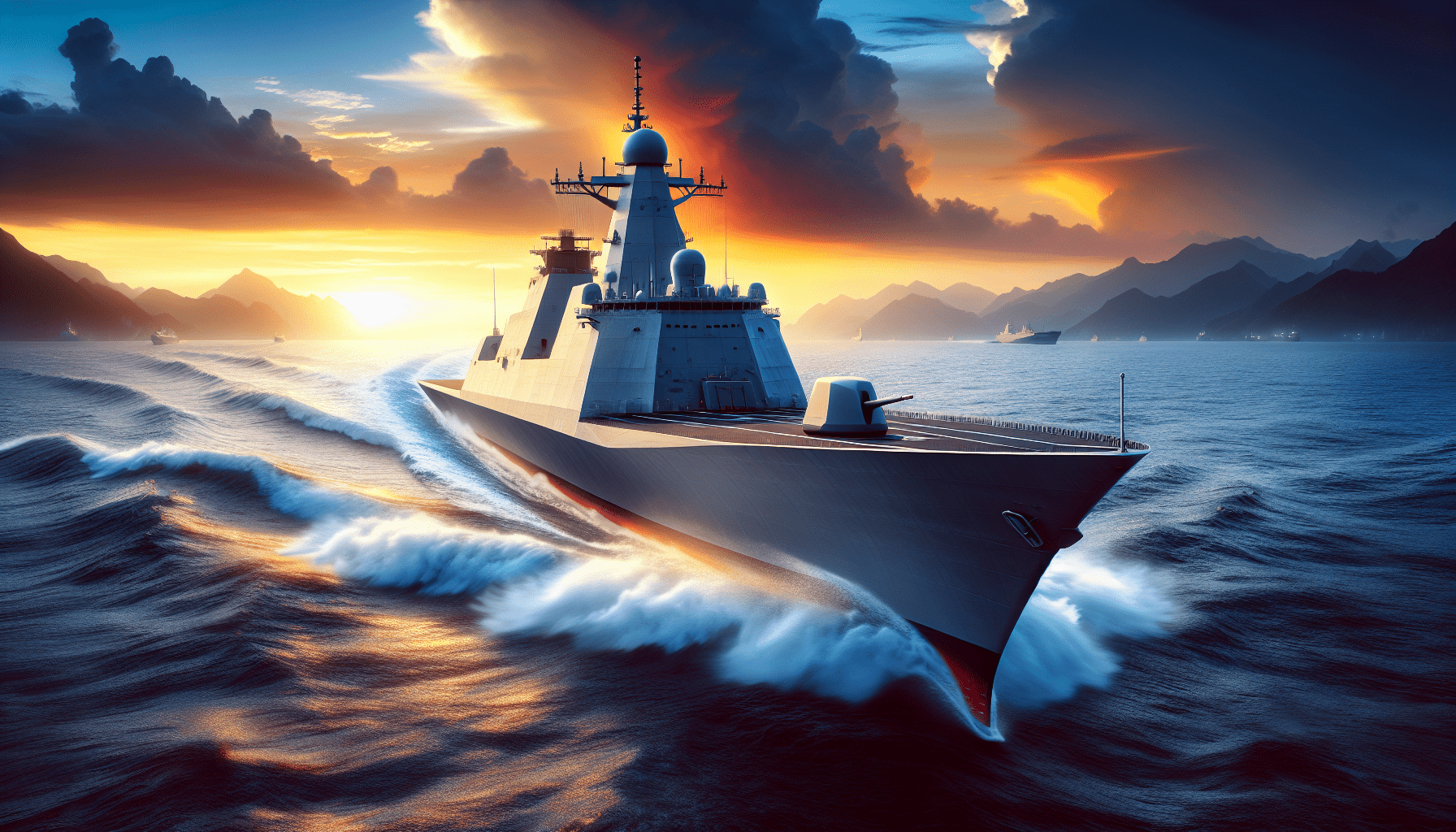
A comprehensive overview allows you to explore the main armament systems aboard the Cho Hun. The combination of a 127 mm main gun, diverse missile systems, and advanced close-in weaponry equips the destroyer for a range of conflict scenarios. This architecture enables it to engage threats from multiple dimensions, signifying North Korea’s shift toward more sophisticated naval engagement strategies. However, it also necessitates effective command and control systems to maximize the utility of these weapons during operations.
Anti-Air and Missile Defense Systems
You pay particular attention to the Cho Hun’s anti-air and missile defense systems, particularly the Pancier M system equipped with various missile capabilities. While these systems demonstrate a formidable deterrent capability, questions remain regarding their integration and effectiveness. The potential limitations of radar and fire control systems, coupled with a lack of operational testing, raise concerns about the vessel’s ability to effectively defend against modern aerial threats.
Limitations and Vulnerabilities in Combat Scenarios
As you conclude this section, you acknowledge the limitations and vulnerabilities inherent within the Cho Hun’s design. Despite its advanced features, the effectiveness of the ship in combat scenarios is subject to scrutiny, particularly in the face of modern anti-ship weaponry. Vulnerable to adversarial technologies, the Cho Hun’s operational effectiveness could be significantly reduced without support from allied forces or robust defensive mechanisms.
Strategic Implications
Potential Threats to Regional Stability
The strategic implications of the Cho Hun’s introduction into the naval theater cannot be overstated. You recognize the vessel’s potential to disrupt established regional stability by projecting North Korean military power further afield. Its ability to launch a variety of missile types poses significant threats to neighboring nations, particularly Japan and South Korea, and may serve as a catalyst for renewed military posturing in the region.
Effects on US Interests in the Pacific
Considering the broader geopolitical landscape, you must evaluate the effects that the Cho Hun could have on U.S. interests in the Pacific. Its development and potential operational capabilities threaten to shift the balance of military power in this strategic theater, compelling the U.S. and its allies to reassess their naval strategies. The introduction of advanced weapon systems from the Cho Hun could alter key operational considerations for U.S. naval assets, necessitating a reevaluation of air and maritime security.
Influence on North Korea’s Military Posture
Finally, as you reflect on the implications of the Cho Hun for North Korea’s military posture, it becomes evident that this destroyer symbolizes the regime’s aspirations to project power on a global stage. It marks a potential departure from its isolationist strategies, providing a platform for North Korea to assert its military presence beyond its immediate coastal waters. This shift could embolden North Korea to engage in more aggressive posturing, thereby complicating diplomatic efforts aimed at denuclearization and regional stability.
Comparison with Other Naval Forces
Comparison to US Arleigh Burke-Class Destroyers
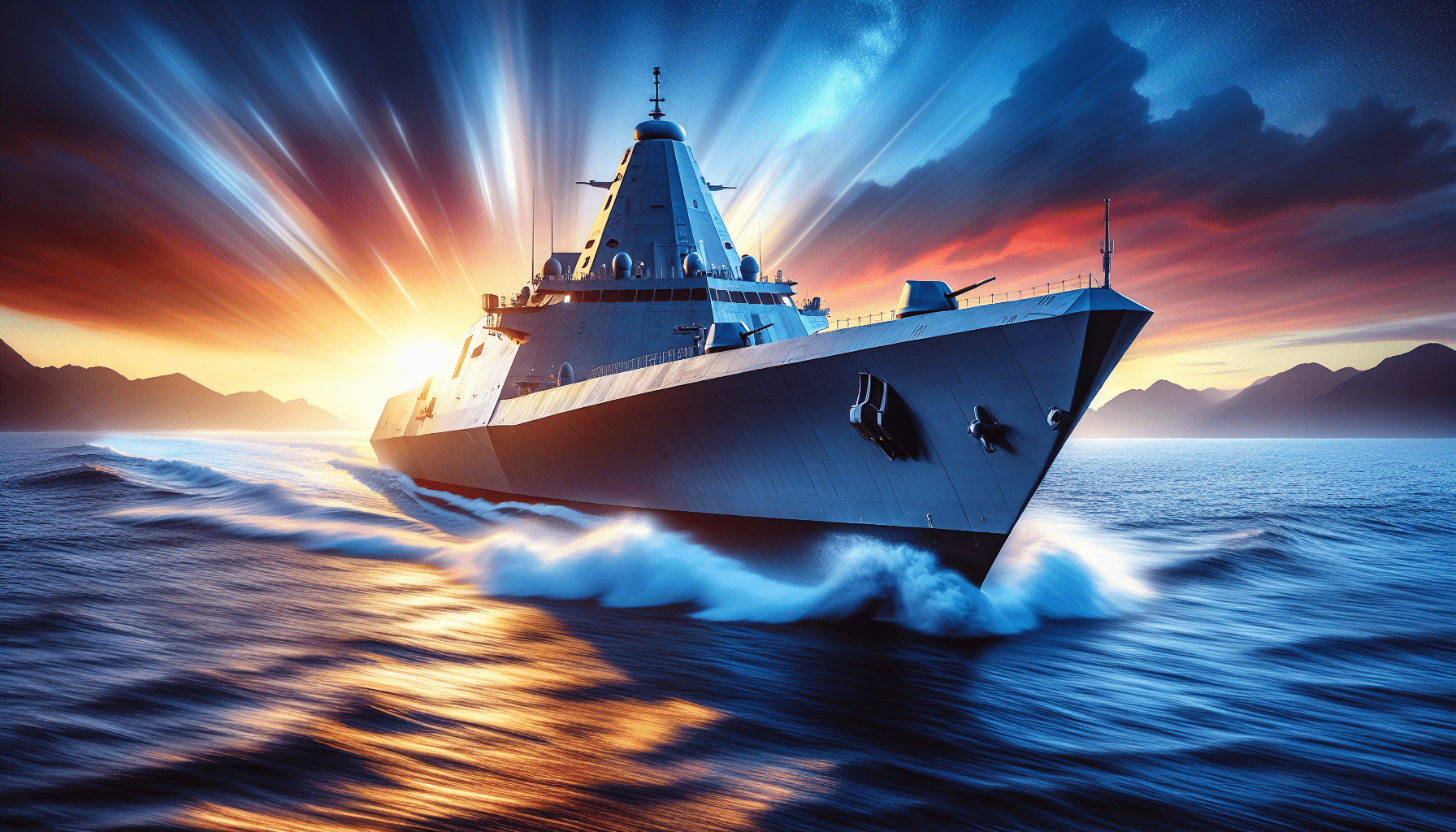
To grasp the Cho Hun’s capabilities fully, you must compare it to its U.S. counterparts, particularly the Arleigh Burke-class destroyers. While the Cho Hun may rival the length of these vessels, you note its inferior displacement and potentially limited capabilities. The enhanced technologies and proven operational histories of the Arleigh Burke-class highlight the gaps that remain within North Korea’s naval advancements, suggesting that the Cho Hun, while formidable, is not yet an equal competitor.
Evaluation of North Korea’s Naval Capabilities Relative to Peers
As you continue to evaluate North Korea’s naval capabilities relative to its regional peers, it becomes clear that the Cho Hun marks a notable advancement but does not elevate the nation’s navy to the level of its more established counterparts. North Korea’s fleet remains primarily focused on brown-water operations, with the Cho Hun serving as an outlier rather than a baseline for naval capability. The challenges inherent in modern naval warfare underscore the complexities that North Korea will face as it seeks to enhance its maritime force.
Analysis of Operational Range and Versatility
The analysis of the Cho Hun’s operational range and versatility reveals a potential expansion in North Korea’s military outreach. With the ship’s advanced missile systems, it could increase the range at which North Korean ballistic missiles could threaten adversaries, thereby extending its strategic footprint into areas like Japan, Taiwan, and Guam. However, you are reminded that operational effectiveness hinges on the vessel’s integration within a broader naval strategy, necessitating infrastructure and intelligence capabilities that remain underdeveloped.
Challenges Faced by the Cho Hun
Insufficient Naval Infrastructure Constraints
As you delve into the challenges facing the Cho Hun, you cannot ignore the limitations imposed by North Korea’s insufficient naval infrastructure. The nation’s historical emphasis on coastal defense has left it ill-equipped to support large-scale naval operations. This lack of infrastructure significantly constrains the operational effectiveness of the Cho Hun, as the logistics required to maintain and support such a vessel remain precarious.
Vulnerability to Modern Anti-Ship Weaponry
You must also consider the vulnerabilities inherent in the Cho Hun’s design, particularly its susceptibility to modern anti-ship weaponry. As advancements in missile technology evolve, the destroyer may find itself increasingly at risk. The introduction of advanced anti-ship missiles in the arsenals of regional adversaries could significantly diminish its operational capabilities, compelling North Korea to reassess its naval strategies and deterrent posturing.
Concerns Over Radar and Electronic Warfare Capabilities
Finally, you reflect on concerns surrounding the Cho Hun’s radar and electronic warfare capabilities. Lagging behind advanced nations, these systems play a crucial role in determining the destroyer’s combat effectiveness. The ability to detect, track, and engage multiple targets in a contemporary battlefield is paramount; however, questions surrounding the adequacy of the Cho Hun’s systems raise fundamental doubts about its operational viability.
Historical Context of North Korean Naval Developments
Past Successes and Failures in Naval Projects
You contemplate the historical context of North Korean naval developments, which include a mix of both successes and failures. Past projects have frequently been plagued with issues ranging from resource constraints to technological inadequacies. The Cho Hun’s emergence marks an important step forward, but it is essential to situate this vessel within the broader narrative of North Korean military aspirations, which have repeatedly faced challenges.
The Significance of the Cho Hun in North Korea’s Military Evolution
The significance of the Cho Hun within this historical context becomes clear; it reflects a commitment to military modernization that departs from previous failures. The destroyer embodies the regime’s aspirations for technological advancement and operational viability, offering a glimpse into North Korea’s evolving military strategy. This evolution encapsulates not just military hardware but a broader ambition to redefine its role within regional and global dynamics.
Previous Challenges That Have Revealed Weaknesses
As you examine past challenges that have revealed weaknesses in North Korea’s naval capabilities, you recognize the impact of failed projects that underscored systemic inefficiencies. These challenges not only reflect the limitations of the North Korean military-industrial complex but also underscore the tremendous pressure on the regime to demonstrate progress in the face of international scrutiny. The lessons learned from these experiences shape both the perception of the Cho Hun and the broader narrative of military capability within the Hermit Kingdom.
Conclusion
Summary of the Cho Hun’s Relevance and Implications
In concluding your analysis of the Cho Hun, you summarize its relevance as a significant step in North Korea’s military evolution. Its advanced capabilities and strategic implications suggest a desire to enhance its military posture in the region. However, as you reflect on the broader operational realities, it becomes clear that the destroyer faces numerous challenges that could limit its effectiveness in actual combat scenarios.
Future Outlook on North Korea’s Military Developments
Looking forward, you anticipate that the future outlook on North Korea’s military developments will be closely associated with advancements in naval capabilities, maritime technology, and strategic alliances. The fate of the Cho Hun will serve as a litmus test for the regime’s ability to adapt and thrive amid international isolation and scrutiny, ultimately shaping not only its military trajectory but also the dynamics of regional security.
Final Thoughts on Regional Security Dynamics
As you draw your reflections to a close, you ponder the complexities of regional security dynamics in light of the Cho Hun and other military advancements. The interplay between North Korean ambitions, regional responses, and international diplomacy will continue to shape the context in which this destroyer operates, influencing not just military engagements but broader geopolitical narratives in the Asia-Pacific region. The potential ramifications of the Cho Hun’s presence serve as a sobering reminder of the intricate balance of power that continues to evolve in an increasingly interconnected world.