
The Challenger 3 Main Battle Tank represents a substantial advancement in the British Army’s armored capabilities, marked by significant upgrades and the integration of new technologies. Recent live fire tests of its prototypes have demonstrated improved turret and armament configurations, including the transition from the traditional rifled cannon to a Rheinmetall L55A1 smoothbore cannon. This enhancement not only increases compatibility with advanced munitions, such as the DM 11 programmable tank round, but also incorporates a single-piece NATO standard ammunition system, thereby enhancing both safety and efficiency in ammunition handling.
In addition to its upgraded weaponry, the Challenger 3 features a sophisticated armor system designed to enhance protection and a comprehensive digital architecture that facilitates better targeting and communication on the battlefield. The tank’s development is framed within a broader strategic context, aiming to revitalize the UK’s defense manufacturing capabilities while addressing the challenges posed by diminishing numbers in ground forces. With an estimated investment of £1.3 billion, this initiative not only upgrades a significant portion of the existing fleet but also aims to generate new jobs and expertise in the defense sector, signaling a commitment to maintaining operational effectiveness well into the future.

Challenger 3 Overview
Recent Live Fire Tests of Challenger 3 Prototypes
You may have recently encountered information regarding the British Army’s Challenger 3 Main Battle Tank (MBT) prototypes, which have transitioned from the production line to live fire testing. This pivotal phase marks a significant benchmark in the development of these armored vehicles. As you delve into the specifics, consider the implications of these tests not merely as a demonstration of firepower but as critical evaluations of the Challenger 3’s overall operational capabilities.
These live fire exercises have not only validated the performance metrics of the tank’s armament and precision targeting systems but have also served to address operational readiness and crew efficacy under realistic combat conditions. You can appreciate the rigorous nature of these tests, reflecting the complex interplay between technology, human factors, and battlefield conditions that lie at the core of modern armored warfare.
Introduction to Significant Upgrades and New Technologies
As you explore the enhancements incorporated into the Challenger 3, you will discern a vast array of technological advancements that set it apart from its predecessors, notably the Challenger 2. The integration of new systems not only modernizes the combat capabilities of the British Army but also rejuvenates the defense manufacturing landscape in the UK.
The array of upgrades to the platform is comprehensive. Among them are enhancements in armament, armor, digital systems, and mobility. Each improvement is meticulously designed to ensure that the Challenger 3 can effectively adapt to emerging battlefield dynamics, enhancing the British Army’s armored capabilities in both conventional and hybrid warfare scenarios.
Impact on British Army’s Armored Capabilities
You should consider how these upgrades ultimately reinvigorate the British Army’s position in global military affairs. The modernization of the Challenger 3 signifies a commitment to maintaining robust ground forces capable of responding to diverse threats. This new level of capability embodies not just a continuation of British military tradition but also an evolution geared towards futuristic engagements, ensuring that you, as a member of the armed forces, can face an increasingly complex array of adversarial challenges.
Turret and Armament
Switch from Rifled Cannon to Rheinmetall L55 A1 Smoothbore Cannon
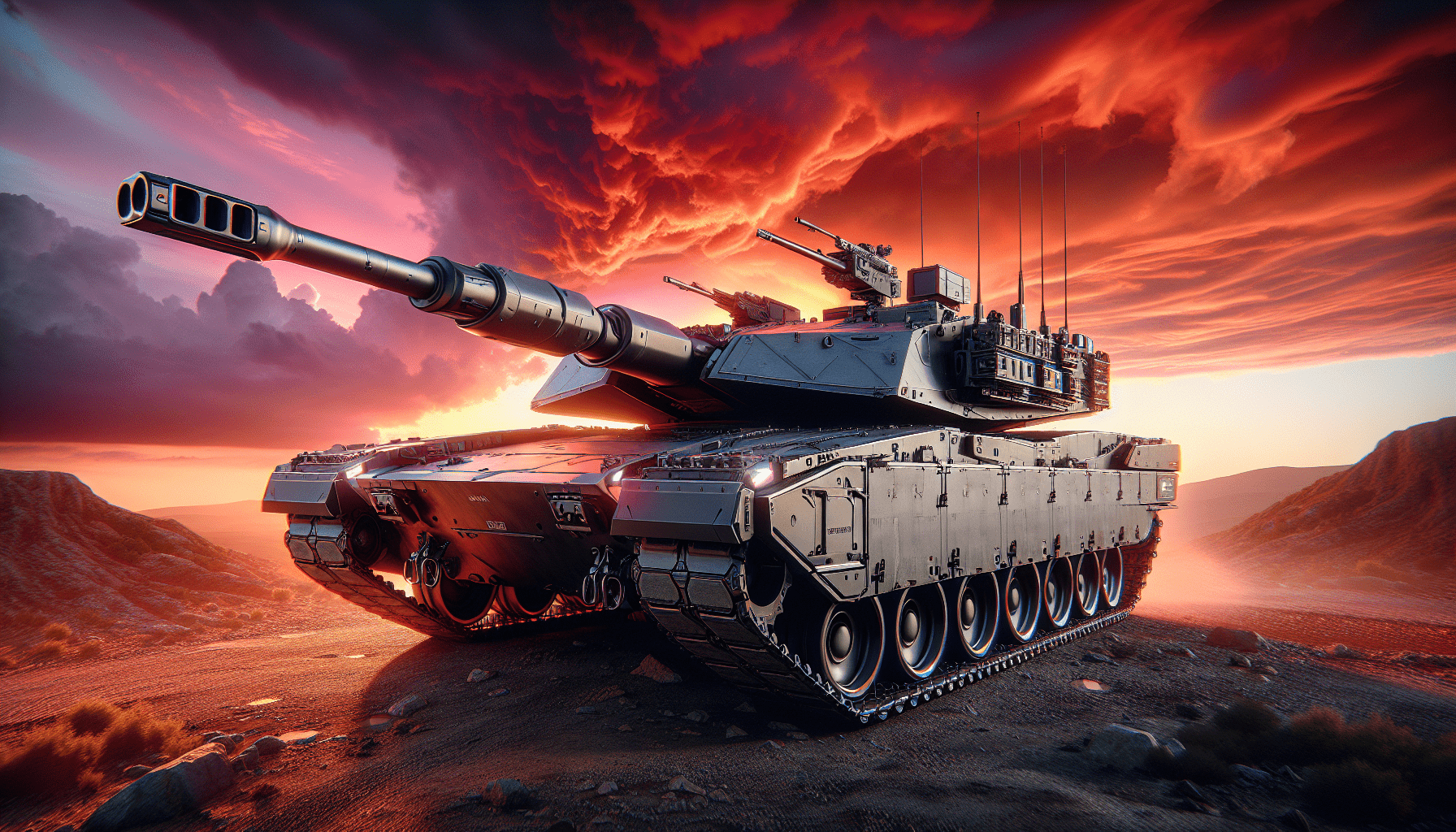
One of the most significant changes you will notice in the Challenger 3 is the transition from the traditional rifled cannon to the Rheinmetall L55 A1 smoothbore cannon. This sophisticated armament represents a paradigm shift in tank design philosophy, as it allows the Challenger 3 to utilize modern, high-pressure ammunition that enhances operational lethality.
This shift is foundational, as the smoothbore design accommodates advanced munitions that vastly improve target engagement capabilities. You now have a cannon that can unleash powerful rounds at greater velocities and with greater accuracy, allowing you to engage a broader spectrum of targets efficiently.
Capabilities of the DM11 Programmable Tank Round
An impressive feature of the Challenger 3 is its ability to fire the German DM11 programmable tank round, an innovation that takes artillery effectiveness to new heights. With multiple firing modes, this round provides you with unprecedented flexibility on the battlefield. You can set detonation parameters, allowing for tailored responses depending on the operational situation.
Such capabilities facilitate a strategic advantage, aligning precisely with the increasing demands for precision strike capabilities in modern warfare. The notion of being able to program the round to explode above, in front of, or within the target is a game-changer, one that you can leverage against a wide array of potential threats.
NATO Standard One-Piece Ammunition Storage Benefits
The transition to NATO standard one-piece ammunition storage further enhances the Challenger 3’s operational efficiency and crew safety. This modernization eliminates the previous need for two-piece ammunition, enabling a more streamlined storage solution that maximizes available space for additional munitions while minimizing the risk of accidents.
This enhancement also reflects a broader logistical consideration as it fosters interoperability with NATO allies, thereby facilitating collaborative efforts during multinational operations. You will find that such upgrades are not just technical improvements but pivotal attributes that redefine operational dynamics in joint missions.
Ammunition System
Advanced Munitions Compatibility
You will appreciate that the Challenger 3 is designed with advanced munitions compatibility in mind, allowing it to fire a diverse range of ordinance. This flexibility is crucial as it accommodates evolving combat scenarios and diverse mission requirements.
The design supports various high-tech munitions, ensuring that you are well-equipped to face a variety of threats. In an environment where adaptability is paramount, the ability to utilize a wide roster of ammunition types significantly enhances your tactical options and overall effectiveness as a combat unit.
Detonation Parameter Settings for Target Engagement
The capability for gunners to set detonation parameters directly influences your engagement strategies. The ability to control when and how a round detonates allows you to tailor your attacks with precision, whether dealing with enemy fortifications or maneuvering against armored threats.
This precision speaks to a new age of warfare in which adaptable responses are key to success. The system empowers you to execute strategies that were previously hampered by rigid ammunition types and detonation methods, offering enhanced mission success potential.
Enhanced Safety Measures in Ammunition Handling
In addition to operational features, the Challenger 3’s ammunition system prioritizes crew safety through enhanced handling protocols. The inclusion of a blast door serves as a critical safeguard against potential mishaps, particularly concerning ammunition cook-off incidents.
This commitment to safety is multifaceted, minimizing risks both during combat engagements and routine logistics. Your ability to operate under high-stress conditions is bolstered, ensuring that you can focus on mission objectives without the looming threat of operational hazards associated with ammunition storage and handling.
Armor and Protection
Introduction of New Armor Materials: Epsom and Farnham
A remarkable advancement in the Challenger 3’s design is the introduction of new armor materials, specifically Epsom and Farnham, which offer unparalleled resilience against various threats. These materials have been meticulously engineered to provide an enhanced level of protection against modern anti-tank weapons and projectiles, fortifying not just the tank’s durability but also your survivability in hostile environments.
By integrating these advanced materials, the British Army can ensure that its forces remain a formidable presence on the battlefield. You will find that these enhancements are crucial for maintaining operational effectiveness, particularly as adversaries develop increasingly sophisticated attacks against armored vehicles.
Modular Protection System Dynamics
The implementation of a modular protection system in the Challenger 3 provides you with adaptable defensive options that can be tailored to specific operational needs. This dynamic protective scheme allows for swift modifications in armor configuration based on the anticipated threat environment.
Such flexibility is essential as it allows you to optimize the tank’s capabilities for varied combat scenarios, from urban warfare to open-field engagements. The ability to adjust responses proactively contributes to an overall strategy of maintaining battlefield superiority.
Active Protection Systems (APS) like Rafael’s Trophy
In addition to robust physical armor, the Challenger 3 integrates advanced Active Protection Systems (APS), including Rafael’s Trophy. This cutting-edge technology enhances your defensive posture by intercepting incoming projectiles before they can make contact with the armored hull.
This dual-layered approach to protection not only increases your chances of survival but also transforms the tactical environment by reducing the effectiveness of enemy weaponry. As you navigate through combat theaters, this added layer of technological oversight ensures that you are equipped to confront a wide range of threats head-on.
Digital Capabilities
Advanced Digital Architecture Integration
Enhanced digital architecture represents the backbone of the Challenger 3’s modernization. This sophisticated integration allows for improved battlefield communication and coordination, critical components when operating in joint task forces or multinational coalitions.
The ability to share real-time intelligence and data on enemy movements can significantly affect operational outcomes. As a user of this advanced system, you can engage with higher efficiency, benefiting from a digital ecosystem that supports situational awareness and strategic decision-making in the heat of battle.
Artificial Intelligence for Target Prioritization
You will find that the incorporation of Artificial Intelligence (AI) systems within the Challenger 3 enhances not only your combat effectiveness but also the overall decision-making processes during engagements. AI assists in automating target prioritization and tracking, reducing the cognitive load on you as the operator.
This technology enables rapid identification of threats and optimizes firing sequences aimed at maximizing damage output against enemy positions. In an age where response times can dictate mission success, this capability grants you a decisive edge over adversaries.
Improvements in Battlefield Communication Technology
The advancement of communication technologies further propels the Challenger 3’s operational effectiveness. You have at your disposal a suite of enhanced communication equipment designed to ensure seamless information exchange across units.
These improvements facilitate coordination among team members and allied forces, enabling synchronized operations that are vital in combat situations. You can effectively engage with joint forces, fostering collaborative tactics that amplify strategic advantages on the battlefield.
Mobility and Maintenance
Upgraded Suspension System Advantages
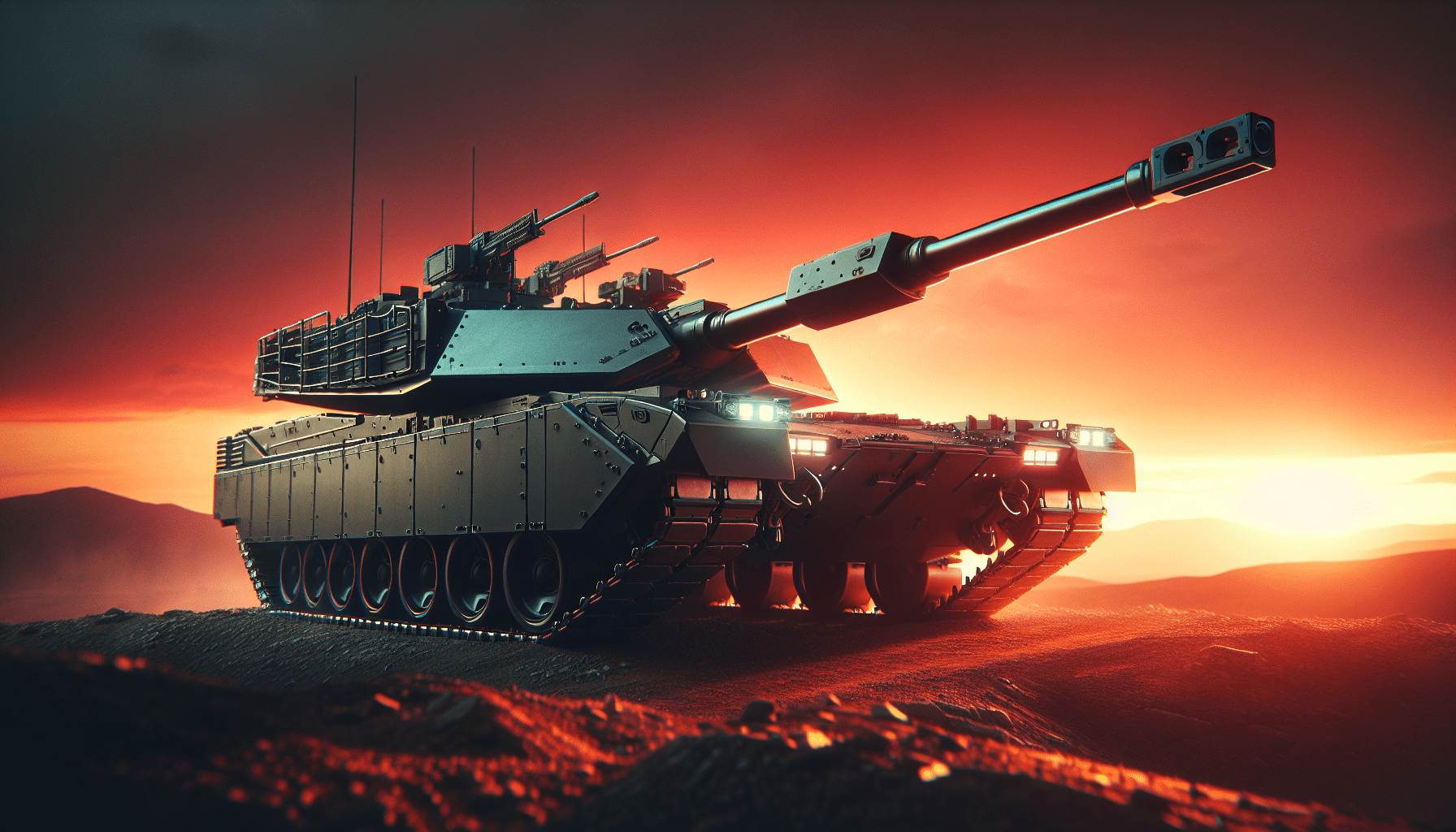
The Challenger 3 introduces an upgraded suspension system that enhances mobility and stability, crucial attributes for maintaining effectiveness during engagements. An improved suspension contributes to better handling, allowing you to navigate diverse terrains with agility while maintaining optimal firing accuracy.
You will appreciate how this advancement reduces wear and strain on the vehicle during rapid maneuvers, ultimately extending the operational lifespan of the tank. Such enhancements are essential for the modern battlefield, where agility can be as pivotal as firepower.
Analysis of Potential Weight Increase
Despite significant enhancements, you must consider the potential weight increase that accompanies the Challenger 3’s upgrades. An increased mass can affect mobility, necessitating a reassessment of engine performance to maintain optimal operational capabilities.
As you engage with the tank’s specifications, you should recognize that striking a balance between protection, armament improvements, and weight considerations is fundamental to the overall performance of the Challenger 3 in varied combat scenarios.
Need for Enhanced Engine Performance
To counterbalance potential weight increases, the Challenger 3 necessitates an upgrade in engine performance. Enhanced power systems will ensure that the tank maintains requisite speed and maneuverability, crucial in operational contexts where rapid deployment and repositioning are essential.
This consideration underscores the interconnected nature of armored vehicle design, where advancements in one domain invariably influence others. You will find that the integration of a high-performance engine elevates the operational profile of the Challenger 3, paving the way for greater engagement possibilities on the battlefield.
Economic and Industrial Impact
Funding and Investment in UK’s Defense Sector
The Challenger 3 program signifies a substantial investment in the UK’s defense sector, earmarked at £1.3 billion. This financial commitment does not merely focus on the procurement of advanced military hardware but embodies a strategic initiative aimed at rejuvenating domestic defense manufacturing capabilities.
As you contemplate the broader implications of this investment, it is clear that such funding serves to stimulate not just this specific program but the entire defense supply chain. You will witness the revitalization of the sector, fostering innovation and leading to a more robust industrial base.
Job Creation and Skill Development Opportunities
The investment associated with the Challenger 3 initiative is projected to create approximately 650 jobs in the UK defense industrial sector. This job creation is not solely about numbers; it represents opportunities for the development of specialized skills among the workforce.
You may find that this aspect of the initiative is critical, as it nurtures the next generation of engineers, technicians, and operators vital to ensure that the UK maintains technological superiority. The pathway to skill development will ultimately lead to increased resilience within the defense sector and proactive responses to evolving threats.
Upgrade Plans for Challenger 2 Tanks to Challenger 3 Standard
In tandem with advancing the Challenger 3 project, plans are underway to retrofit existing Challenger 2 tanks to Challenger 3 standards. This strategic decision reflects a commitment to maximizing the existing fleet’s capabilities while ensuring that modern technological advancements enhance the overall effectiveness of British armored forces.
You will recognize that such upgrades promote efficiency through the optimized use of resources and established platforms, maximizing their operational longevity and utility while shifting towards state-of-the-art combat capabilities.
Strategic Considerations
Focus on High-Tech Warfare and Implications for Ground Forces
The modernization embodied by the Challenger 3 underscores a broader strategic focus on high-tech warfare. This emphasis reshapes the role of ground forces, as you must be prepared to operate in more technologically complex combat environments characterized by integrated systems and multi-domain operations.
The strategic shifts necessitate adaptations in training, tactics, and even military doctrine, requiring you to embrace advanced technologies fully. The intersection of ground forces and high-tech solutions defines the future, establishing the framework for how military confrontations will unfold.
Long-Term Service Expectations for Challenger 3
You may also reflect on the anticipated longevity of the Challenger 3, which is expected to remain in service until at least 2040. Such a timeline signifies a long-term commitment to maintaining a capable armored presence, one that adapts to new threats while evolving with changing warfare paradigms.
This durability allows for sustained investment in technology and personnel, ensuring that the British Army can remain a relevant and formidable force in global military operations. You will appreciate that a forward-looking strategy extends beyond hardware to include the most efficient use of human and technical resources.
Quality Versus Quantity in UK Tank Deployments
The evolution of the Challenger 3 also invites contemplation on the ongoing debate surrounding the balance between quality and quantity in military deployments. With the British Army facing reductions in tank quantities, emphasis shifts toward ensuring that remaining platforms, like the Challenger 3, are equipped with superior capabilities, thus enhancing overall combat effectiveness.
You will recognize that this strategic decision reflects a paradigm shift in military thinking, solidifying the notion that quality, in terms of technology and readiness, may take precedence over sheer numbers in addressing contemporary security challenges.
Future of Tank Warfare
Evolving Military Strategies in Response to Modern Threats
You would do well to understand that the ongoing evolution of military strategies is an acknowledgment of modern threats, which are increasingly complex and multifaceted. The Challenger 3 is emblematic of a broader trend within military frameworks that prioritize technologically driven solutions capable of countering hybrid warfare tactics.
As the strategic landscape shifts, your understanding of adaptive approaches becomes paramount in preparing for and executing mission objectives. The recognition that future conflicts will require nuanced and innovative engagement methods will shape the interests of military planners and operators alike.
Collaboration with Allied Forces in Technological Advancements
The future of armored warfare is also marked by increased collaboration with allied forces. The Challenger 3’s alignment with NATO standards not only facilitates ammunition interoperability but speaks to the importance of shared technological advancements among partner nations.
Such collaborative approaches ensure that you remain on the cutting edge of military effectiveness, benefiting from shared knowledge and resources. You will find that engagements with international allies within various theaters of operation will ultimately enrich your experiences, informing tactical evolution on the global stage.
Anticipated Changes in Battlefield Dynamics
As you consider the integration of advanced vehicles like the Challenger 3, it becomes evident that battlefield dynamics are set to undergo substantial transformations. The fusion of armor, advanced munitions, enhanced communication, and strategic doctrines fundamentally shifts how engagements unfold.
You will adapt to a battlefield characterized by rapid maneuvering, real-time intelligence sharing, and increased lethality. This evolving landscape necessitates a comprehensive understanding of both your capabilities and those of your potential adversaries.
Conclusion
Summary of Key Upgrades and Technologies in Challenger 3
In summary, you can appreciate that the Challenger 3 embodies a series of profound upgrades and technological advancements across various spheres, including armament, protection, digital capabilities, mobility, and economic impacts. Each enhancement plays a crucial role in bolstering the operational effectiveness of the British Army’s armored forces.
The Importance of Challenger 3 in Future Military Operations
The Challenger 3 stands as a pivotal asset in the future landscape of military operations, representing a commitment to modernization within the UK’s defense capabilities. Its design ethos unequivocally aligns with the challenges and complexities of modern warfare, ensuring that you remain well-prepared to face diverse threats on the battlefield.
Final Thoughts on the Evolution of Armored Warfare
As you reflect on the evolution of armored warfare, it is essential to acknowledge that the Challenger 3 is more than just an upgrade; it is a manifestation of strategic foresight into the changing nature of combat. The trajectory outlined by this program indicates that the UK is not only adapting to current military challenges but is also positioning itself for future conflicts that demand flexibility, robustness, and innovation in armored capabilities.