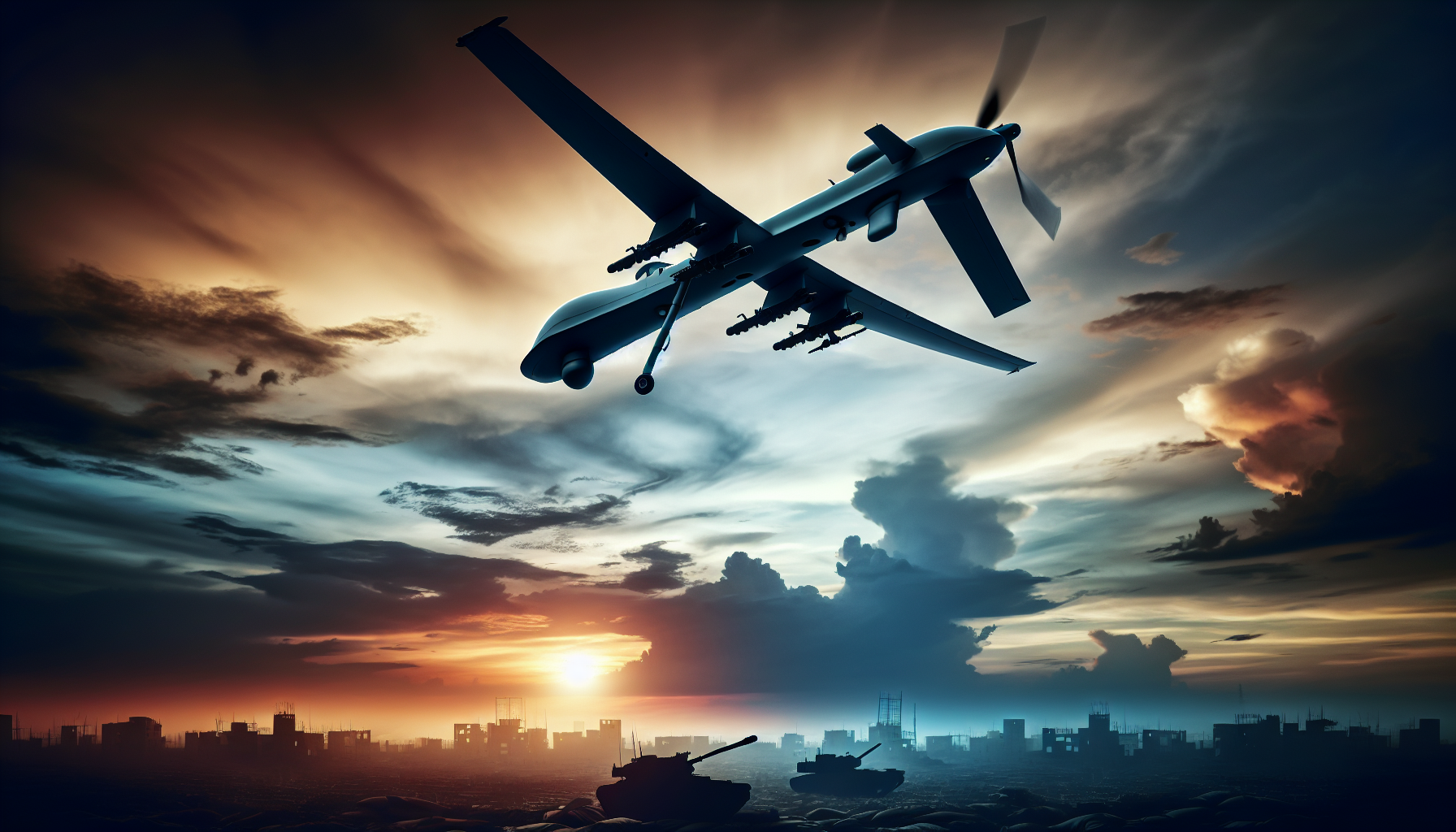
The current landscape of drone warfare reveals significant shifts in military strategy, primarily marked by the adoption of inexpensive drones that have proven effective in conflict scenarios. The recent directive from Defense Secretary Pete Hegseth signals a pivotal transformation in the U.S. military’s approach to small drones, emphasizing the need for these technologies to be regarded as cost-effective and easily replaceable assets rather than traditional weaponry. This article seeks to examine the factors contributing to the United States’ lag in drone capabilities, the advancements spearheaded by other nations like Ukraine, and the urgency for adaptation within the Pentagon and the defense industry.
Through meticulous reporting and expert insights, the article will outline the timeline of U.S. shortcomings, the governmental response characterized by new policies, and the specific areas where the military continues to fall short. Furthermore, it will explore what effective modernization in drone warfare could entail, highlighting the evolving dynamics of modern combat and the necessity for strategic innovation in response to emerging global threats.

Overview of Drone Warfare Evolution
Historical Background of Drone Usage in Conflicts
You may find it intriguing that the concept of drone warfare is not merely a recent phenomenon; rather, it has evolved from a long-standing tradition of using unmanned vehicles in military contexts. The origins trace back to World War I when rudimentary drones, known as “aerial torpedoes,” were employed for training and experimental purposes. However, it was not until the latter part of the 20th century, particularly during the Vietnam War, that the concept gained traction with the use of aerial reconnaissance drones like the Ryan Firebee. As you analyze this historical context, it becomes evident that the incorporation of drones in military operations has continuously been propelled by the demand for enhanced surveillance capabilities, cost-effectiveness, and minimizing human risk in hostile environments.
Key Technological Advancements in Drone Warfare
Notably, the significant leap in drone technology began in the late 20th and early 21st centuries, especially with the advent of more sophisticated electronics, flight systems, and communications technology. The General Atomics MQ-1 Predator, introduced in the late 1990s, marked a turning point as it allowed for armed reconnaissance missions. You should appreciate how these developments have led to the emergence of an entire category of unmanned aerial systems (UAS) that can perform surveillance, strike missions, and reconnaissance autonomously or semi-autonomously. The integration of artificial intelligence and machine learning algorithms has further transformed operational capabilities, allowing drones to make real-time decisions based on vast datasets.
Comparison of Traditional Warfare and Drone-Centric Strategies
When you juxtapose traditional warfare against drone-centric strategies, the differences are stark. Conventional military operations often hinge on the presence of large ground forces, extensive logistical support, and air superiority. In contrast, drone warfare emphasizes quick, precise strikes with minimal resources while maintaining combat effectiveness. You could argue that drone warfare not only minimizes the need for vast troop deployments but also transforms the battlefield into a space where information dominance is paramount. This strategic shift raises new questions concerning national security, military engagement policies, and the future of conflict resolution.
Reasons for America’s Lag in Drone Warfare
Prioritization of Conventional Military Assets Over Drones
You would be prudent to recognize that the United States’ historical emphasis on conventional military capabilities has contributed to its lag in the drone warfare domain. For decades, military funding and strategic planning focused predominantly on heavy artillery and armored warfare systems, often relegating drone technology to a secondary role. This prioritization has had lasting repercussions, limiting the development and integration of drones into core military strategies, leaving the U.S. vulnerable as other nations innovated more rapidly.
Bureaucratic Challenges Within Defense Procurement Processes
Equally significant are the bureaucratic challenges that you may find pervasive within defense procurement processes. The military-industrial complex often operates under lengthy and complicated procedures that inhibit agile and responsive actions, delaying critical advancements in drone technology. Consequently, you may observe that while adversaries have adopted a “test-and-learn” approach, rapidly innovating and deploying new technologies, the U.S. has struggled with inertia and regulatory hurdles.
Lessons Learned from Recent Conflicts Highlighting Drone Effectiveness
You cannot overlook the lessons learned from contemporary conflicts, particularly in areas like the Middle East, where the effectiveness of drones in surveillance, target identification, and strike missions has been demonstrated. You would see how the success of drone operations in these theaters has underscored the need for an adaptable military approach leveraging these technologies. The implications are clear: as other nations harness drone technology to obtain rapid battlefield advantages, the lessons from recent U.S. military engagements call for a strategic recalibration regarding drone integration.
The Impact of Global Conflict on Drone Technology
Ukraine’s Innovative Use of Drones in Modern Combat
You would generally find Ukraine’s innovative use of drones during recent conflicts to be a notable case study of modern warfare. The conflict has seen the integration of commercial drones for intelligence-gathering and targeting, demonstrating how non-state actors and smaller nations can effectively leverage technology to combat larger military forces. As you analyze these developments, you may conclude that traditional military hierarchies are being challenged by this democratization of drone warfare.
Case Studies from Other Nations Leading in Drone Capabilities
In examining case studies, nations such as Israel and Turkey have shown remarkable advancements in drone technology. Israel’s successful use of drones for reconnaissance and targeted strikes and Turkey’s deployment of armed drones in places like Syria and Libya underscore a strategic pivot toward unmanned combat capabilities. You might reflect on how these nations’ investments in drone technology have allowed them to exert influence disproportionate to their size or resources.
The Influence of Non-State Actors on Drone Warfare Tactics
When considering the role of non-state actors, you might recognize a transformation in drone warfare tactics. Groups operating outside of traditional military frameworks have effectively utilized commercial drones for a variety of military objectives, from reconnaissance to targeted strikes. This evolution illustrates how the barriers to entry for employing drone technology have decreased, thereby fostering an environment where new tactical methods emerge, posing unique challenges for established military powers.
Pentagon’s Response to the Drone Warfare Challenge
Recent Directives Aiming to Reform Small Drone Development
In response to these emerging challenges, the Pentagon has recognized the imperative for reforming its approach to drone development. The signing of directives encouraging the rapid prototyping and fielding of small drones, as you have noted, reflects a paradigm shift within the military, treating drones as expendable assets rather than costly investments. This proactive stance aims to accelerate the integration of drones into operational frameworks.
Integration of Drones into Existing Military Operations
Furthermore, the Pentagon has begun to actively integrate drones into existing military operations. This includes creating joint task forces that utilize drones alongside traditional platforms, enhancing their utility and flexibility in various combat scenarios. You may appreciate how this integration signifies a broader recognition of the role that drones play within a hybrid battlefield landscape, where conventional and unconventional tactics intertwine.
Increasing Collaboration with Tech Companies and Startups
Importantly, you should note the Pentagon’s renewed focus on collaboration with technology companies and startups. This partnerships aim to leverage cutting-edge innovations in drone technology, artificial intelligence, and data analytics. Such collaborations could enable the military to remain responsive to rapid technological advancements and ensure that the U.S. remains competitive on the global stage.
Current Trends in Drone Technology
Emergence of AI and Autonomous Drones
You will find the emergence of artificial intelligence (AI) and autonomous drones as a crucial trend shaping the future of drone warfare. AI-driven technologies enable drones to process vast datasets in real time, enhancing their decision-making capabilities during missions. The implications for military application are profound, as you may consider how automated systems can perform with minimal human oversight, while also raising ethical concerns regarding accountability and operational safety.
Advancements in Drone Swarm Technology
Additionally, advancements in drone swarm technology present a transformative potential. The ability to deploy multiple drones that can operate cohesively in a collective swarm to achieve tactical objectives has been demonstrated in various military exercises. You might reflect upon how this capability could revolutionize battlefield strategies, blurring the lines of traditional engagements and presenting new opportunities for asymmetric warfare.
Improved Surveillance and Reconnaissance Capabilities
In terms of surveillance and reconnaissance, the latest drones are equipped with advanced sensors, imaging technologies, and communication systems. You may recognize that these improvements provide enhanced situational awareness, allowing combatants to gather substantial intelligence while minimizing exposure to danger. This capability is pivotal, especially in environments where rapid information dissemination is critical to mission success.
Evaluating U.S. Military Drone Capabilities
Strengths of Current American Drone Systems
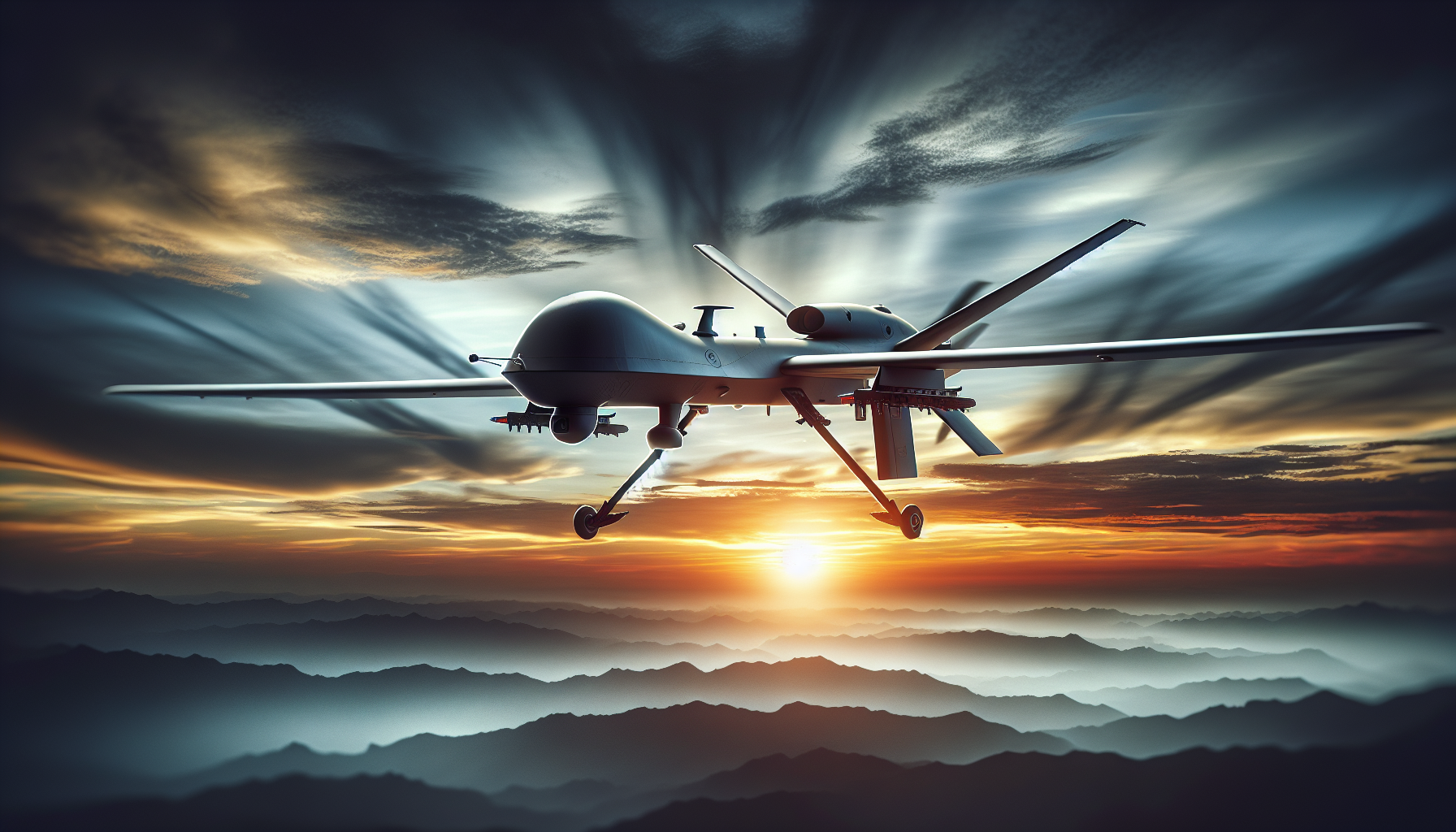
As you evaluate the current landscape of U.S. military drone capabilities, you may identify several strengths, particularly in the sophistication of existing systems like the MQ-9 Reaper. These drones offer advanced surveillance, attack capabilities, and high endurance, reflecting American technological prowess. Their versatility allows for a range of missions, including reconnaissance, close air support, and precision strikes.
Identified Weaknesses in U.S. Drone Technology
However, you must also acknowledge the identified weaknesses in U.S. drone technology. Despite possessing sophisticated capabilities, American drones have faced challenges in terms of adaptability, procurement speed, and integration with advanced AI systems. The consequences of logistical hurdles and bureaucracy are compounded by the need for rapid adaptation to emerging threats and adversaries adopting more agile drone strategies.
Comparative Analysis with International Rivals
In conducting a comparative analysis with international rivals, you would note that while the U.S. maintains technological superiority, it risks falling behind in operational tempo and innovative strategies. Nations such as China and Turkey have demonstrated a capacity for rapid deployment and integration of drones, creating a competitive landscape that requires the U.S. to address both technological and operational deficiencies to maintain its strategic edge.
Needed Innovations for Future Success
Investment in R&D for Next-Generation Drones
To achieve future success in drone warfare, you would advocate for a robust investment in research and development (R&D) focused on next-generation drones. These advancements should prioritize not only increased autonomy and operational capability but also affordability as evidenced by successful models in other countries. Transitioning to a mindset of innovation will prepare the U.S. military to respond effectively to evolving threats.
Enhancing Adaptability and Expeditious Development Processes
You might also emphasize the importance of enhancing adaptability and expeditious development processes within military research frameworks. Streamlining procurement methodologies to facilitate faster testing and deployment of innovative technologies could mean the difference between maintaining strategic superiority or ceding ground to adversaries. An agile approach, reminiscent of Silicon Valley’s rapid iteration cycles, could provide a critical advantage.
Exploring Partnerships with Private Sectors for Innovation
Finally, exploring partnerships with the private sector for innovation should be a strategic focus. By engaging with startups and established technology firms, the military can harness outside expertise to augment internal capabilities. You would note how collaborations with the tech industry can facilitate quick pivots in operational strategy and technology application, yielding significant advancements in aircraft design and combat efficacy.
Strategy for Rapid Adaptation in Drone Warfare
Creating a Culture of Innovation Within Military Branches
For rapid adaptation, cultivating a culture of innovation within military branches is essential. You should encourage leadership at all levels to prioritize experimentation with new technologies and tactics, thereby fostering an environment where failure is viewed as a stepping stone to success. Building a culture that embraces change will enable military personnel to adapt to evolving battlefield dynamics.
Implementing Agile Methodologies in Defense Projects
Moreover, implementing agile methodologies in defense projects will streamline development processes to be more akin to tech startups. You might find that short development cycles, feedback loops, and iterative design could accelerate innovation significantly. This strategy would allow the U.S. military to pivot quickly in response to adversarial tactics and emerging technologies.
Fostering International Collaboration on Drone Initiatives
You should also consider the implications of fostering international collaboration on drone initiatives. By partnering with allies in joint research and operational exercises, you can enhance collective capabilities and share vital best practices. This international cooperation could result in harmonized standards and technologies, fortifying responses to mutual threats while maximizing resource efficiency.
Ethical and Legal Implications of Drone Warfare
Debate Over the Use of Drones in Combat Scenarios
You may find the ethical implications of drone warfare to be a contentious area of debate. Concerns regarding the dehumanization of combat, the potential for errors in targeting, and the implications of remote warfare on soldiers’ mental health are prominent. Engaging in this dialogue is essential for understanding the broader consequences of utilizing unmanned systems in conflicts, fostering meaningful discourse around moral responsibility.
Legal Frameworks Governing Drone Strikes
Another critical discussion points to the legal frameworks governing drone strikes, particularly in non-combat zones or areas with sparse consensus on sovereignty. You would note how adherence to international laws, such as the Geneva Conventions, complicates operational decisions, particularly when it comes to targeted killings. Ensuring compliance with these frameworks is necessary to maintain legitimacy in military actions.
Public Perception and the Moral Implications of Drone Warfare
Lastly, public perception plays a pivotal role in shaping policies surrounding drone use. You might consider how images of drone strikes, particularly when resulting in civilian casualties, can ignite fierce backlash against military operations. The moral implications associated with drone warfare prompt a need for transparency and accountability to maintain public trust and ethical integrity.
Conclusion
Summary of Challenges and Opportunities for the U.S.
In summary, the evolution of drone warfare offers both challenges and opportunities for the U.S. military. While historical precedents have placed the U.S. at a strategic advantage, the rapid evolution of drone technology and its adoption by various actors has introduced complexities that necessitate a reevaluation of military strategies.
Future Outlook on Drone Warfare and Military Strategy
Looking ahead, the future of drone warfare will undoubtedly be shaped by the convergence of technological advancements, operational demands, and ethical considerations. You may anticipate that countries will increasingly engage in the development of hybrid warfare strategies, blending traditional and drone-centric tactics to maximize effectiveness.
Final Thoughts on America’s Potential to Catch Up
In closing, whether America can catch up in drone warfare will largely hinge on its willingness to adapt. You should reflect on the critical need for policy shifts, investment in technology, and cultural change within military institutions. While catching up will require concerted effort and strategic foresight, the potential to accomplish such a transformation exists, particularly in leveraging the innovative capabilities of both private sectors and international partnerships.