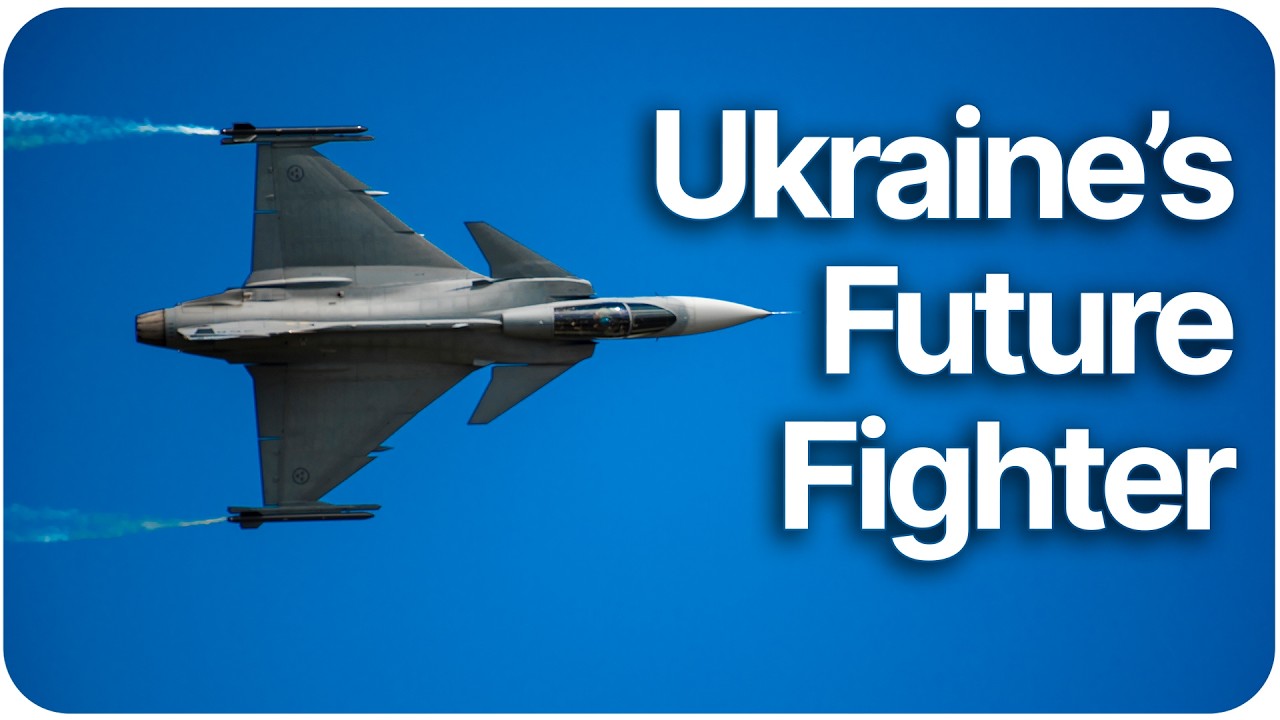
Ukraine’s pursuit of Sweden’s Gripen fighter jet is a strategic maneuver aimed at enhancing its aerial combat capabilities against Russian aggression. Originally designed to counter the threat posed by the Soviet Union, the Gripen’s robust structure, cost-effectiveness, and cutting-edge electronic warfare systems make it particularly suited for the dynamic requirements of Ukraine’s current air operations. However, the complexity of acquiring and integrating 150 units of this advanced aircraft poses considerable challenges.
This article will explore the compatibility of the Gripen with Ukraine’s military objectives, the logistical hurdles involved in fielding such an aircraft, and the potential limitations that may affect operational effectiveness. It will delve into the specifics of how the Gripen can augment Ukraine’s air power in the ongoing conflict, providing a comprehensive analysis of the implications and realities behind this significant military acquisition.
Historical Context of the Gripen Fighter
Origins and Development
The Saab JAS 39 Gripen originated in Sweden in the 1970s as a response to the shifting dynamics of air power and the necessity for a modern multi-role fighter aircraft. Designed to replace the aging fleet of Saab 35 Drakens and 37 Viggens, the Gripen was envisioned to counter potential Soviet threats during the latter stages of the Cold War. By the time of its first flight in 1988, the Gripen had incorporated cutting-edge technologies, exemplifying a marriage of agility, speed, and advanced avionics. Its development highlighted the importance of a flexible air combat platform that could perform various roles including air superiority, ground attack, and reconnaissance.
Role during the Cold War
During the Cold War, the Gripen played a crucial role in Sweden’s defense posture. Positioned strategically in Northern Europe, Sweden maintained a policy of military non-alignment while facing the direct threat from the Soviet Union. The Gripen’s advanced design allowed it to operate effectively in various environments, emphasizing guerrilla-style tactics and rapid deployment. Its ability to work from dispersed airfields enhanced Sweden’s defense capabilities, allowing it to remain elusive and difficult to target. Thus, the Gripen not only served as an air defense asset but also as a symbol of Sweden’s commitment to maintaining a robust military presence in a turbulent geopolitical landscape.
Evolution of the Gripen in Modern Warfare
With the end of the Cold War, the Gripen underwent continuous evolution to adapt to modern warfare demands. The introduction of advanced sensors, weapon systems, and network-centric capabilities has positioned the Gripen as a contender in international air combat scenarios. Furthermore, upgrades have enabled it to incorporate the latest in electronic warfare and data networking, making it a versatile player on the contemporary battlefield. As conflicts have evolved, the Gripen has showcased its adaptability, participating in international missions and peacekeeping operations, thereby reinforcing its status as a leading western fighter jet.
Current Military Landscape in Ukraine
Overview of the Air Conflict with Russia
In the wake of Russia’s annexation of Crimea in 2014 and escalating military actions since February 2022, the air conflict in Ukraine has intensified, revealing the vulnerabilities of both Ukranian and Russian air capabilities. Ukrainian airspace has been a focal point of confrontation, with Russian forces employing a mix of advanced technology and sheer numerical superiority. Ukraine’s reliance on outdated Soviet-era aircraft has significantly hindered its ability to maintain air superiority, prompting a desperate need for modernization in its air force to counteract the aggressive advances from the east.
Current Capabilities of the Ukrainian Air Force
As of now, the Ukrainian Air Force is composed predominantly of legacy platforms, such as the Sukhoi Su-24 and Mikoyan MiG-29. Despite showcasing resolve and tactical ingenuity, these aircraft lack the modern innovations and survivability features possessed by contemporary fighters, thereby impacting their effectiveness in the ongoing conflict. The reliance on aging aircraft hampers operational flexibility and presents challenges in integrating advanced munitions or adopting modern aerial tactics. The demand for modernized capabilities has never been more pressing, as Ukraine confronts a technologically superior adversary.
The Need for Modern Aircraft in Combat Operations
The shifting face of warfare has accentuated the necessity for modern aircraft to address emerging threats effectively. Advanced multipurpose aircraft like the Gripen promise to deliver enhanced situational awareness, superior striking capabilities, and adaptability within varied operational theaters. As the conflict in Ukraine continues, the integration of modern aircraft into the Ukrainian arsenal could provide a much-needed boost in deterrence and strike capabilities, paving the way for restoring air sovereignty and protecting national interests.
Why the Gripen is Attractive to Ukraine

Rugged Design and Versatility
The Gripen’s rugged design, characterized by its ability to operate from unpaved airstrips and in austere environments, makes it particularly appealing to Ukraine. The aircraft is built to endure harsher operational conditions, allowing for rapid deployment and agility in strike operations. Its versatility in roles—from air-to-air combat to ground support—enables it to fulfill multiple missions, which is central to meeting Ukraine’s diverse military needs.
Low Operating Costs
In comparison to its contemporaries, the Gripen has earned a reputation for its low operating costs. This aspect is crucial for Ukraine, as budget constraints are a persistent reality amid ongoing conflict. The aircraft’s efficient fuel consumption and reduced maintenance expenses allow for extended operational cycles without necessitating substantial financial investments. Thus, the Gripen presents a cost-effective solution for modernizing Ukraine’s air force.
Advanced Electronic Warfare Systems
The Gripen is equipped with advanced electronic warfare capabilities, allowing it to conduct sophisticated countermeasures and enhance survivability in hostile environments. Its electronic systems enable superior situational awareness, jamming capabilities, and networked communication with other combat platforms. This level of technological integration is critical for Ukraine, particularly against the backdrop of an adversary utilizing advanced aerial and missile systems.
Operational Advantages of the Gripen
Hit-and-Run Tactics
One of the defining operational advantages of the Gripen is its ability to execute hit-and-run tactics effectively. This approach is particularly suited to Ukraine’s strategic needs in a conflict characterized by asymmetrical warfare. The Gripen’s speed and agility allow for rapid strikes against high-value targets while minimizing exposure to enemy defenses. Such tactics could disrupt enemy operations and enhance the unpredictability of Ukrainian air strikes.
Short Takeoff and Landing Capabilities
The aircraft’s short takeoff and landing (STOL) capabilities provide a significant operational edge. This feature allows the Gripen to operate from shorter runways or even improvised sites, mitigating vulnerabilities associated with being stationed at permanent air bases. In a landscape where infrastructure may be compromised, the Gripen ensures continued operational capability, maximizing the effective use of available assets.
Multi-Role Functionality
The multi-role functionality of the Gripen is pivotal in an evolving theater of combat. It can seamlessly transition between air superiority missions, ground attack, intelligence, surveillance, reconnaissance, and electronic warfare, thereby negating the necessity for multiple distinct aircraft types. This adaptability can significantly reduce logistical burdens, streamline operations, and enhance strategic flexibility, all of which are crucial for Ukraine’s air force modernization efforts.
The Political and Economic Implications
Financing the Purchase of Gripen Fighters
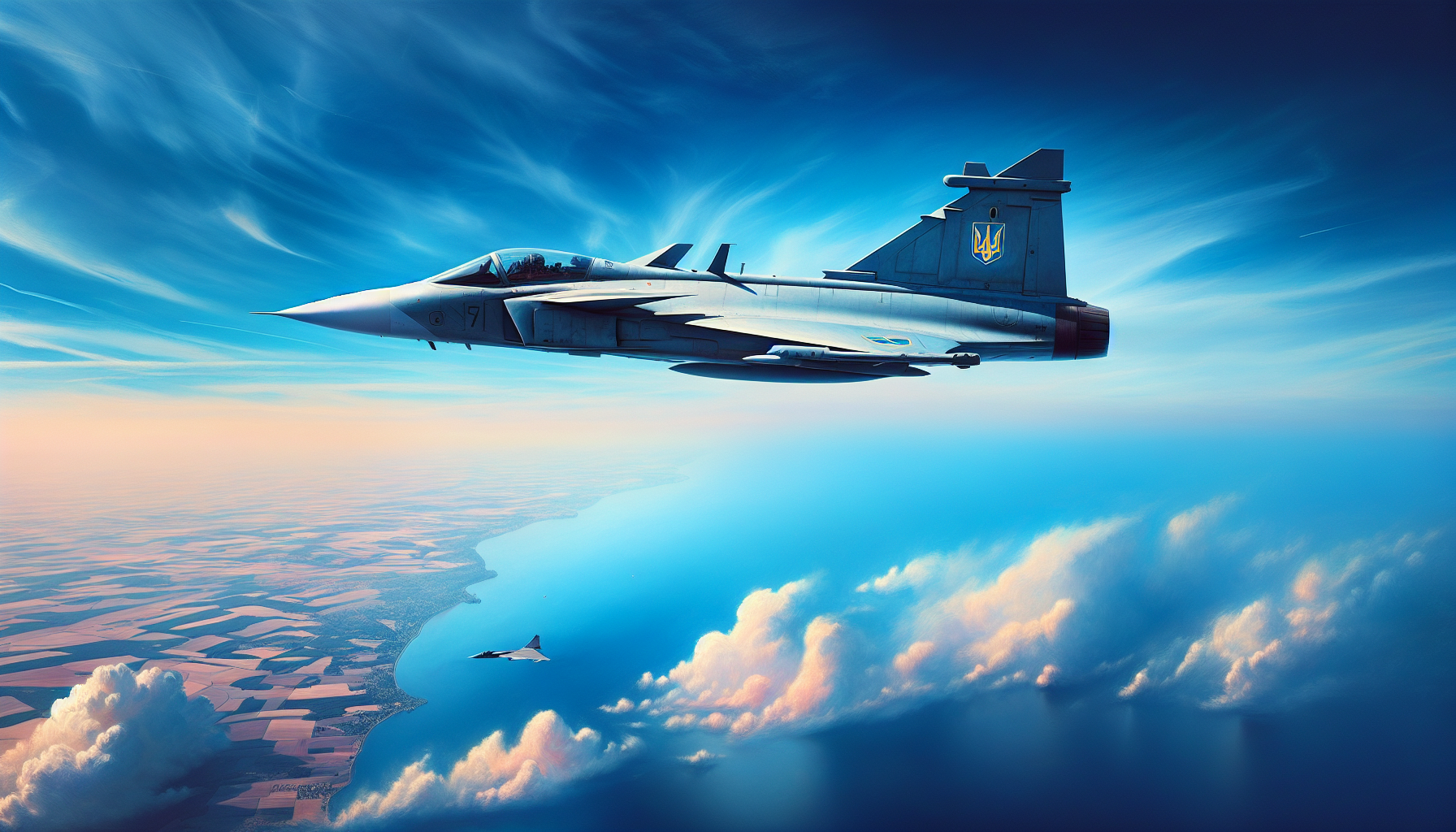
Acquiring Gripen fighters necessitates complex financing arrangements amid Ukraine’s existing economic constraints. While the investment in modern aircraft could substantially elevate defensive capabilities, the financial burden of purchasing multiple units raises pressing questions regarding international support. Options may include military aid, loans, and cooperative financing with allied nations that share an interest in countering Russian aggression.
International Relations Considerations
The process of procuring Gripens also implicates broader international relations, particularly given Sweden’s military-expenditure policies and geopolitical positions. Aligning with a modernized defense strategy necessitates not only tactical considerations but also collaborative frameworks with Western allies. Diplomatic engagement will be essential to facilitate transfers of advanced military technology while reassuring other stakeholders within the international community about Ukraine’s intentions.
Sweden’s Stance on Military Exports to Ukraine
Sweden’s historical stance on military exports has been cautious, often reflecting a commitment to maintaining stability and promoting peace. However, the urgency of Ukraine’s situation may lead to shifts in Sweden’s policy regarding military support. Advocating for a balanced approach to defense exports that supports Ukraine’s struggle against aggression whileupholding international obligations will be crucial. This delicate balance will define Sweden’s role as a key partner in Ukraine’s quest for modern air capabilities.
Comparison with Other Fighter Jets
Gripen vs. Russian Aircraft
In comparing the Gripen with Russian aircraft, such as the Su-30 and MiG-29, several distinctions in design philosophy and operational capability surface. While Russian aircraft often prioritize raw power and payload capabilities, the Gripen emphasizes agility, advanced avionics, and multi-role capabilities. The lightweight design ensures superior maneuverability, which is critical in dogfighting scenarios. Additionally, the Gripen’s advanced electronic systems provide substantial situational awareness advantages that are not as prevalent in many Russian models.
Gripen vs. Western Fighters
Against Western fighters, such as the F-16 and Eurofighter Typhoon, the Gripen positions itself as a cost-effective alternative. While established fighters like the F-16 have time-tested advantages and extensive operational data, the Gripen’s lower acquisition and operating costs, combined with modern systems, offer significant competitive advantages for a country like Ukraine. The multi-role nature of the Gripen makes it an attractive option for diverse mission profiles, furthering its appeal.
Analysis of Upgrade Options
As military technology continually advances, the Gripen remains adaptable through various upgrade options. Future enhancements may include modified weapon systems, improved avionics, and advanced missile capabilities, enabling it to maintain relevance in the context of modern aerial warfare. Analyzing these upgrade paths will assist Ukraine in making informed decisions regarding the retention of Gripen fighters as part of a long-term air power strategy.
Integration Challenges
Training Ukrainian Pilots
The successful integration of Gripen fighters into the Ukrainian Air Force hinges on adequate pilot training. Transitioning from older platforms to advanced fighter aircraft requires comprehensive training on both flying techniques and operational protocols. Establishing collaborative training programs with Sweden or allied nations would be essential in developing an effective cadre of pilots capable of exploiting the Gripen’s unique capabilities.
Maintenance and Logistics Support
Integrating new aircraft also necessitates robust maintenance and logistics frameworks. The Gripen’s advanced systems require skilled maintenance crews familiar with the latest technologies. Establishing supply chains for spare parts and technical support will present a logistical challenge but is imperative for maximizing aircraft uptime and operational readiness.
Interoperability with Existing Systems
Achieving interoperability between Gripen fighters and existing Ukrainian defense assets will be a critical aspect of successful integration. This includes coordinating communications, weapon systems, and operational doctrines with legacy air force functionalities. A comprehensive approach will facilitate smoother transitions and immediate operational effectiveness.
Limitations of the Gripen Fighter
Range and Payload Capacity
Despite its numerous advantages, the Gripen has limitations regarding range and payload capacity in comparison to larger aircraft like the F-15 or Su-30. The Gripen’s design inherently limits its fuel capacity and weapons load, which may restrict mission profiles requiring long-range engagements or extensive armament. Addressing these limitations in the context of Ukrainian operational needs may require careful mission planning.
Potential Vulnerabilities in Modern Warfare
In modern warfare characterized by advanced missile systems and integrated air defense networks, the Gripen may face vulnerabilities. Rapid advancements in tracking and targeting technologies pose risks that could compromise the operational advantages that Gripen fighters possess. Continued development and integration of advanced countermeasures will be essential to mitigate these risks.
Comparative Drawbacks Against Other Aircraft
When assessing its role in modern combat, the Gripen does exhibit comparative drawbacks relative to other aircraft. While it excels in agility and operational costs, it might not match the sheer firepower or range capabilities of larger multirole fighters. Furthermore, the Gripen’s reliance on advanced technology raises questions about survivability in highly contested environments.
Operational Scenarios in the Ukraine Conflict
Potential Deployment Strategies
As Ukraine contemplates the integration of Gripen fighters into its air force, various deployment strategies will emerge. Emphasizing dispersed operations, hit-and-run tactics, and rapid response capabilities will be vital to effectively utilize the Gripen’s strengths. Strategic planning will enhance the likelihood of successful mission execution while mitigating exposure to enemy air defenses.
Scenario Planning for Air Operations
Scenario planning remains crucial in outlining how Gripen fighters could be integrated into different operational contexts within the Ukrainian theater. Evaluating potential engagements, target priorities, and operational timelines will aid in crafting effective air combat strategies that leverage the aircraft’s capabilities. This planning will establish a framework that balances aggressive engagement with prudent risk management.
Risk Assessment in Engaging Russian Forces
The complexity of engaging well-armed Russian forces necessitates thorough risk assessments for any deployment of Gripen fighters. Understanding Russian tactics, technological capabilities, and anticipated countermeasures will inform operational planning. Ukraine must assess its readiness to adopt a combined-arms approach, integrating air support with ground and naval operations effectively.
Conclusion
Summary of Key Points
In summary, the Gripen fighter emerges as a pertinent option for Ukraine amidst ongoing military conflict. Its rugged adaptability, low operating costs, and advanced technology offer significant advantages in modern aerial warfare scenarios. However, effective integration will depend on addressing logistical, training, and operational challenges.
The Gripen’s Role in Ukraine’s Air Power Strategy
The Gripen could play a critical part in reshaping Ukraine’s air power strategy, particularly in executing counteroffensive operations while ensuring national defense. By enhancing national capabilities, the Gripen may enable Ukraine to reclaim air superiority and deter further aggression from hostile forces.
Final Thoughts on Military Support and Future Collaboration
Ultimately, the journey to integrating Gripen fighters into Ukraine’s arsenal reflects broader implications for international military cooperation and defense modernization amidst a volatile security environment. The strategic choice of the Gripen will not only shape Ukraine’s immediate military outcomes but also influence long-term collaborations with allies, as they navigate an evolving landscape of international relations in the face of shared threats.