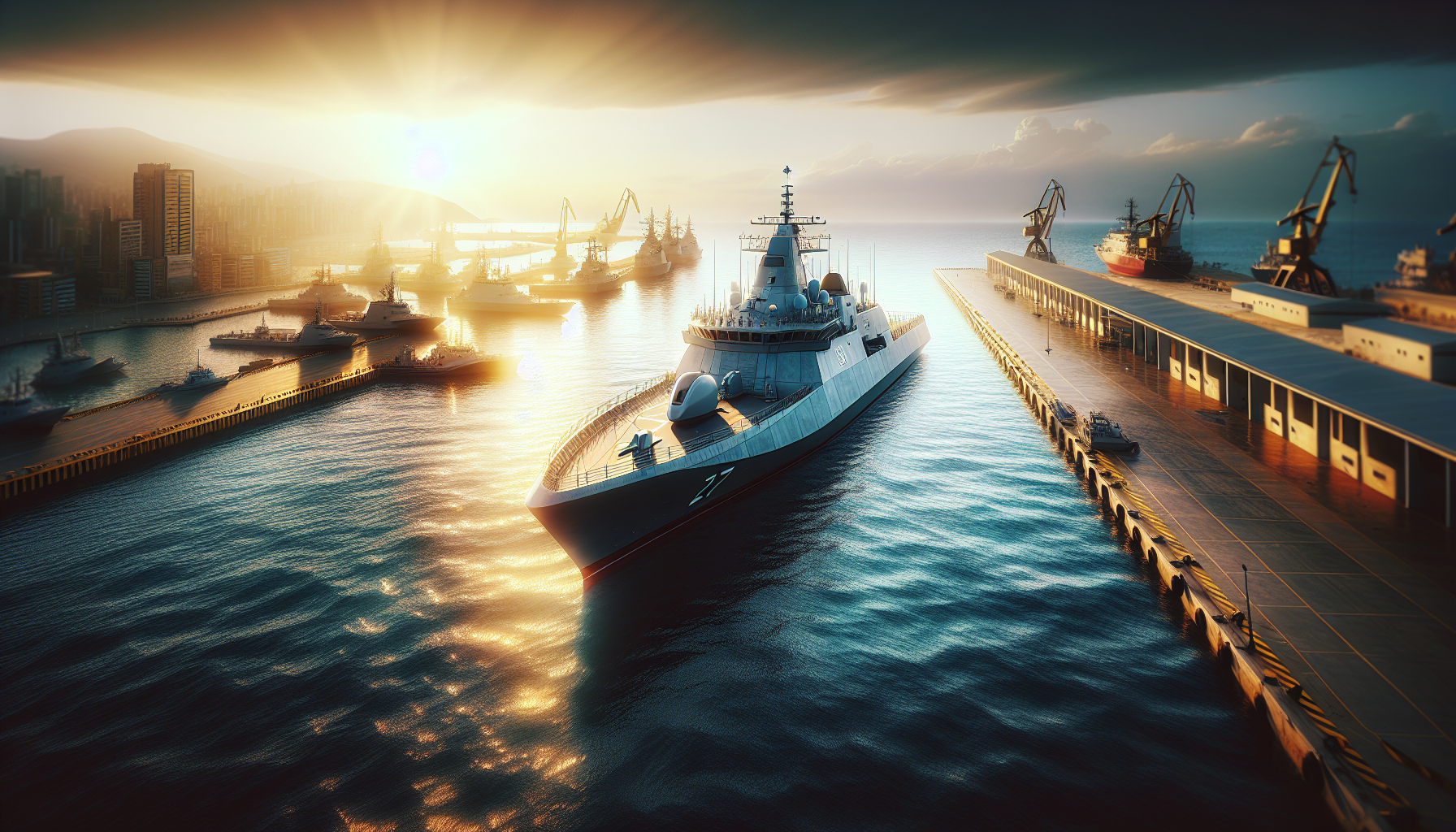
Understanding the naval capabilities of Venezuela provides critical insight into the geopolitical dynamics of the region. With a military deemed relatively robust for South America, the Venezuelan Navy asserts itself as a potential threat, not only within its neighborhood but also to global powers such as the United States. This article seeks to analyze the components that constitute Venezuela’s naval force and their implications for regional security.
The exploration of Venezuela’s naval assets will reveal various facets of its military strength, including the types of vessels in service and their strategic roles. By evaluating the overall capabilities of the Venezuelan Navy, you will gain a clearer perspective on how these elements contribute to national defense and international relations.
Overview of the Venezuelan Navy
Historical Background
The Venezuelan Navy, established in 1810 during the early stages of the country’s fight for independence, has a storied history marked by a series of strategic and tactical evolutions. Initially designed to combat colonial domination, the Navy has transitioned through various stages, including periods of modernization and challenges during political upheaval. With a backdrop of natural resources, primarily oil, and a geographic location that provides access to significant shipping routes in the Caribbean and South Atlantic, the Navy has always held a vital position within Venezuela’s military framework. The Cold War era brought an emphasis on naval modernization, particularly during the late 20th century, as Venezuela sought to assert its influence amid U.S. hegemony in the region.
Current Naval Capabilities
Today, the Venezuelan Navy comprises a diverse array of vessels designed for multiple roles, including anti-surface, anti-submarine, and amphibious operations. The Navy has approximately 30 operational vessels, which include corvettes, frigates, and patrol vessels. While often facing resource constraints and logistical challenges, the Navy maintains a posture that reflects both national pride and an assertive defense of its maritime interests. The addition of submarines bolsters its striking capabilities, allowing for deterrence in anti-access/area denial scenarios, especially in maritime disputes.
Strategic Importance in the Region
Geopolitically, Venezuela’s location, bordering the Caribbean Sea and Atlantic Ocean, grants it significant strategic importance. The Navy is tasked with securing vital trade routes, protecting maritime sovereignty, and asserting Venezuela’s claim to its exclusive economic zone. Recent tensions with neighboring nations bring further emphasis on the Navy’s role in regional stability. Additionally, the potential for offshore oil drilling and resource extraction renders the safeguarding of maritime interests even more critical, aligning naval capabilities with the nation’s economic objectives.

Naval Fleet Composition
Classes of Vessels in Service
The Venezuelan Navy operates various classes of vessels that enable it to project power and conduct missions across its territorial waters. Key components of the fleet include the Gómez García-class corvettes, which have enhanced anti-surface capabilities, and the Primero de Mayo-class patrol vessels, designed for surveillance and coastal defense. The Navy increasingly relies on a mix of older vessels alongside newer acquisitions to maintain a capable fighting force amidst financial challenges.
Submarines and Their Capabilities
Submarines represent a core component of the Venezuelan Navy’s strategy, providing it with a stealthy deterrent capable of engaging larger naval vessels and protecting vital maritime assets. Currently, the Navy operates a limited number of Russian Kilo-class submarines, distinguished by their anti-ship and anti-submarine capabilities. These submarines are equipped with advanced combat systems, allowing them to perform both offensive and defensive operations. Their strategic placement in coastal waters enhances Venezuela’s ability to monitor naval traffic and project maritime power.
Surface Combatants and Patrol Vessels
The Navy’s surface combatants, including frigates and corvettes, serve pivotal roles in safeguarding territorial waters and asserting sovereignty. The Navio de la Armada Bolivariana, for instance, is equipped for multi-dimensional operations, allowing it to respond to conventional and asymmetrical threats. Additionally, patrol vessels, numerous in number, conduct critical missions aimed at counter-narcotics operations, search and rescue, and anti-piracy efforts, demonstrating a commitment to regional maritime security.
Key Naval Bases and Infrastructure
Major Naval Bases
The primary naval bases, including Puerto Cabello and La Guaira, serve as the operational hubs for the Venezuelan Navy. These bases provide essential logistics, maintenance, and repair services, contributing to the operational readiness of the fleet. Their proximity to the coast allows for swift response capabilities to potential maritime crises and threats. Allied nations have recognized these bases as strategic points for cooperation and logistical support.
Shipyards and Maintenance Facilities
Venezuela’s naval infrastructure includes several shipyards that handle construction, repair, and maintenance of naval vessels. However, the capacity of these shipyards has been limited by economic constraints and international sanctions, rendering them less effective than in previous decades. Despite these challenges, ongoing efforts aim to enhance domestic capabilities and ensure that existing vessels remain operational, thus sustaining the Navy’s effectiveness in fulfilling its mission.
Strategic Geographical Positioning
Venezuela’s geographical location is paramount to its naval strategy. Situated at the entrance to the Caribbean Sea, it serves as a bridge between South America and international maritime routes. This positioning allows the Navy not only to defend its interests but also to collaborate with regional partners on security initiatives. Furthermore, the ability to influence maritime traffic establishes Venezuela as a pivotal player in Caribbean maritime affairs.
Modernization Efforts
Recent Acquisitions
In light of budgetary constraints, the Venezuelan Navy has sought to modernize by acquiring vessels from various international partners. Recent acquisitions have focused primarily on bolstering the fleet’s capabilities with modern equipment and systems, including advanced radars and missile technologies. Such efforts reflect a strategic intention to enhance deterrence capabilities while counteracting aging fleets and technological challenges.
Technological Upgrades
In addition to new acquisitions, the Venezuelan Navy has prioritized technological upgrades for its existing fleet. This includes updating combat systems, enhancing electronic warfare capabilities, and integrating modern communication systems among vessels. These upgrades are vital for maintaining operational relevance and ensuring interoperability with allied forces in the region.
Partnerships with Other Nations
Despite facing international isolation, Venezuela has pursued partnerships with nations such as Russia and China, primarily for military cooperation and procurement. These relationships extend to naval training programs, co-development of naval systems, and the provision of technical assistance. Such partnerships are crucial for modernizing the fleet while navigating the constraints imposed by sanctions.
Naval Training and Personnel
Training Programs and Institutions
The Venezuelan Navy has developed various training programs designed to enhance the skills and capabilities of its personnel. The Naval Academy, located in Caracas, serves as the principal institution for officer training, emphasizing naval tactics, maritime law, and operational readiness. Simultaneously, initiatives for professional development ensure that sailors remain competent in an ever-evolving maritime environment.
Recruitment and Retention of Personnel
Recruitment efforts aim to attract personnel from diverse backgrounds, fostering a professional workforce ready to serve in a complex security landscape. However, retention challenges persist due to economic conditions and the appeal of opportunities abroad. Retaining talented personnel becomes imperative for ensuring institutional memory and operational continuity.
Operational Readiness and Joint Exercises
Operational readiness is a foundational aspect of the Venezuelan Navy’s effectiveness. The Navy regularly engages in joint exercises with allied navies, aimed at enhancing interoperability and preparedness for potential conflicts. These exercises provide valuable experience and foster relationships with partner nations, thereby improving the Navy’s overall operational capabilities.
Doctrinal Focus and Naval Strategy
Venezuelan Naval Doctrine
The Venezuelan naval doctrine emphasizes the protection of its territorial waters, resources, and sovereignty in the face of perceived external threats. This defensive posture, rooted in the complexities of regional geopolitics, prioritizes deterrence and multi-layered defense strategies. The doctrine reflects an understanding of asymmetric warfare, recognizing the need for innovative approaches to confront traditional and non-traditional threats.
Defense Posture and Regional Threats
The Navy’s defense posture is characterized by a focus on safeguarding maritime integrity from regional adversaries and external powers. This position has drawn particular scrutiny from the United States, leading to a recalibration of military strategies. The Navy prepares to counter threats not only from conventional forces but also from illicit activities such as drug trafficking, smuggling, and piracy, which threaten the stability of both the nation and the broader region.
Asymmetric Warfare Capabilities
Venezuela’s naval strategy incorporates asymmetric warfare capabilities as a means of offsetting disadvantages presented by superior naval forces. Embracing unconventional tactics, the Navy aims to leverage its geographic advantages and enhance deterrence against larger adversaries. This strategy reinforces the importance of leveraging technology and harnessing partnerships to yield a more potent naval force.
Historical Naval Engagements
Significant Naval Conflicts
The Venezuelan Navy has participated in various military confrontations throughout its history, including notable naval clashes during the 19th century against Spanish colonial forces. These engagements shaped not only the Navy’s operational approach but also national identity. The more recent conflicts, characterized by operational stalemates and diplomatic tensions, continue to inform the Navy’s current posture.
Lessons Learned from Past Engagements
Historical naval engagements have imparted critical lessons regarding strategy, tactics, and international diplomacy. Analyzing past encounters prompts continued adaptation to evolving maritime threats, integration of technological advancements, and the importance of international alliances in strengthening collective security efforts. Lessons learned underscore the need for a balanced approach that considers both warfare dynamics and pragmatic diplomacy.
Impact on Current Strategy
Drawing on historical experiences, current naval strategy reflects an understanding of the complexities of regional security. Emphasizing deterrence through technology and strategic partnerships, the Navy positions itself to confront both conventional and unconventional threats effectively. This established continuity between past and present allows the Venezuelan Navy to adapt to shifting geopolitical realities while maintaining a clear focus on safeguarding national interests.
Venezuela’s Maritime Claims
Territorial Waters and Exclusive Economic Zone
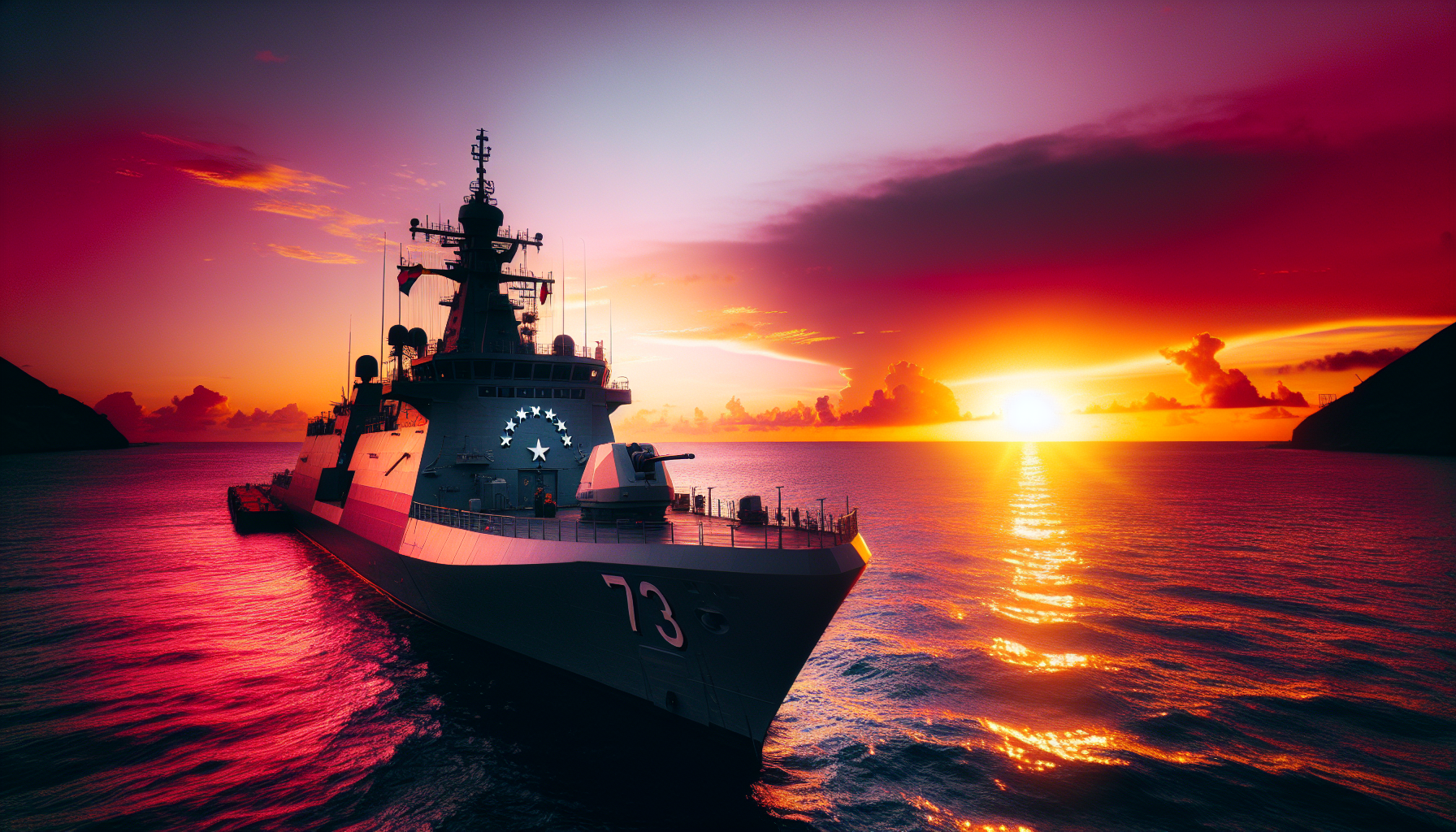
Venezuela asserts claims over extensive territorial waters encompassing its exclusive economic zone (EEZ). This claim serves dual purposes: it aims to protect maritime resources, particularly oil and fishing, and to assert national sovereignty against regional encroachments. The Navy actively monitors these waters to prevent illicit activities that threaten national security.
Disputes with Neighboring Countries
Tensions with neighboring countries, principally Colombia and Guyana, complicate Venezuela’s maritime claims. Legal disputes over maritime boundaries, driven by prospective oil reserves and fishing rights, have escalated tensions. The Venezuelan Navy plays a pivotal role in enforcing maritime claims, demonstrating the intersection of military strength and diplomatic negotiations in resolving such disputes.
International Maritime Law Implications
The assertions made by Venezuela regarding its territorial waters and EEZ are situated within the framework of international maritime law. This body of law provides guidelines for jurisdiction, rights over resources, and dispute resolution mechanisms. However, the application and interpretation of such laws often vary among states intersecting in adjacent waters, making adherence to international norms a complex endeavor.
Relations with Other Navies
Collaborations with Allied Navies
The Venezuelan Navy has established cooperative relationships with several allied navies, primarily within Latin America and the Caribbean. These collaborations focus on shared maritime security objectives, counter-narcotics efforts, and humanitarian missions. Upholding these alliances asserts a collective security framework that assists in addressing transnational challenges endemic to regional waters.
Joint Exercises and Training Missions
Joint exercises with allied navies form integral components of operational capability improvement, facilitating the exchange of knowledge and best practices. By participating in such exercises, the Venezuelan Navy enhances its capabilities and develops interoperability with partner forces. These training missions are vital for preparing the Navy for joint operations and fostering strategic relationships that bolster maritime security.
Diplomatic Channels and Conflicts
The Navy’s engagement in diplomatic channels, though often strained, remains essential for mitigating maritime conflicts. Through dialogue and multilateral forums, Venezuela seeks to navigate tensions arising from maritime claims and regional instability. Balancing military presence with diplomatic initiatives ensures that the Navy plays a constructive role in regional security arrangements.
Conclusion
Summary of Naval Capabilities
In summary, the Venezuelan Navy presents a multifaceted force that combines historical significance with contemporary relevance. Its fleet composition, strategic positioning, and naval infrastructure reflect a commitment to operational readiness and modernization despite economic challenges. The Navy’s capabilities serve not only as a military deterrent but also as a vehicle for regional cooperation.
Importance in Regional Security
Given its strategic location and evolving capabilities, the Venezuelan Navy plays a crucial role in regional security dynamics. It contributes to maritime stability and safeguards national interests while navigating complex geopolitical realities. The Navy’s ability to project power and engage collaboratively underlines its importance amidst persistent regional challenges.
Looking Ahead: The Future of the Venezuelan Navy
As the Venezuelan Navy continues to evolve, adopting new technologies and enhancing educational efforts will be paramount for its future effectiveness. Navigating economic pressures, geopolitical tensions, and modernization requirements will shape the course of Venezuela’s naval strategy. The journey ahead promises complexities, yet it also offers opportunities for reaffirming Venezuela’s maritime identity and strategic relevance.