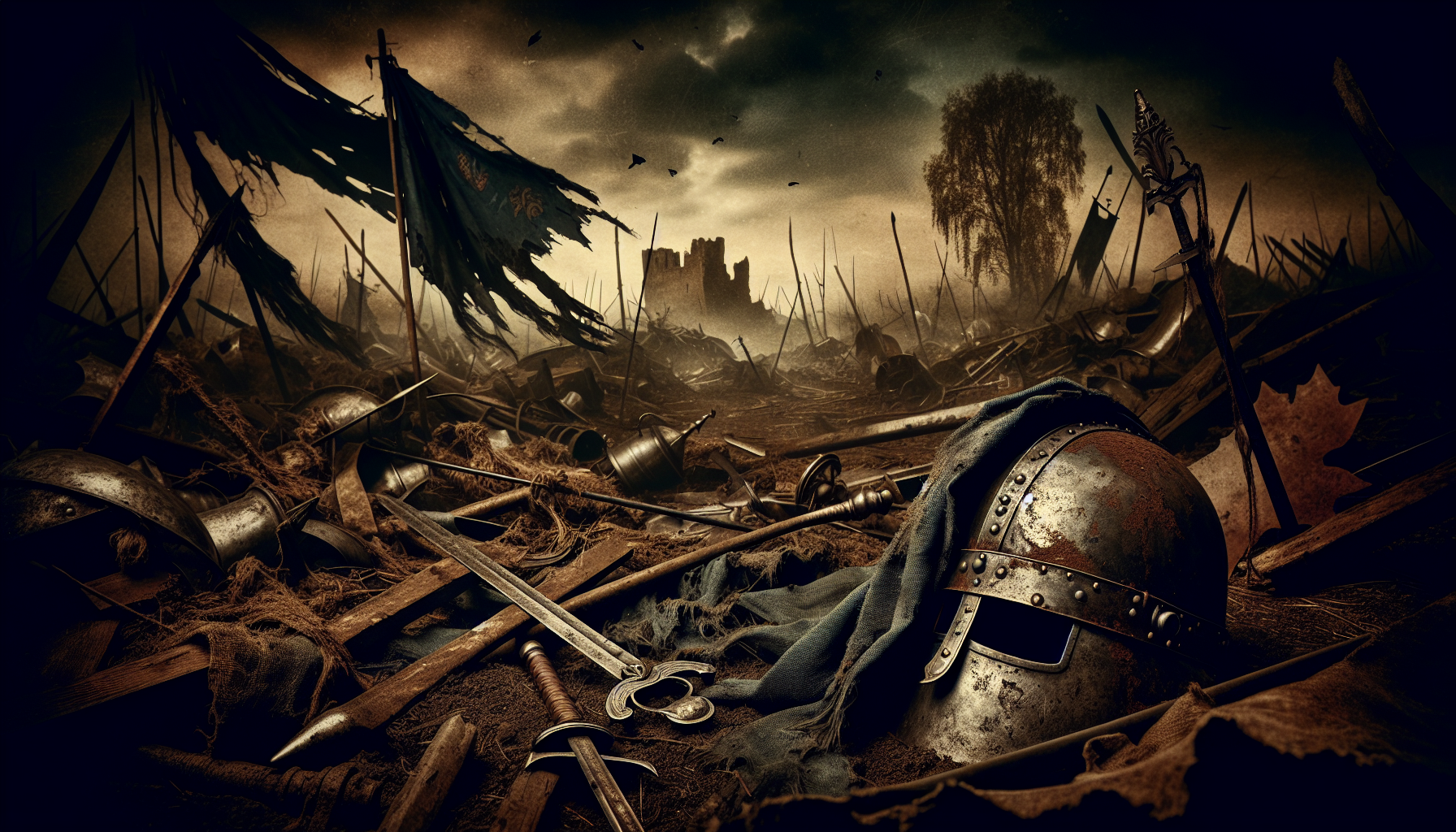
In 1618, the European continent teetered on the brink of an unprecedented conflict, one that would extend over three decades and redefine the landscape of the region. This war, ignited by religious tensions, rapidly escalated into a total war that consumed nations and devastated populations. The ensuing chaos brought forth not only violence and destruction but also tales of starvation and unspeakable atrocities, including the haunting specter of cannibalism.
The Thirty Years’ War serves as a pivotal moment in European history, illustrating the catastrophic consequences of religious strife and political ambition. This article will examine the war’s origins, its far-reaching implications, and its legacy, which continues to resonate in the present day. Through this exploration, a clearer understanding of the war’s impact on European society and its historical significance will emerge.

Overview of the Thirty Years’ War
Historical Background
The Thirty Years’ War emerged from a complex interplay of religious fervor and political ambition in early 17th-century Europe. You find yourself in a continent fractured by the Protestant Reformation and heightened tensions between Catholic and Protestant states. The war began not as a unified conflict, but as a localized struggle in the Holy Roman Empire that soon escalated, dragging multiple nations into the fray. The Holy Roman Emperor’s attempts to assert Catholic dominance ignited fierce resistance, setting the stage for a devastating conflict rooted in both faith and power.
Timeframe and Key Phases
Spanning from 1618 to 1648, the Thirty Years’ War is categorized into four distinct phases: the Bohemian Phase (1618-1625), the Danish Phase (1625-1629), the Swedish Phase (1630-1635), and the French Phase (1635-1648). Each phase reflects shifts in alliances, military strategies, and the changing nature of warfare. You observe how the initial Bohemian uprising against the Habsburgs leads to a broader crusade, as various European powers take sides, revealing not only the war’s complexity but also its escalating brutality.
Geographical Scope of the Conflict
Geographically, this conflict predominantly unfolded in Central Europe, particularly within the territories of the Holy Roman Empire, yet its ramifications were felt across the continent. Nations like France, Sweden, and Spain contributed to the war’s widening scope, utilizing the empire’s fragmented nature to fulfill their ambitions. You witness the intricate web of alliances and rivalries, which not only exacerbated the conflict but also transformed it into a true European war.
Causes of the War
Religious Tensions in Europe
The root of the Thirty Years’ War lies significantly within the religious landscape of Europe, marked by a schism between Catholicism and various Protestant denominations. You recognize the fervent Protestant Reformation as a catalyst, creating deep-seated animosities and fears among confessional groups. The tensions were acute in the Holy Roman Empire, where Protestant states resisted the Habsburg’s attempts to impose Catholic orthodoxy, setting the stage for a war over faith and governance.
Political Rivalries among Nations
In addition to religious motivations, political rivalries played a crucial role in escalating the conflict. Various nation-states sought to expand their influence, and you see this desire play out as external powers, including France and Sweden, interject in the internal struggles of the Holy Roman Empire. The ambitions of these nations often masked the core religious conflicts, showcasing how politics can intertwine with faith to create a multifaceted struggle for control and supremacy.
Economic Factors and Resource Competition
The economic landscape during this period also contributed to the conflict. Resources were scarce, and territories rich in wealth became prime targets for exploitation. As you delve deeper, it’s apparent that the competition for control over trade routes and resources intensified the animosities between the nations involved. Consequently, the war not only became a battleground for religious convictions but also an arena for economic dominance.
Major Players in the Conflict
The Holy Roman Empire
The Holy Roman Empire, under the Habsburg dynasty, served as a focal point of the conflict. You recognize that the Emperor, Ferdinand II, sought to consolidate power and restore Catholic hegemony. However, his stringent policies against Protestantism ignited fierce opposition and rebellion, particularly from the Bohemian estates, propelling the empire into a long and divisive war that would weaken its authority in the coming years.
France and its Alliances
As the war progressed, France emerged as a crucial player, despite its predominantly Catholic stance. You see how France, under Cardinal Richelieu, allied with Protestant forces to counter Habsburg influence and prevent encirclement. This realpolitik approach illustrates the boundaries of ideological commitment, highlighting how national interests often supersede religious affiliations in the calculus of power.
Sweden’s Role in the War
Sweden brought a significant military force into the conflict, spearheaded by King Gustavus Adolphus. You observe how his innovative tactics and emphasis on mobility transformed the scale and nature of warfare. The Swedish intervention was pivotal in shifting the momentum of the war and brought new military strategies that would influence future conflicts.
Spain’s Involvement
Spain, as a key ally of the Habsburgs, also played a vital role, seeking to restore Catholic dominance in Europe. You notice that Spanish troops were deployed in several critical theaters of battle, representing both the political aspirations of the Spanish Crown and their commitment to the Catholic cause, further complicating the already fraught dynamics of the conflict.
Key Battles and Campaigns
Battle of White Mountain
The Battle of White Mountain in 1620 marked a decisive defeat for the Protestant forces in Bohemia. As you analyze this battle, you see its implications were far-reaching; it not only solidified Habsburg control but also underscored the volatility of alliances during the war. The Catholic League’s victory laid the groundwork for reestablishing Catholic dominance in the region.
Battle of Breitenfeld
In 1631, the Battle of Breitenfeld emerged as a turning point in favor of the Protestant forces, led by Gustavus Adolphus. You recognize this battle as significant for its demonstration of innovative tactics, which reshaped battlefield strategies in the 17th century. The victory invigorated Protestant morale and shifted the war’s momentum significantly, prompting further intervention from various European powers.
Siege of Magdeburg
The Siege of Magdeburg in 1631 displayed the somber realities of war. The city was brutally captured by Imperial forces, leading to large-scale destruction and loss of life. You see this event not merely as a military defeat but as a grim symbol of the war’s brutality, encapsulating the harsh experiences of civilians caught in the crossfire.
Battle of Rocroi
In 1643, the Battle of Rocroi symbolized the decline of Spanish military supremacy in Europe. You witness the French forces, under the command of the Duke of Enghien, decisively defeating the Spanish troops, which marked a turning point in the war. The battle also signified the shifting balance of power in Europe, heralding the beginning of a decline for the once-mighty Spanish Empire.
Impact on Civilians
Destruction of Rural Communities
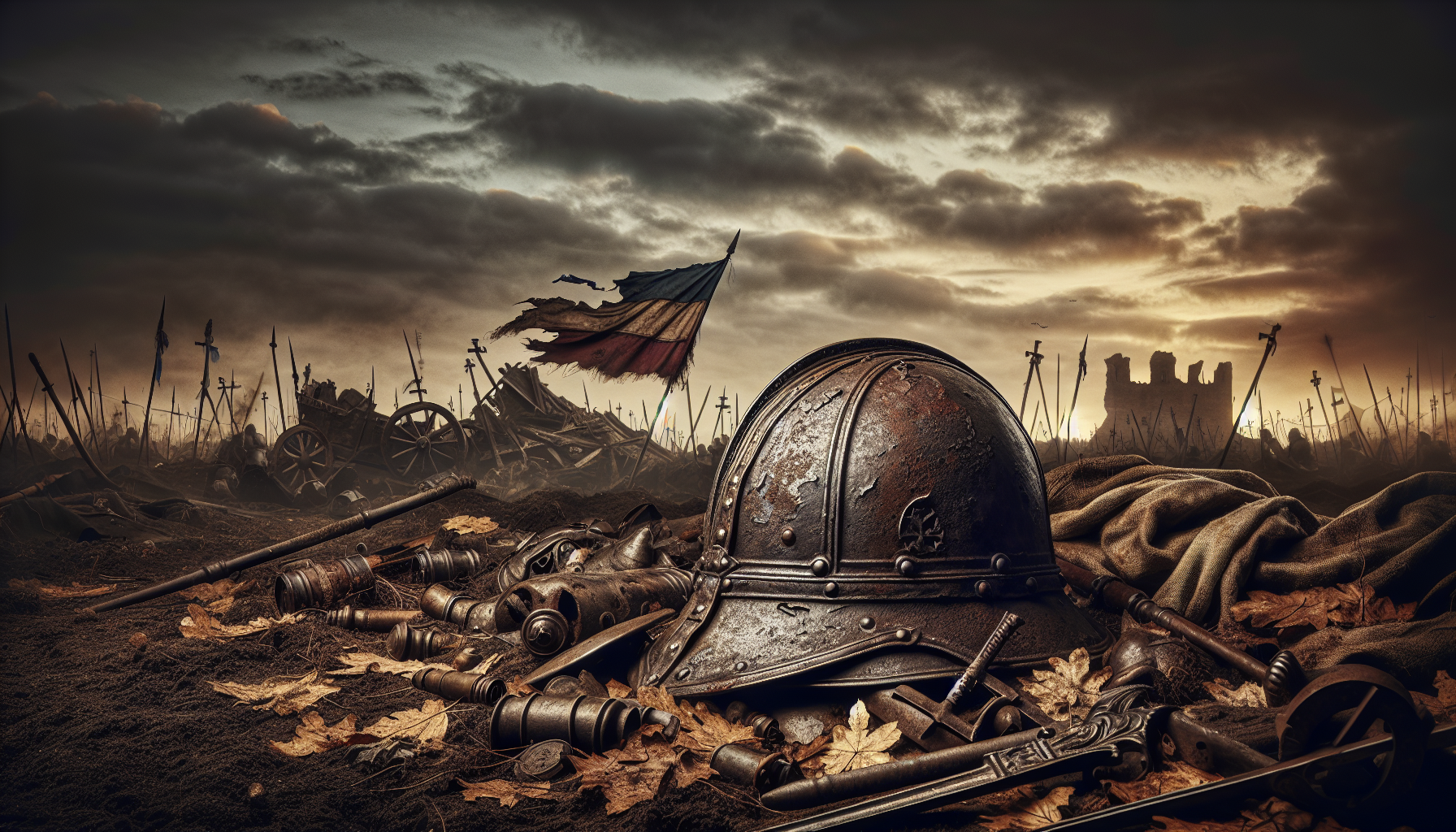
The warfare wrought immense destruction on rural communities throughout the continent. As you delve into the civilian toll, the devastation left in the wake of battles manifests in widespread displacement and destruction of livelihoods. The relentless nature of the conflict led to entire villages being razed, resulting in long-term ramifications for the agricultural and social fabric of Europe.
Plague and Starvation
The warfare exacerbated existing humanitarian crises, as famine and disease swept through the afflicted territories. You acknowledge how the movement of armies disrupted local economies and agricultural production, leading to widespread starvation. Additionally, the plague resurfaced during the war, claiming countless lives and further compounding the human suffering associated with the conflict.
Psychological Effects and Rumors
The psychological impact of the Thirty Years’ War on civilians was profound. You contemplate the trauma caused by incessant violence, leading to pervasive fear and uncertainty. The rumors, including tales of cannibalism and unspeakable brutality, reflected the desperation and breakdown of social order. This wave of psychological distress still resonates in historical accounts, shaping collective memory of the war.
Military Innovations During the War
Changes in Warfare Tactics
You examine how the Thirty Years’ War catalyzed significant changes in military tactics. The introduction of more mobile and flexible infantry formations replaced the traditional linear battle formations. This transformation enhanced the efficacy of armies which began to adopt a more strategic approach to warfare, emphasizing planning and coordination over sheer numbers.
Use of Artillery
The war witnessed the prominent use of artillery, which played a crucial role in siege warfare and battlefield engagements. You acknowledge the impact of advanced artillery technologies and tactics, allowing armies to break fortified positions with greater efficiency. This evolution in warfare foreshadowed the increasing reliance on artillery in future military confrontations.
Logistics and Supply Lines
As conflicts extended over vast territories, the importance of logistics and supply lines became pronounced. You understand that successful campaigns depended not solely on battlefield prowess but on the ability to sustain and support armies during prolonged engagements. The war revealed the critical need for efficient supply chains, setting precedents for military logistics in subsequent conflicts.
Aftermath and Consequences
Treaty of Westphalia
The war concluded with the signing of the Treaty of Westphalia in 1648, which is credited with laying the foundations for modern nation-states in Europe. You recognize that this treaty not only recognized the sovereignty of various states but also established the concept of a political order grounded in legal agreements among nations, altering the traditional power dynamics that had characterized Europe.
Political Changes in Europe
Following the war, you consider the significant political shifts that emerged. The authority of the Holy Roman Empire was weakened, while new powers like France and Sweden ascended in prominence. You contemplate how the outcome of the conflict redefined territorial boundaries and reshaped alliances, establishing a new balance of power in Europe.
Long-term Social and Economic Impacts
The long-term consequences of the Thirty Years’ War extended far beyond the immediate military and political effects. You explore the demographic decline as populations suffered from war, famine, and disease. The socio-economic reconstruction that followed would take decades, affecting trade patterns and societal structures that formed the backbone of European life.
Legacy of the Thirty Years’ War
Influence on Modern Warfare
The Thirty Years’ War significantly shaped the evolution of modern warfare. You reflect on how the conflict’s innovations in tactics, logistics, and the use of firearms laid the groundwork for 18th-century military engagements. The lessons learned during this tumultuous period influenced subsequent generations of military leaders and strategists.
Cultural Reflections in Literature and Art
The war’s profound impacts resonated not just politically and socially, but also culturally. You appreciate how the darkness of the Thirty Years’ War found expression in literature and the arts, with works capturing the human suffering, chaos, and moral dilemmas faced during this tumultuous period. These cultural artifacts serve as powerful reminders of the conflict’s enduring legacy.
Lessons for Future Conflicts
As you consider the consequences of the Thirty Years’ War, you recognize the enduring lessons it offers for contemporary conflicts. The war exemplifies the dangers of unchecked political ambition and the potent interconnections between religion, politics, and social stability. You contemplate how the war’s remembrance emphasizes the importance of diplomacy, tolerance, and understanding in averting future conflagrations.
Historiographical Perspectives
Different Interpretations of the War
You become aware of the diverse historiographical interpretations surrounding the Thirty Years’ War. Scholars have debated the primary causes, actors, and impacts, resulting in a rich tapestry of perspectives. Understanding these interpretations allows you to appreciate the complexity of historical analysis and the varying narratives that exist.
Major Historians and Their Works
Notable historians such as Geoffrey Parker and C. V. Wedgwood have contributed comprehensive studies that delve into the intricacies of the war. Their works provide you with nuanced insights into various aspects of the conflict, including military tactics, political developments, and the socio-economic ramifications that shaped early modern Europe.
Ongoing Debates in Historical Scholarship
Scholarly debates continue to evolve as new methodologies and primary sources emerge. You observe that the ongoing discussions about the Thirty Years’ War demonstrate the dynamic nature of history and the need for continuous re-evaluation of past events. Engaging with these debates encourages you to think critically about the interpretation of historical phenomena.
Conclusion
Reflection on the Impact of the War
As you conclude your exploration of the Thirty Years’ War, the profound impact of this conflict on Europe becomes unmistakably clear. The devastation wrought upon the continent serves as a poignant reminder of the human cost of war, resonating through time as a cautionary tale of the fragility of peace.
Understanding Its Relevance Today
The relevance of the Thirty Years’ War endures in contemporary discussions on conflict, state sovereignty, and religious tensions. You recognize how the themes of this historic struggle echo in today’s geopolitical landscape, serving as a template for understanding the complexities of modern warfare and diplomacy.
The Importance of Historical Memory
Lastly, you reflect on the importance of historical memory in shaping collective narratives and identities. Understanding the Thirty Years’ War and its consequences reinforces the significance of education, commemoration, and awareness in preventing the repetition of past mistakes. As you contemplate the war’s legacy, you reaffirm the crucial role of historians in fostering an informed populace that values peace and mutual understanding.