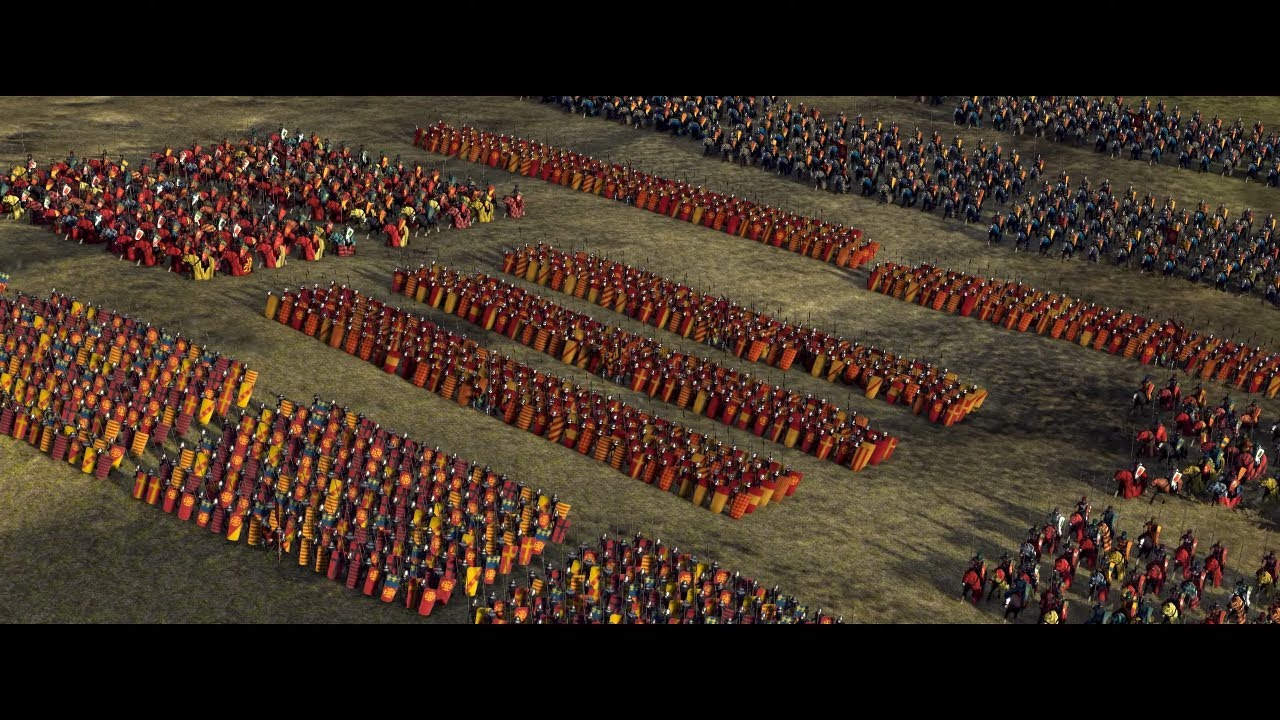
The Albigensian Crusade, occurring between 1209 and 1229, represents one of the most violent episodes in the history of religious conflict. Initiated by Pope Innocent III, this campaign aimed to eradicate the Cathars, a sect challenging the authority of the Catholic Church in southern France. The response to the murder of a papal legate catalyzed brutal military actions led by northern French nobles, including the infamous Simon de Montfort, marked by significant battles such as the Siege of Béziers.
This article examines the various phases of the Albigensian Crusade, highlighting key events and figures that shaped its course and outcomes. From the initial papal call for action to the eventual defeat of the Cathars and the consolidation of royal power, the narrative underscores the crusade’s impact on the region and the ensuing establishment of the Inquisition. Ultimately, it reflects on how this tumultuous period contributed to the intertwined histories of religion, politics, and societal structure in medieval France.
Background of the Albigensian Crusade
Historical Context of the Early 13th Century
The early 13th century was characterized by a significant transformation within European society, primarily shaped by religious fervor, territorial expansion, and socio-economic changes. Feudalism dominated the landscape, providing the structural framework within which power was exercised, particularly in France. The Catholic Church held sway over the spiritual and temporal affairs of its followers, often intertwining ecclesiastical authority with political ambitions. The era was notable for its intertwining of crusading zeal, the struggle against heresy, and the suppression of dissent in various forms. These conditions set the stage for what would culminate in the Albigensian Crusade, a campaign that would explore the boundaries of piety and brutality.
Overview of the Cathar Beliefs
Central to understanding the Albigensian Crusade is the examination of the Cathars, often described as a heretical sect. Catharism promoted a dualistic worldview that posited a stark division between good and evil, material and spiritual realms. They believed in the existence of two supreme entities: a benevolent spiritual God and a malignant material deity. This belief system led to a rejection of the established Church’s sacraments and authority, and the Cathars embraced a form of asceticism that emphasized spiritual purity over worldly wealth. Their influence grew in southern France, particularly in areas such as Languedoc, challenging the hegemony of the Catholic Church.
The Role of Religion in Medieval Society
Religion was an inextricable aspect of medieval life, providing not just spiritual guidance but also a framework through which social order was maintained. The Catholic Church was paramount, wielding immense influence over various aspects of daily life, including governance, education, and morality. Heresy, defined as any belief contrary to the orthodox teachings of the Church, was not merely a theological concern but a threat to the societal cohesion and the Church’s authority. Consequently, the elimination of heretics was a matter of public order and divine mandate, serving both ecclesiastical and secular interests.
The Cathars: A Threat to Catholic Orthodoxy
Introduction to Catharism
Catharism emerged in the twelfth century as a significant religious movement, predominantly within the regions of southern France. Its doctrines were often perceived by the Catholic Church as antithetical to Christian teachings, marking the followers as heretics. The Cathars advocated for a return to what they deemed true Christian values—simplicity, humility, and a rejection of materialism. Their rejection of the sacraments and the hierarchical structure of the Church posed a challenge that the Church could not overlook, prompting the subsequent crackdown on their beliefs.
Key Beliefs and Practices of the Cathars
The core beliefs of the Cathars revolved around the dualistic interpretation of existence. They believed that the material world was created by an evil deity, which necessitated a rejection of earthly pleasures and attachments. This dualism was complemented by the notion of reincarnation, suggesting that souls were trapped in a cycle of physical existence until liberated by spiritual insight. Cathars practiced rituals such as the consolamentum, a form of spiritual baptism, which was integral to their belief in sanctification and the pursuit of a pure life. Such practices not only cemented their communal bonds but also defined their identity in opposition to the Catholic orthodoxy.
The Cathar Social Structure in Southern France
The social structure of the Cathar community was reflective of their theological principles. They organized themselves into small, tight-knit groups known as parfaits, whose members were encouraged to live ascetically and embody the teachings of Catharism. This communal lifestyle nurtured strong bonds among followers and facilitated the dissemination of Cathar beliefs across southern France. The parfaits acted as spiritual leaders, while the broader community provided the support necessary for their survival in a hostile environment dominated by Catholic orthodoxy.
Papal Involvement and the Call to Crusade
Pope Innocent III’s Motivation
Pope Innocent III, one of the most influential popes in history, perceived the rise of Catharism as an existential threat not only to the Church’s authority but also to Christendom as a whole. His motivations for launching a crusade were complex, stemming from theological, political, and economic considerations. To Pope Innocent III, the mission to suppress heresy was a divine obligation, framed as a holy war that would restore the purity of the faith and reaffirm papal supremacy.
The Murder of the Papal Legate
The tension escalated dramatically following the murder of the papal legate, Pierre de Castelnau, in 1208. His assassination was a catalyst that galvanized Pope Innocent III to take decisive action. This incident was interpreted as an affront not just to the papacy but to the very fabric of Christian governance in the region. The murder underscored the Catholic Church’s vulnerability and the urgency of addressing the Cathar insurrection, thus justifying the call for a crusade.
The Official Call for the Albigensian Crusade
In 1209, bolstered by the outrage over the murder of his legate, Pope Innocent III issued a papal bull that proclaimed the initiation of the Albigensian Crusade. This declaration framed the campaign as a holy war, inviting both nobles and commoners to take up arms against the Cathars. The call to crusade appealed to the ideals of religious fervor and martial valor, painting the Cathars as foes of Christianity and rallying many under the banner of the Church in a quest for salvation and land.
Major Battles and Sieges of the Crusade
The Siege of Béziers: A Turning Point
The Siege of Béziers, which began in July 1209, marked one of the most critical moments of the Albigensian Crusade. The Crusaders, led by Simon de Montfort, faced fierce resistance from the town’s defenders. The siege culminated in a brutal assault, resulting in the massacre of thousands, including civilians. The report of the slaughter, “Kill them all; God will recognize his own,” often attributed to de Montfort, epitomized the ruthless zeal that characterized the Crusade. This event was a grim demonstration of the lengths to which the Crusaders would go to eradicate the perceived threat.
The Siege of Carcassonne: Strategies and Outcomes
Following Béziers, the Siege of Carcassonne became another significant event in the campaign. In 1209, the Crusaders approached the fortified city, which was one of the last bastions of Cathar resistance. The defenders, led by the Count of Carcassonne, employed various strategies to repel the Crusaders; however, their efforts proved futile. The eventual capture of Carcassonne further solidified Simon de Montfort’s power and ambition in the region, paving the way for the consolidation of Catholic authority over southern France.
The Siege of Castelnaudry: Tactical Maneuvers
The Siege of Castelnaudry in 1211 further illustrated the tactical maneuvers employed by the Crusaders. The city, holding strategic importance, became a focal point in the military campaign against Cathar forces. Sieges during this period relied heavily on both psychological and physical tactics to break the morale of the defenders. The Siege of Castelnaudry resulted in a swift Crusader victory, demonstrating not only the effectiveness of de Montfort’s leadership but also the increasing disarray among the Cathars as the military pressure intensified.
The Role of Key Figures
Simon de Montfort: The Crusade’s Leader
Simon de Montfort emerged as a pivotal figure in the Albigensian Crusade. As the appointed leader of the Crusader forces, he exemplified the martial prowess and zealous commitment to the Church’s cause. De Montfort’s military strategies and relentless pursuit of victories positioned him as a key architect in the campaign against the Cathars. His leadership was characterized by a combination of brutality and charismatic authority, which captivated many northern nobles and secured their allegiance to the Crusade.
King Peter II of Aragon: A Defiant Opponent
King Peter II of Aragon became a formidable adversary to the Crusader forces during the Albigensian Crusade. Determined to protect his realm and the Cathar population within it, he rallied significant support against the perceived encroachment of French control. Peter’s tactical acumen and alliance-building efforts were notable, but ultimately culminated in his decisive involvement in the Battle of Muret, where his failure would mark a turning point for both his forces and the Cathar movement.
Raymond VI of Toulouse: The Local Aristocracy’s Response
Raymond VI of Toulouse represented the interests of the local nobility, balancing his allegiance to the Church with the need to maintain autonomy over his territory. Initially hesitant, Raymond engaged with both Catholic and Cathar factions to stabilize his power. His ambiguous position eventually drew the ire of the Crusaders, resulting in hostile confrontations. The complexities of his responses to the Crusaders reflect the difficult landscape of feudal loyalties and the intricate interplay of local and religious politics.
The Resistance and Counteroffensive
Cathar Resistance Tactics
Despite the overwhelming military might of the Crusaders, the Cathars demonstrated remarkable resilience and adaptability in their resistance efforts. Utilizing guerrilla tactics, local knowledge, and fortified strongholds, they sought to prolong the conflict and protect their communities. This resistance reflected a deeper commitment to their beliefs and a willingness to endure significant hardships in the face of annihilation.
Key Figures in the Cathar Rebellion
Prominent Cathar leaders emerged during the resistance, rallying supporters and actively organizing counteroffensives. Their leadership was essential in maintaining morale and sustaining the fight against the Crusader forces. These figures, though often less documented than their Crusader counterparts, played critical roles in the defense of their communities. Their courage and strategic insights were vital to the effort to safeguard Cathar beliefs and social structures.
The Significance of the Aragonese Army
The presence of the Aragonese army, led by King Peter II, highlighted the significance of regional alliances in the struggle against the Crusaders. Their involvement transformed the Albigensian Crusade into a broader conflict, bringing issues of territorial sovereignty and feudal loyalty to the forefront. The Aragonese forces demonstrated the potential for external support to influence the course of the Crusade and the fate of the Cathar movement.
The Climactic Battle of Muret
Preparation for Battle: The Crusaders’ Strategy
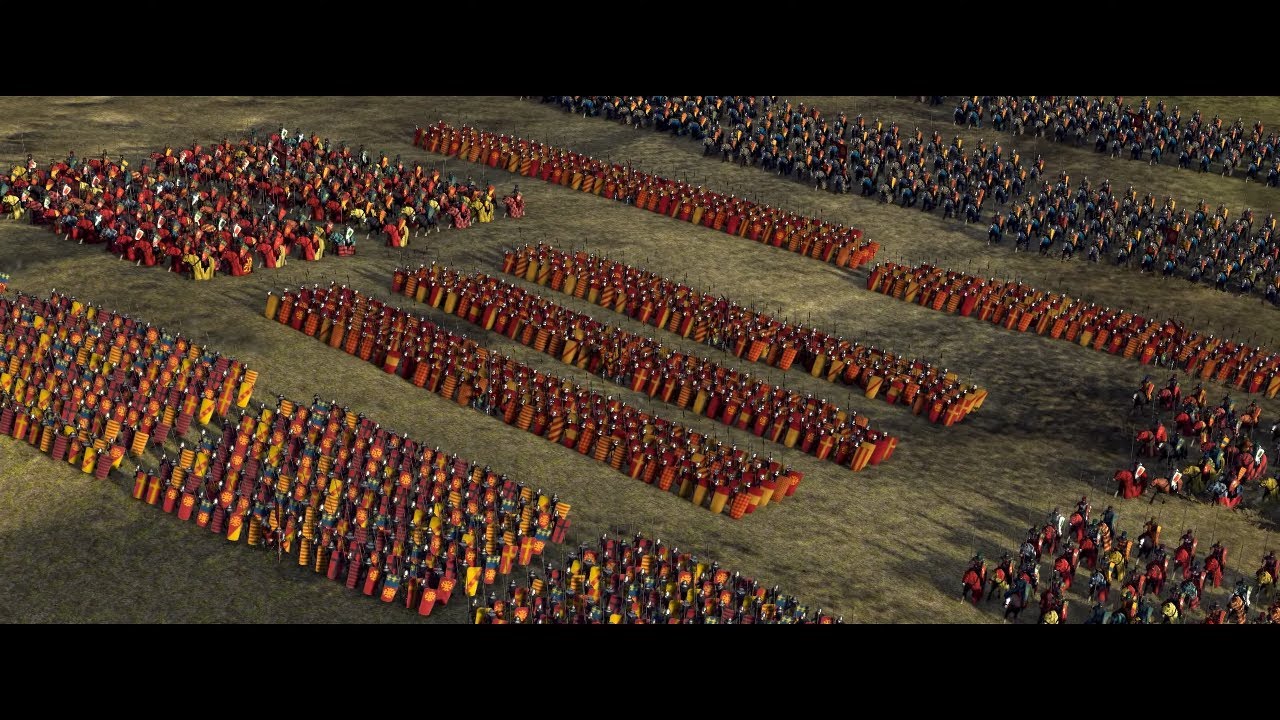
The Battle of Muret in 1213 represented a climactic confrontation between the Crusaders and their opponents. Leading up to the battle, the Crusaders meticulously planned their strategies, mobilizing their forces and reinforcing their positions. The tactical emphasis was on utilizing the element of surprise and coordinating efforts to strike decisively against King Peter II’s forces.
The Surprise Attack and Its Consequences
The actual engagement at Muret was marked by an unexpected assault by the Crusaders, which caught the Aragonese and Cathar forces off guard. This surprise attack proved devastating; it decimated Peter II’s forces and led to a collapse of morale among his troops. The aftermath of this battle analyzed through both tactical and psychological lenses demonstrates how a singular moment of aggression can shift the tides of conflict irrevocably.
King Peter II’s Death: Impact on the Crusade
The death of King Peter II during the battle marked a pivotal turn in the Albigensian Crusade. His loss not only symbolized the failure of resistance among the regional powers but also emboldened the Crusaders. Without Peter, the Aragonese forces lacked unified leadership and strategic direction, facilitating the further consolidation of Catholic-controlled territories in the south.
Consequences of the Crusade
Rise of Inquisition and Its Implications
The aftermath of the Albigensian Crusade was marked by the establishment of the Inquisition, a tool created to root out heresy and enforce Catholic orthodoxy. This institution represented the Church’s attempt to consolidate authority and prevent future deviations from accepted doctrine. The Inquisition’s methods often involved brutal tactics and led to widespread fear, fundamentally altering the nature of religious discourse in Europe.
Shift in Power Dynamics in Southern France
The defeat of the Cathars and their supporters resulted in a significant shift in the power dynamics of southern France. The land confiscated from defeated lords was redistributed to northern nobles who participated in the Crusade, effectively expanding the influence of the French crown in the region. This restructuring disrupted traditional feudal allegiances and redefined the socio-political landscape for generations.
Strengthening of Papal Authority
The Albigensian Crusade ultimately reinforced the authority of the papacy, as Pope Innocent III’s actions were vindicated through military success. The events illustrated the papacy’s capacity to influence and direct military campaigns against perceived threats to the Church. The consolidation of papal power during this period would lay the groundwork for future ecclesiastical political maneuvers, shaping the trajectory of the medieval Church and its role in European affairs.
Analysis of Total War Battle Strategies
Tactics Employed by Crusaders
The strategies employed by the Crusaders during the Albigensian Crusade exemplified the principles of total war, where military action was directed not only at enemy combatants but at civilian populations and resources as well. This incorporation of brutality into warfare aimed to erode the will of the Cathar populace by instilling fear and demonstrating the might of the Church’s authority.
Defense Strategies of the Cathars
In response to the overwhelming force of the Crusaders, the Cathars adapted their tactics to emphasize mobility and guerrilla warfare. Fortified towns, strategic retreats, and localized engagements allowed them to prolong the conflict despite facing systematic violence. The resilience shown by Cathar leaders and their communities highlighted a unique approach to asymmetrical warfare, challenging notions of conventional military engagements.
Lessons in Warfare from the Albigensian Crusade
The Albigensian Crusade serves as a case study in total war, revealing strategies and tactics that resonate throughout military history. Analyzing the interplay between religious motivations, regional politics, and tactical engagements offers insights into how ideology can drive conflict. The importance of morale, the impact of leadership, and the psychological dimensions of warfare are all critical lessons drawn from this bloody chapter in history.
Conclusion
Summary of Key Events
The Albigensian Crusade, spanning from 1209 to 1229, epitomized a brutal conflict driven by ideology, politics, and the quest for power. Key events, including the massacres at Béziers and Muret, elucidated the extreme measures taken in the name of faith. The pivotal figures, such as Simon de Montfort and King Peter II of Aragon, exemplified the complexities of loyalty and authority during a tumultuous period.
Reflection on the Costs of Crusade
The human and cultural costs of the Albigensian Crusade were staggering, resulting in the loss of lives, the eradication of the Cathar faith, and a transformation of societal structures in southern France. The brutality that characterized this conflict raises profound questions about the intersections of faith and violence, challenging the narratives that often glorify crusading endeavors.
The Albigensian Crusade in Historical Perspective
In retrospect, the Albigensian Crusade stands as a stark reminder of the lengths to which institutions and regimes will go to suppress dissent and control ideological narratives. It opened pathways for the Inquisition, altered regional power dynamics, and solidified the role of the Church in secular governance. As such, it is not merely a relic of the past but a relevant historical lesson on the enduring complexities of faith, authority, and rebellion.