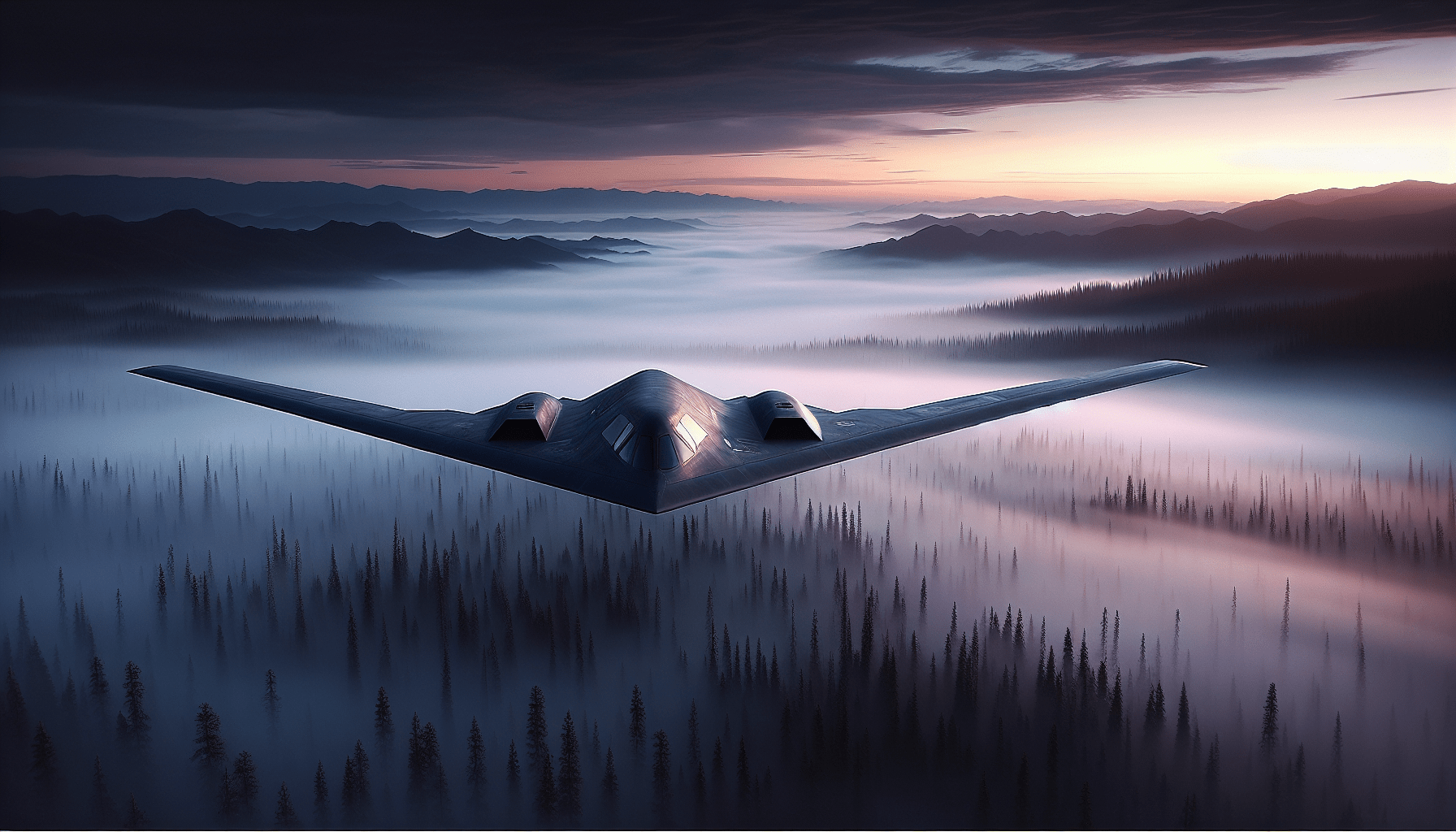
The development of Russia’s PAK DA (Prospective Aviation Complex for Long-Range Aviation) signifies a strategic evolution in the nation’s military aviation capabilities, particularly in the realm of stealth bombers. This aircraft is projected to possess an impressive operational range of 7,500 miles, enabling it to potentially execute missions from locations as distant as Moscow to New York City without requiring aerial refueling. Comparisons with existing bombers from the United States and China, such as the B-21 and H-20, raise questions regarding the feasibility and reliability of its anticipated capabilities, particularly given the skepticism voiced by defense experts.
As the PAK DA advances through its development phases, the aircraft’s unique design features, including a flying wing configuration and significant armament capacity, suggest potential advantages over Russia’s current fleet of strategic bombers. The ongoing production timeline has encountered delays, exacerbated by sanctions and supply chain challenges, yet the Tupolev Design Bureau remains steadfast in its aim to position the PAK DA as a key component of Russia’s air and nuclear strategy. Analyzing the implications of this aircraft on international military balances and regional power dynamics is essential for understanding its role in contemporary warfare.
PAK DA Overview
Definition and Purpose
The PAK DA, which stands for “Prospective Aviation Complex for Long-Range Aviation,” represents Russia’s ambitious foray into advanced military aviation. This strategic stealth bomber is designed to fulfill multiple roles, notably long-range precision strikes, deterrence operations, and tactical support within the broader spectrum of the Russian Air Force’s capabilities. Its development signifies a pivotal moment for Russia as it seeks to bolster its military aviation arsenal and enhance its deterrent posture amid rising tensions globally.
Strategic Importance for Russia
The PAK DA emerges as a crucial component of Russia’s military modernization efforts. In a geopolitical landscape characterized by heightened competition, the development of a stealth bomber serves various vital objectives. It not only aims to extend Russia’s operational reach but also transforms its strategic nuclear capabilities, ensuring that the nation maintains parity with Western military advances. This aircraft is envisaged to replace aging systems, thereby revitalizing Russia’s air power and asserting its influence in conflict scenarios, both near and far from its borders.
Range and Endurance
Claimed Capabilities
The specifications attributed to the PAK DA are bold and reflective of contemporary aspirations in military aerospace technology. Reportedly, the aircraft boasts a staggering operational range of approximately 7,500 miles (12,000 kilometers) and can maintain endurance for up to 30 hours. This combination of range and endurance provides Russia with a platform capable of launching extensive missions without the immediate need for aerial refueling, strategically allowing it to project power well beyond its immediate geographic frontiers.
Comparative Analysis with Global Bombers
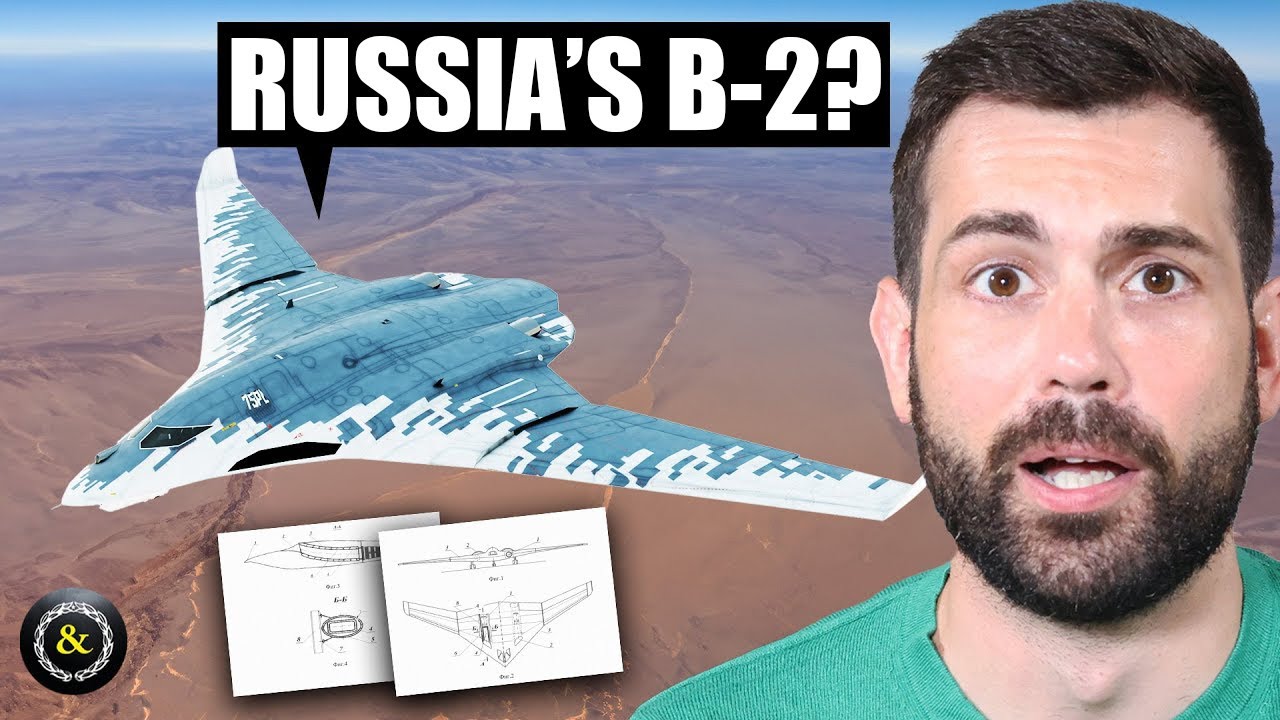
When juxtaposed against competitor bombers, the PAK DA’s claimed capabilities raise significant eyebrows. For instance, the United States’ B-21 Raider has an estimated range of 2,500 miles, while China’s H-20 is speculated to have a reach of about 5,200 miles. The daunting distance the PAK DA purports to cover, notably its ability to fly from Moscow to New York City without refueling until nearing the Atlantic, positions it as a potential game-changer in aerial warfare. However, these assertions have prompted skepticism among defense analysts, raising questions regarding the feasibility of achieving such ambitious operational profiles.
Comparison to Other Bombers
U.S. B-21 Features and Range
The B-21 Raider, America’s latest contribution to its bomber fleet, is characterized by advanced stealth features and technology designed to penetrate sophisticated enemy defenses. While its precise capabilities remain classified, the B-21’s range of 2,500 miles presents a fundamental contrast to the PAK DA’s promised endurance and reach. The U.S. is focusing not only on the range but also on the bomber’s ability to utilize sensor fusion, network-centric warfare capabilities, and precision-guided munitions to enhance operational effectiveness.
China’s H-20 Capabilities
In the context of the Asia-Pacific region, China’s H-20 bomber emerges as a competitor with a potentially considerable range. The H-20’s estimated reach of 5,200 miles places it strategically within the purview of scenarios involving the South China Sea and beyond. While both the H-20 and PAK DA represent significant advancements in their respective countries’ military aviation strategies, questions surrounding their real-world performance underscore the importance of continuous technological evolution.
Expert Skepticism on PAK DA
Despite the bold claims surrounding the PAK DA’s specifications, experts remain wary of its real capabilities. Analysts often cite the historical challenges Russia has faced in delivering on such ambitious aerospace projects, compounded by economic constraints and sanctions. While the aspirations driving the PAK DA’s development resonate with a strategic necessity, skepticism about its operational readiness and actual performance persists.
Unique Features of PAK DA
Design Innovations
The PAK DA is distinguished by its innovative flying wing design, which constitutes a radical departure from traditional bomber configurations. This design seeks to enhance aerodynamic efficiency and stealth capabilities by minimizing radar signature and drag. By eliminating the distinct fuselage and tail section typically associated with conventional aircraft, the PAK DA aims to advance the principles of low observability, enabling it to approach adversarial airspace undetected.
Potential Role in Current Conflicts
The operational deployment of the PAK DA could play a transformative role in contemporary conflicts, particularly in contested regions such as Ukraine or within the Arctic Circle. Its ability to strike enemy air defenses and critical infrastructure from great distances positions it as a tactical asset in modern warfare. Russia could utilize the aircraft to maintain air superiority or execute precision strikes aimed at neutralizing adversarial capabilities, thus asserting its military doctrine in real-time combat scenarios.

Developer Background
Tupolev Design Bureau History
The Tupolev Design Bureau, established in 1922, has been the linchpin of Russian aviation design, with a storied history in crafting military aircraft. From the iconic Tu-160 to earlier bombers like the Tu-2 during World War II, Tupolev has continually evolved as a cornerstone of Russia’s aerospace capabilities. As the primary developer of the PAK DA, Tupolev carries the historical burden of innovation while striving to uphold Russia’s legacy in military aviation.
Previous Projects and Achievements
Tupolev’s engineering ingenuity is demonstrable through various successful projects, which have laid the groundwork for the PAK DA. The development of landmark aircraft, including the supersonic Tu-144 and the strategic bomber fleet, has established a reputation centered on performance and adaptability within the evolving landscape of military aviation. Each achievement informs the PAK DA’s progression, as lessons learned from past projects directly influence its design and conceptual framework.
Development Timeline
Key Milestones in Development
The PAK DA’s journey began in earnest in 2007, capturing the ambition to modernize Russia’s long-range bombing capabilities. By 2008, significant funding had been allocated to the project, clear indications of Russia’s intent to compete with Western stealth technology. The design phase culminated in 2014 when the initial configurations were finalized, signifying a crucial turn toward prototype construction—a step eagerly anticipated but fraught with complexities.
Challenges Encountered During Progress
Navigating the intricate maze of modern military aircraft development, the PAK DA project has encountered its share of challenges. Delays—often symptomatic of technological hurdles, budget constraints, and geopolitical factors—have plagued the endeavor, compelling analysts to question the timeline for operational deployment. Furthermore, the imposition of sanctions has exacerbated existing issues, complicating supply chains and affecting the availability of critical components essential for the aircraft’s completion.
Technical Specifications
Expected Weight and Payload Capacity
The PAK DA features a projected maximum takeoff weight of approximately 112 tons, which positions it favorably against global counterparts. Its anticipated payload capacity of 30 tons demonstrates a significant leap in design considerations, allowing it to carry an array of munitions tailored for diverse combat scenarios. This contrasts sharply with the payload capacities of the B-21 and H-20, which emphasizes the strategic significance of the PAK DA in concepts surrounding long-range strike capabilities.
Engine Specifications and Performance Expectations
At the heart of the PAK DA’s performance is the NK-32 engine, anticipated to deliver thrust levels necessary for missions spanning great distances while maintaining stealth characteristics. The engine’s expected performance, derived from its NK-33202 lineage, reflects advancements in turbine technology essential for high-performance military aircraft. These engines, with their anticipated thrust capabilities, play a pivotal role in empowering the PAK DA to fulfill its operational mandates and navigate complex airspace.
Potential Use Cases
Operational Use in Conflicts
The versatility of the PAK DA suggests numerous operational use cases in modern military conflicts. It is likely to engage in long-range strike missions, delivering precision-guided munitions against high-value targets while avoiding enemy air defenses. The capability to operate over considerable distances extends Russia’s military reach, potentially reshaping operational strategies in scenarios where conventional forces encounter formidable anti-access/area denial systems.
Role in Maintaining Air Superiority
As the PAK DA flourishes into its operational capacity, its role as a tool for maintaining air superiority cannot be overstated. The aircraft’s design allows it to suppress enemy air defenses, making way for follow-on forces and enhancing the overall effectiveness of Russian military operations. By targeting communication and control nodes, the PAK DA could create windows of opportunity for Russia’s broader air and ground forces in multi-domain operations.
Nuclear Deterrent Role
Integration into Russia’s Nuclear Strategy
The integration of the PAK DA into Russia’s nuclear triad underscores its significance as a strategic asset. The aircraft is envisaged to possess the capability to deliver nuclear payloads over vast distances, enhancing Russia’s retaliatory potential while reinforcing deterrent operations. By maintaining a credible second-strike capability, the PAK DA aims to deter adversaries from contemplating aggressive actions, thereby stabilizing deterrence dynamics within the nuclear realm.
Implications for Global Military Balance
The operationalization of the PAK DA has implications extending beyond Russia’s borders, impacting the global military balance. As Russia invests in advanced military technology, rival powers may respond by accelerating their own modernization efforts, prompting a renewed arms race in strategic aviation. The development of the PAK DA could therefore shift the parameters of engagement, necessitating enhanced defensive postures and strategies among NATO and other international actors.
Conclusion
Summary of Current Status
The PAK DA embodies Russia’s ambitious foray into advanced military aviation, with its unique design, purported capabilities, and strategic objectives marking it as a critical component of its military modernization agenda. While there are notable challenges and uncertainties surrounding its development, the aircraft’s potential impact on regional and global security is significant.
Future Outlook for PAK DA Development
As the PAK DA continues through its developmental phases, the trajectory of its technological advancement will undoubtedly draw interest from military analysts and geopolitical strategists alike. The resolution of existing challenges, particularly those related to sanctions, production, and technological innovation, will play a fundamental role in determining Russia’s capabilities moving forward. The PAK DA stands as a testament to the evolving landscape of military aviation and the perennial quest for strategic superiority in an increasingly complex world.