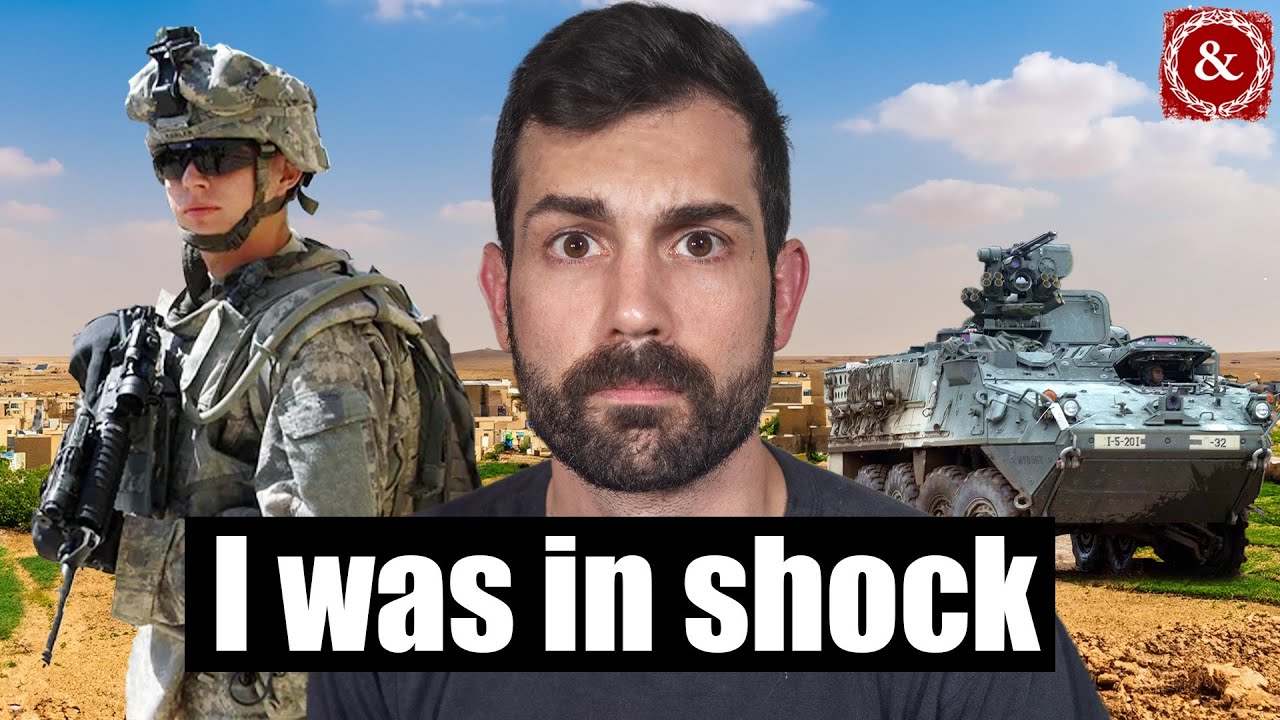
The complexities of war present significant psychological challenges that resonate deeply with those who experience them. In the narrative titled “How Seeing Someone Killed in Action Changed Me,” the speaker recounts a profound personal transformation initiated by witnessing death in combat. Through an exploration of harrowing experiences encountered during military service in Iraq, the account illustrates the stark and often grim realities of war, emphasizing how such stark encounters fundamentally alter one’s perception and understanding of conflict and mortality.
The speaker reflects on the so-called “spare parts army,” underscoring the involvement of ordinary infantrymen who were reassigned or volunteered despite the inherent dangers. As the narrative unfolds, it delves into specific traumatic encounters, including the witnessing of life-threatening incidents such as IED explosions and the chaos that ensued, highlighting the emotional and psychological aftermath on both soldiers and civilians. This examination seeks not only to recount experiences but also to engage a broader audience in meaningful discourse surrounding the realities of war, its consequences, and the coping mechanisms employed by those affected.
Personal Background
Description of Early Life and Motivations for Joining the Military
You may find it difficult to pinpoint the pivotal moment when your path diverged towards military service. Reflecting upon your early life, the threads that woven through become less distant, as a tapestry of motivations unravels. Growing up in a world steeped in both privilege and opportunity, you felt an insatiable urge to contribute to something greater than yourself. The allure of a structured life, the camaraderie of service members, and an underlying sense of duty to your country propelled you toward enlisting. It was not merely a venture into the unknown; it was a call invoked by deeper societal narratives surrounding honor, sacrifice, and valor.
Initial Expectations of Military Service versus Reality
Upon enlisting, your expectations painted a starkly romanticized picture of military life. Films and literature had depicted it as a heroic endeavor characterized by unwavering bravery amidst chaos, a journey defined by noble sacrifices and collective triumphs. However, as you transitioned from civilian life to training camps and then into the heart of combat zones, the veneer of glory faded. You encountered a grittier reality — one marked by tedium, discomfort, and disillusionment. The stark contrast between the idealized image of soldiers and the raw, draining experiences of military life emerged vividly. The weight of responsibility was palpable, overshadowed by moments of sheer terror and chaos that redefined your understanding of courage.
Significant Influences that Shaped Perspectives on War
Through the lens of your formative years, a myriad of influences guided your understanding of war. From historical narratives taught in classrooms to familial anecdotes of past conflicts, a complex understanding began to take root. Engaging with veterans, literature, and academic discourse on war offered a mixture of analyses and reflections. Stories of valor mingled with cautionary tales of loss illuminated the pervasive cycle of violence, where each conflict renewed the very horrors of humanity. These experiences fueled your consciousness about the broader implications of warfare — its capacity to instigate profound trauma and irreparable societal rifts.
My Deployment Experience
Overview of Military Operations Undertaken in Iraq
Your deployment in Iraq can be encapsulated as a series of military operations characterized by an amalgamation of strategic objectives, ranging from offensive combat to humanitarian missions. Tasked with maintaining peace in a volatile environment, you soon appreciated the scope of military engagements involved in securing the safety of local populations and countering insurgent threats. The role required an intricate balance between aggression and diplomacy, where raids and patrols became common maneuvers. Navigating through the precarious terrains and ambient hostilities, you undertook missions imbued with purpose, fueled by a desire to enact a semblance of stability amidst the chaos.
Engaging in Various Roles: From Support to Combat
Within the flux of military operations, your roles continuously evolved, often oscillating between support duties and direct combat engagements. You found yourself operating in various capacities, from logistical support and intelligence gathering to engaging directly with hostile forces. Each turnover reflected the urgency of military needs rather than individual preferences; a soldier became a multi-faceted asset required to adapt rapidly and without warning. This dynamic experience provided insights not only into the military’s operational needs but also into the internal struggles faced by service members as they adapted to the unpredictable nature of warfare.
Highlighting Challenges Faced on the Ground
The challenges you faced on the ground transcended the physical domain; they seeped into psychological and moral dilemmas that often left you questioning established beliefs. The living conditions were often bleak, marked by inadequate shelter and harsh environmental factors. The constant threat of ambush or improvised explosive devices lingered in the air, cultivating an atmosphere of uncertainty. Every mission bore the weight of risk, where the possibility of life-altering decisions coursed through your veins. No training could appropriately prepare you for the ethical complexities of engaging with an unfamiliar populace — the delicate line between liberation and occupation blurred regularly.
Confrontation with Death
First Encounter with a Fatal Incident in Combat
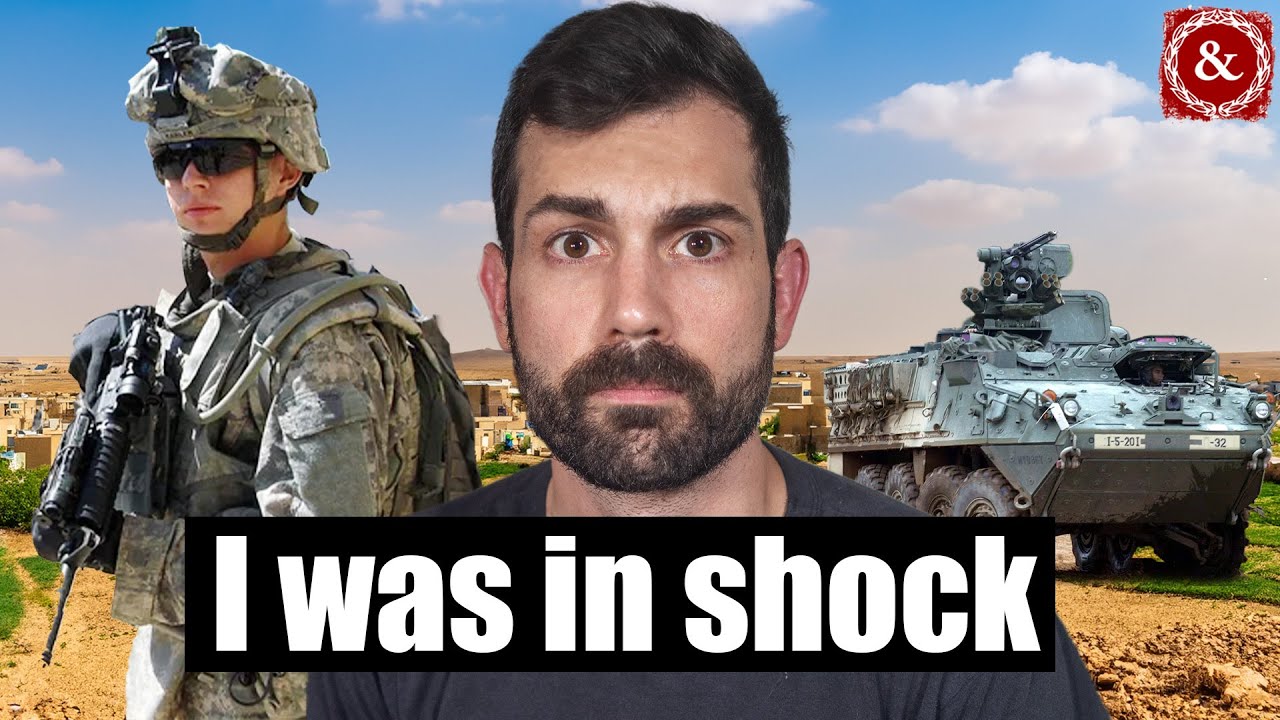
Your confrontation with death crystallized during a fateful operation, marking a watershed moment in your military experience. The echoes of the explosion still resound in your memory — an IED detonating just outside your base, transforming an ordinary day into a landscape of chaos. At that moment, you stood on the precipice of innocence lost, grappling with the stark realization that the battlefield was unforgiving. You witnessed the immediate consequences, the shredded bodies and shattered lives that punctuated the fabric of war as if it were some grotesque performance where you were both a spectator and unwilling participant.
Witnessing the Aftermath of Violent Confrontations
In the aftermath of violent confrontations, the visceral reality of mortality unfolded before your eyes. The images were haunting, each encounter etched indelibly into your consciousness, escalating the psychological ramifications of your service. The disarray of chaotic screams and frantic movements enveloped you as comrades rushed to provide aid, often with little knowledge of how effective their efforts could be. The ambivalence of each life taken weighed relentlessly upon you, prompting a continual interrogation of conflicting emotions — loyalty, sorrow, and a burgeoning sense of helplessness permeated your thoughts.
Emotional Impact of Seeing a Comrade Killed in Action
And then came the singular moment that severed any remaining ties you had to a childlike perception of war. A comrade fell, and the world around you contorted. Death became a character in your narrative, ceaselessly hovering. The graphic remnants of violence and sheer fragility of life struck at the core of your being, plunging you into a realm of grief. The moment felt surreal; helplessness crystallized as you found yourself standing amidst the remains of that which you once viewed through a lens of idealism. Such an experience catalyzed a profound transformation within you, stirring a depth of emotion that ignited both your understanding and empathy.
Psychological Ramifications
Understanding Trauma: Personal Reflections
The interplay between war and trauma became increasingly evident as you navigated the challenges of post-deployment life. Trauma, a term often bandied about, emerged as a tangible specter that loomed large in your psyche. You began to unravel the impact of your experiences, noting how they seeped into daily existence and altered your perceptions. The internal torment of rekindled memories left you grappling with emotional dissonance; laughter often carried an undertone of dread, and moments of peace were frequently punctuated by intrusive thoughts. Seeking solace in reflective moments became a means of making sense of the chaos — a coping mechanism that offered fleeting respite.
Long-Term Effects of Witnessing Death on Mental Health
The long-term effects of witnessing death on your mental health proved insidious. Shadows followed you into your daily life, manifesting as anxiety and depression, signaling the toll exacted by the horrors you had observed. You grappled with feelings of isolation, increasingly deracinated from others who had not shared this part of your journey. Occasional triggers spurred vivid recollections, dragging you back to the battlefield with spectral reminders. The struggle to articulate these experiences left you feeling vulnerable, wrestling with an understanding that these recollections could just as easily inform your narrative of healing as they could become chains binding you to the past.
Discussing Common Symptoms Among Veterans
You soon realized that your struggles were not anomalies but rather shared experiences among a vast community of veterans. Anger, emotional numbness, hypervigilance; these symptoms painted a picture of collective trauma experienced by many. Discussions surrounding mental health in veteran communities illuminated the complexities faced upon returning home. You began to understand the value of speaking out and sharing narratives, recognizing that vulnerability often catalyzed connection and fostered healing. Engaging openly about mental health proved vital to normalizing discussions and diminishing the stigma surrounding these very real experiences.

Coping Mechanisms
Use of Dark Humor in Managing Stress and Trauma
In navigating the treacherous terrain of trauma, you discovered that dark humor often served as a lifeline. Among comrades, gallows humor thrived — a method of expelling the tensions of war into jest. Such humor provided a sense of control amidst pervasive chaos, reinforcing bonds with fellow soldiers who experienced the absurdity of the horrors together. These moments of laughter proved indispensable, fostering an environment where coping could manifest authentically, even when encased within the framework of tragedy.
Finding Solace in Camaraderie with Fellow Soldiers
Your journey underscored the critical role of camaraderie in tackling the psychological burdens imposed by service. With fellow soldiers, you found solace in shared experiences, an unspoken understanding that transcended conversations. The bonds established in combat carried forward, forming a unique allegiance that was distinct from any civilian friendship. Together, you could share silence or engage in reflection without fear of judgment, realizing that mutual support became a form of resilience against the heavy toll of memories that war etched into your soul.
Exploring Other Coping Strategies, Including Art and Writing
In addition to camaraderie, you also turned to creative outlets such as art and writing. These tools become essential in externalizing your thoughts, granting language to emotions that often felt too dense to articulate. Writing served as a cathartic release; the act of narrating your experiences morphed into a means of making sense of them, providing context to chaos. Artistic expressions, in their various forms, allowed you to navigate haunting memories with a lens of abstraction, engaging with trauma in ways that offered catharsis while invoking a deeper understanding of your journey.
War’s Broader Impact
Effects of War on Civilian Populations
As your understanding of war expanded, you began to perceive the immense repercussions it had not solely on soldiers but also on civilian populations. Communities fractured under the weight of violence; homes razed and lives irrevocably altered. The realization that war extends its reach beyond the battlefield fueled a sense of guilt — for every casualty, a larger narrative sprawled, marked by loss and devastation. You witnessed firsthand the complexities of interactions with local civilians, unraveling the myth of the “enemy” and revealing the humanity behind those caught in the crossfire.
The Concept of the ‘Spare Parts Army’ and Its Implications
Discussions surrounding the “spare parts army” illuminated another dimension of military service, serving as a poignant reminder of how war impacts individuals in different ways. This term encapsulated the essence of ordinary soldiers, thrust into combat roles that may not have aligned with their training or experiences. The implications of a military force built on reclassified and reassigned soldiers signified the heavy psychological baggage carried by individuals who volunteered, pushing past their limits driven by societal expectations of duty. Each soldier became a player in a game with lives at stake, a grim realization that reverberated through your consciousness.
The Feelings of Futility and Loss Experienced by Soldiers
A lingering sentiment of futility took root during your service, surging with every loss you experienced. You witnessed the cycle of violence and its repetitive nature, questioning the purpose of your actions amidst a backdrop of suffering. The ambiguous goals of war often left an unsettling ache for meaning; the sacrifices made felt disproportionate to the apparent gains. It was this existential crisis — the grappling with meaning amidst chaos — that underscored the hollowness that permeated many aspects of military life. Recognizing this existential struggle became an integral component of self-reflection, a pathway to understanding your place within the broader narrative of conflict.
Engagement with Audiences
Utilizing Platforms Like Discord and Reddit for Discussions
In an effort to bridge the gap between experiences and understanding, you turned to digital platforms like Discord and Reddit, inviting open discussions about the complexities of war. These communities became arenas for shared discourse, where veterans and civilians could engage meaningfully. By utilizing social media, you aimed to dissolve borders between those who had witnessed war firsthand and those seeking to comprehend its implications, fostering a dialogue rooted in empathy and understanding.
Encouraging Diverse Opinions on War-Related Topics
Encouragement of diverse opinions proved essential in facilitating authentic dialogues about war-related topics. Through these platforms, you sought to elevate voices that challenged dominant narratives and broadened conversations around the consequences of military decisions. By engaging with varied perspectives, you illuminated the multi-dimensional nature of warfare, prompting discussions that championed critical thinking. The very act of listening to differing viewpoints generated a space where mutual respect could flourish, reaffirming the fundamental need for connectedness in understanding the impact of war collectively.
Building a Community Through Shared Experiences
Building a community founded on shared experiences became paramount in addressing the pervasive isolation many veterans encountered. By sharing your narrative alongside others, you cultivated an environment of solidarity where stories of struggle and resilience thrived. This community provided a sanctuary for healing, empowering individuals to share their truths without fear of judgment. Such communion arose out of a recognition that together, you could transform pain into purpose, bridging the divide between shared shadows of the past and aspirations for hope-filled futures.
Mental Health Resources
Highlighting Available Veteran Mental Health Support
As you delved deeper into discussions surrounding mental health, you recognized a pressing need to highlight available resources for veterans navigating similar challenges. Initiatives designed to address the mental health needs of those who served became increasingly visible, revealing organizations, hotlines, and counseling services aimed at providing support. These resources played a vital role in offering a lifeline for veterans seeking assistance; their accessibility marked a significant step toward dismantling the stigma surrounding mental health vulnerabilities.
Crisis Lines and Counseling Services for Struggling Veterans
The availability of crisis lines and counseling services became integral in addressing urgent needs among veterans. Such services stood as a testament to the acknowledgment that emotional struggles require compassion and care. Awareness of these resources, coupled with open discussions, fostered a culture where seeking help became synonymous with strength. Veterans were encouraged to lean into support structures, acknowledging that emotional wounds demand attention just as much as physical injuries.
Importance of Reaching Out for Help and Support
Ultimately, the importance of reaching out for help and support emerged as a guiding principle in your post-deployment journey. Recognizing vulnerability as a catalyst for connection helped you dismantle the barriers constructed around stigma. In encouraging others to seek assistance, you aimed to create an environment where mental health discussions could flourish openly. You wanted veterans to understand that it was acceptable to grapple with feelings of loss and anguish while concurrently seeking healing through personal narratives and community support.
Intent of Content Creation
Goals of Sharing Personal Experiences with a Wider Audience
The intent behind sharing your experiences extended beyond mere storytelling; it comprised a desire to educate and inform others about the realities of war. By illuminating the harsh truths often eclipsed in glorified narratives, you aspired to foster greater understanding among audiences. It was a call to fellow civilians and veterans alike to engage with the complex realities surrounding military service, promoting awareness of the psychological ramifications that accompany combat experiences.
Aim to Inform About the Realities of War, Not Glorify It
Throughout your content creation, you placed an emphasis on informing rather than glorifying the experiences of war. You sought to dismantle personal and collective myths surrounding heroic narratives that have historically overshadowed the devastating consequences of conflict. By prioritizing authenticity, you aimed to balance the inherent complexities of military service with the recognition of human fragility. It was crucial to present war as an intricate tapestry woven with threads of sorrow and resilience, ensuring that true narratives were preserved in the discourse surrounding veteran experiences.
Engaging with Viewers to Foster Understanding and Empathy
Engaging with viewers emerged as an essential mechanism for fostering understanding and empathy. Through interaction, you encouraged feedback and discussions that captured the nuances of war, offering opportunities for reflection and dialogue. By prioritizing engagement, you laid the groundwork for building relationships that transcended the battlefield experiences, inviting others to share their stories while promoting deeper connections grounded in collective understanding. The hope was always to inspire a generation of empathetic individuals committed to comprehending, rather than dismissing, the challenges faced by veterans.
Conclusion
Summary of Transformative Experiences Related to Witnessing Death
In reflecting upon your transformative experiences related to witnessing death, you recognize an evolution within. Each loss served as a lesson, a reminder of the frailty of life and the burdens carried by both victors and victims of war. The complexities intertwined within these narratives continue to resonate deeply; they shape your understanding of humanity and the struggles faced by those who endure the ramifications of combat.
Encouragement to Reflect on the Lessons Learned from War
As you conclude your reflections, an invitation lingers — an encouragement for others to reflect upon the lessons learned from war. The stories shared hold weight, embodying rich veins of experience that provide insight into both the cost of conflict and the value of connection. Engaging with these narratives fosters a broader understanding of the struggles faced by veterans while illuminating the need for collective healing.
Final Thoughts on the Importance of Sharing Narratives for Healing
Finally, you reassert the importance of sharing narratives as a means of healing. Each story serves as a stepping stone, linking individuals through struggles and triumphs alike, forging connections that transcend the boundaries of experience. As you continue to share, may the resonance of these narratives guide others toward understanding, empathy, and ultimately, a communal pursuit of healing. After all, it is through openness and vulnerability that the truly transformative power of storytelling emerges, shaping collective consciousness and fostering an environment where scars become symbols of resilience.