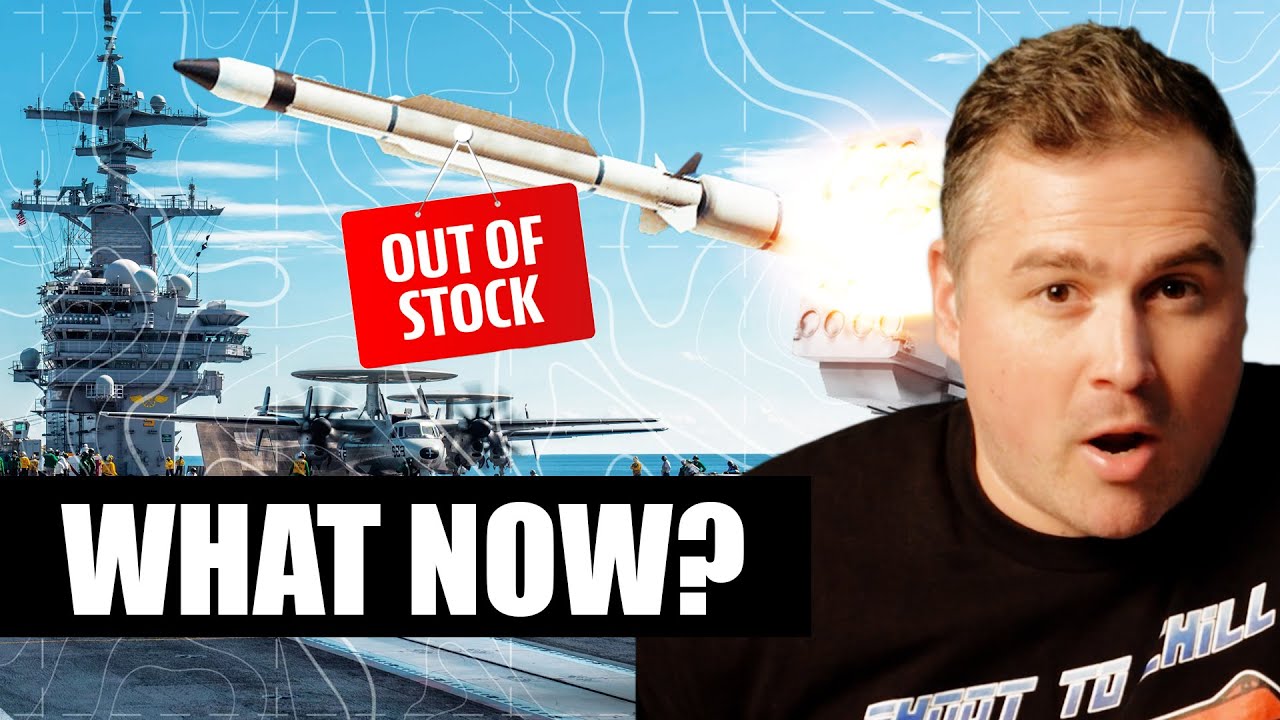
The operational landscape of the U.S. Navy has dramatically shifted due to intensified military engagements in the Red Sea, marking the most significant combat activity since World War II. Over a span of just 15 months, the Navy has expended over $1 billion on munitions, firing an unprecedented quantity of missiles—a stark contrast to the previous three decades. This article examines the implications of such extensive munitions use, highlighting the challenges faced in sustaining missile inventories against evolving threats, including anti-ship ballistic missiles, cruise missiles, and drones deployed by Houthi rebels.
As missile stocks dwindle, there is a consequential pivot towards traditional naval artillery, prompting the Navy to reevaluate its operational strategies and procurement methods. This developing reliance on more cost-effective gun systems, such as the MK-45 cannon, amidst growing concerns about long-term readiness against near-peer competitors signals a pivotal moment in naval warfare. The exploration of advanced technologies, including Hypervelocity Projectiles and directed energy weapons, underscores the urgent need for innovation in the face of geopolitical tensions and the necessity to maintain a strategic advantage.
Current State of U.S. Navy Operations
The operational landscape of the U.S. Navy has transformed dramatically in response to heightened engagements, particularly within critical regions such as the Red Sea. This naval theater has become the focal point of intense military confrontations, marking the most significant combat activity for the U.S. Navy since the conclusion of World War II. As a result, the demands on naval forces have escalated, prompting an evolution in combat strategies and resource management that reflects the complexity of modern warfare dynamics.

Overview of Recent Engagements in the Red Sea
In the past 15 months, the U.S. Navy has been actively involved in a series of engagements in the Red Sea, primarily addressing threats arising from Iranian-backed Houthi rebels. These confrontations have necessitated the deployment of advanced naval assets and a significant expenditure of munitions, totaling over $1 billion. The operational tempo has drastically increased, with naval vessels intercepting a multitude of threats including anti-ship ballistic missiles and swarms of drone attacks. Each engagement has exposed the Navy to unprecedented challenges, thus raising concerns over its operational sustainability in this high-stakes environment.
Comparative Analysis of Combat Intensity Since WWII
When juxtaposed with historical military engagements, the recent period of combat intensity is striking. Since World War II, such extended and relentless engagement at sea has not been witnessed. During this relatively brief timeframe, the Navy has executed more operational missions and commanded a higher volume of munitions than in earlier conflicts, such as the Korean and Vietnam Wars. This escalation emphasizes the shifting nature of maritime threats and the operational readiness required to respond effectively.
Assessment of Current Operational Strategies
The U.S. Navy’s current operational strategies are demonstrating adaptability under pressure, but also revealing weaknesses in logistics and supply. The extensive use of high-tech missile systems reflects a reliance on advanced weaponry, but the Navy’s struggles with artillery and logistical constraints highlight the need for a reevaluation of tactics in modern naval warfare. The demand for countermeasures against sophisticated adversaries such as Houthi rebels is redefining operational paradigms, necessitating innovative approaches to warfare.
Expenditure and Resource Allocation
As operational demands escalate, so too do the financial implications for the U.S. Navy. The allocation of over $1 billion for munitions within such a short timeframe has prompted significant debate regarding expenditure sustainability and future naval capabilities.
Breakdown of the $1 Billion Munitions Expenditure
The $1 billion expenditure primarily encompasses air defense systems, anti-surface and anti-ship weaponry, as well as the logistical costs associated with maintaining combat readiness. This financial outlay speaks to the increasing intensity of engagements in the Red Sea and the necessity of maintaining a robust arsenal to address sophisticated threats.
Comparison of Missile Use Over the Past 30 Years
Comparatively, the U.S. Navy has exercised an unprecedented volume of missile launches over the past 15 months, exceeding the aggregate use recorded over the last three decades. During the recent deployments, the Navy has fired approximately 400 separate air defense missiles against Houthi threats. This escalation in missile utilization manifests a stark contrast to historical patterns, indicating a paradigm shift in military engagement protocols.
Implications of High Expenditure Rates on Future Operations
The financial trajectory of munitions expenditure raises substantial questions about long-term operational sustainability. As you consider the ongoing demands placed on the Navy’s operational capacity, the potential for shortfalls in critical munitions looms large. Given the current production levels and the need for extensive replenishment, future operations could face significant limitations unless strategic adjustments are made.
Challenges with Missile Stock and Defense Capabilities
The increasing tempo of operations has cast a spotlight on missile stock levels and the overall resilience of U.S. air defense systems. With evolving threats on the horizon, it is paramount to assess the implications of depleted stock and their repercussions on national security and military preparedness.

Analysis of Depleted Missile Stocks
As recent operational demands surged, questions surrounding the adequacy of the U.S. Navy’s missile inventory have come to the forefront. Depletion of missile stocks has been a notable concern; estimates indicate losses amounting to a percentage of the existing inventory after engagements against relatively unsophisticated Houthi weaponry. The rapid consumption of these resources suggests a critical juncture where replenishment capabilities must be evaluated.
Vulnerability of Air Defense Systems
The increasing reliance on a limited number of advanced air defense systems for interception purposes exposes potential vulnerabilities. Engaging numerous incoming threats simultaneously requires a scalable and resilient air defense architecture, which is currently under strain. The affordability and effectiveness of these systems against lower-cost threats, such as unmanned aerial vehicles, necessitate urgent reconsideration in terms of integrated warfare strategies.
Impact of Advanced Weaponry Threats
The modern battlefield is characterized by advanced weaponry that challenges traditional naval defenses. The types of missiles and drones employed by adversaries require innovative countermeasures and adaptations in naval tactics to mitigate risks. Understanding and addressing these sophisticated threats will be vital for future conflict readiness and overall operational efficacy.
Operational Challenges Faced by the Navy
The U.S. Navy’s operational effectiveness is increasingly under scrutiny in light of recent developments and historical contexts. The challenging landscape of modern warfare exhibits profound complexities that necessitate thorough evaluation.

Case Study of USS Carney’s Defensive Actions
A notable case study is the engagement of the Arleigh Burke-class destroyer USS Carney, which effectively defended against a barrage of threats, including cruise missiles and drones. The prolonged engagement, which lasted nearly nine hours, underscored the immense operational pressures faced by the Navy. Each successful intercept demonstrated high levels of training and determination but also highlighted the sheer volume of incoming threats and the stresses imposed on naval personnel and resources.
Examining Threats Posed by Houthi Rebels
The evolving tactics utilized by Houthi rebels illustrate the challenges faced by the Navy in asymmetric warfare scenarios. The reliance on swarming and unconventional attacks has forced U.S. forces to adapt quickly and creatively to counter emerging threats. Recognizing these challenges is crucial for future operational planning.
The Navy’s Response to Evolving Combat Scenarios
In response to the shifting nature of engagements, the Navy is actively revisiting its strategies and resource allocation frameworks. Enhanced training, improved technological integration, and novel defensive techniques are all critical components in ensuring the Navy is equipped to meet the challenges posed by contemporary warfare.
Shifting Toward Traditional Naval Artillery
In light of escalating expenditures on munitions and the pressures on missile stock, there is an increasing dialogue about reverting to traditional naval artillery systems. This transition reflects a strategic pivot that could redefine the operational capacities of the Navy.
Advantages of Using MK-45 Cannons
The MK-45 naval gun system offers an advantageous solution in the face of missile shortages. With a relatively lower cost-per-round and the versatility to engage a spectrum of targets, including surface, air, and land threats, the MK-45 represents a strategic asset. Its capabilities allow for effective engagement in situations where missile use may be impractical or excessively expensive.
Cost-effectiveness of Artillery in Current Conflicts
Cost considerations play a vital role in the broader strategy of naval resource allocation. Conventional artillery emerges as a viable and economically sound alternative to high-cost missile systems, particularly during engagements with lower-tier threats. The resurgence of artillery usage reflects an understanding of the necessity to balance efficacy with broader operational viability.
Strategic Rationale for Reverting to Gun Systems
Reassessing the naval artillery systems aligns with the need for adaptable responses to various conflict scenarios. The ability to engage multiple target types at lower costs, combined with the logistical advantages of artillery ammunition, presents a compelling case for continued investment in traditional gunnery.
Emerging Technologies in Naval Warfare
Technological advancement continues to unveil new paradigms in naval warfare, prompting the Navy to explore capabilities that enhance operational effectiveness.

Introduction to Hypervelocity Projectiles (HVP)
Hypervelocity Projectiles (HVP) represent a breakthrough in naval weapons technology, capable of achieving speeds exceeding Mach 5. These projectiles promise to create new tactical opportunities, fortifying the U.S. Navy’s capability to respond to rapid threats while addressing concerns related to missile depletion.
Potential of HVPs in Bridging the Missile-Artillery Gap
The integration of HVP technology stands to bridge the existing divide between missile systems and traditional artillery. Offering rapid response capabilities with reduced logistical demands, HVPs may dramatically enhance naval effectiveness in countering flying munitions and swarming tactics employed by adversaries.
Integration of HVPs with Traditional and Advanced Weapon Systems
The incorporation of HVPs into existing weapon platforms represents a pivotal advancement in naval operations, allowing for a multi-layered defense strategy that capitalizes on both traditional artillery and cutting-edge technology. This technological convergence could redefine response capabilities against a diverse array of threats.
Concerns Over Long-term Readiness
The conversation regarding long-term readiness of the U.S. Navy is marked by increasing concern over production capabilities and supply chain vulnerabilities. The implications extend beyond immediate operational capacities to encompass future strategic considerations.
Supply Chain and Production Challenges for Advanced Weaponry
The production trajectory of advanced weapon systems has not kept pace with the rising demands of Navy operations. Issues such as supply chain constraints and manufacturing limitations hinder the Navy’s ability to replenish essential weapons stockpiles, jeopardizing readiness.
Evaluating Readiness Against Near-peer Competitors
As the geopolitical landscape shifts and the potential for near-peer confrontations looms, the need to evaluate and reaffirm readiness levels takes center stage. The ability to confront emerging threats from nations such as China necessitates bolstered military capabilities that are sustainable and strategically aligned.
Addressing Potential Shortages in Critical Munitions
In light of surging conflict demands, addressing potential shortages in critical munitions becomes paramount. The Navy must adopt forward-thinking procurement strategies to ensure that existing and emerging threats do not compromise operational capability or national security.
Revitalization of the HVP Program
In response to the challenges posed by current engagements, the revitalization of advanced programs focusing on Hypervelocity Projectiles has gained traction within Navy circles.
Details of the Major Caliber Anti-Drone Air Program (MADAP)
The Major Caliber Anti-Drone Air Program (MADAP) has emerged as a concerted effort to develop advanced solutions to counter evolving aerial threats. HVPs will play a prominent role in this initiative, enhancing the Navy’s capacity to neutralize both drone and missile threats effectively.
Role of HVPs in Targeting Missiles and Aerial Threats
HVPs hold promise in addressing a diverse range of threats through their advanced speed and maneuverability. Their effective utilization may offer a robust countermeasure against fast-moving aerial threats, assuring operational continuity in challenging scenarios.
Cost-effectiveness of HVPs vs. Traditional Systems
Cost assessments indicate that HVPs present a financially viable alternative to existing high-cost missile systems. Their implementation not only enhances defensive capabilities but also aligns with the Navy’s strategic aim to optimize operational effectiveness without overspending.
Rethinking Naval Torpedo Development
The reassessment of naval torpedo development strategies is poised to reshape the Navy’s approach to underwater warfare.
Costs Associated with the MK-48 Torpedo
The MK-48 torpedo’s high production costs—approximately $4.2 million per unit—raise pressing concerns regarding financial sustainability and inventory management. Limited production capabilities, averaging just ten units a month, underscore the need for innovative alternatives focused on cost reduction and accessibility.
Introduction to the Raptor Program for Affordable Alternatives
The Raptor Program seeks to develop a more economically feasible alternative to existing torpedo designs, with proposed costs around $500,000 per unit. The initiative to use shorter lead-time components aims to enhance flexibility and responsiveness within the Navy’s inventory management.
Production Capacity Challenges and Solutions
Challenges related to production capacities remain a critical avenue for addressing supply issues. Expanding manufacturing capabilities and encouraging larger long-term contracts can incentivize manufacturers, ultimately alleviating shortages and enhancing operational readiness.
Conclusion
As the U.S. Navy navigates a period marked by intense engagement and operational challenges, the necessity for strategic adaptation has never been greater. Historical contexts underline the importance of flexibility and innovation in military technology, driven by evolving geopolitical threats.
Summarizing the Necessity for Strategic Adaptation
The urgency to adapt naval strategies reflects the contemporary battlefield’s complexities and underscores the importance of resilient resource management. By leveraging both traditional systems and emerging technologies, the Navy can position itself favorably for future challenges.
Future Outlook on Naval Capabilities and Operational Readiness
The journey toward enhanced naval capabilities hinges on seizing opportunities for modernization while maintaining readiness against emerging threats. Sustaining a technological edge over adversaries will be paramount as conflicts evolve.
Importance of Maintaining a Technological Edge over Adversaries
In an era defined by rapid advancements in warfare, maintaining a technological advantage over adversaries becomes a crucial pillar of military strategy. The Navy’s ability to adapt and innovate will determine its effectiveness in confronting the spectrum of threats on the horizon. As the landscape of naval operations shifts, a commitment to embracing new technologies and methodologies will be indispensable in ensuring the continued supremacy of the U.S. Navy.