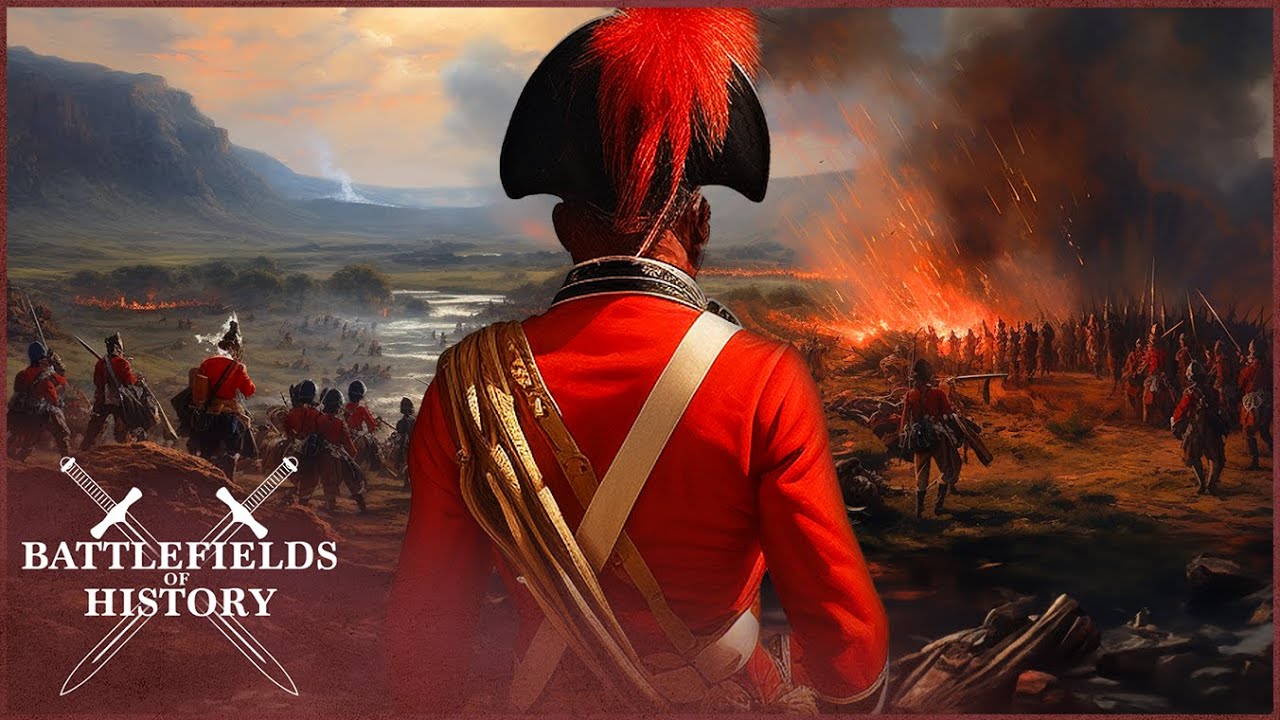
The Battle of Rorke’s Drift, which took place on January 22, 1879, stands as a significant event within the context of military history, showcasing the remarkable resolve of a mere 150 British soldiers against an overwhelming force of 3,000 Zulu warriors. The encounter encapsulates themes of heroism and determination, highlighting the resilience demonstrated in the face of daunting odds. This article will examine the intricacies of the battle, including the circumstances leading to the conflict, the strategic decisions made by the British, and the valor exhibited by the defenders in their fight for survival.
Additionally, it will explore the broader implications of the Zulu War, driven by British colonial ambitions under Sir Henry Bartle Frere, which forced an initially peaceful nation into combat. The analysis will address the tactical approaches utilized by both sides, the human cost of the engagement, and the enduring legacy of Rorke’s Drift in shaping historical perceptions of warfare and heroism. Ultimately, this examination reveals not only the pivotal moments of the battle but also the profound impact on both the British and Zulu nations in the context of colonial expansion.
Historical Context of the Zulu War
British Colonial Ambitions and the Zulu Kingdom
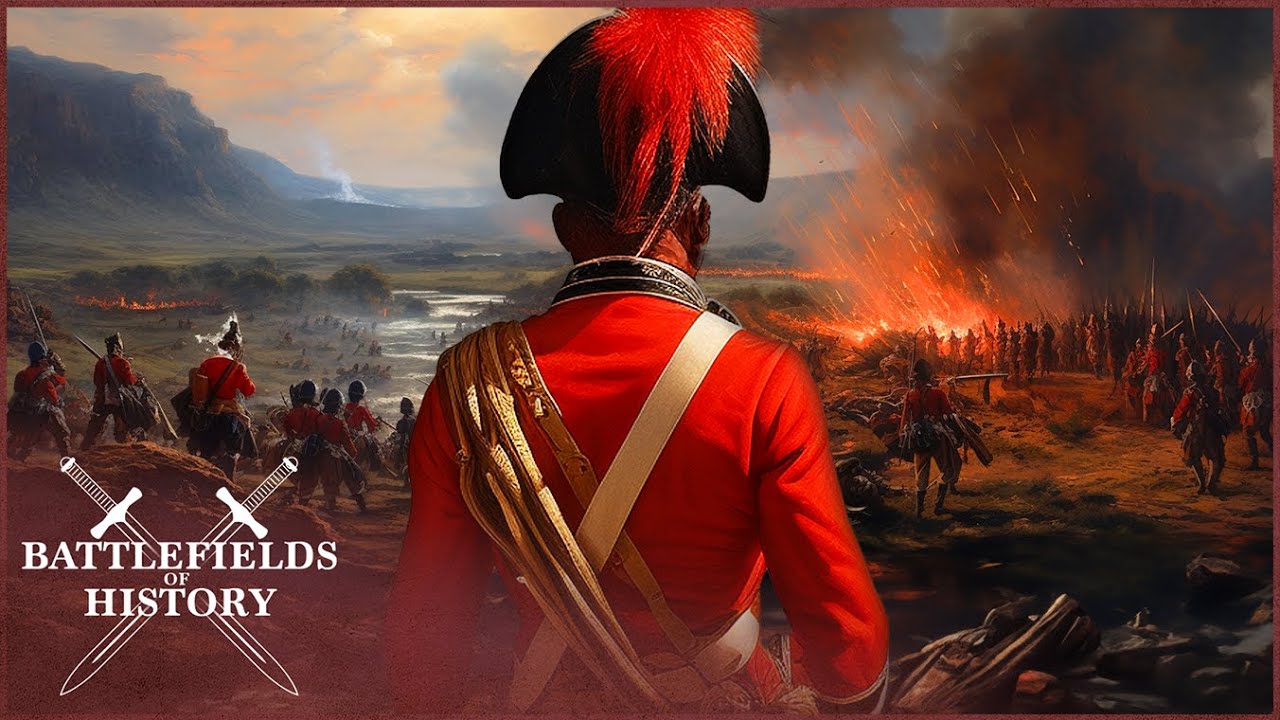
The Zulu War of 1879 unfolded against a backdrop of aggressive British colonial expansion in southern Africa. This period saw the British grappling with a complex political landscape where they sought to establish dominance over various indigenous groups. The Zulu Kingdom, notable for its military strength and socio-political sophistication, stood as one of the last bastions of resistance to British imperial ambitions. British colonial leaders, particularly Sir Henry Bartle Frere, viewed the continued independence of the Zulu people as a threat that had to be eliminated to ensure unimpeded expansion throughout the region. The strategic importance of controlling Zululand was underscored by its resources and geographical positioning, which could facilitate further incursions into African territories.
Frere’s policies were deeply rooted in imperial ideology, which categorically accused the Zulus of being obstacles to progress. His strategy involved a calculated provocation of the Zulu leadership, compelling them to respond militarily to perceived affronts. By actively diminishing their autonomy through a series of ultimatums and humiliating demands, Frere effectively led the Zulus into a state of war against what they regarded as unprovoked aggression. The psychological warfare coupled with the looming threat of British firepower created an environment where the Zulus were left with little choice but to react assertively, as the preservation of their sovereignty was at stake.
Sir Henry Bartle Frere’s Role in the Conflict
Sir Henry Bartle Frere, appointed as the British High Commissioner for Southern Africa, played a pivotal role in escalating tensions that led to the outbreak of the Zulu War. His overarching objective was to expand British influence in the region, which he believed necessitated the dismantling of the Zulu Kingdom’s power. Frere understood the potential ramifications of a direct conflict, yet his confidence in British military superiority drove him to dismiss any counsels advocating for diplomacy. The demands he issued to King Cetshwayo were designed to provoke an ideological clash; they not only aimed to weaken the Zulu’s position but also to consolidate the British narrative of civilization versus barbarism.
Frere’s miscalculations regarding the Zulu capabilities were significant. He underestimated the resolve and military acumen of the Zulu forces, leading to a catastrophic misalignment between British expectations and the realities on the ground. His decision to force the Zulus into conflict ultimately reflected a broader imperial mindset that equated military might with righteousness. Frere’s leadership was characterized by an adherence to confrontational tactics rather than strategic negotiations, setting the stage for the intense hostilities that would soon erupt.
Initial Peace Efforts and Their Breakdown
In the lead-up to the war, there were numerous attempts at negotiating peace, largely initiated by Zulu leaders, who favored diplomacy over conflict. King Cetshwayo, keenly aware of the potential devastating effects of war, endeavored to resolve disputes amicably with the British presence. However, Frere’s dismissiveness toward these overtures sowed distrust and further alienated the Zulu leadership. The culmination of this diplomatic breakdown was Frere’s ultimatum, which was perceived as not simply unreasonable but an outright declaration of war.
The failure of peace efforts was not solely attributable to Frere’s provocative stance but was also reflective of a growing tide of militaristic nationalism within both British and Zulu societies. The response from the British high command was characterized by an overwhelming sense of entitlement, whereby they believed that the subjugation of the Zulus would be swift and effortless. Thus, the stage was set for confrontation, revealing how miscommunication, coupled with colonial ambition, undermined any possibility of peaceful resolution.
Overview of the Battle of Rorke’s Drift
Date and Location of the Battle
The Battle of Rorke’s Drift occurred on January 22-23, 1879, in a remote outpost situated on the banks of the Buffalo River in Zululand, which is present-day South Africa. This battle remains one of the most celebrated military engagements in British history, exemplifying the clash between colonial troops and indigenous warriors under extreme circumstances. The strategic significance of Rorke’s Drift wasn’t merely its geographical placement but rather its function as a supply depot for British operations in the region, making it a focal point for military logistics during the soon-to-commence Zulu War.
Key Participants and Command Structure
The battle featured a small contingent of British soldiers, approximately 150 in total, who were stationed at Rorke’s Drift. Their defense was commanded by Lieutenant John Chard of the Royal Engineers and Lieutenant Gonville Bromhead of the 24th Regiment. This command structure was unconventional, as both leaders lacked prior collaborative experience in military engagements. Facing them were roughly 3,000 Zulu warriors, commanded with a degree of military acumen that had been honed through years of tribal skirmishes and governance. The disparity in numbers was staggering, emphasizing the audacity of the British defense against overwhelming odds.
Significance of Rorke’s Drift as a Strategic Point
Rorke’s Drift’s strategic importance lay in its function as a critical supply line for British forces operating in Zululand. As the location of logistical support, it enabled the transportation of essential supplies and provisions necessary for sustaining military engagement in an increasingly hostile environment. The facility featured two primary buildings, which were converted into makeshift fortifications, providing cover and defensive positioning for the British forces. This adaptability highlighted the importance of the site, turning a mundane supply post into a stage for one of the most iconic military stand-offs in history.
The Defenders at Rorke’s Drift
Leadership of Lieutenant John Chard and Lieutenant Gonville Bromhead
At Rorke’s Drift, the defenders were led by two relatively junior officers—Lieutenant John Chard and Lieutenant Gonville Bromhead. Chard, a seasoned engineer, was instrumental in employing his skills to fortify the position in a makeshift manner, using available materials and structures to maximize defensive capabilities. Bromhead, although facing challenges regarding his short command experience, demonstrated courage and a capacity for tactical understanding during intense conflict. Together, they displayed complementary leadership that became critical in the ensuing battle, coordinating their limited resources and managing morale under extreme pressure.
Role of Native Troops and Their Withdrawal
The defending force included a contingent of native troops, which was initially under the command of Captain William Stevenson. However, the role of this group would shift significantly as the battle unfolded. Faced with the overwhelming initial Zulu attacks, the unit’s cohesion deteriorated, culminating in a tragic withdrawal from the defense. This retreat reduced the garrison to about 139 men, including 35 sick soldiers, exacerbating the already daunting task of repelling a superior force. The withdrawal of native troops not only created a manpower crisis but also impacted the morale of the remaining British defenders, who now had to rely solely on themselves to withstand the onslaught.
Composition and Morale of the British Garrison
The British garrison at Rorke’s Drift comprised a diverse array of personnel, with soldiers from the 24th Regiment alongside engineers and support staff. The initial morale among the defenders was bolstered by the expectation of reinforcements, but the harrowing circumstances quickly tested their resolve. As the battle progressed, the grim reality of their isolation became evident, leading to fluctuating morale that was at times lifted by acts of individual bravery, while at others sunk low in the face of relentless assaults. The psychological strain of defending against overwhelming odds became a defining feature of their experience, spurring them to exhibit remarkable acts of valor amidst chaos.
Zulu Forces and Their Strategy
King Cetshwayo’s Tactical Advice
King Cetshwayo’s strategic vision for the Zulu army was marked by his understanding of the critical importance of choosing engagements cautiously. He advised that Zulu warriors should refrain from attacking fortified British positions until favorable conditions arose. This insight underscored a reflective approach to warfare that sought to maximize Zulu effectiveness against an enemy known for its disciplined military tactics. However, the hot-blooded nature of some Zulu warriors led to disobedience of this counsel, culminating in an impulsive offensive strategy against Rorke’s Drift.
Composition of Zulu Regiments
The Zulu forces arrayed against the British at Rorke’s Drift consisted of several regiments, collectively numbering between 3,000 to 4,000 warriors. This contingent included an assortment of ages and experiences, with many older men keen to participate in what they perceived as a defensive action against colonial encroachment. The organization within the Zulu military was marked by discipline and a high level of military craftsmanship, traits historically honed through internecine conflicts and tribal governance.
Military Tactics Employed by the Zulus
As the battle commenced, the military strategies employed by the Zulus reflected their traditional combat style, which emphasized close-quarters engagement and overwhelming numbers. Despite King Cetshwayo’s earlier directives advocating for caution, many Zulu warriors advanced against the fortifications of Rorke’s Drift with zeal. Their tactics relied on massed frontal attacks that sought to close within striking distance; however, this approach ultimately led to devastating Zulu casualties against the British defenders’ well-prepared positions. The adherence to traditional military strategies, while generally effective against less-prepared foes, proved inadequate in the face of fortified resistance manned by well-trained British troops.
The Defensive Preparations

Construction of Barricades and Use of Available Materials
In response to the impending Zulu onslaught, the British defenders promptly undertook defensive preparations that showcased both ingenuity and resourcefulness. They constructed barricades within the premises using available materials, including crates, sacks of grain, and furniture found in the outpost. The hurriedly assembled defenses transformed the compound into a formidable stronghold capable of absorbing initial Zulu assaults. Despite facing severe shortages of ammunition and manpower, the dedication of the defenders to fortifying Rorke’s Drift would be pivotal in their sustained resistance.
Strategic Use of the Two Key Buildings
The two primary buildings at Rorke’s Drift were transforms into critical bastions that enabled the British defenders to create a defensive line. These structures, alongside the improvised barricades, allowed for organized and sustained fire against attacking Zulu forces. The defenders utilized the layout of the buildings to establish firing positions and control the field of battle effectively. The strategic use of these buildings was not merely a matter of architecture but deeply intertwined with the psychological and tactical dimensions of warfare, allowing the defenders to leverage their limited numbers against the overwhelming Zulu force.
Initial Setup for Defense Against Zulu Attacks
In the early stages of the attack, the British preparation and setup reflected both urgency and strategic foresight. The defenders labored tirelessly to fortify their positions, setting up a series of crossfire zones to maximize the effectiveness of their small arms against advancing Zulu warriors. They relied on a high volume of fire to deter assaults while also maintaining the ability to retreat to safer positions as the battle progressed. The initial defensive setup proved effective and played a critical role in shaping the battle’s outcome, allowing the British to hold off the Zulu attacks, despite being significantly outnumbered.
The Course of the Battle
Initial Zulu Attacks and British Responses
As the sun dipped below the horizon on January 22, the Zulu assault began in earnest. Initially, they launched co-ordinated attacks that sought to breach the defenses of Rorke’s Drift. The defenders fired a volley of shots in response, effectively utilizing their entrenched positions. The initial encounters were marked by a ferocity that belied the British expectations of a swift encounter. British soldiers responded with a disciplined and cohesive firing line that ultimately managed to repel the first waves of Zulu attacks, establishing a critical moment that would set the tone for the battle.
Key Moments in the Battle Timeline
The timeline of the battle was marked by significant moments that underscored both the tenacity of the defenders and the relentless nature of Zulu assaults. One poignant moment occurred when the Zulu forces managed to breach the outer defenses, leading to fierce hand-to-hand combat within the hospitals and barracks. With their ammunition depleting and surroundings in disarray, the British defenders executed tactical retreats to reorganize and improve their firing positions. Despite significant casualties and the lack of reinforcements, the British soldiers displayed remarkable resilience under dire circumstances, holding their ground and maintaining discipline throughout.
Persistence of the Zulu Forces Despite Casualties
Despite facing overwhelming firepower and staggering casualties, the Zulu forces continued their relentless assaults. The proximity of their warriors often diminished the effectiveness of their firepower, leading to high levels of attrition within the Zulu ranks. Their determination was marked by repeated charges aimed at securing a decisive victory, revealing a blend of bravery and desperation amid the chaotic unfolding of battle. The Zulu persistence intensified as hours passed, exemplifying a fervent commitment to their cause even when faced with substantial losses, reinforcing the tragic nature of the combat where bravery did not equate to success.
Heroic Acts and Individual Bravery

Private Alfred Henry Hook’s Actions During the Battle
In the throes of chaos during the battle, acts of individual bravery emerged that would later underscore the heroism displayed at Rorke’s Drift. One of the most notable figures was Private Alfred Henry Hook, whose actions became emblematic of the defenders’ overall courage. In the face of existential peril, Hook ventured into the hospital to evacuate wounded personnel even as Zulu forces closed in. His commitment to duty, beyond his own safety, highlighted the selflessness that characterized many defenders. This remarkable individual act amidst a chaotic backdrop would later earn him recognition for bravery, serving as a testament to the human spirit under duress.
Recognition of Valor and Awards Distributed Post-Battle
The aftermath of Rorke’s Drift resonated throughout British society, catalyzing a wave of national pride in the face of military adversity. The defenders were celebrated for their exceptional bravery, leading to the distribution of numerous valor awards, including an astonishing eleven Victoria Crosses. The recognition of individual acts of courage served to cement the legacy of Rorke’s Drift within the wider narrative of British military history. These accolades, celebrated in the press and across the nation, provided a stark contrast to the tragic losses suffered by the Zulu, underscoring the complexity of narratives surrounding imperial conquest and heroic defense.
Notable Figures and Their Contributions
Beyond Hook, various individuals emerged as noteworthy heroes during the siege at Rorke’s Drift. Lieutenant Chard and Lieutenant Bromhead were pivotal in organizing and maintaining the defenses throughout the battle. Equally, the actions of soldiers such as Private Frederick Hitch, who stood firm on the barricades, further distinguished the defenders’ commitment to their station. Each contribution built a rich tapestry of collective resistance against the greater forces of Zulu warriors. The individual narratives woven into the larger story shaped not only the memory of the battle but also established a standard of bravery that reverberated through subsequent generations.
The Aftermath of the Battle
Casualty Figures for Both Sides
In the wake of the relentless combat at Rorke’s Drift, casualty figures illuminate the devastating cost of the conflict for both sides. British losses were reported at approximately 17 dead and over 10 wounded, a significant toll given their small numbers. In stark contrast, estimates suggest that the Zulu forces suffered approximately 600 to 1,000 casualties, reflecting the extraordinary tenacity and fervor of their assault despite heavy losses. The immense disparity in casualties reinforced the perception of a heroic defense but also served as a stark reminder of the brutal realities of warfare.
Impact on Zulu Morale and the Kingdom
The aftermath of the battle profoundly impacted Zulu morale and the broader sociopolitical landscape. King Cetshwayo recognized the grievous toll taken on his warriors, describing the day as a severe blow to the Zulu nation. Understanding the ramifications of such losses, Cetshwayo’s authority was compromised as the Zulu kingdom struggled to recuperate from both the psychological and physical injuries inflicted during the conflict. The ramifications of these defeats transformed Zulu strategies and heightened their resolve in a subsequent fight against British colonial forces, setting the stage for continued resistance, albeit under increasingly dire circumstances.
British Public Sentiment and Celebration of Victory
Conversely, the British public celebrated the defensive success at Rorke’s Drift amidst the disheartening context of earlier defeats in the Zulu War, notably at Isandlwana. Tales of fortitude and acts of bravery captivated the British imagination, elevating the defenders at Rorke’s Drift to heroic status. Public sentiment was characterized by a blend of national pride and the romanticization of military valor, which resonated through popular narratives in press coverage and public discourse. The victory at Rorke’s Drift reinvigorated British morale and refocused public attention on the war, showcasing the defenders as exemplars of British tenacity amidst adversity.
Long-Term Effects of Rorke’s Drift
Response from the British Military
The British military’s response to the outcomes of Rorke’s Drift would lead to substantial reevaluations of strategy in subsequent engagements. The remarkable defense demonstrated the need for better reconnaissance, troop logistics, and supply chain efficiency in future military endeavors. Higher command levels recognized the strength of disciplined, well-prepared defensive positions as indicators that future campaigns would require a more nuanced understanding of local conditions and fortification tactics.
Changes in Military Strategy Following the Battle
In the wake of Rorke’s Drift, British military strategy began shifting toward adopting a more holistic approach to engaging indigenous armies. Learning from the brutal lessons of the battle—including the need for cohesive command structures, fortified defenses, and better use of local intelligence—the British sought to adapt their tactics to counter the resourcefulness and resolve of the Zulu warriors. Future operations emphasized comprehensive planning and real-time adaptability to combat dynamic engagements with indigenous forces.
Repercussions for the Zulu Kingdom in Subsequent Conflicts
The repercussions of Rorke’s Drift extended into subsequent conflicts, laying the groundwork for further confrontations between the British Empire and the Zulu Kingdom. While significant losses were incurred, the Zulu spirit was fortified by the resolve to avenge their fallen comrades. This determination would culminate in a series of engagements that capitalized on the tactical lessons learned from Rorke’s Drift, leading to an eventual clash that would reshape the Zulu Kingdom’s landscape within the context of colonial aspirations and territorial integrity.
Conclusion
Reflection on the Significance of Rorke’s Drift
The significance of Rorke’s Drift transcends a mere military engagement; it encapsulates themes of heroism, duty, and the human capacity to persevere against overwhelming odds. The battle stands as a testament to the enduring legacy of conflict in shaping national identities and the narratives surrounding colonial encounters. Engaging with the complexities of Rorke’s Drift invites reflection on the ethical dimensions of warfare and the human stories interwoven with imperial endeavors.
Lessons Learned from the Battle of Rorke’s Drift
From Rorke’s Drift, valuable lessons emerged about the realities of asymmetric warfare, the imperative of effective leadership under duress, and the critical importance of logistics in military operations. The conflict illustrates the inherent unpredictability of war, where courage and resolve can uphold the spirit even in the direst situations. Such considerations remain pertinent in contemporary discussions surrounding military engagement and the responsibilities incurred in the pursuit of imperial ambitions.
Enduring Themes of Valor in the Face of Adversity
Ultimately, Rorke’s Drift serves as a historical marker of valor in the face of adversity, capturing both the heroism of defenders and the tragic losses of the Zulu forces. The narratives borne from the encounter reflect a broader human struggle against oppression and the values of courage, resilience, and sacrifice. The resonance of such themes continues to inspire reflection on the moral contours of war and human tenacity, rendering Rorke’s Drift a compelling chapter in the annals of military history.