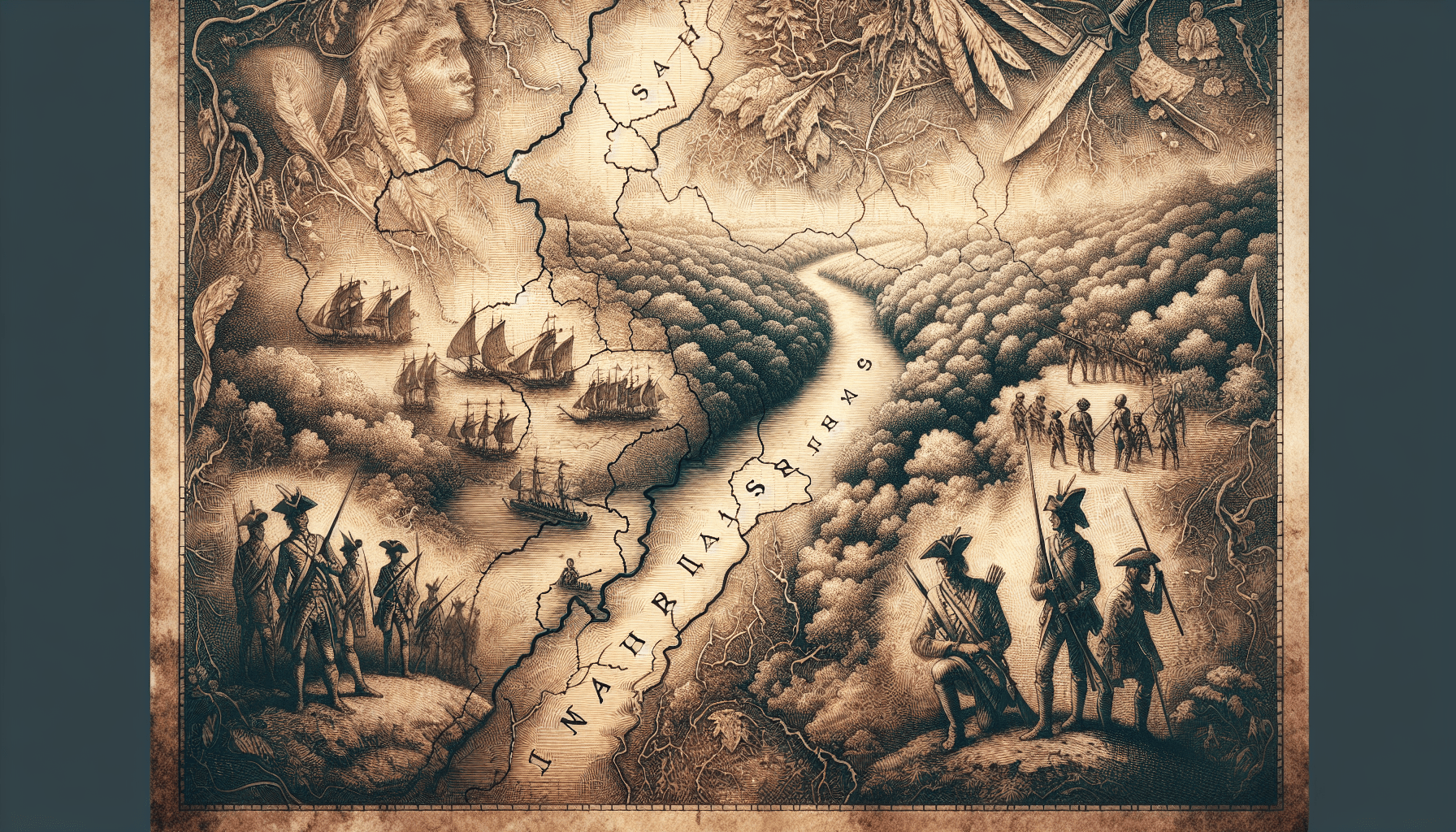
The expansionist ambitions of the United States following its independence created a significant conflict with the Native American tribes residing in the Northwest Territory. The federal government, facing escalating violence and unsuccessful negotiations, opted for military intervention, which culminated in the disastrous Battle of the Wabash in 1791. Led by General Arthur St. Clair, the American forces aimed to subdue the Native American Confederacy but were met with unexpected challenges, including inadequate supplies, harsh weather, and dwindling troop morale. This engagement not only marked America’s first major military defeat but also set the stage for a critical reevaluation of military strategy and policy in the face of indigenous resistance.
The narrative of this battle encapsulates the miscalculations made by American military leaders, who underestimated the capabilities of their Native American adversaries. As the campaign progressed, critical decisions and unfortunate circumstances led to heavy losses for St. Clair’s forces. Ultimately, two-thirds of his troops were either killed, wounded, or missing, while the Native American casualties remained relatively low. The outcome of this battle serves as a pivotal moment in the history of American expansion, highlighting both the resilience of Native American tribes and the need for subsequent military reform in response to such setbacks.
Stumbling to Disaster: The Battle of the Wabash

Historical Context
Post-Independence Expansionist Goals
In the years following your independence, the United States embraced an expansionist philosophy, entailing a fervent desire to stretch its borders westward into the Northwest Territory—a land rich with agricultural potential and resources. You, as an observer of this rising ambition, can appreciate the complexities of the situation. The region wasn’t empty; it was home to numerous Native American tribes, each with deep cultural ties to the land, customs that had endured for centuries. You might find it curious that, in this post-colonial fervor, the federal government seemingly underestimated the resolve of these tribes to defend their territory against an encroaching adversary.
Native American Tribes in the Northwest Territory
The Northwest Territory comprised various tribes, including the Shawnee, Miami, and Delaware, who had historically thrived and survived against adversities. You might see how their communal structures were organized around kinship and ecological sustainability. They were not merely obstacles in a westward march, but resilient societies with a profound understanding of the land. This reality posed a conundrum for American expansionists who viewed the territory through the narrow lens of Manifest Destiny, overlooking the rich complexities of human life interwoven with the landscape.
Increasing Tensions and Violence
As American settlers pushed further into this territory, friction inevitably arose. Treaties, often coercive or misleading, were signed and broken, heightening the tensions that simmered between tribes and settlers. The violent skirmishes, compounded by failed negotiations and empty promises, escalated, owing to a broader context of increasing dissatisfaction among Native Americans of losing their land. Your understanding of this period will illuminate how the government, rather than seeking diplomatic resolution, opted for a military solution—an inclination fraught with dire consequences.
Military Strategy and Preparation
Federal Decision for Military Action
The U.S. federal government, responding to the mounting pressures and hostilities on the frontier, made the fateful decision to engage militarily. As you reflect on these policies, you may acknowledge the sense of urgency enveloping officials who sought to pacify Native resistance. However, this decision was drenched in a naiveté that would soon reveal itself as catastrophic. The aim was not merely to assert control but to quell any potential revolts, assuring a pacified frontier for settlers seeking new opportunities in expansive American territories.
General Arthur St. Clair’s Leadership
You would do well to understand the figure at the helm of this military endeavor: General Arthur St. Clair. Appointed by President Washington, St. Clair embodied many of the military’s aspirations but also its shortcomings. His leadership, while characterized by a sense of duty, revealed his inexperience with respect to the complex dynamics he faced. Tasked with a monumental mission, the arduous task of translating political objectives into military actions fell squarely on his shoulders, placing him in a precarious position from the very outset.
Assembly of Troops at Fort Washington
Gathering troops at Fort Washington—present-day Cincinnati—St. Clair had the daunting task of bolstering a fighting force that was meant to confront Native American warriors who were well-acquainted with the terrain and adept in guerrilla warfare. You can perceive the challenges inherent in assembling a cohesive military unit under the prevailing conditions. The men were largely militiamen, untrained and strategically unprepared for the confrontation that awaited them amid the dense forests and ravines of the Northwest Territory.
Challenges Faced by St. Clair’s Army
Logistical Issues and Supply Shortages
Your insight into military logistics will reveal that St. Clair faced significant hurdles in this domain. The transport of supplies proved cumbersome, adding a layer of complexity that drained the morale of the troops. You might appreciate how essential provisions such as food, ammunition, and equipment eluded him, giving rise to an army that was ill-fed and inadequately equipped. With a foundation built on neglecting logistical prudence, the expedition was already doomed to compromise.
Impact of Harsh Weather Conditions
As winter began to set in, the grim realities of harsh weather conditions came crashing down on the expedition. You can envision the challenges posed by relentless rain turned to snow, transforming the march into a grueling testament to endurance. The muddy paths were draining, and as the cold seeped into bones and spirits alike, the conditions likely convinced many soldiers to reconsider their commitment to this beleaguered campaign.
Dwindling Morale and Soldier Desertions
In the face of dwindling supplies and miserable living conditions, morale quickly began to freefall. You will find it noteworthy how desertions became commonplace, an alarming trend that further weakened St. Clair’s forces. As the strength of the army fell from an initial 1,500 to around 1,000 due to sickness and desertions, the specter of failure loomed large. This internal disintegration of the force would mirror the larger defeat awaiting them on the battlefield.
Construction of Fort Jefferson
Strategic Importance of the Fort
In a scramble to secure supply lines, St. Clair made the decision to construct Fort Jefferson. You might acknowledge the strategic importance of this fort, acting not only as a staging ground but as a symbol of American resolve in a hostile territory. This fortification revealed the general’s recognition of inadequate planning but also signaled a shift in the nature of the campaign—moving from offense to a defensive posture that lacked momentum.
Delays in Army Advancement
However, the endeavor to build Fort Jefferson came at a considerable cost in terms of time and forward movement. St. Clair’s forces, yearning to advance and engage, remained stagnant and vulnerable. You may observe how this delay contributed further to the alarming depletion of morale, exacerbating the frustrations faced by his soldiers, who were forced to endure the rigors of wait without the benefits of triumph.
Fort Jefferson’s Role in Supply Logistics
Fort Jefferson assumed an essential role in the logistics of supply lines, providing a temporary respite for St. Clair and his men. Yet, its construction, intended as a step toward securing the retreating supply routes for troops, paradoxically contributed to the postponement of any decisive action against Native tribes. The fort, rather than serving as a harbinger of victory, became indicative of the indecision and tactical blunders that plagued St. Clair’s campaign.
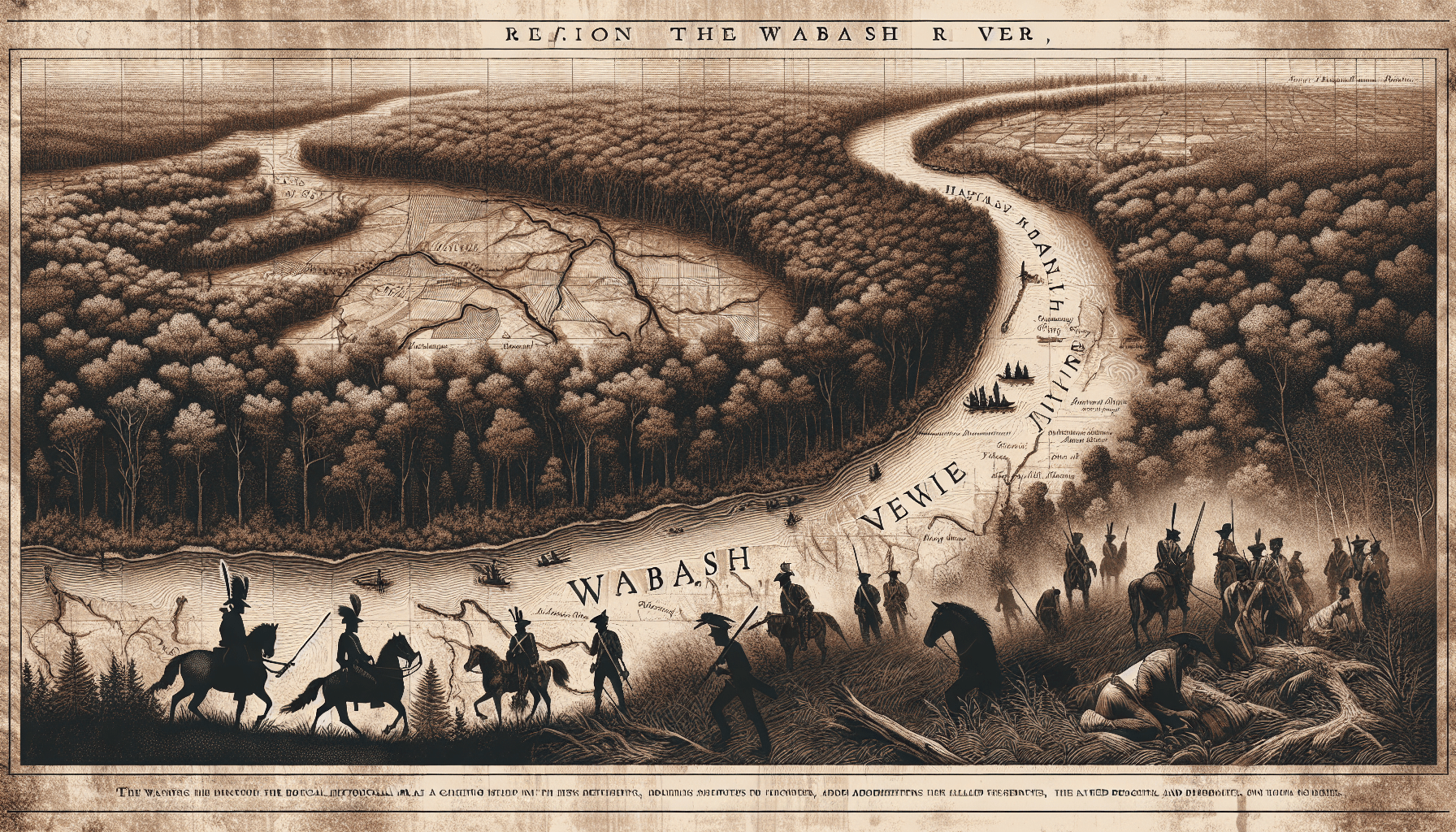
The Native American Confederacy’s Response
Underestimation of St. Clair’s Forces
From the perspective of Native American leaders, the advance of St. Clair’s forces was met with skepticism. You would recognize that their initial assessment of St. Clair’s forces was grounded in a fatal underestimation. They observed the logistical struggles and discontent within the American ranks and felt emboldened, convinced that the unfamiliar landscape of these encounters afforded them a necessary advantage.
Preparation for Direct Confrontation
In the fall of 1791, a coalition of Native American leaders—including Little Turtle of the Miami and Blue Jacket of the Shawnee—resolved to confront St. Clair outright. Their collective decision reflects a shift from previous strategies of ambush to a direct confrontation, daring the American general to face them in battle. You can appreciate the strategic significance of this moment as their armies were well-prepared, trained in the ways of war that relied on both deception and the advantage of mobility in dense terrains.
Leadership of Little Turtle and Blue Jacket
As you delve deeper into this narrative, the figures of Little Turtle and Blue Jacket will emerge prominently. Their leadership steered a diverse coalition of tribes against a common enemy, and their simultaneous understanding of the land’s topography and insights into St. Clair’s inadequacies birthed a precarious, yet bold strategy of attack. Their capacity to unite disparate tribes against the forces of expansion reveals the strength of Native alliances in the face of colonial adversity.
The Day of Battle
Poor Fortifications of St. Clair’s Camp
On the morning of November 4, 1791, St. Clair’s camp was woefully unprepared for the storm that would break over them. You might consider how the natural terrain was left to provide fortification, the general neglecting to reinforce defenses that could have transformed his position into a stronghold. This oversight proved disastrous, as the encampment would soon fall victim to the very intensity of the conflict that had been brewing.
Surprise Attack at Dawn
At dawn, the Native American forces launched a surprise attack, overwhelming the disorganized ranks of St. Clair’s men. You would find it challenging to underscore the disastrous misalignment of expectations; the American militia, under extensive political assumptions, scrambled to meet the assault that rained down upon them. Caught off guard, discipline crumbled, and the expected cohesion of the army disintegrated amid cries of chaos.
Initial Chaos and Disorganization
The landscape you envision that day was filled with confusion. The clamor of battle rose as Americans stumbled to draw arms while staggering under the weight of disarray. As you reflect on this chaotic disorganization, you may encapsulate the narrative of a once-proud army trying to mount a defense against a well-coordinated assault striking with ferocity inspired by the fight for their homeland.
American Forces’ Attempted Counterattacks
Ambushes and High Casualties
As the battle unfolded and the fray continued, you would note the desperate attempts by St. Clair’s forces to organize counterattacks. However, these were met with ingenious Native American ambushes that capitalized on the landscape, devastating the Americans at every turn. The casualty count began to rise sharply on the American side, highlighting the dire realities of underestimating the enemy’s capability.
Panic and Disorder Amidst the Attack
Panic gripped the ranks of St. Clair’s men as disorder cascaded through the camp. Soldiers sought cover, many abandoning their posts in the throes of fear. You will find it worthwhile to probe into this psychological unraveling and its effects—how morale turned to dust upon recognition of impending defeat, and how leaders were rendered ineffective in the face of chaos.
Rallying Efforts by American Officers
Even amid turmoil, there were rallying efforts from American officers striving to maintain control and instill a semblance of order. You might find the resilience of these officers admirable, struggling to consolidate their forces into an effective unit. Yet, the nature of their failure to navigate through crisis is profound, revealing gaps in military training and response strategies that would resonate throughout American military history.
The Retreat and Aftermath
Organization of a Desperate Charge
After suffering catastrophic losses, the remnants of St. Clair’s forces attempted to organize a desperate charge to extricate themselves from the chaos. You can imagine the harrowing scramble as these beleaguered troops sought some scrap of honor amid the disaster. This effort marked a shift from battling opponents to a fight for survival and retreat.
Pursuit by Native American Forces
As the American forces began their retreat, they were swiftly pursued by the Native American coalition that was emboldened by their triumph. You might consider the grim reality of this pursuit—how wounded soldiers, left behind in the scramble, represented not merely casualties of war but also the stark face of defeat. The repercussions reverberated through the ranks, as they became victims to Native American reprisals for every sold-out piece of land they dared to encroach upon.
Consequences of the Retreat
The consequences of this retreat would be far-reaching, encapsulating both the immediate loss of life and a broader national sentiment regarding westward expansion. In this moment, it became evident that the narrative of invincibility was crumbling, and the myth of American exceptionalism would require reevaluation. You would be aware that this battle would mark not just a tactical defeat but a disruption in the emerging American identity that intertwined militarism with settler ambition.
Casualty Statistics and Consequences
Losses Among American Forces
The Battle of the Wabash resulted in staggering losses among American forces, with an estimated two-thirds of St. Clair’s army killed, wounded, or missing. You may reflect on the grim human cost of military endeavors and recognize that this was emblematic of broader consequences in the context of the United States’ persistent ambition. Each face left behind had once been full of hopes and aspirations that fell victim to the fervor of conflict just as easily as they would fade into history.
Comparison of Casualties: American vs. Native American
In stark contrast to the heavy losses suffered by the American forces, Native American casualties remained comparatively light, with roughly 20 dead and 40 wounded. The significant disparity accentuates the tactical advantage held by the Native American warriors, who understood their land and knew how to wield it against a cumbersome adversary. You might ponder the implications of these numbers—not only for the immediate context but for the unfolding narrative of American militarism viewed through the lens of failed engagements.
Impact on Public Perception of the Military
This defeat resonated deeply across the new nation, igniting scrutiny over military leadership and strategy. You can draw insights into how St. Clair’s defeat shifted public perceptions of the U.S. military’s capabilities. The failures led to unprecedented congressional investigations, stressing accountability while reflecting a yearning for effective governance. The defeat through this lens was not merely a military failure—it was a challenge to the nascent American identity, prompting calls for strategic reforms that would ripple through military corridors for years to come.
Conclusion
Summary of the Battle’s Impact
The Battle of the Wabash reverberated through American history, not simply as a military conflict but as a formative incident that reshaped collective consciousness surrounding the complexities of territorial expansion. You might see it as a crucible that precipitated critical reevaluations, altering the course of both military strategy and relationships between the American government and Native American tribes.
Lessons Learned from St. Clair’s Defeat
In digesting the events of this battle, you can discern several foundational lessons—primarily the importance of respecting the adversary, recognizing logistical needs, and fostering appropriate military strategies that account for the realities of terrain and troop morale. St. Clair’s fault lay not only in operational failures but also in a profound misunderstanding of the spirit and depth of resistance from Native peoples.
Significance in American Military History
This debacle served as a catalyst for reform, galvanizing future military leaders, notably Major General “Mad Anthony” Wayne, who took on the mantle to rectify failings through disciplined military strategy. The legacy of the Battle of the Wabash thus looms large within American military history, signaling a turning point where reassessment spawned readiness to confront not just the physical conflicts of war but also the moral complexities of expansionist ambitions. As you confront the inexorable march of history, the lessons echo—etching their significance into the fabric of a nation wrestling with its past, its identity, and its future.