
The Apollo Program, particularly exemplified by the mission titled “Eagle Has Landed,” represents a significant achievement in human space exploration. This article will examine the ambitious origins of the program, catalyzed by President Kennedy’s declaration to land a man on the moon before the decade’s close, against the backdrop of the Cold War and the Space Race initiated by Soviet successes. It will further explore the various milestones and challenges within the program, including the tragic Apollo 1 disaster and the triumphant milestones of the Apollo 7, 8, and 10 missions, ultimately leading to the historic Apollo 11 lunar landing.
Through a detailed analysis of both technical advancements and human elements, the article will elucidate the intricate planning and groundbreaking innovations that defined the Apollo missions. It will highlight the transformation of NASA following setbacks, the development and testing of the Lunar Module, and the critical roles played by astronauts like Neil Armstrong, Buzz Aldrin, and Michael Collins. The narrative encapsulates the complexities inherent in space travel, emphasizing the risks and triumphs that culminated in one of humanity’s most awe-inspiring endeavors: landing on the moon.

Historical Background
Cold War Tensions and the Space Race
As you delve into the landscape of the 1960s, the shadows of the Cold War loom large, defining a period marked by intense ideological rivalry between the United States and the Soviet Union. This geopolitical strife was not confined to earthly borders; it extended into the cosmos, igniting a fierce competition for technological superiority. The launching of Sputnik by the USSR in 1957 and the subsequent orbiter of Yuri Gagarin in 1961 captured international attention and stirred a sense of urgency within the United States. In response, President John F. Kennedy articulated a groundbreaking ambition: “Before this decade is out, I want to see a man on the Moon and return him safely to the Earth.” This declaration catalyzed the American space program, leading to bold initiatives encapsulated in NASA’s Apollo program that would decisively alter humanity’s trajectory in space exploration.
Launch of the Mercury and Gemini Programs
In this frenetic atmosphere, NASA concentrated its efforts on pioneering space missions designed to develop human spaceflight capabilities. The Mercury program laid the foundation by sending the first American, Alan Shepard, into space in 1961. Following this, the Gemini program emerged as an essential stepping stone. It achieved notable milestones, including the first American spacewalk, and advanced techniques crucial for rendezvous and docking—capabilities that would later underpin the missions to the Moon. These formative years showcased not only technological advancements but also the growing resolve of the American people to win the space race.
Kennedy’s Vision for Lunar Exploration
Kennedy’s vision extended beyond mere technological triumph; it embodied a profound commitment to human ingenuity and exploration. His insistence on sending a man to the Moon was not merely a reaction to Soviet achievements but a declaration of America’s potential to push boundaries. He framed this ambitious goal as a testament to innovation and perseverance, challenging a nation still reeling from its own struggles. Kennedy’s 1962 speech at Rice University, emphasizing the choice to go to the Moon “not because it is easy, but because it is hard,” encapsulated his vision for lunar exploration as a defining moment of national character and strength.
The Apollo Program Overview
Goals and Objectives
At its core, the Apollo program was driven by clear objectives: to achieve a crewed lunar landing, conduct scientific research on the Moon, and safely return astronauts to Earth. This multifaceted mission sought to expand human knowledge of lunar geology and bolster U.S. prestige on the global stage. Beyond its scientific aspirations, the program served to galvanize public interest and confidence in space exploration amidst the competitive backdrop of the Cold War.
Key Milestones in Apollo Missions
As you reflect upon the Apollo program, its chronology unfolds as a series of critical milestones that collectively illuminated the path to the Moon. After the initial failures and successes of earlier missions, Apollo 1 tragically marked a turning point. The subsequent missions, from Apollo 7’s successful crewed test flight to Apollo 8’s historic circumnavigation of the Moon, exemplified resilience and ingenuity. Each mission built upon the last, meticulously solving complex problems, building confidence, and refining technologies, bringing humanity ever closer to its celestial ambition.
Technological Innovations and Developments
Integral to the Apollo program was a cascade of technological innovations. The development of the Saturn V rocket, the most powerful launch vehicle ever created, exemplified the marriage of engineering prowess and scientific understanding. Furthermore, advancements in computer technology, guidance systems, and materials science proved crucial for ensuring the safety and efficacy of space travel. These innovations not only facilitated lunar landings but laid the groundwork for future exploration endeavors.
The Tragic Apollo 1 Incident
Details of the Accident
In the early stages of the Apollo program, a harrowing tragedy struck during a pre-launch test for Apollo 1 on January 27, 1967. A cabin fire erupted, claiming the lives of astronauts Gus Grissom, Ed White, and Roger B. Chaffee. This incident sent shockwaves through NASA and highlighted critical design flaws in the Command Module, particularly its pure oxygen atmosphere that exacerbated the fire’s ferocity. The Apollo 1 tragedy underscored the dangers inherent in space exploration, a stark reminder that human endeavor exists amidst risk and uncertainty.
Impact on NASA and the Apollo Program
The ramifications of Apollo 1 were profound. NASA embarked upon a sweeping review of safety protocols and equipment designs, substantially delaying the program’s progress. The tragedy served not only as a catalyst for change within NASA but also revitalized public scrutiny of space missions. Out of this adversity emerged a renewed commitment to rigorous testing, comprehensive safety measures, and an unyielding resolve to honor the legacy of the fallen astronauts through future success.
Changes Implemented After the Disaster
In the aftermath of the Apollo 1 disaster, NASA implemented sweeping reforms. A newfound emphasis on safety manifested in revised engineering standards and protocols, including the transition from a high-pressure pure oxygen atmosphere to a safer atmosphere for ground tests. Furthermore, NASA’s emphasis on more collaborative problem-solving fostered a culture of engineering excellence where communication and vigilance became the cornerstones of mission planning and execution.
Early Successes: Apollo 7 and Apollo 8
Apollo 7: First Crewed Test Flight
The Apollo program’s first significant success post-Apollo 1 came with the launch of Apollo 7 on October 11, 1968. This mission marked the first successful crewed flight of the Apollo spacecraft, proving both the spacecraft’s capabilities and the crew’s resilience. During the mission, astronauts Walter Cunningham, Donn Eisele, and Wally Schirra conducted extensive tests, ensuring that critical systems functioned as intended. Their mission lasted ten days, ultimately culminated in a successful splashdown and restoration of public confidence in NASA’s ability to conduct crewed spaceflight.
Apollo 8: Journey to the Moon
Building on the momentum of Apollo 7, Apollo 8 achieved a historic feat by becoming the first crewed mission to orbit the Moon in December 1968. Astronauts Frank Borman, James Lovell, and William Anders became the first humans to witness the lunar surface up close, taking pivotal photographs of Earth and the Moon that would resonate across time. Their successful return signified not just an accomplishment in engineering but an emotional connection and awakening for humanity, igniting a collective imagination about the possibilities of space.
Significance of Manned Lunar Orbit
The significance of Apollo 8 manifested not only in its technical achievements but also its cultural resonance. As the first crewed spacecraft to leave Earth’s orbit, Apollo 8 shifted public perspective on space exploration. The images captured during their journey, particularly the iconic “Earthrise” photograph, played a transformative role, evoking reflections on humanity’s place in the universe and the fragility of our home. This mission galvanized public support and infused the Apollo program with renewed vigor and purpose.
The Lunar Module Development
Design and Engineering Challenges
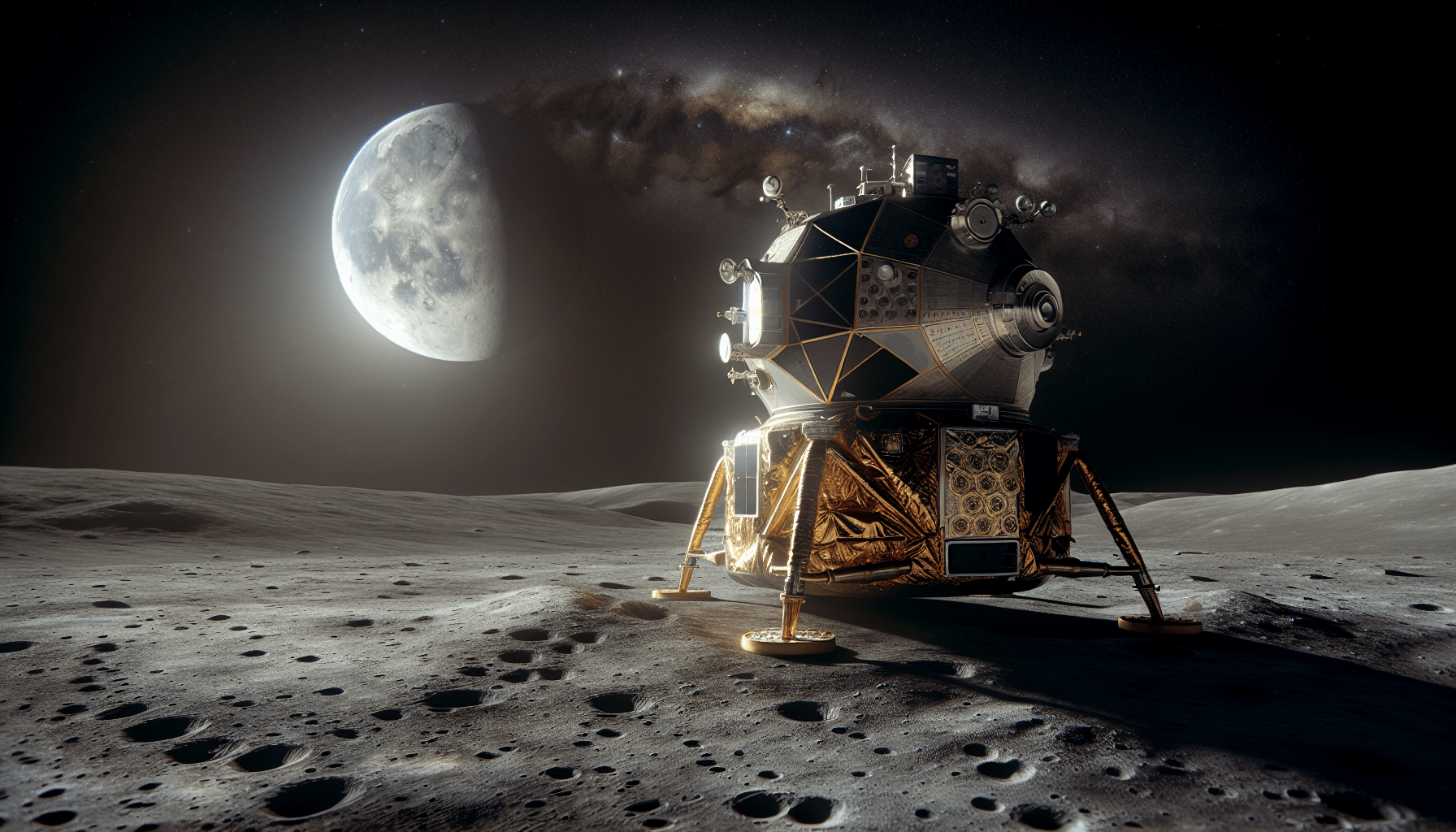
The development of the Lunar Module (LM), a critical component of the Apollo missions, presented numerous engineering challenges. The LM was uniquely designed for the vacuum of space and the lunar environment, necessitating innovations in structures and materials. Engineers grappled with achieving a lightweight yet durable design, balancing critical necessities such as ascent and descent engines, life support systems, and navigation capabilities.
Testing the Lunar Module in Apollo Missions
Extensive testing for the Lunar Module was undertaken in the context of several Apollo missions. Apollo 9 served as the first mission to test the Lunar Module in space, allowing crews to evaluate its performance during orbital maneuvers. Tests verified the systems’ functionality, leading to further iterations and improvements. These early missions laid the groundwork for the impending lunar landings, ensuring reliability in the face of varying lunar conditions.
Role of Apollo 9 and Apollo 10
Apollo 9 had a dual significance: it was fundamental for both testing the Lunar Module and refining operational protocols for crews. However, Apollo 10 served as the essential “dress rehearsal” for the Moon landing itself. Crewed by seasoned astronauts, Apollo 10 would effectively test all mission phases except the actual lunar landing, enhancing NASA’s confidence in the capabilities of both the Command and Lunar Modules leading to Apollo 11.
The Focus on Mascons
Understanding Lunar Gravity Variations
A significant scientific focus during the Apollo missions was understanding the Moon’s gravity variations, particularly the existence of “mascons” or mass concentrations. These uneven gravitational fields posed substantial risks for landing maneuvers. Innovative studies and simulations were conducted to chart these anomalies, as accurate navigation would be vital for ensuring safe landing zones.
Impact on Landing Strategies
Understanding mascons altered landing strategies for Apollo missions. NASA’s engineers had to account for these gravitational inconsistencies when designing descent trajectories. The analytical work done in understanding mascon effects developed methodologies that maximized safety and accuracy in lunar landings, a testament to the iterative nature of engineering problem-solving.
Data Collection from Apollo 10
Apollo 10’s mission took the understanding of mascons to the next level. As the spacecraft orbited the Moon, it gathered invaluable data regarding gravitational variations. Detailed analysis of this data later informed the path for Apollo 11’s final descent, underscoring the significance of careful preparation and research in achieving mission success.
Apollo 11: The Historic Landing
Launch and Crew Preparation
As you trace the lineage of NASA’s Apollo missions, Apollo 11 stands as the zenith of human achievement in space exploration. Scheduled to launch on July 16, 1969, this mission represented the culmination of years of rigorous training, design refinement, and unwavering determination. The spacecraft, carrying astronauts Neil Armstrong, Edwin “Buzz” Aldrin, and Michael Collins, prepared for a momentous journey that would test both the boundaries of human capability and the limits of technology.
Mission Objectives and Challenges
The mission’s objectives were both audacious and markedly clear: secure a lunar landing, conduct significant scientific research, and safely return to Earth. Nevertheless, the journey was fraught with challenges, from navigating through Earth’s atmosphere to dealing with potential malfunctions during the landing phase. Each step of the mission was meticulously choreographed yet risk-laden, necessitating exceptional skill and unwavering resolve from the crew and mission control.
The Historic Moon Landing
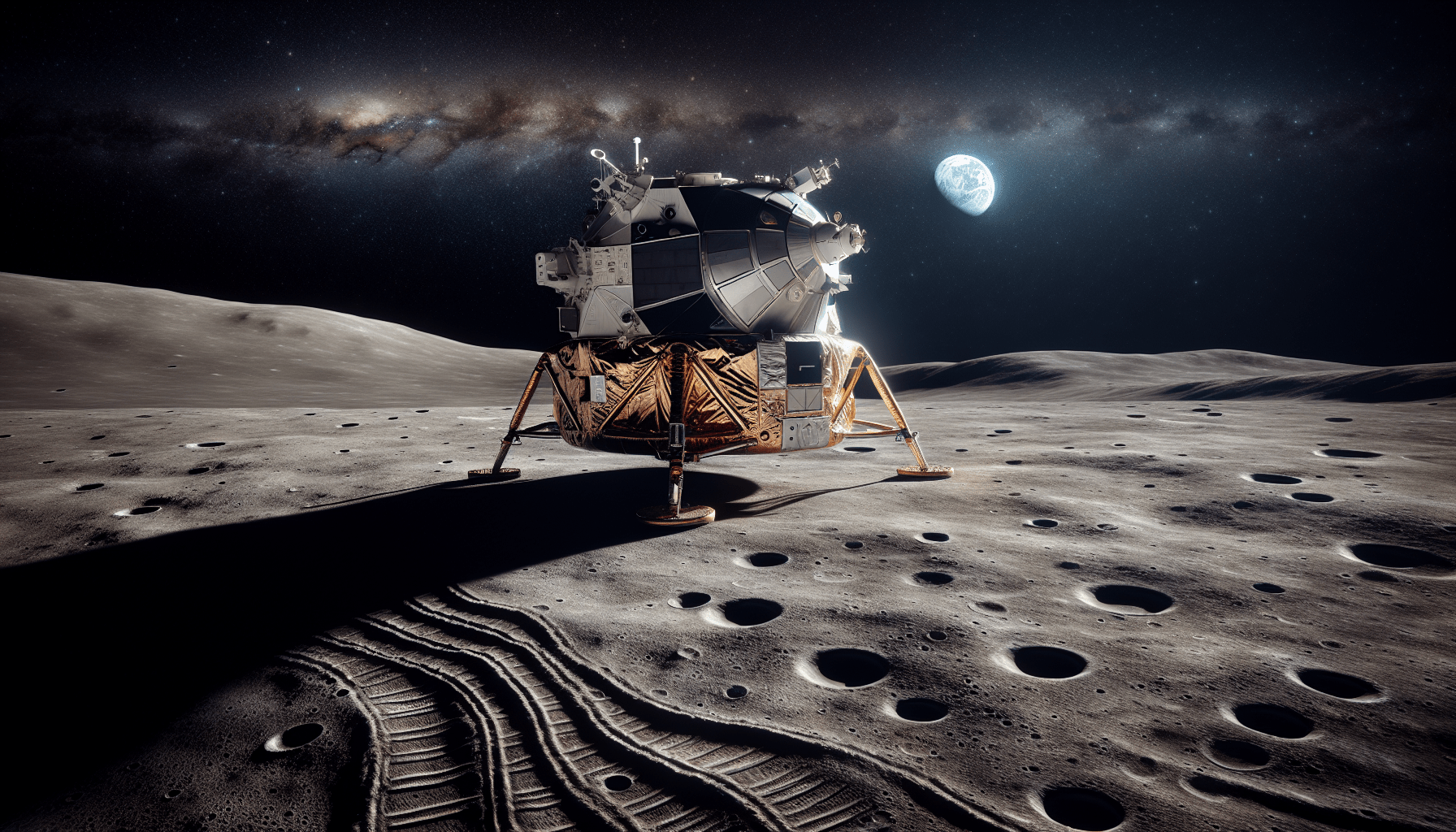
On July 20, 1969, the world held its breath as the Lunar Module, aptly named “Eagle,” commenced its descent to the lunar surface. Aboard were Neil Armstrong and Buzz Aldrin, while Michael Collins remained in lunar orbit. As the module approached its landing site, a series of alarm alerts threatened mission integrity, yet Armstrong’s deft piloting ultimately guided the Eagle to a safe landing in the Sea of Tranquility. “The Eagle has landed,” he affirmed, a moment that reverberated through history and marked a profound culmination of human endeavor.
The Lunar Experience: Armstrong and Aldrin
First Steps on the Moon
As you delve deeper into the monumental occurrence of the Apollo 11 landing, the anticipation peaks when Neil Armstrong became the first human to step onto the Moon’s surface. His famous words, “That’s one small step for man, one giant leap for mankind,” transcended the confines of space, encapsulating a moment of unity and aspiration for all humanity. In doing so, he not only left footprints in lunar dust but also cemented his place in the annals of history.
Experiments and Activities Conducted
Following their historic descent, Armstrong and Aldrin embarked on a series of scientific endeavors aimed at enhancing our understanding of the Moon. They deployed a seismometer to monitor lunar quakes, conducted experiments to analyze soil composition, and even collected samples of lunar material for return to Earth. Such activities not only fulfilled the mission’s scientific objectives but also forged pathways for future explorations.
Impact on Scientific Knowledge
The Apollo 11 mission provided invaluable datasets that contributed significantly to lunar science. There existed an unprecedented opportunity to analyze lunar geology, particularly in discerning the Moon’s age and formation. The samples returned by Armstrong and Aldrin laid the groundwork for a new understanding of planetary bodies, impacting not only lunar studies but the broader field of astrophysics.
Apollo 11’s Legacy
Cultural Impact of the Moon Landing
The cultural ramifications of the Apollo 11 landing were profound. The event inspired countless individuals across the globe, igniting imagination and curiosity towards science and technology. The Moon landing catalyzed a global discourse centered on exploration and innovation, symbolizing success against the odds and the power of collaboration, ambition, and human spirit.
Technological Advancements Following Apollo
The legacy of the Apollo program also extended into the realm of technological advancement. Innovations developed for the program precipitated advancements in various fields, including telecommunications, materials science, and computing. The technologies conceived out of necessity during the Apollo missions echoed into everyday life, shaping contemporary society and reinforcing the value of investment in research and development.
Inspiration for Future Space Missions
With Apollo 11’s success, a new era of space exploration unfolded. The achievement served as a beacon of inspiration for subsequent generations of scientists, engineers, and explorers. Programs such as the Space Shuttle and Mars missions can trace their lineage back to the successes—and lessons—of Apollo, affirming the enduring importance of pioneering exploration.
Conclusion
Summary of Apollo Program Achievements
The Apollo program unfolds as a narrative of human achievement, underscored by resilience and innovation. From its inception amidst Cold War tensions to the triumphant lunar landings, Apollo achieved objectives once deemed impossible. These missions not only explored lunar terrains but also redefined humanity’s capabilities in the realm of science and engineering.
Reflections on Human Ingenuity and Exploration
Apollo epitomizes the triumph of human ingenuity in the face of adversity. It stands as a testament to what can be accomplished through collaboration, imagination, and a commitment to learning. As you reflect on the saga of the Apollo missions, you find inspiration in the spirit of exploration that propelled those who dared to dream beyond earthly bounds.
The Future of Lunar Exploration
In shaping the future of lunar exploration, the legacy of the Apollo program continues to resonate. As new missions to the Moon and beyond capture your imagination, you recognize the indelible mark Apollo has left on humanity’s narrative of exploration. Looking to the stars, you carry forth the hope and inspiration that ignite dreams of discovery and the quest for knowledge—a journey that remains as timeless as the cosmos itself.